Moon dust and paper waste could solve a major hurdle for NASA’s Moon base
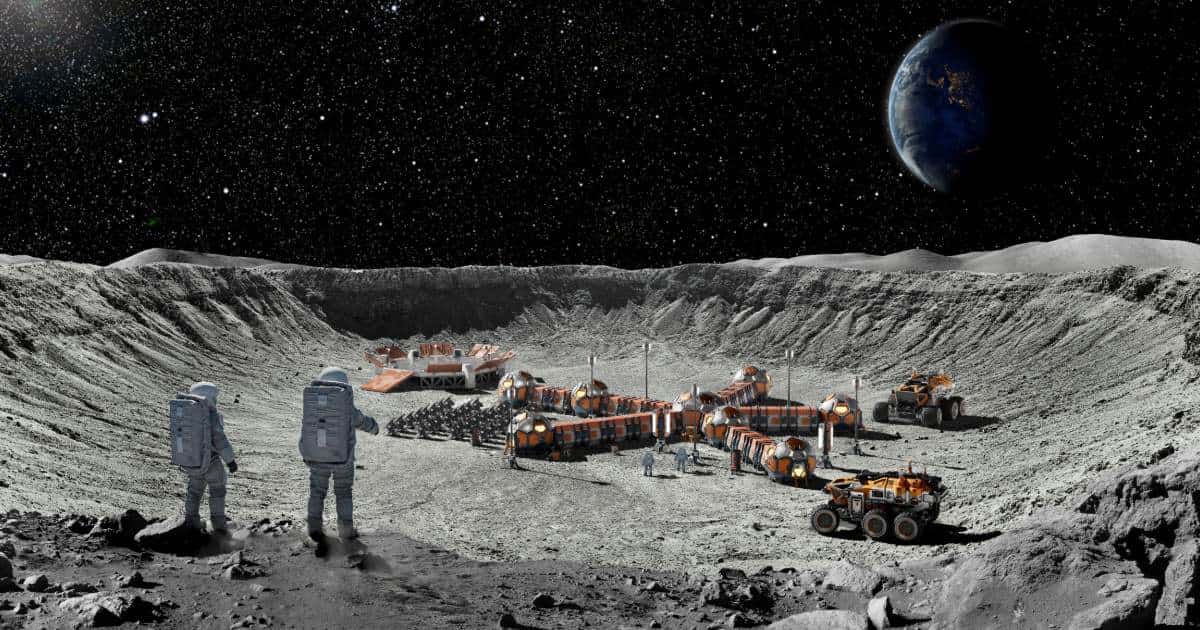
The Moon could become home to a permanent base for humanity within the next decade, as NASA has committed to making this goal a reality by the early 2030s. But in order for humans to live on the Moon for long periods, there are many challenges that need to be addressed. One of the biggest issues is getting protection from the changing temperatures. And researchers at Purdue University may have finally found a solution to this. They have made a lightweight insulating material from simulated moon dust and shredded paper, and it could one day help protect astronauts from the Moon's harsh temperatures.
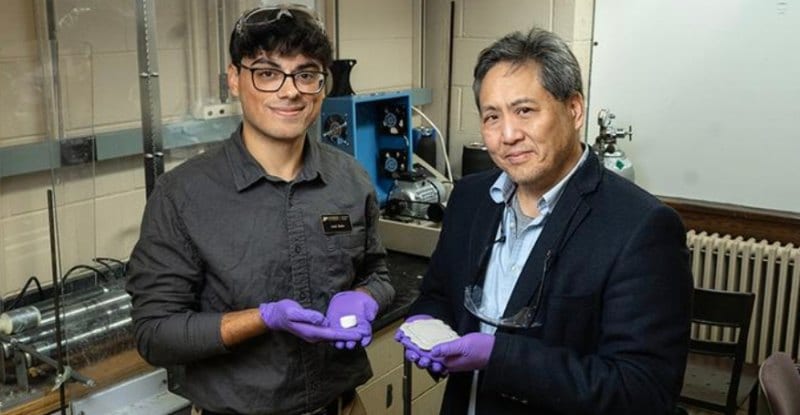
The material is called aerogel, and it’s an ultralight insulator that we already use in spacecraft and electric vehicles. Chemistry professor Alexander Wei and graduate researcher Jacob Staker are developing a version made from materials that could be generated on the Moon. Researchers created the material by mixing cellulose, which can come from discarded paper and cardboard, with a lunar regolith simulant.
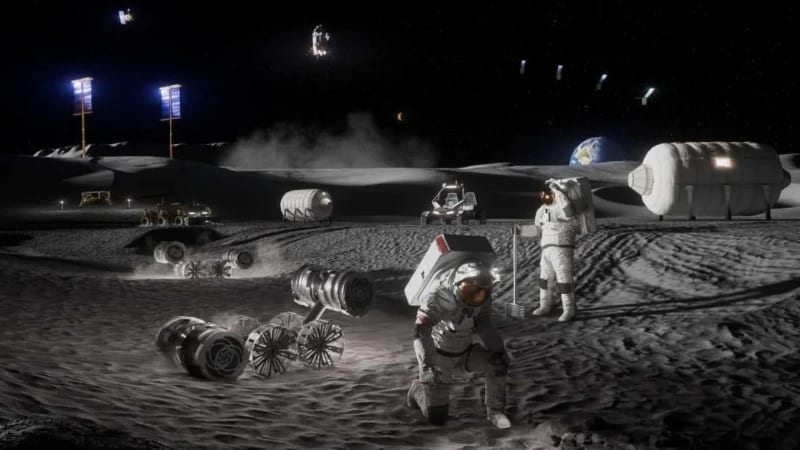
Commenting on this discovery, Wei said, “Sustaining a long-term presence on the moon will require us to rethink how we use local resources.” He added, “Rather than relying on Earth to supply everything we need, we’re exploring how materials already available on the Moon, including waste generated by its inhabitants, could be upcycled into something essential for safe and livable habitats.”
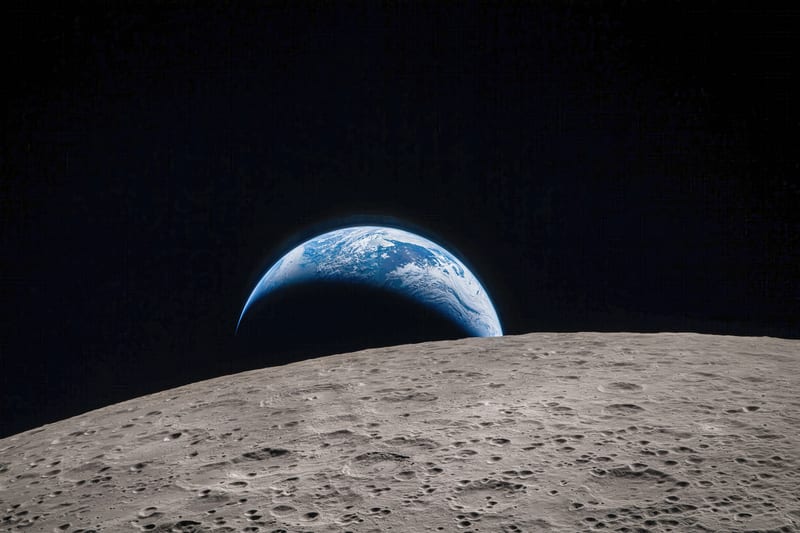
The temperature difference on the Moon is extreme. A lunar day can bring temperatures of up to 260 degrees Fahrenheit, but during night, the surface can cool to minus 280 degrees Fahrenheit. Aerogels are capable of handling this change well because they are highly porous, with up to 99% of their volume made of empty space. On Earth, air fills those gaps. But on the Moon, the gaps would be a vacuum, which hardly conducts heat compared with a dense material, so less heat moves in or out.
Explaining this, Staker said, “Imagine an aerogel as a high-tech thermos for a lunar base. Most of it consists of empty space that insulates the interior, helping it maintain the temperature of what’s inside. Covering lunar habitats with a layer of aerogel helps to protect them from the moon’s harsh temperature swings.”
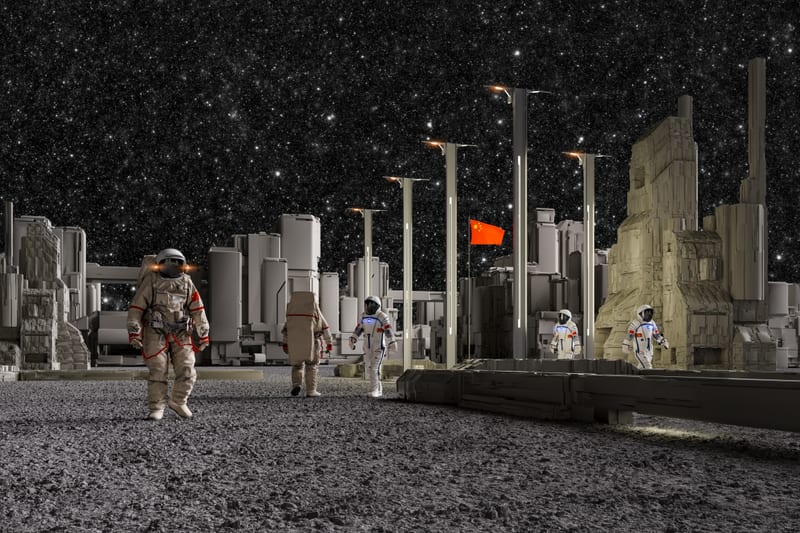
The team calls its approach in situ resource utilization, which means making use of materials that are already found at the destination instead of shipping everything from Earth. Wei explained that once humans start living on the Moon, they would then generate waste such as paper or cardboard. On the other hand, there’s plenty of moon dust.
“Rather than trying to make the world’s best aerogel,” Wei explained, “we’re looking for the sweet spot where we can get the properties we need with the limited resources we have available.” The study was made possible with funding from the National Science Foundation and the Indiana Space Grant Consortium.
More on Starlust: