The Geminids return this December: Here's how you can watch one of the best meteor showers of the year
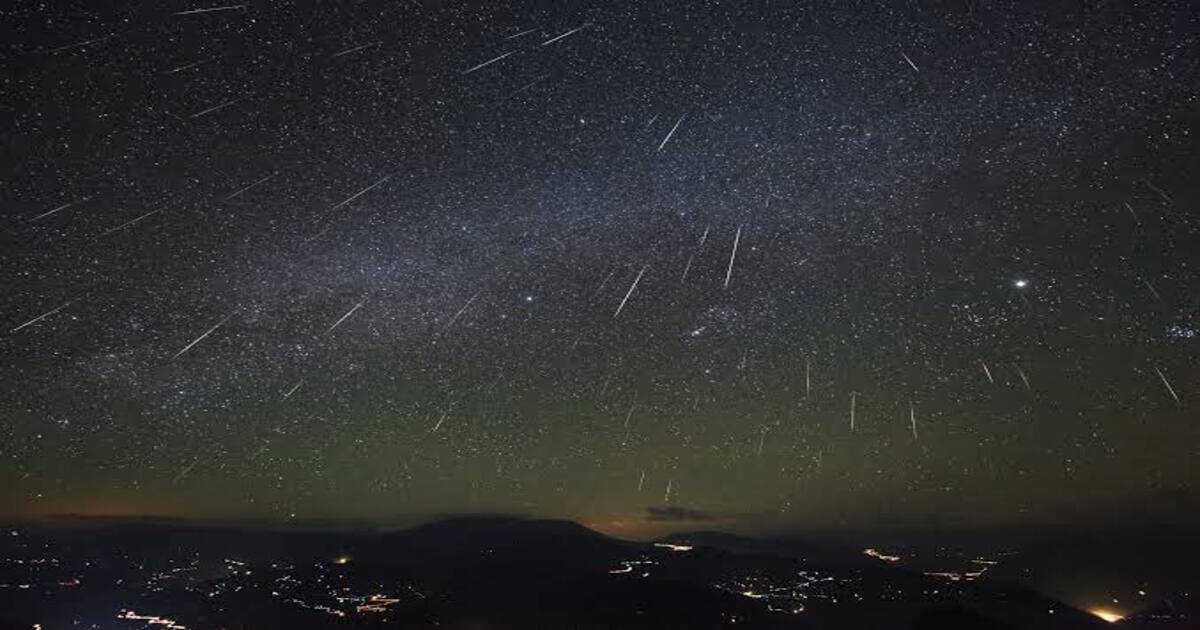
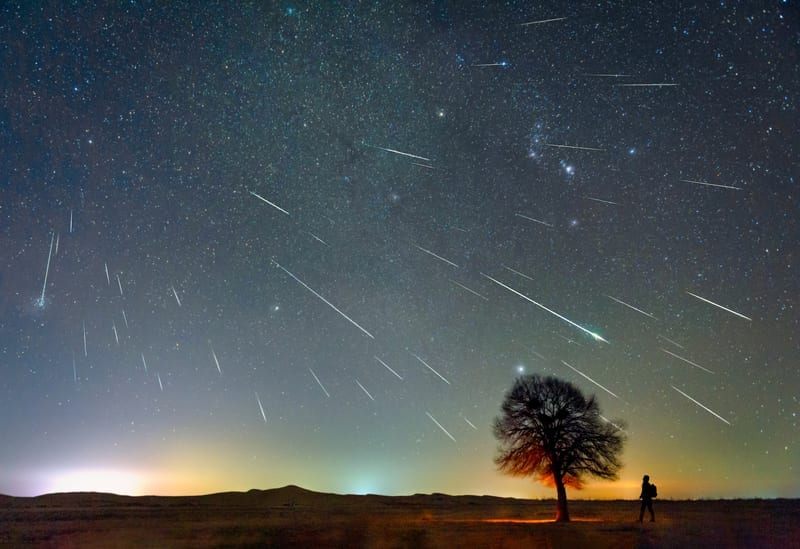
The Geminids, one of the most spectacular meteor showers of the year, are just around the corner. This year, the Geminid meteor shower is active from December 4 to 17, but the best time to watch it will be when it reaches peak on the night of December 13-14. Below is a guide to help you plan your observations of the shower.
What makes the Geminid Meteor shower special?
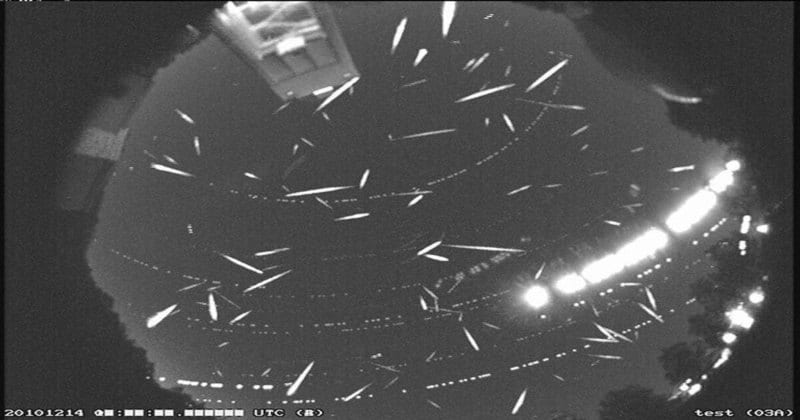
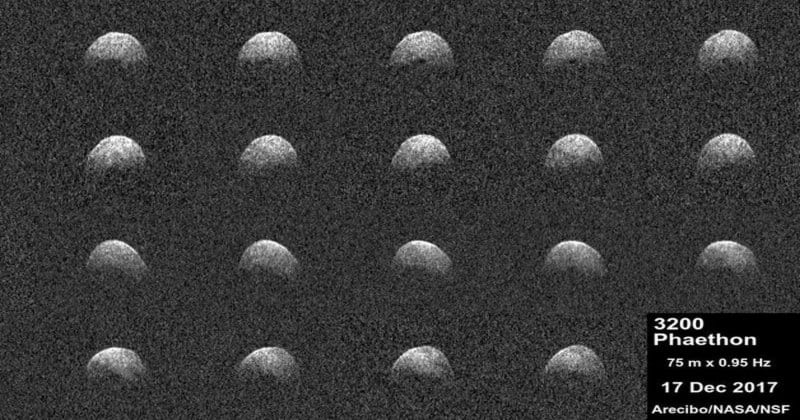
The Geminid meteor shower was first observed in the mid-1800s, with a very low number of meteors—around 10-20 per hour. However, today, the shower can produce around 120 meteors per hour under ideal observing conditions during its peak. Astronomers think this happens because Earth moves deeper into the debris field that gives rise to the shower every year. Another thing that makes the Geminids stand out is that they originate in the debris of the asteroid known as 3200 Phaethon, unlike most others that originate from comets. That said, scientists are undecided on whether Phaethon can really be called an asteroid. Even though it is built like one, it moves in a highly elliptical orbit, like a comet. The only other major meteor shower that doesn't originate in a comet is the Quadrantids.
When and how to watch the Geminid meteor shower in 2026
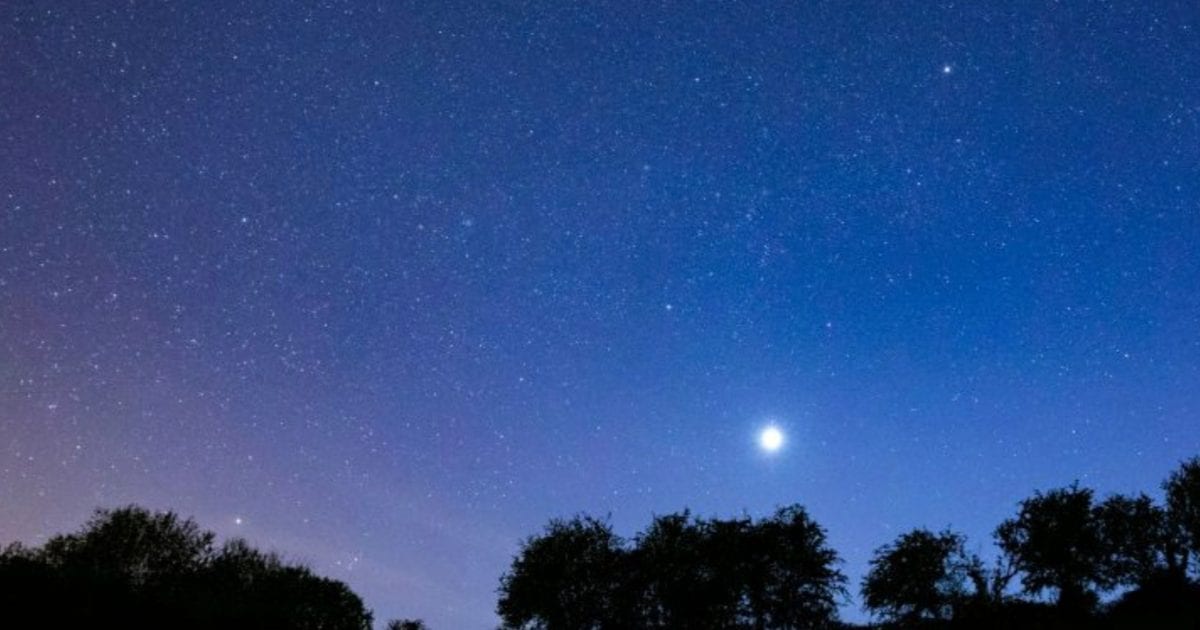
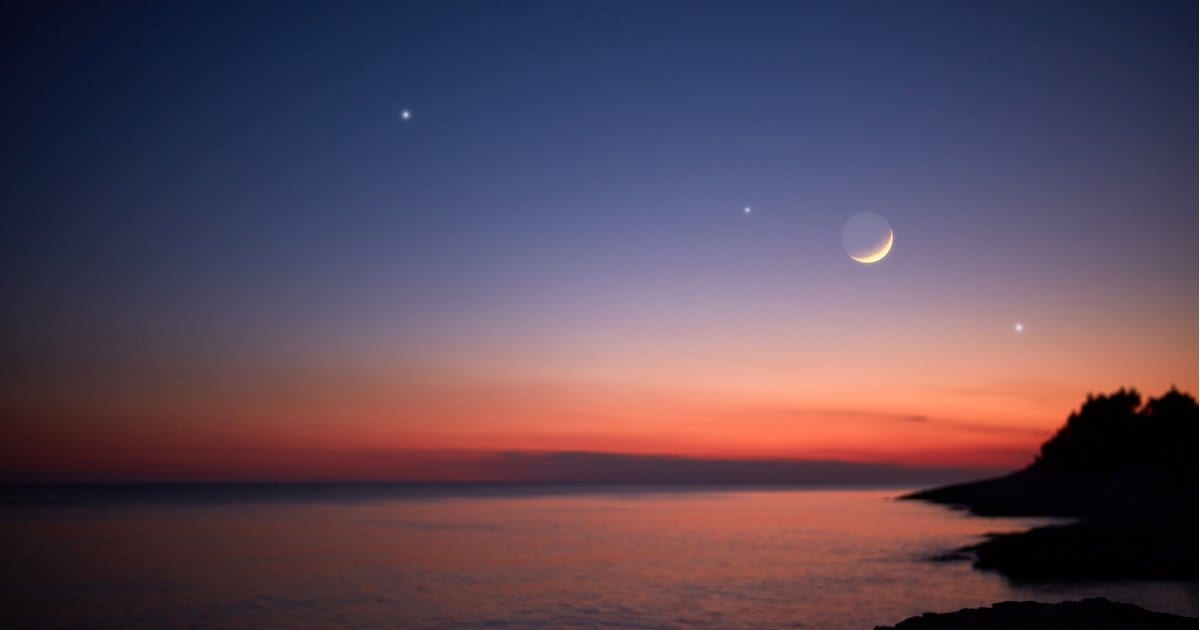
The shower gets its name from the constellation Gemini, as its meteors appear to originate from this constellation, known as the radiant. According to the American Meteor Society, skywatchers in the Northern Hemisphere will be able to see the meteors from very early on, as the Gemini constellation will be well placed from 10:00 p.m. onwards on peak night. The shower will be visible from the Southern Hemisphere as well but only at midnight and at a reduced rate. The Moon, which will be in its waxing crescent phase at just 14% illumination on peak night, will not cause much interference in visibility. Remember that the meteors can appear anywhere in the sky, so observers do not need to look directly at the Gemini constellation to spot them.
Some additional tips for viewing the Geminids meteor shower
The following are some extra tips to keep in mind if you are planning an outing to watch the shower:
Light pollution can affect the viewing experience for the observers. So, try to find a place away from the city lights and streetlights to enjoy the clear, dark skies and spot the meteor shower.
Try not to use your cell phone for 20-30 minutes and let your eyes adjust to the darkness to get the best viewing experience.
Viewers should be patient while observing the night sky, as it can take some time to spot the meteors.
You do not need a telescope or binoculars to observe the shower, as it will also be visible to the naked eye across the night sky under ideal conditions.
More on Starlust
'Like a shot': 2-foot-wide meteoroid explodes off the coast of Key West in Florida
Scientists just fixed the timeline of Oklahoma meteor crater—and linked it to a mass extinction