Southern Taurids meteor shower to bring fireballs as it peaks this week—here’s all you need to know
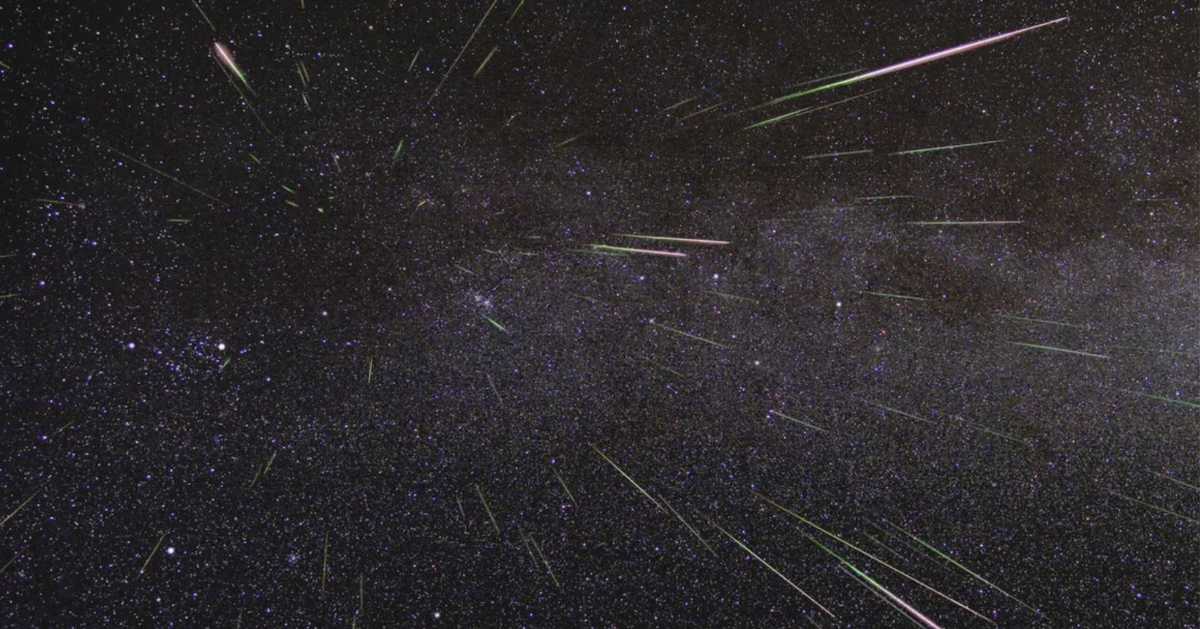
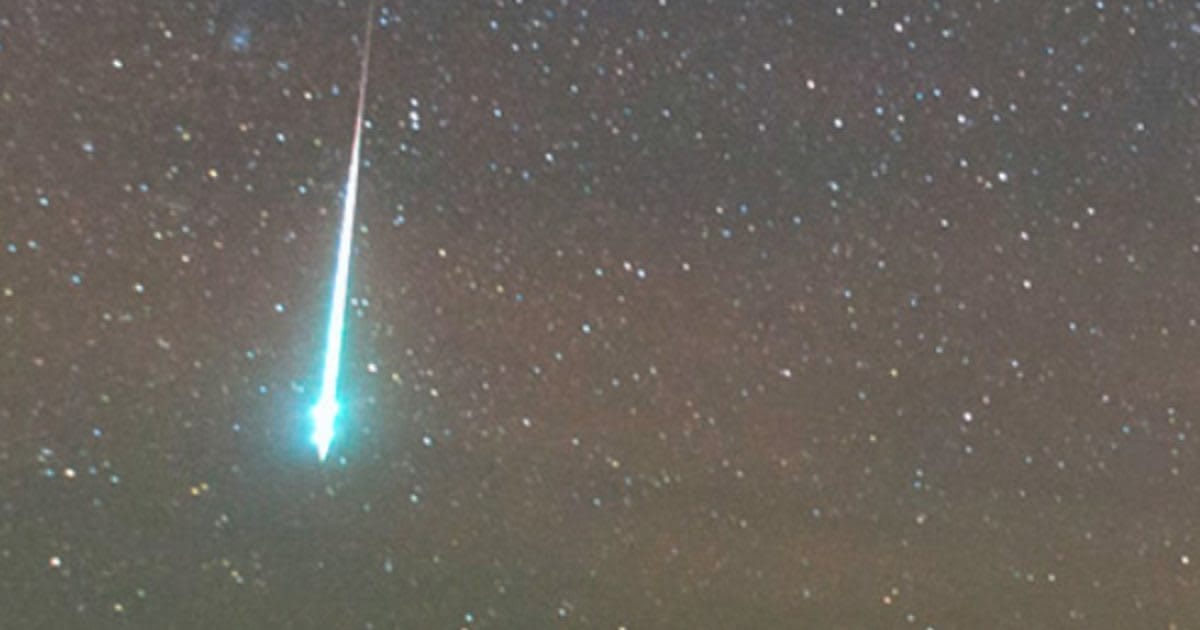
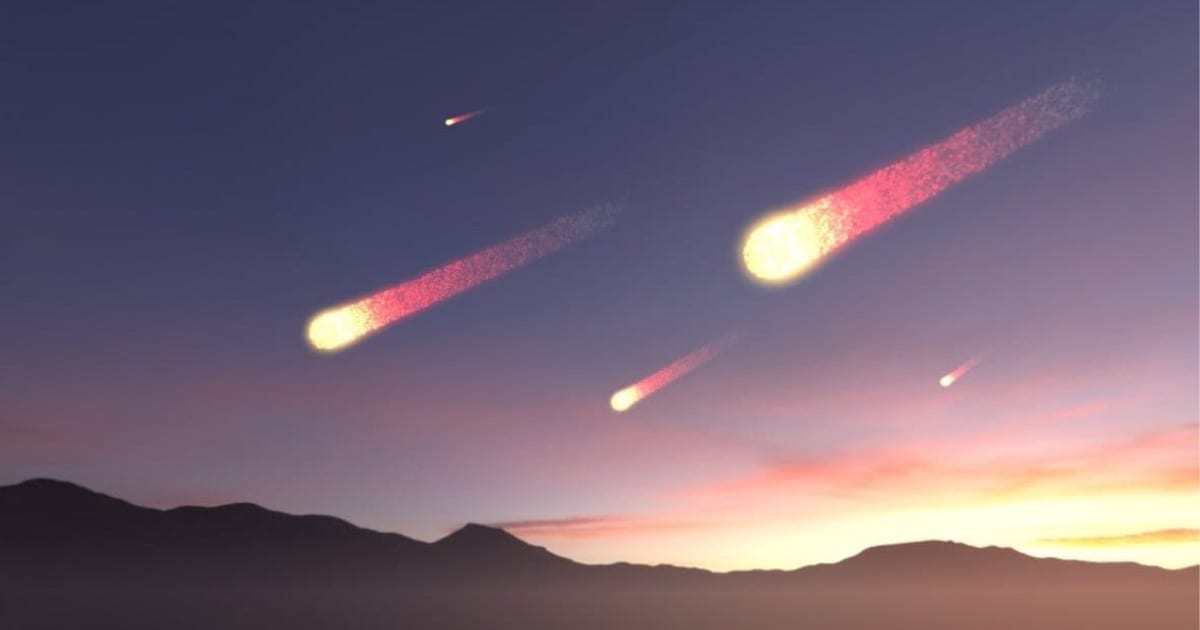
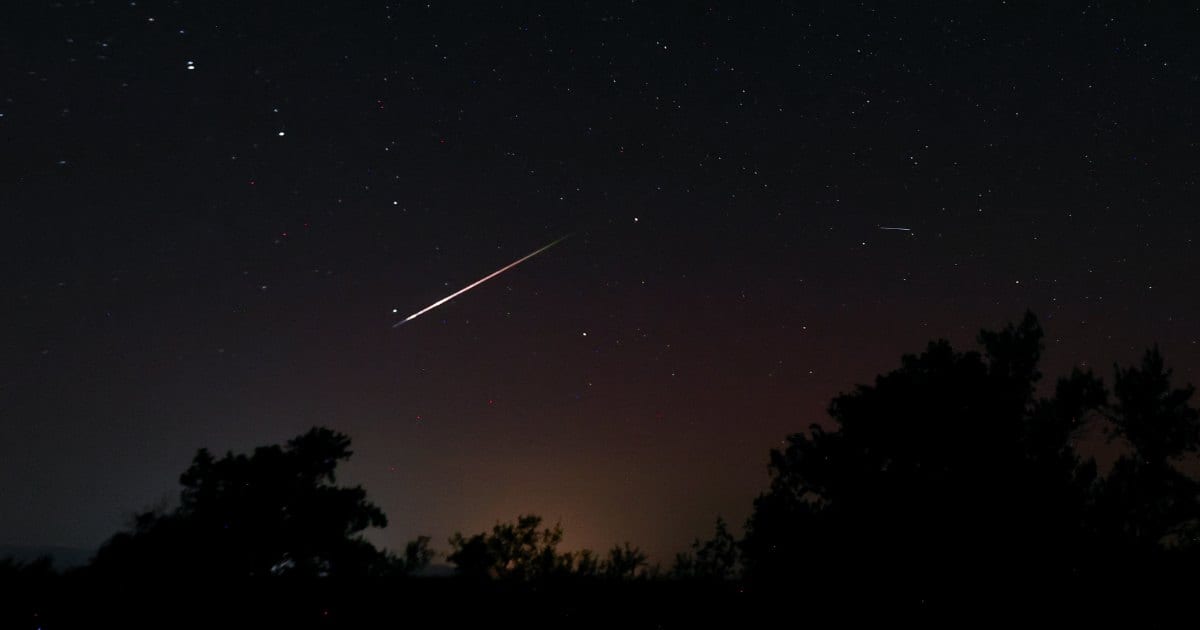
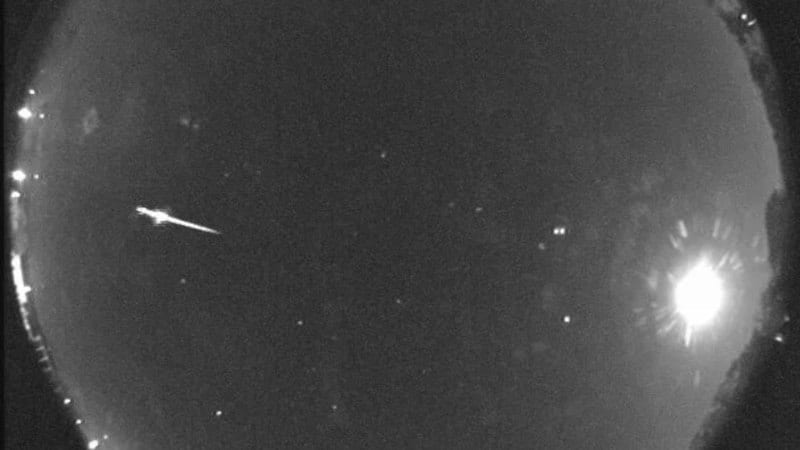
A swarm of fireballs is heading our way as the Southern Taurids meteor shower is about to peak this week. According to the American Meteor Society, the shower will reach its peak on the intervening night of November 4-5. While this won’t be as overwhelming as the Perseids or the Geminids, viewers might spot a few bright fireballs. The Southern Taurids are considered slow-moving meteors (17 miles per second) with an average of five meteors per hour under ideal conditions. However, their overlapping with the Northern Taurids increases the chances of spotting bright streaks in the night sky. The Taurids have two components—the annual one which peaks on October 14 and the fireball-swarm component which will occur this week. They overlap with the Northern Taurids, which are active from October 20 to December 10, and they’re all visible from both the northern and southern hemispheres.
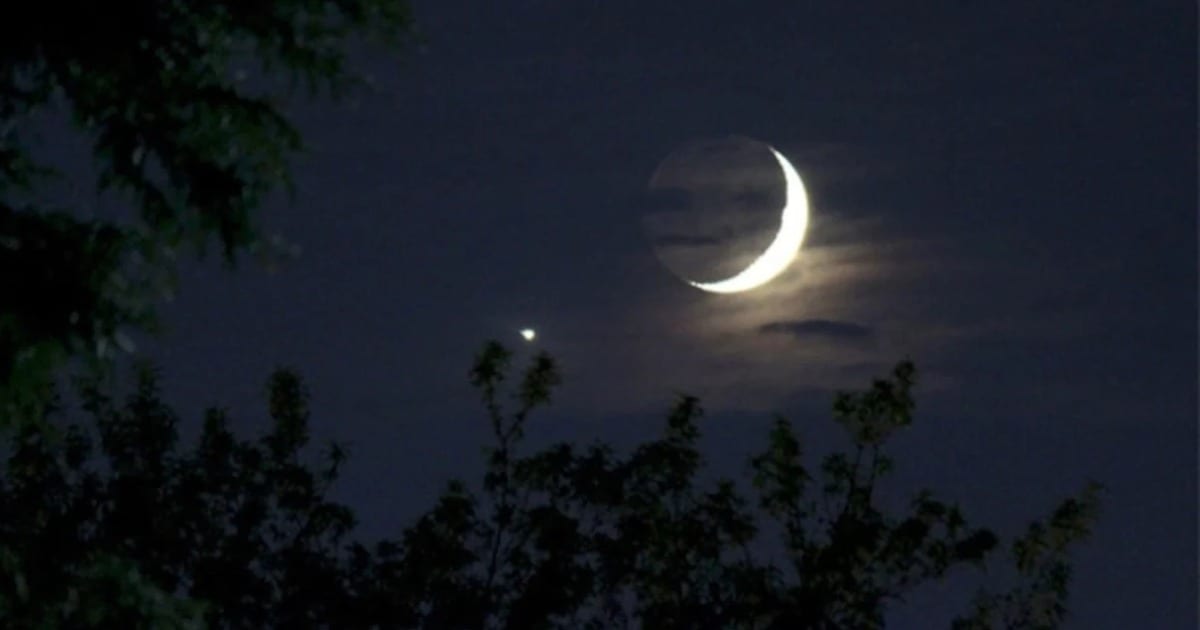
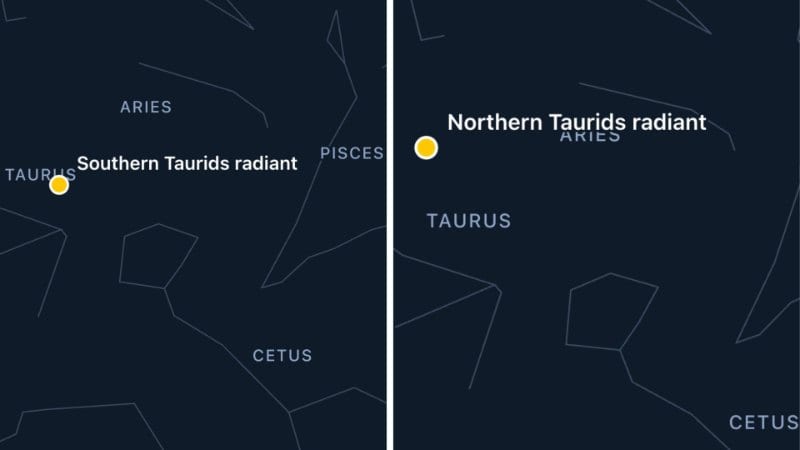
But will the conditions be ideal for viewing the Southern Taurids? The American Meteor Society says that the Moon will be 26 percent illuminated in a waning crescent phase on peak night—it is relatively bright but probably not enough to drown out the bright meteor streaks. The radiant point, or the apparent point of origin, of the Southern Taurids is near the constellation Taurus. Observing the Northern Taurids, on the other hand, would be much easier as the Moon will be just three percent illuminated on the peak night of November 11-12. The viewing area, however, must have clear skies and minimal light pollution for a pleasant experience of both events. The Northern Taurids also bring up to five meteors per hour moving at approximately 18 miles per second, and they also seem to originate from near the Taurus constellation.
The Northern and Southern Taurids both trace their origins back to the comet 2P/Encke. While the Southern Taurids originate directly from the comet, the Northern Taurids spring from the asteroid 2004 TG10, which astronomers believe is a large, fractured fragment of Encke. Comet Encke was discovered by Pierre F. A. Méchain on January 17, 1786, but the comet is named after Johann Franz Encke, who calculated its orbit. The letter P in 2P/Encke signifies that it is a periodic comet that has an orbital period of less than 200 years. It has a diameter of nearly three miles and has the shortest orbital period (just 3.3 years) of any known comet in our solar system.
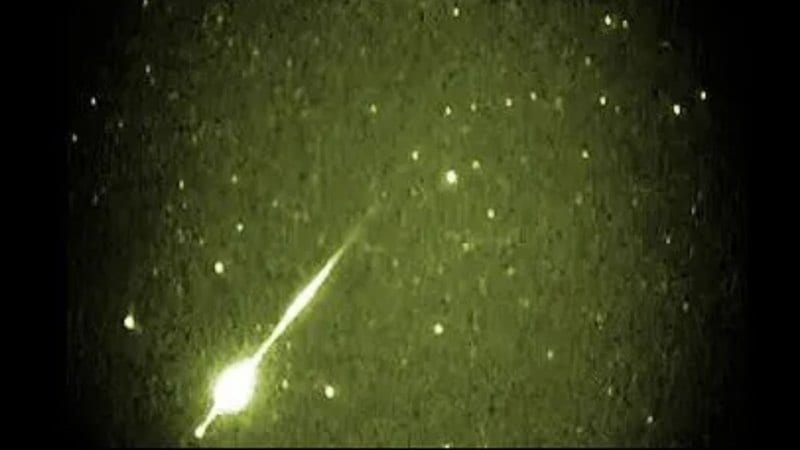
The month of November also brings the Leonids meteor shower, which is active from November 6-30. It will hit its peak on November 16-17 and produce about 15 meteors per hour under ideal conditions. The Moon will be 37 percent illuminated, so it may drown out faint meteors when it’s above the horizon. There have been multiple recorded meteor storms in the years 1833, 1866, 1966, 1999, 2001, and 2002, when Earth passed through a dense cloud of debris left behind by the comet 55P/Tempel-Tuttle—the Leonids’ parent object. Earth won’t encounter another dense debris cloud until 2099, says the American Meteor Society, but we may see more than 100 meteors per hour when it returns in 2031 and 2064. There are several celestial events lined up in the month of November. Check out this month's skywatching guide here.
More on Starlust
Catch Venus shining at its brightest in November: Citywise timings in the U.S. for best views
Full Beaver Supermoon 2026: Best viewing locations in the U.S. for November 24 spectacle