Crescent Moon will meet Venus and the star Spica early in December—viewing tips
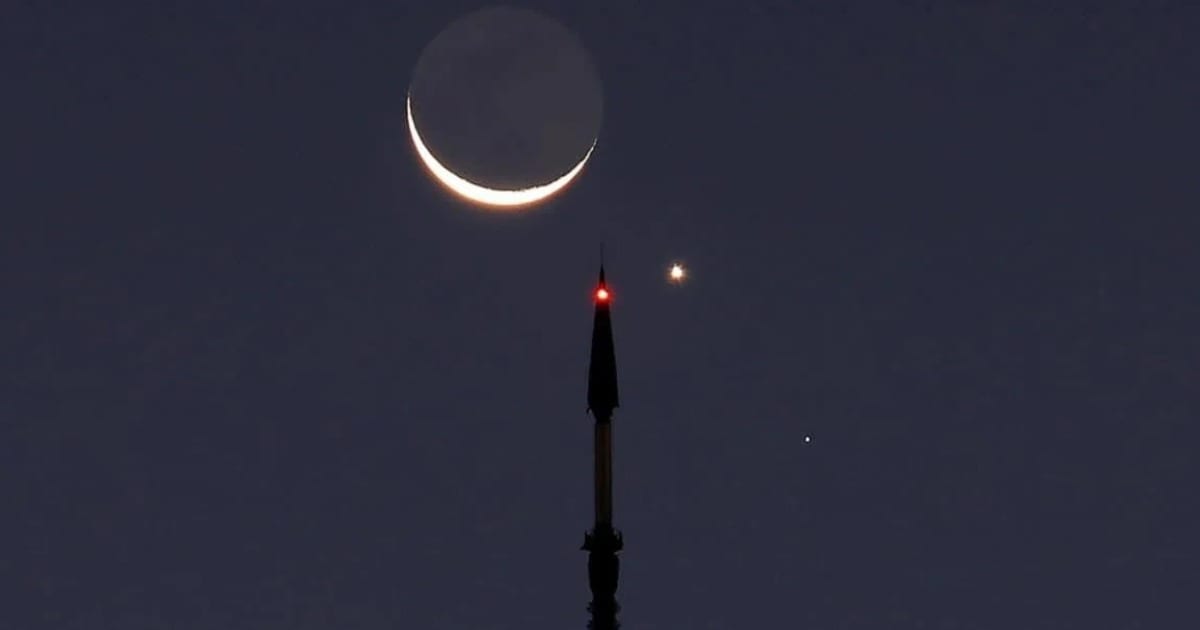
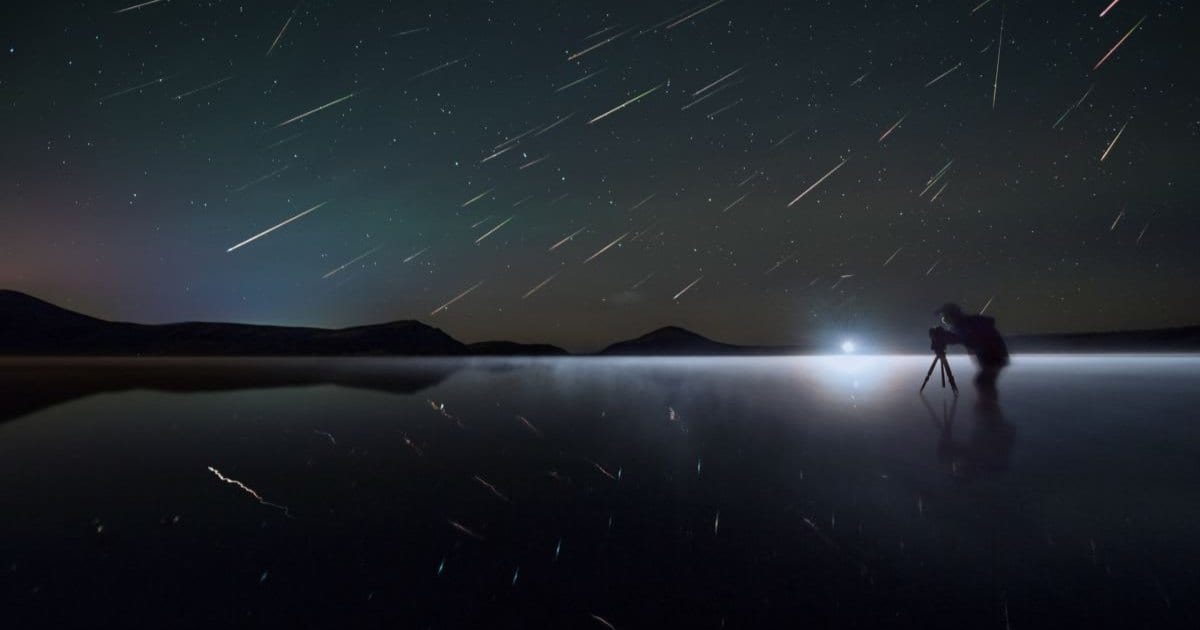
The month of December will be an eventful one for skywatchers, with one of the year's strongest meteor showers, that is, the Geminids, and the final Supermoon of the year—the Cold Moon —gracing the night sky. Although these are definitely the show-stealers, there's also a subtler event around the start of the month that you can look forward to. This would be the meetup between the Moon, Venus, and Spica.
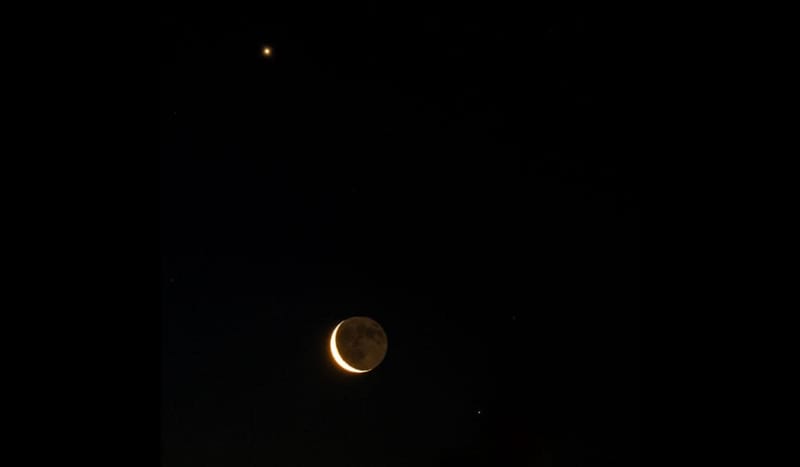
A conjunction occurs when two celestial bodies seem to be near each other in the sky. Though the objects appear adjacent to each other from the Earth's perspective, they are actually separated by millions of miles. At the time of the conjunction, our home planet is aligned with the other two celestial bodies, due to which the objects seem close in the sky.

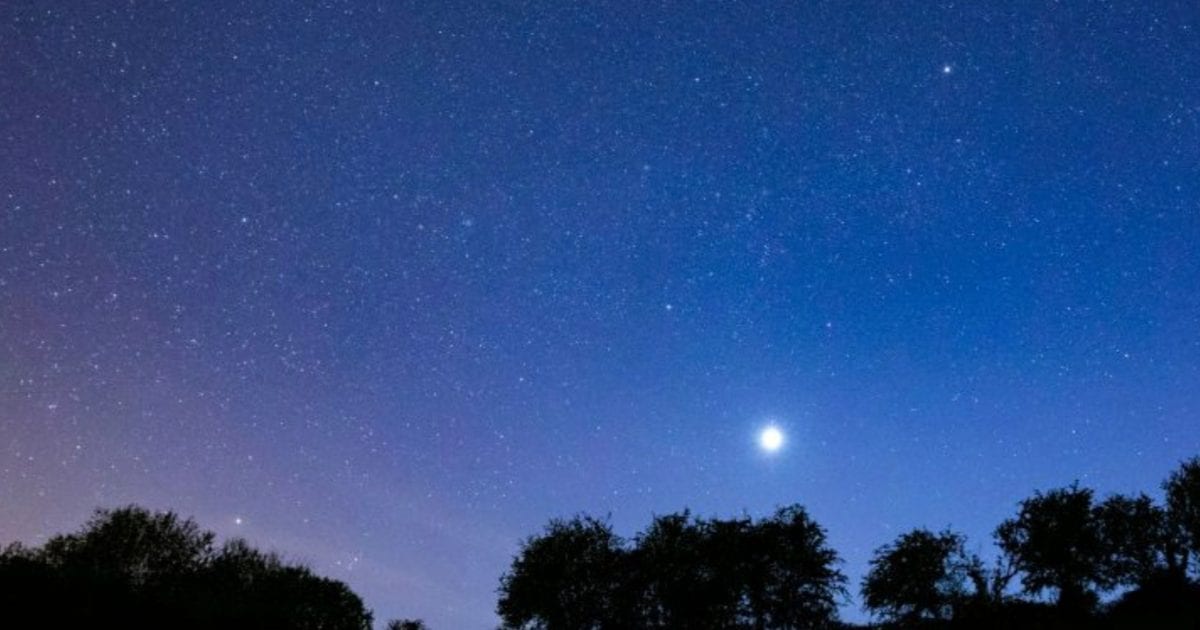
Venus will reach its peak brightness in its 2026-27 morning apparition later today, November 27, at 13:37 EST, according to In-The-Sky. But skywatchers will be able to get prominent views of the planet over the coming weeks as well, as it rises in the southeast sky ahead of the Sun.
When, where, and how to watch the Moon, Venus, and Spica in December
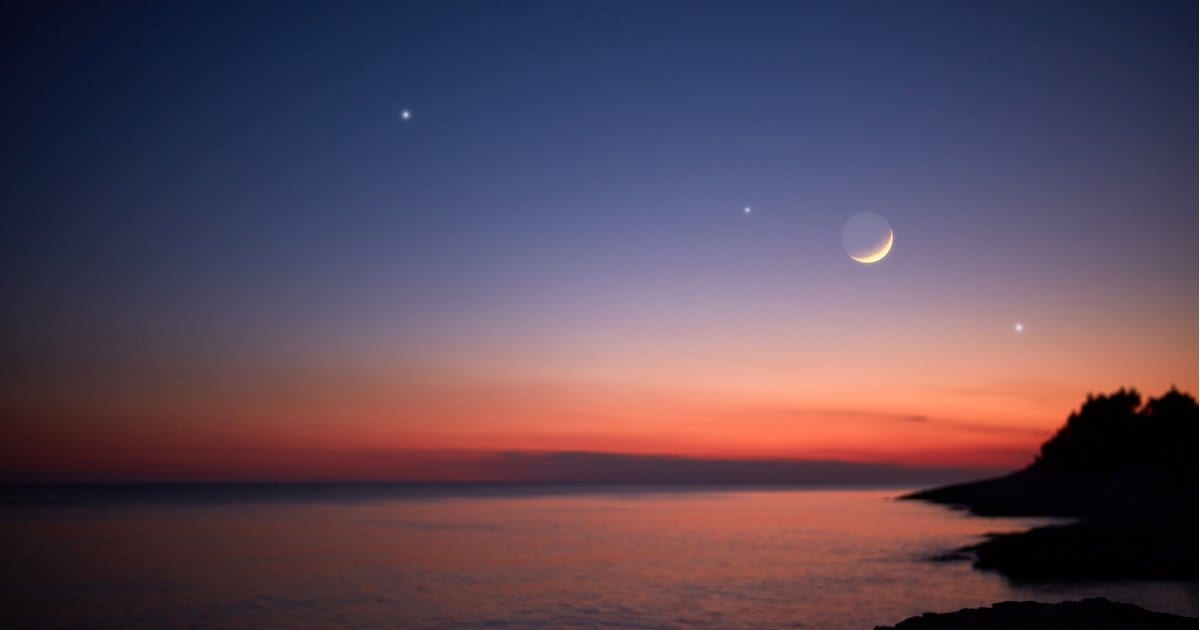
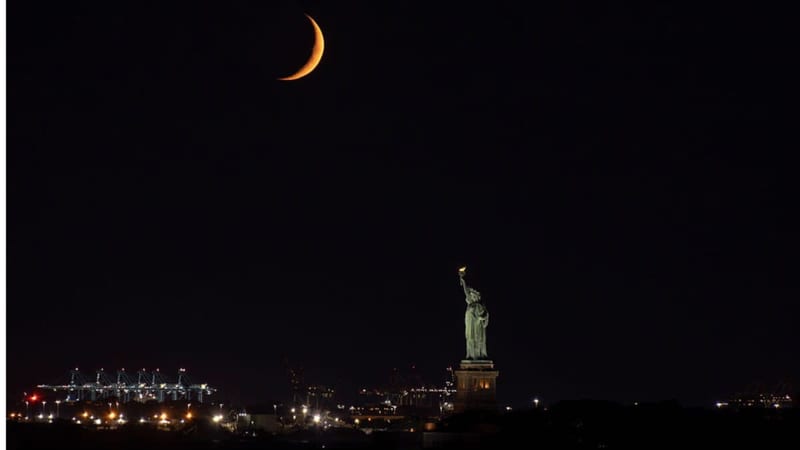
You can start looking for the Moon-Venus-Spica trio on the mornings of December 2 and 3. According to EarthSky, the waning crescent Moon will be on the upper right of Venus and Spica in the southeastern sky on these two days. Spica is a system of two stars, by the way. But the system appears as one bright object because the two stars are separated by a distance of just around 11 million miles. On December 4, the star will shine between Venus and the crescent Moon, which will have ventured closer to each other. The three bodies will form a nearly straight line, making for a photogenic sight. Finally, on December 5, an even thinner crescent Moon will be forming a triangle with Venus and Spica.
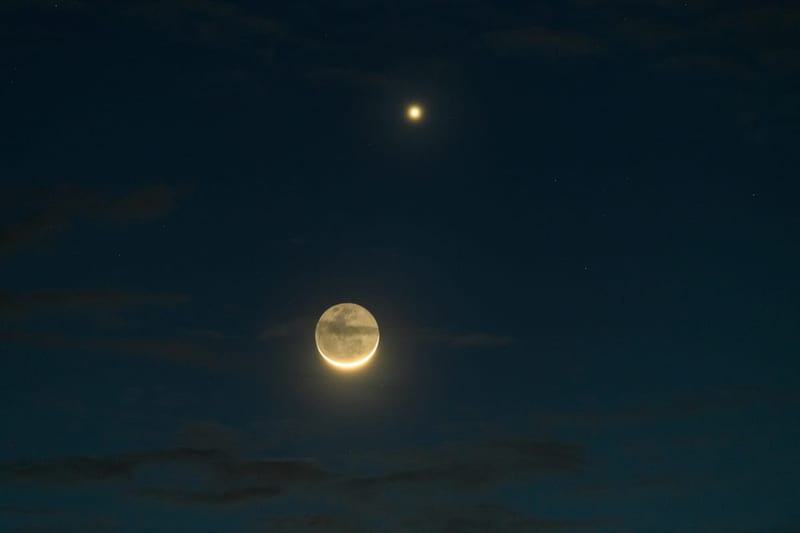
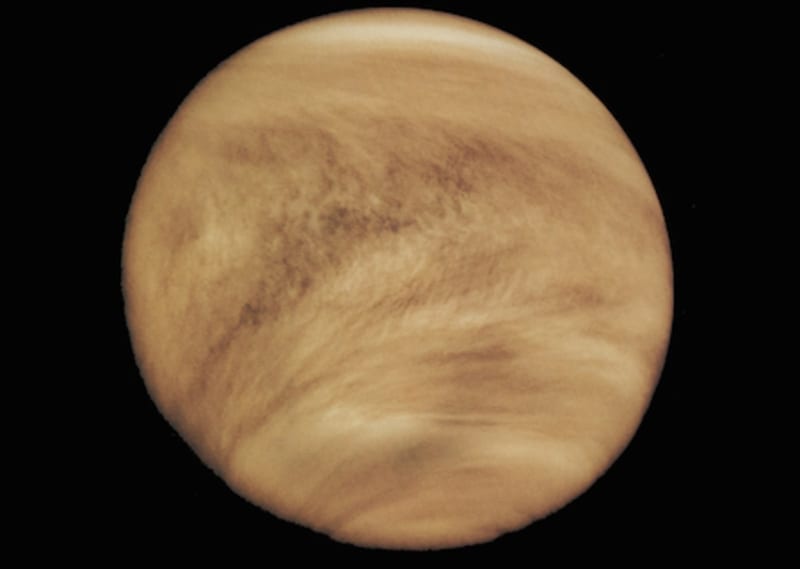
You can easily view Venus along with the Moon-Venus meetup with the unaided eye. Nevertheless, a telescope or binoculars would give you a more intricate view, where you can observe the planet's crescent phase. Take care not to observe the Sun in the morning sky while viewing through a telescope or binoculars, as it can harm your vision.
Other planets visible in the morning sky early next month will be Jupiter and Mars, with the bright star Regulus lurking nearby. Look for the trio high up in the southeastern sky before dawn on December 1.
More on Starlust
A close encounter between the Moon and Mars awaits skywatchers on November 30