International Moon Day: Neil Armstrong to Harrison Schmitt, 12 astronauts who walked on the Moon
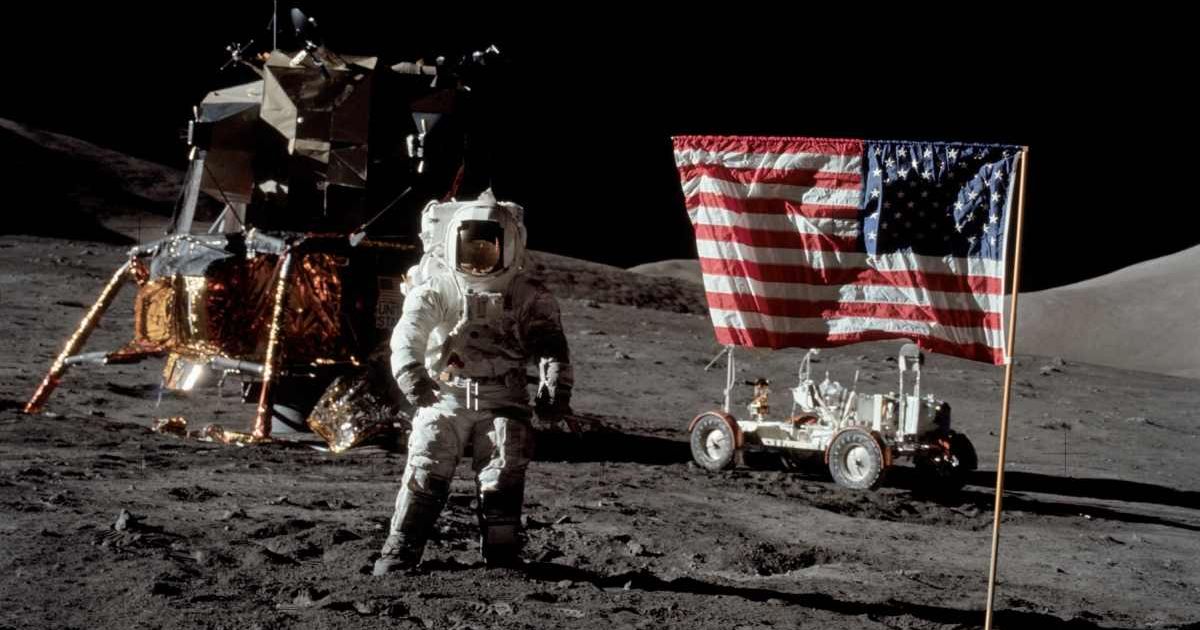
Despite being our closest celestial neighbor, the Moon, located roughly 240,000 miles away, has been out of our reach for millennia, with a journey to the natural satellite seeming all but impossible even a century back. However, thanks to the best of humanity's efforts in the 1960s and early '70s, space agencies like NASA pushed the envelope, eventually putting humans on the Moon. Ever since then, the Moon has been regarded both as a scientific treasure trove and a destination for the demonstration of spaceflight advancements.
Although decades have passed since humanity's first Moon landing, so far, only 12 people have left their footprints in the lunar dust. Between 1969 and 1972, NASA's Apollo program successfully landed six crewed missions on the lunar surface, marking the first human presence on a celestial object beyond our home planet. That feat is yet to be repeated, and on the occasion of International Moon Day 2026, following is the exclusive roster of the astronauts who completed this extraordinary achievement, in order.
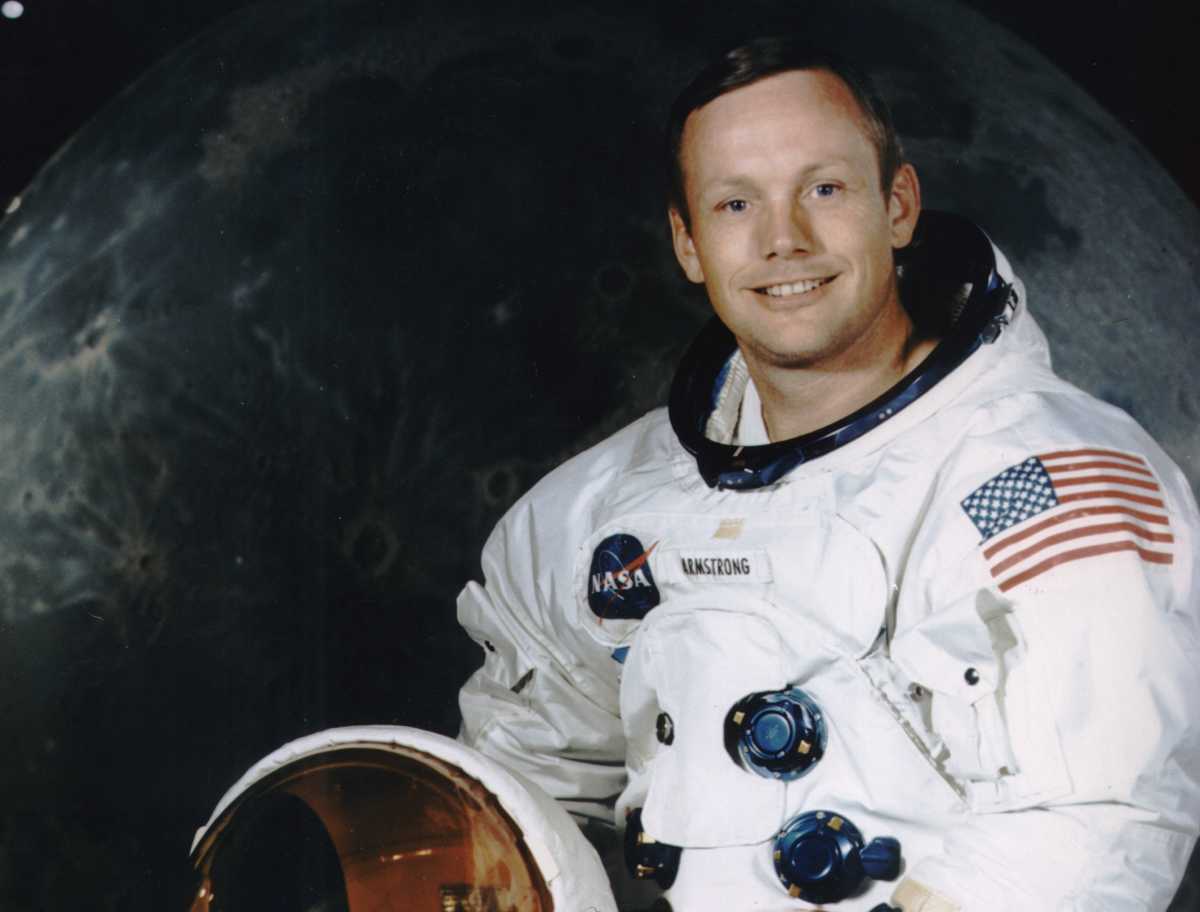
Neil Armstrong (Apollo 11)
Perhaps the most associated with the words 'Moon landing', Neil Armstrong served as the Commander of the Apollo 11 mission and on July 20, 1969, became the first human to step foot on another celestial body besides our own. On the lunar surface, Armstrong spent nearly two-and-a-half hours outside the spacecraft and delivered the famous "That's one small step for [a] man, one giant leap for mankind" speech, marking a new era in space exploration.
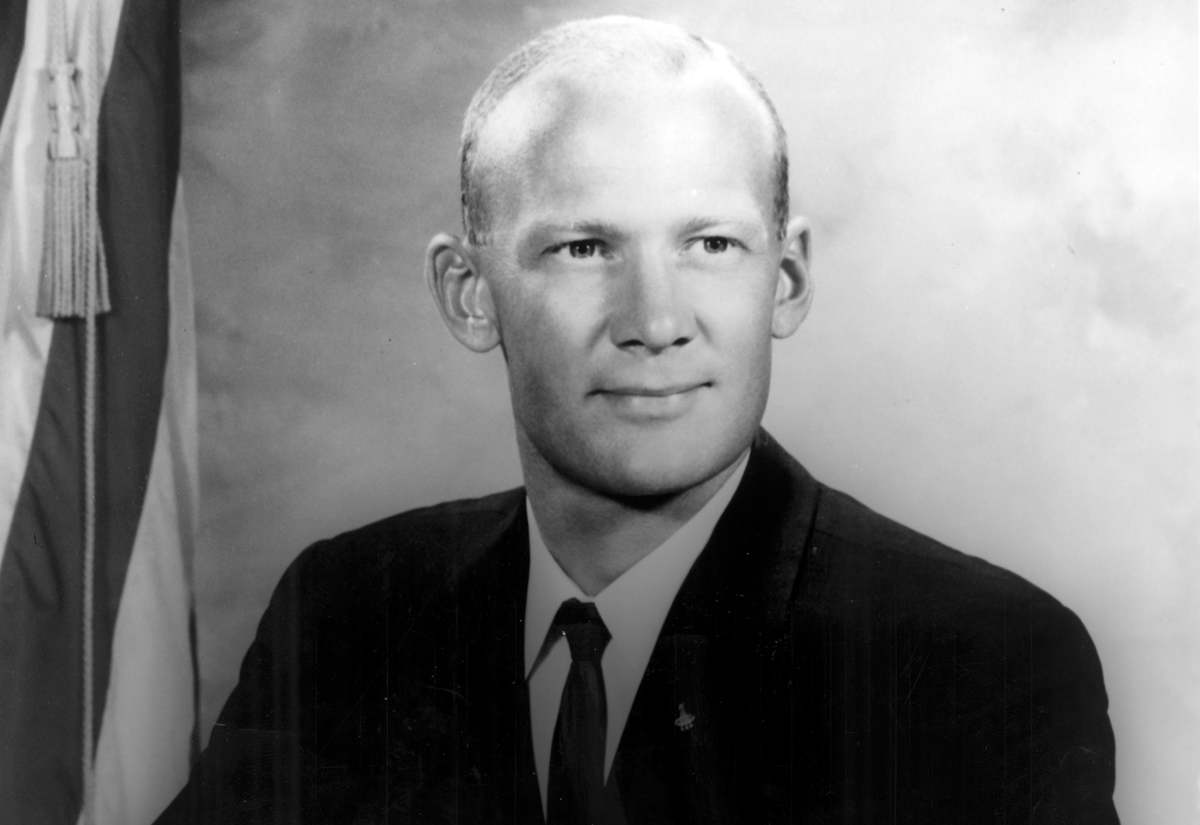
Edwin E. 'Buzz' Aldrin (Apollo 11)
Edwin 'Buzz' Aldrin was the Lunar Module Pilot for the Apollo 11 mission and accompanied Armstrong down to the lunar surface, becoming the second person to set foot on the Moon. He deployed the first scientific experiments at the historic landing site, known as Tranquility Base, and tested mobility in the low-gravity environment.
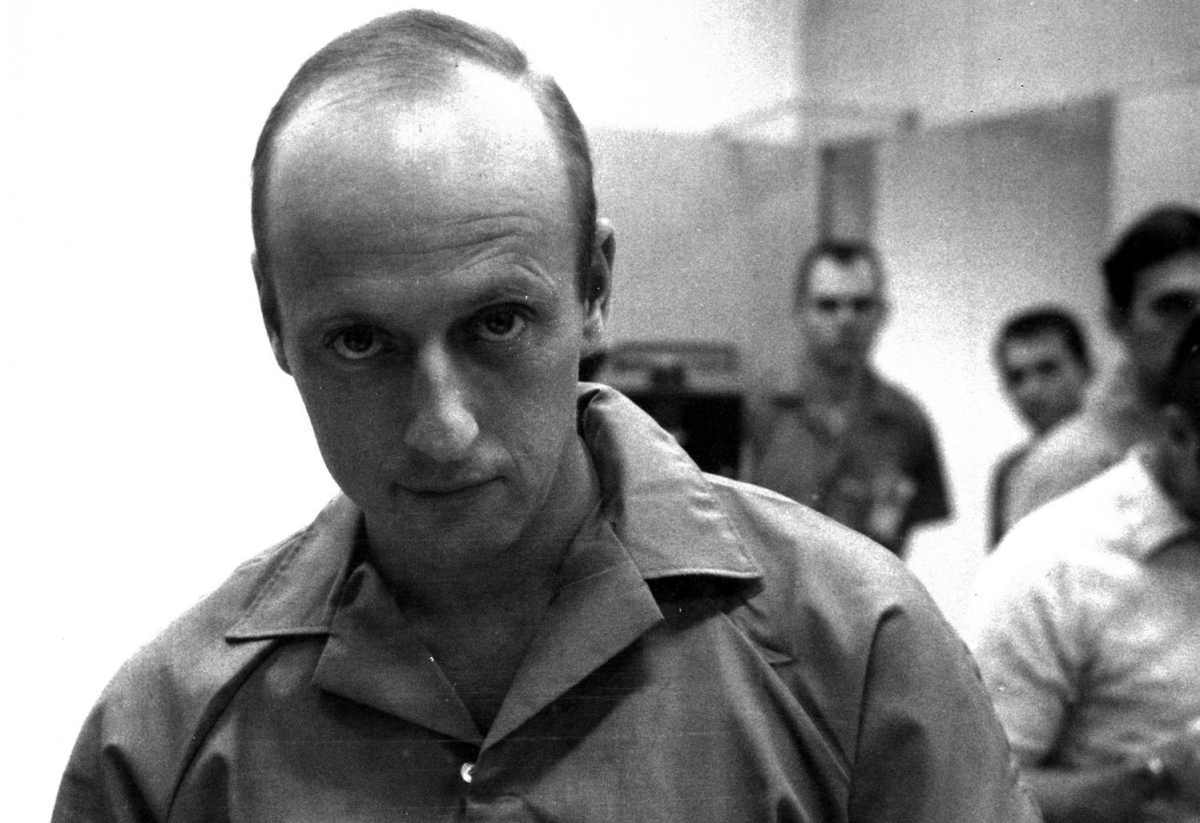
Charles 'Pete' Conrad Jr., (Apollo 12)
The second Moon landing mission in November 1969 was commanded by Pete Conrad. During Apollo 12, Conrad successfully demonstrated a pinpoint landing by bringing the Lunar Module to within walking distance of the robotic Surveyor 3 spacecraft. As the third human on the Moon, Conrad referenced Armstrong's comments from earlier and famously quipped, "Whoopie! Man, that may have been a small one for Neil, but that's a long one for me."
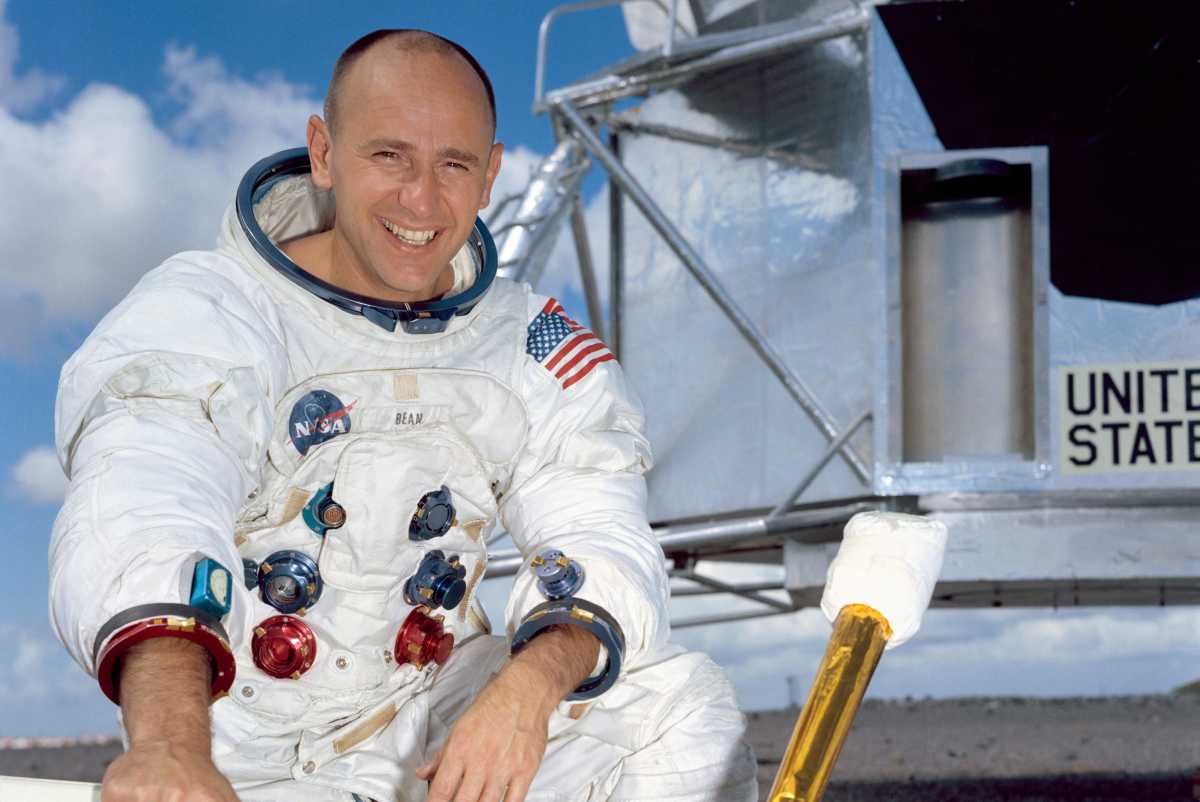
Alan Bean (Apollo 12)
Serving as the Lunar Module Pilot for the Apollo 12 mission, Alan Bean explored the vast plains of the Ocean of Storms or Oceanus Procellarum alongside Conrad, conducting two different moonwalks to deploy surface experiments and retrieve parts from Surveyor 3.
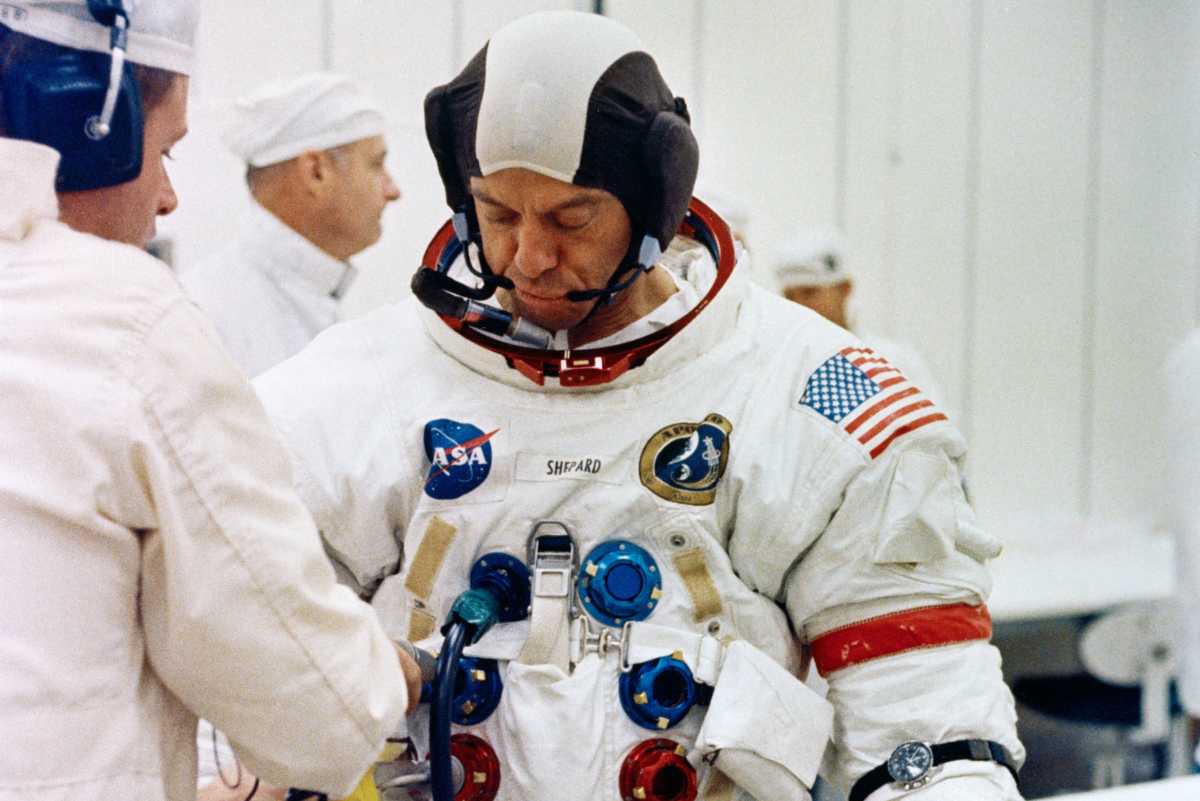
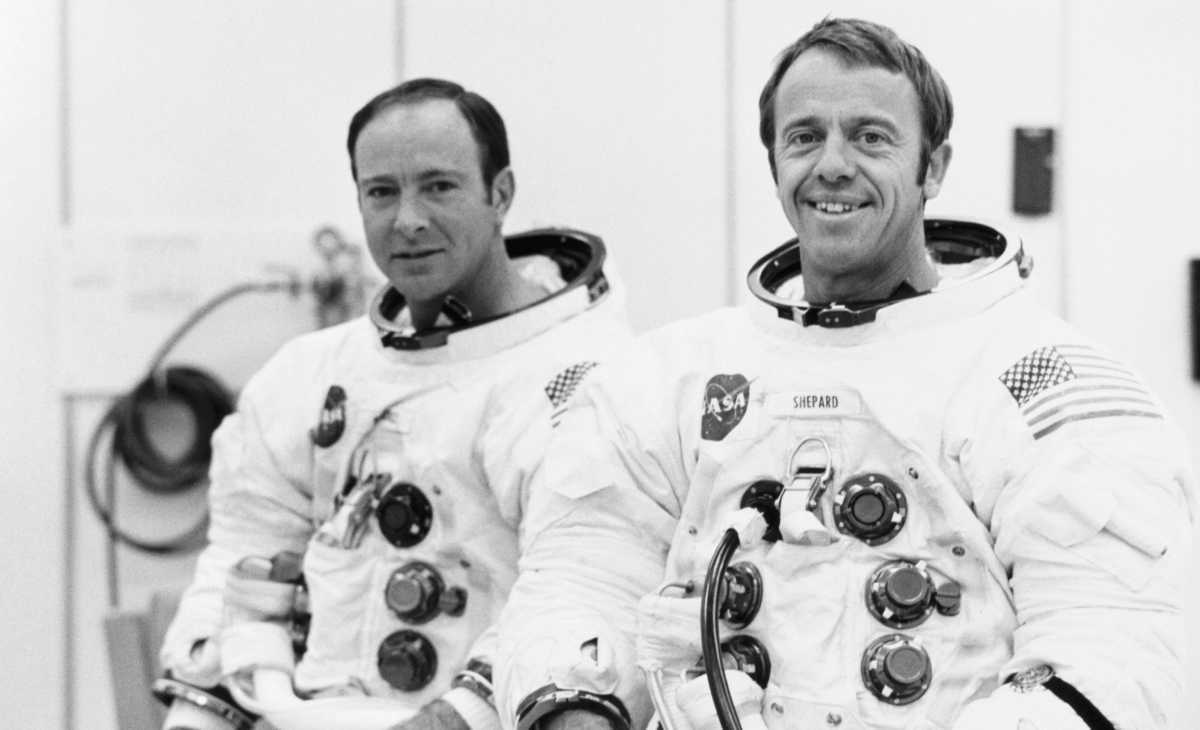
Alan B. Shepard Jr. (Apollo 14)
Part of the third successful crewed mission to the lunar surface, Alan Shepard walked on the Moon in February 1971. The Apollo 14 Commander had to overcome an inner ear issue that had grounded him for years. Shepard was also part of the ‘Mercury 7’—the first astronauts ever selected by NASA—as well as the first American to go to space.
Edgar D. Mitchell (Apollo 14)
The Lunar Module Pilot of the Apollo 14 mission who explored the rugged Fra Mauro highlands with Shepard. Mitchell logged over nine hours of surface exploration of the lunar terrain across two EVAs (extravehicular activities).
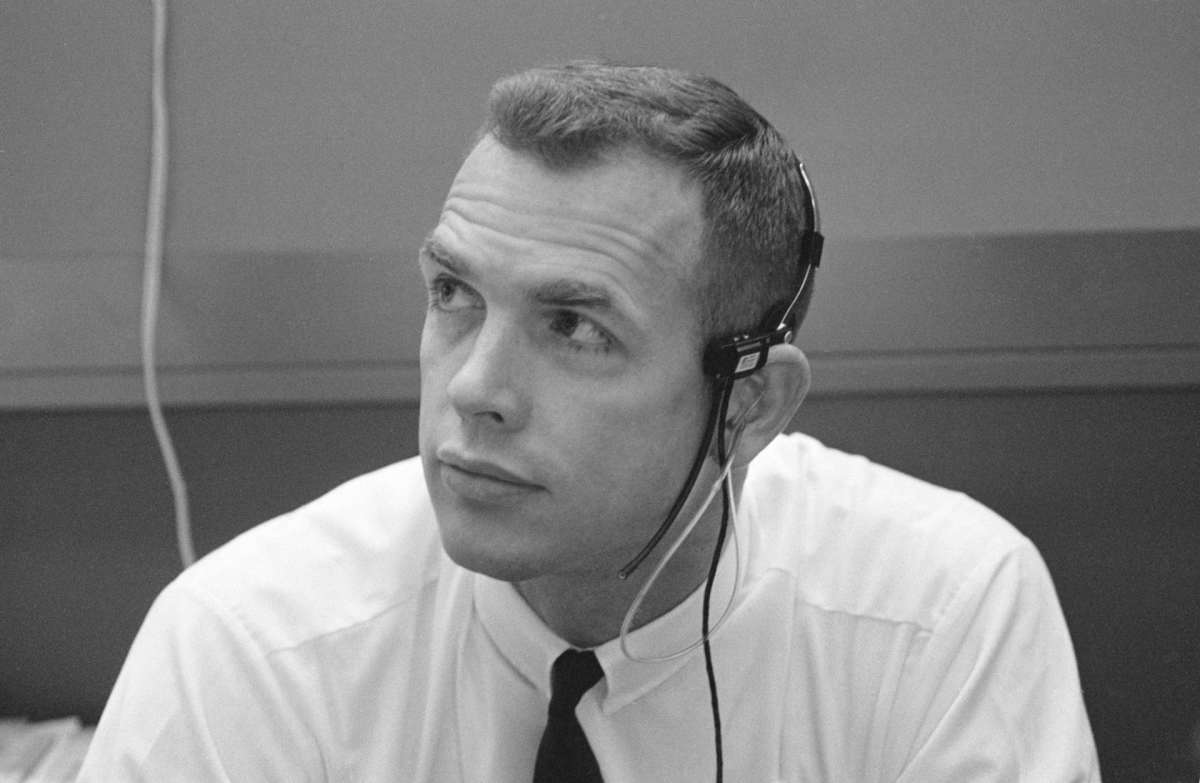
David Scott (Apollo 15)
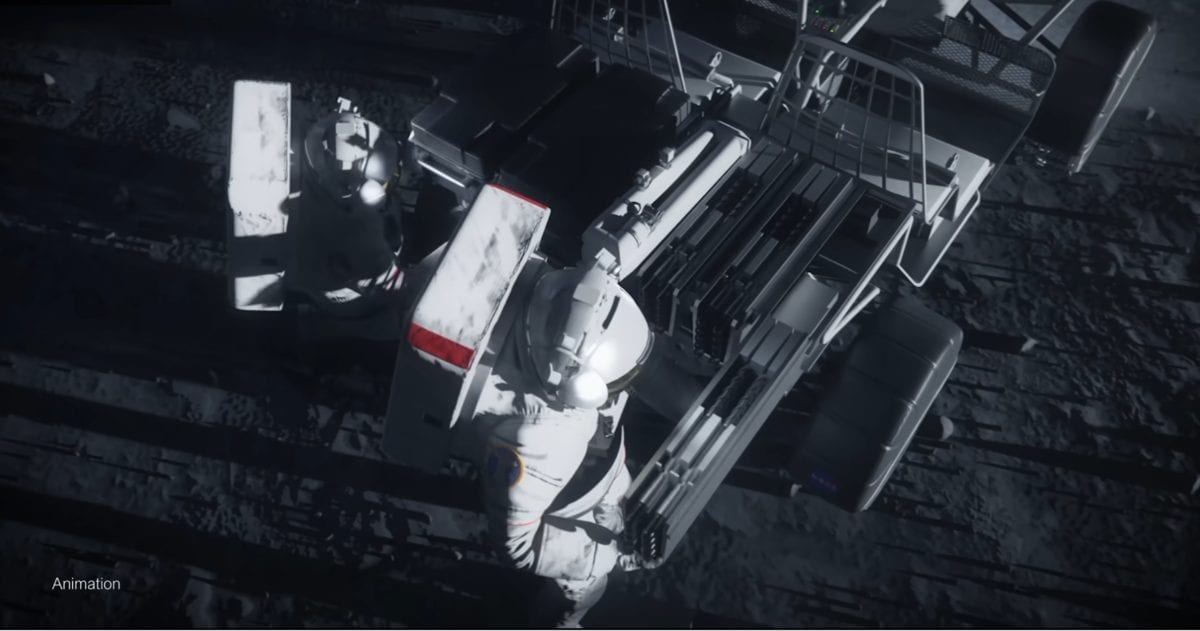
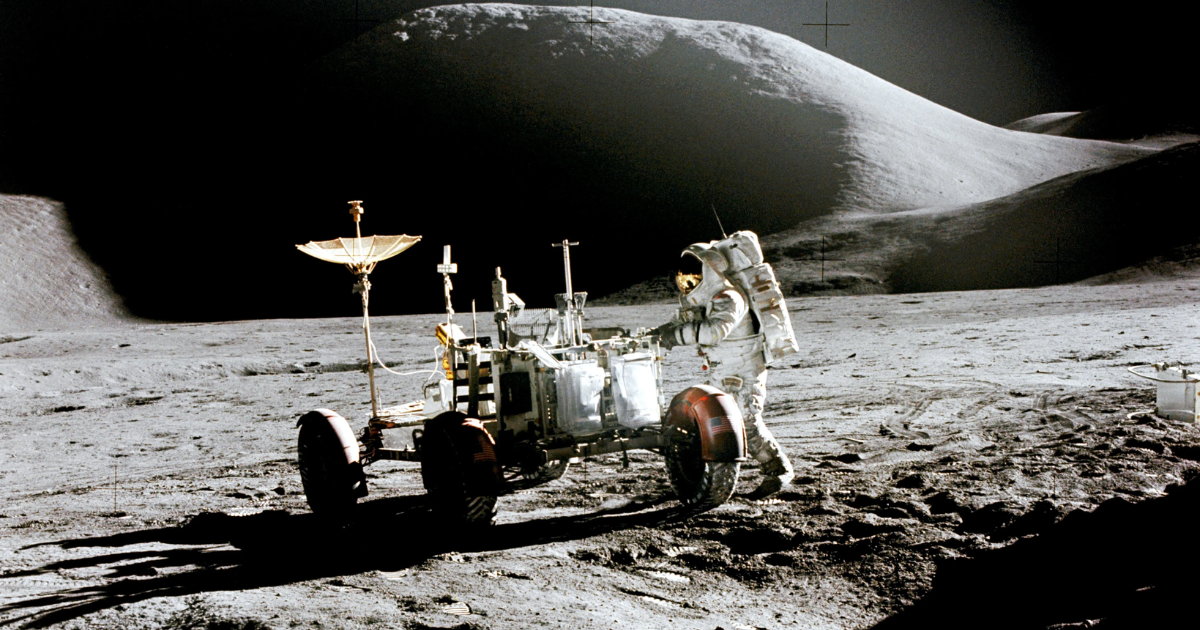
Commander of the first J-series mission of the Apollo program designed for extended stays on the Moon, David Scott holds the distinction of being the very first person to drive a vehicle (the Lunar Roving Vehicle) on the lunar surface.
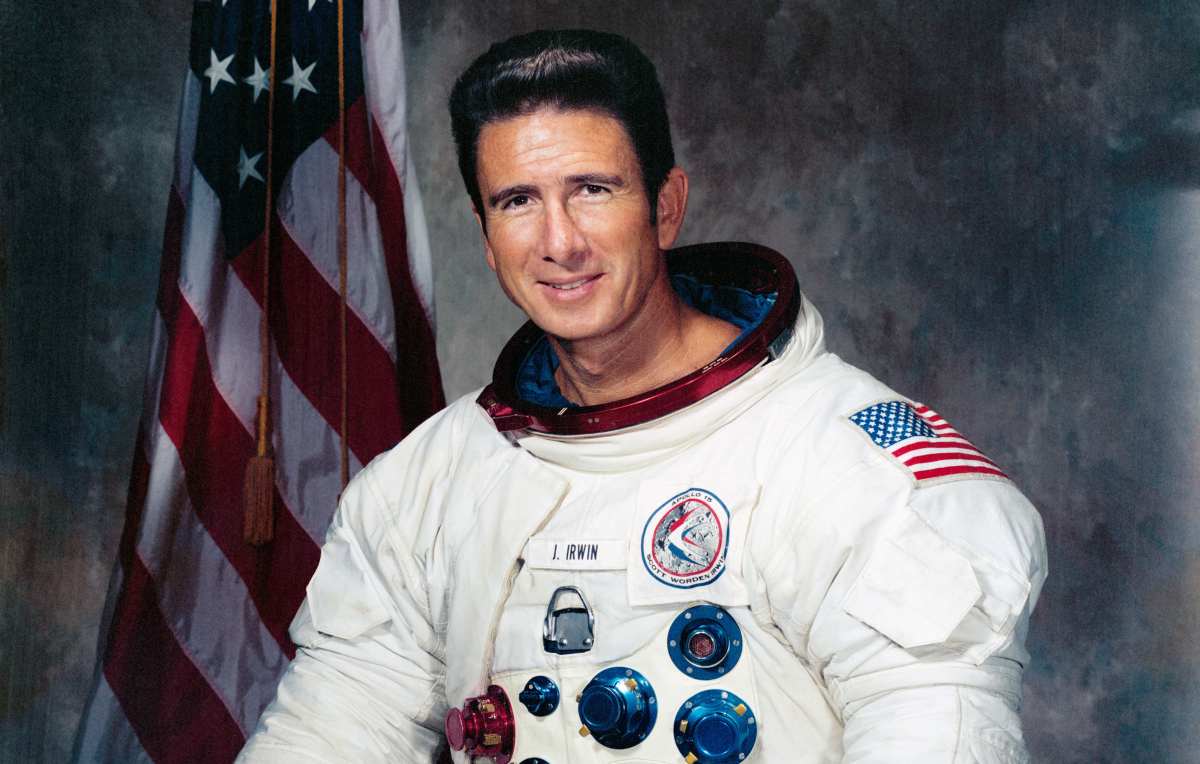
James Irwin (Apollo 15)
Serving as the Lunar Module Pilot, James Irwin spent over 18 hours exploring the Hadley-Apennine region. During Apollo 15, Irwin helped collect geological samples, including the scientifically significant, fist-sized ‘Genesis Rock’.
John Young (Apollo 16)
One of NASA’s most experienced astronauts, John Young's career spanned Gemini, Apollo, and the first-ever Space Shuttle mission. Young commanded Apollo 16 to the Descartes Highlands in April 1972.
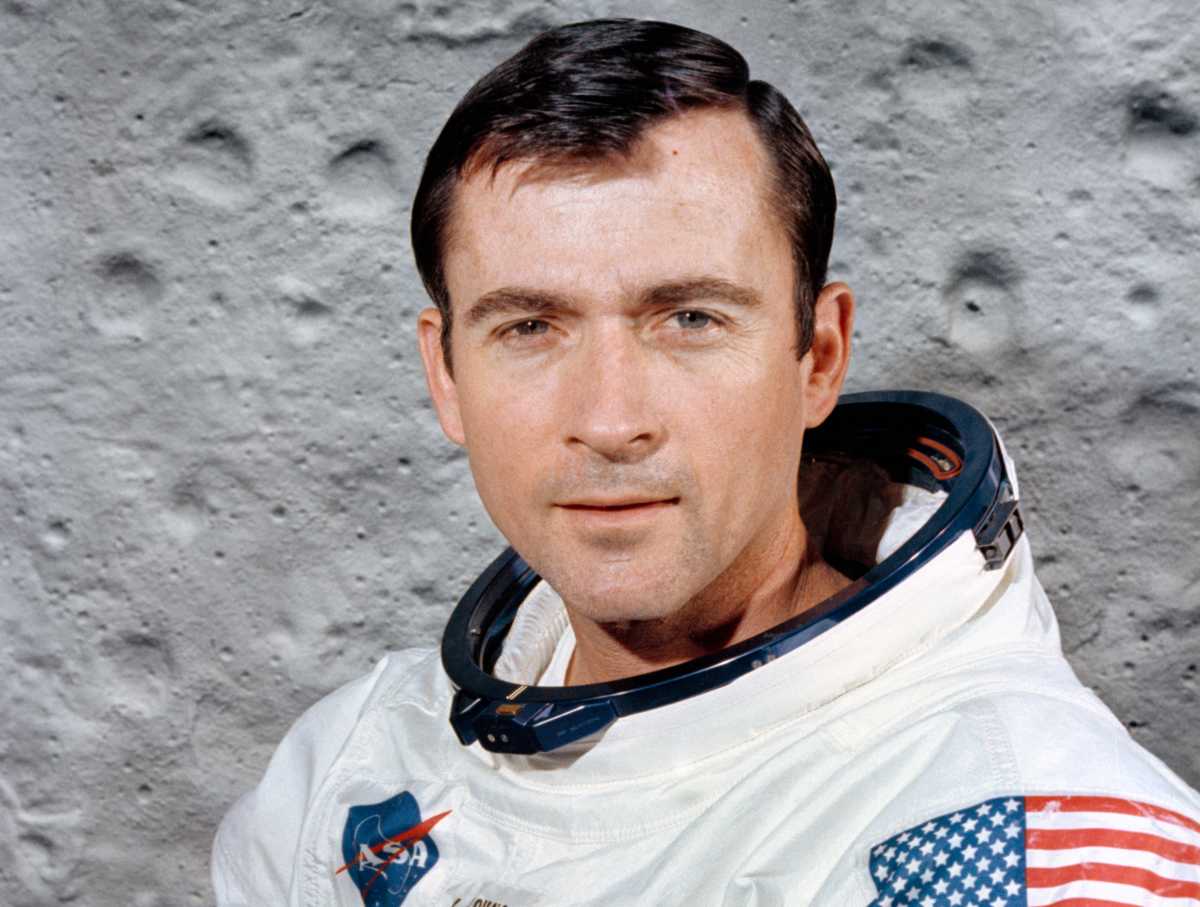
Charles Moss Duke Jr. (Apollo 16)
Apollo 16’s Lunar Module Pilot Charles Duke remains the youngest person to set foot on the Moon. His achievement came at the age of 36 years and 201 days. He was also the capsule communicator (CapCom) for Apollo 11.
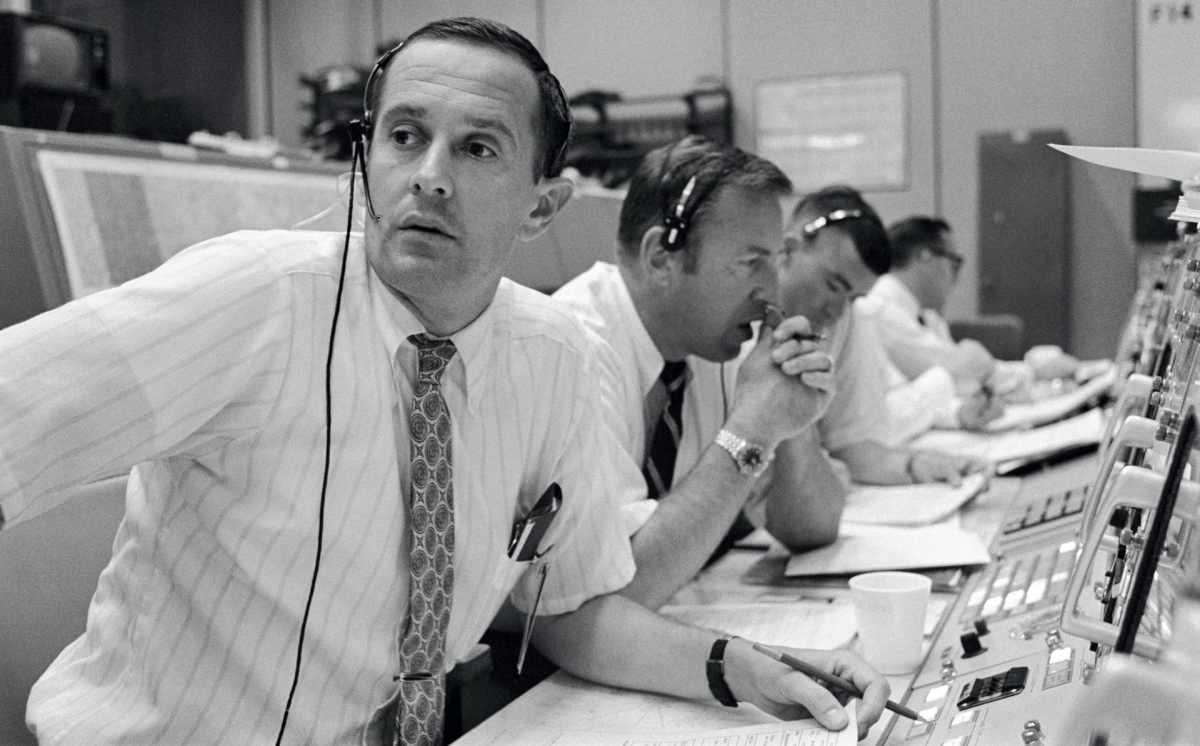
Eugene Cernan (Apollo 17)
The Commander of the final Apollo mission in December 1972 was fondly known simply as ‘Gene’. As he made his way up the lunar module’s ladder, he became—and remains—the last human to have stood on the Moon.
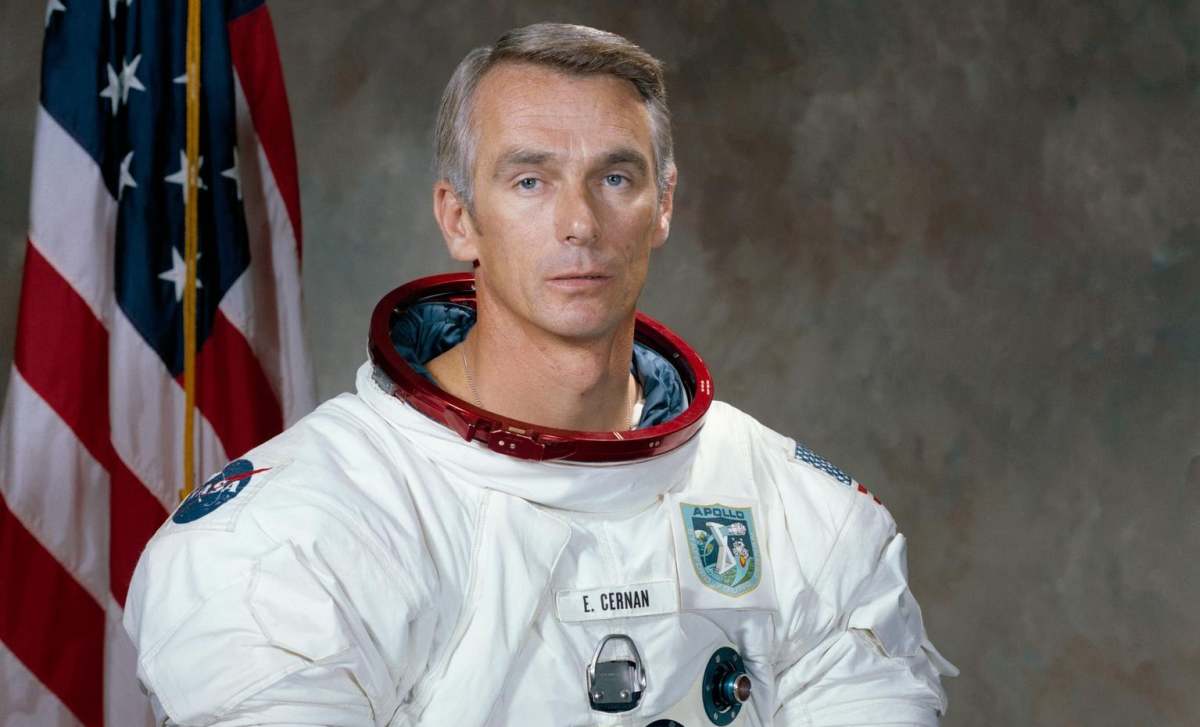
Harrison Schmitt (Apollo 17)
A professional geologist recruited into NASA’s astronaut corps, Harrison Schmitt was the Lunar Module Pilot for Apollo 17. During the mission, Schmitt used his field training to discover orange-colored volcanic soil in the Taurus-Littrow valley.
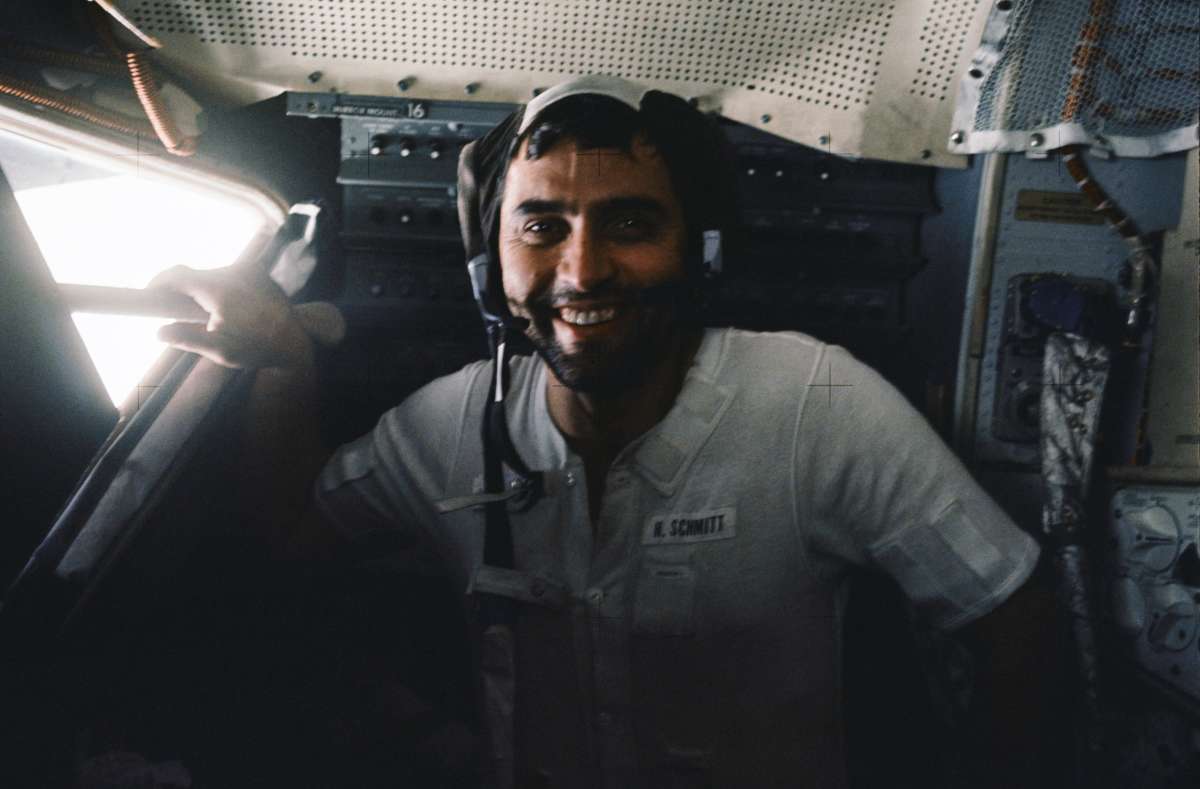
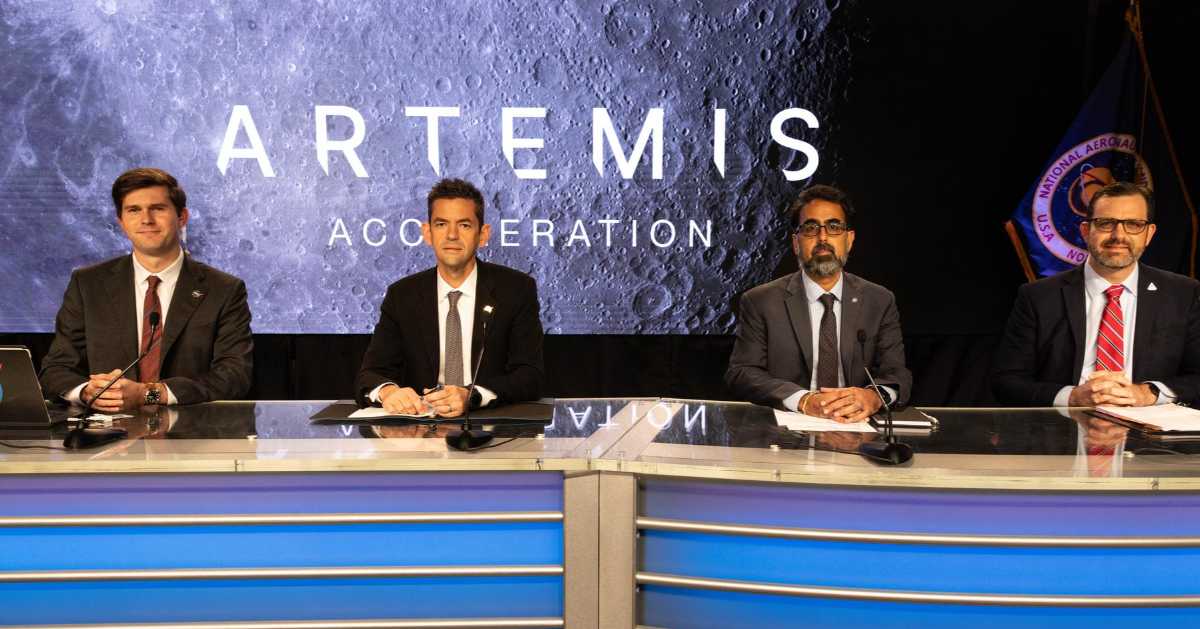
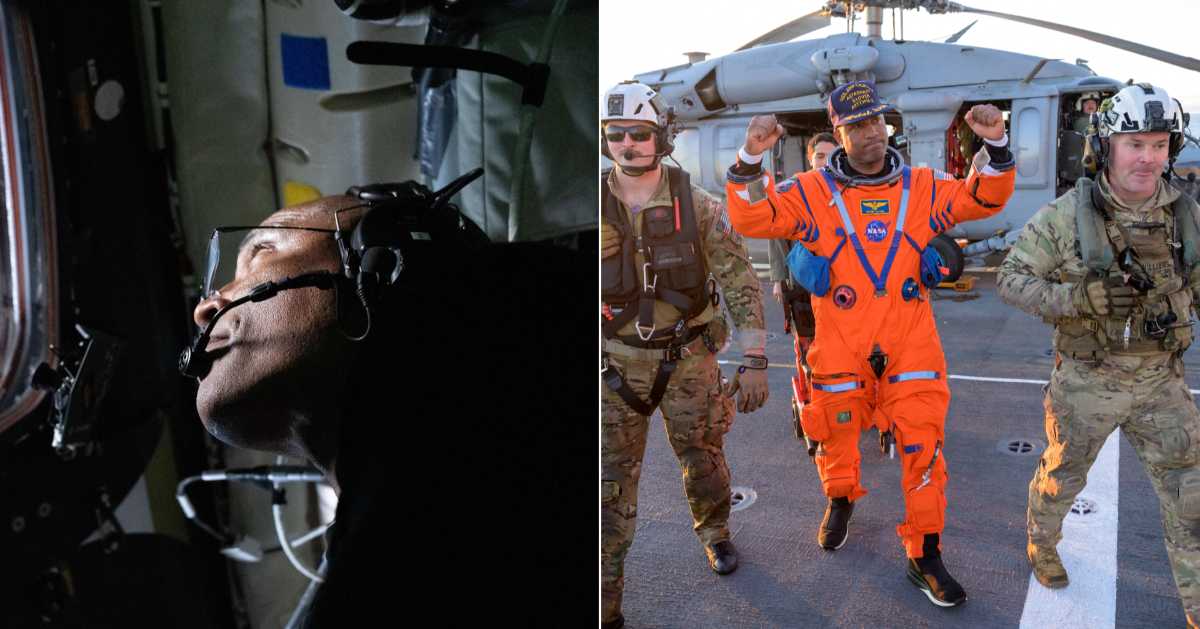
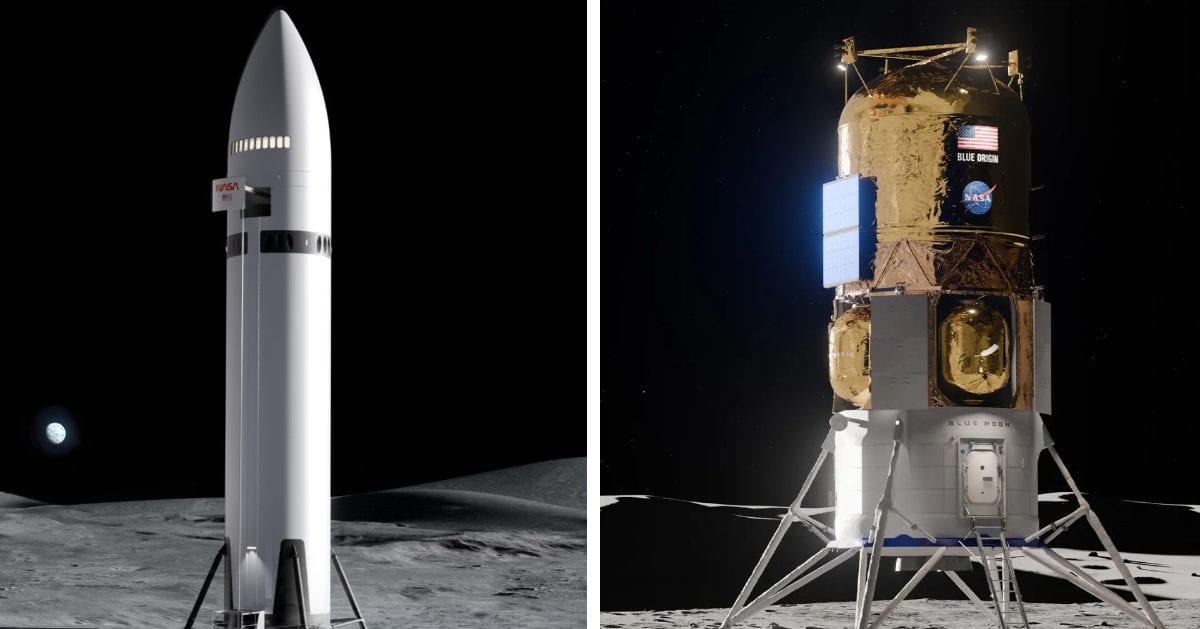
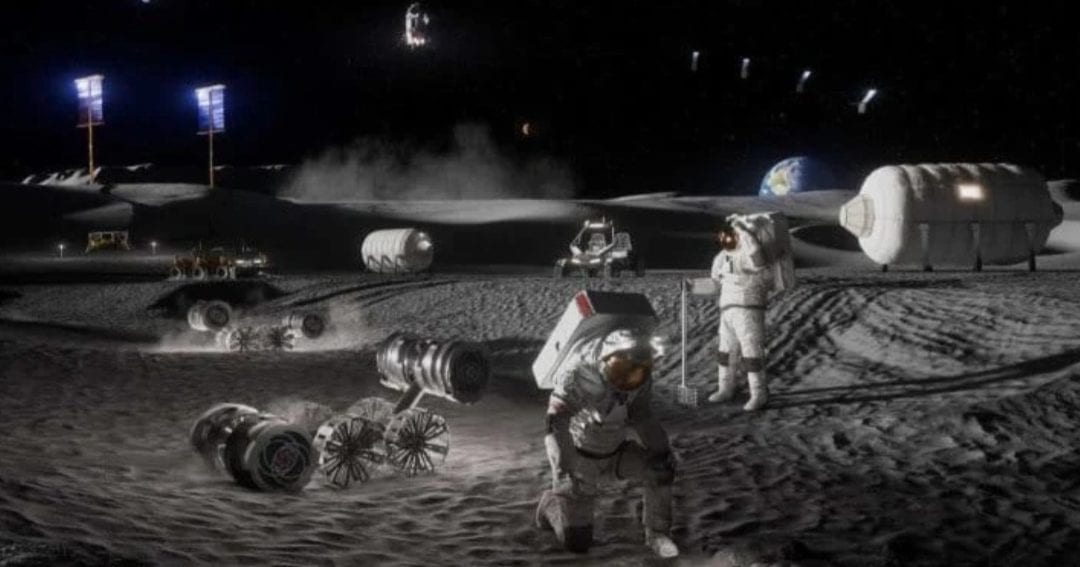
While this list has stood at twelve names for over half a century, a new chapter of lunar exploration is currently being written with the Artemis program. NASA is systematically building towards establishing a Moon Base, while planning to have the next set of humans reach Earth’s natural satellite in 2028 with the missions Artemis IV and V. At the same time, the China Manned Space Agency is working towards a sustained lunar presence as well. Both of these agencies, as well as their industry partners, have earmarked the lunar south polar region as their respective targets. This means that, with the technological advancements of the last 50 years and much longer-term objectives, the aforementioned list is certain to grow.
More on Starlust:
The space race then and now: From the erstwhile US-Soviet rivalry to the current China factor
Can NASA restrict China's access around its Moon Base? Here's what space law says