International Moon Day: A look back at humanity's most significant lunar missions
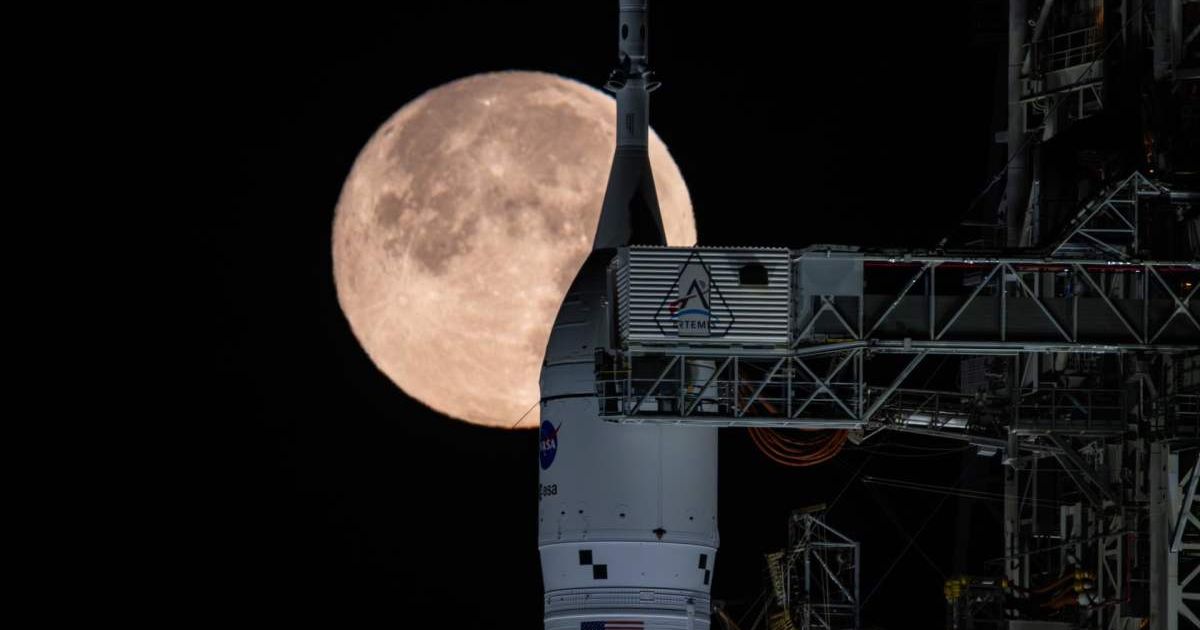
For billions of years, the Moon has been Earth’s constant companion, inspiring myths, calendars, and curiosity. However, in just over six decades, humans have transformed it into a destination that may eventually host colonies and become our second home. On July 20, 1969—a day which is now celebrated as International Moon Day—humans walked on the lunar surface, forever changing human spaceflight and turning the dream of on-ground exploration of another world into a reality.
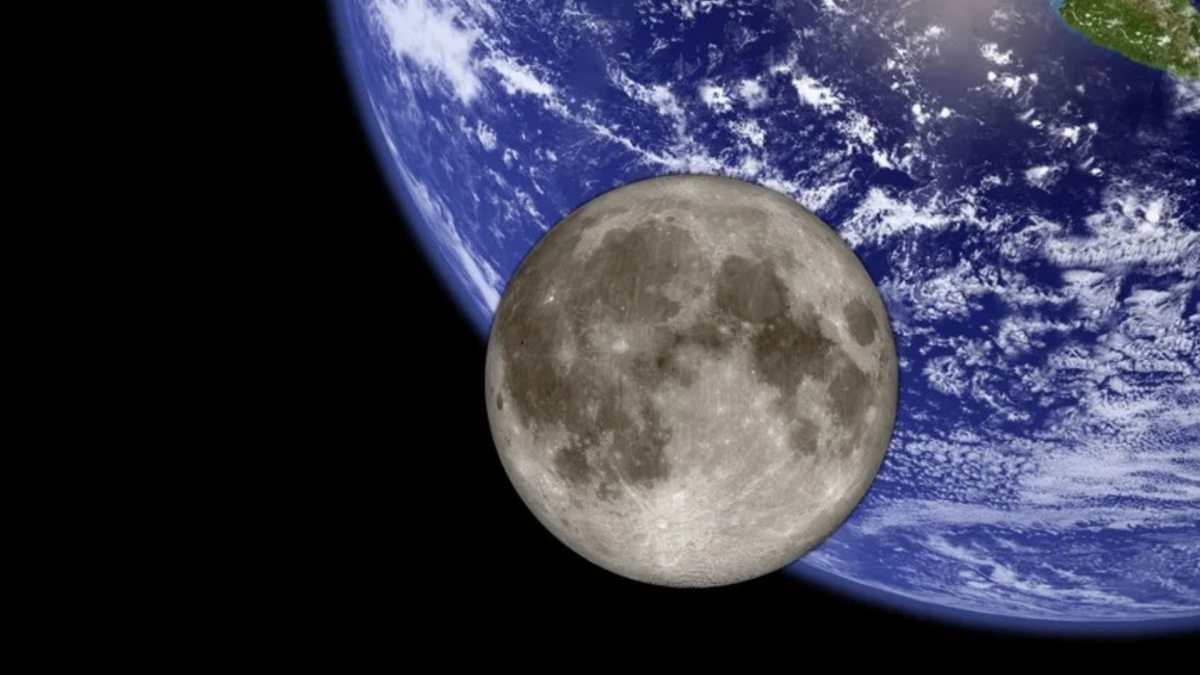
Fast forward to 2026: more than 150 missions have been launched to our celestial neighbour to date. While only a handful of them were productive, they have greatly improved our understanding of the Moon and instilled confidence in scientists that this barren land can one day be conquered.
First contact
The Moon became a target for exploration for the U.S. and the Union of Soviet Socialist Republics (USSR) at a time when the two superpowers were competing for dominance on Earth, as well as in space. That era saw the USSR launch the first man, woman, satellite, and even a mammal (the dog Laika) into Earth orbit—and eventually, they became the first to make contact with the Moon. In September 1959, after the success of Sputnik, the Soviets turned their attention to the Moon and launched the Luna 2 spacecraft, which deliberately crashed into the lunar surface—becoming the first human-made object to reach another celestial body.
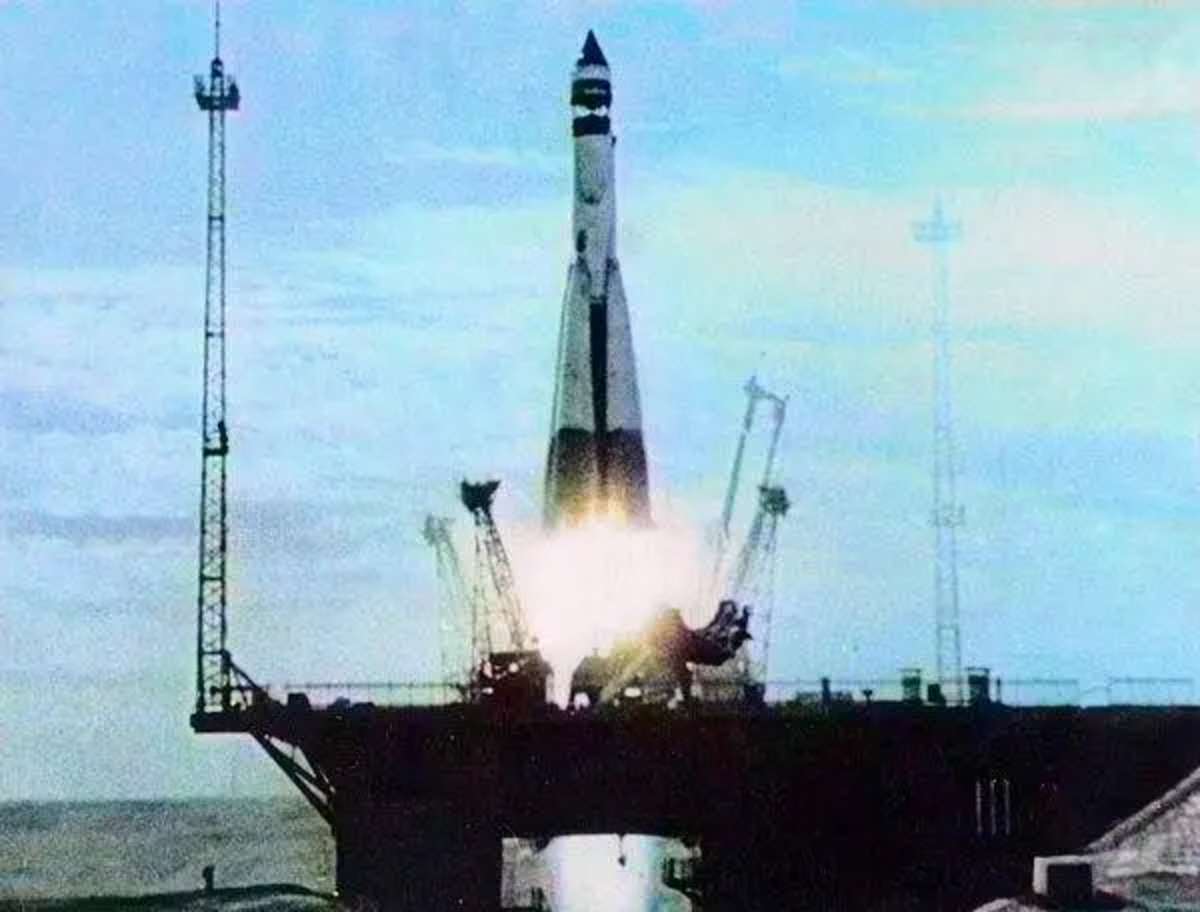
The mission, which gave the USSR an edge over the Americans, proved that humanity could navigate nearly 400,000 km (248,548 miles) of space with remarkable precision. According to NASA, the spacecraft’s instruments detected no magnetic field or radiation belts around the Moon—a major revelation in a long list of discoveries that followed.

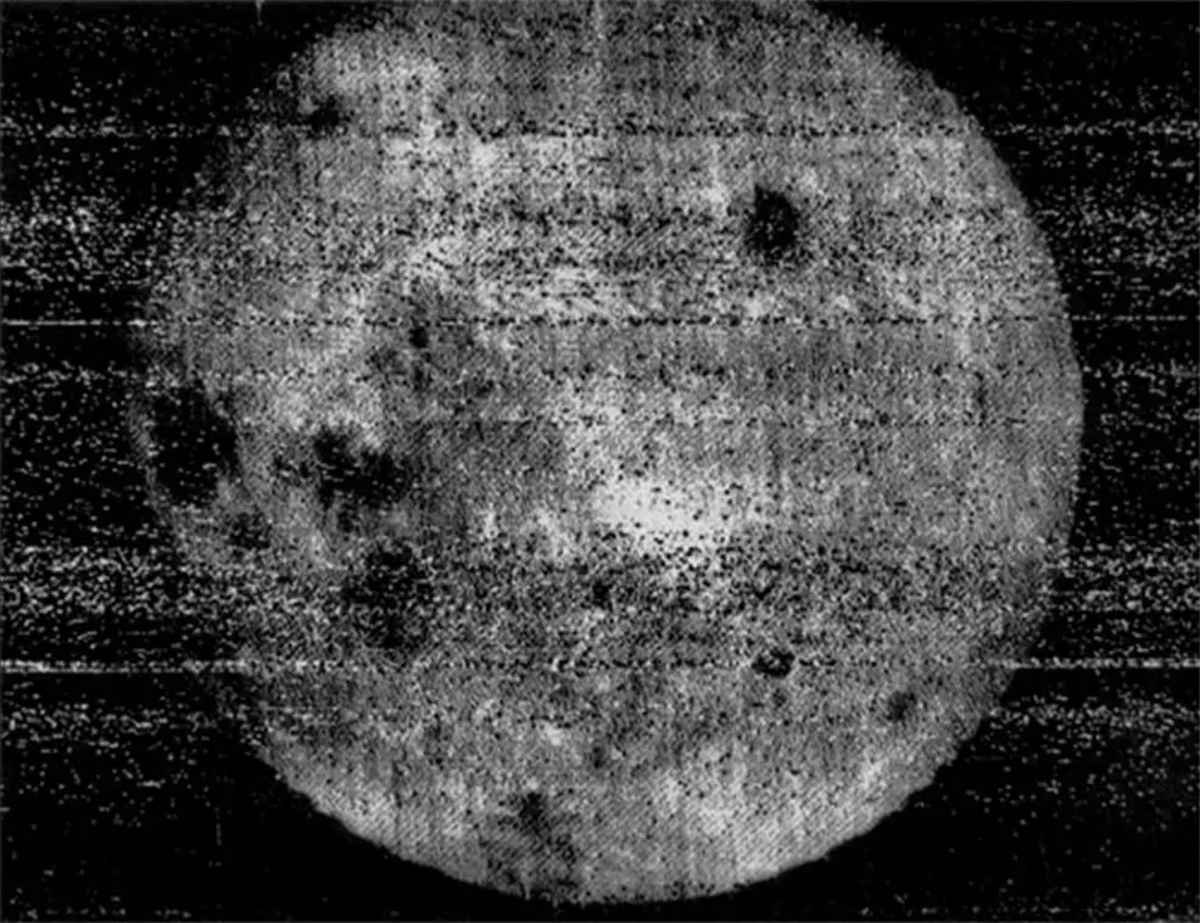
Just weeks later, in October 1959, Luna 3 followed and became the first mission to photograph the Moon’s far side—the side which is not visible from Earth. The grainy images sent by the spacecraft revealed a dramatically different landscape, challenging assumptions that both sides were alike. The success of Luna 3 inspired Soviet scientists to dream bigger and attempt a lunar landing, which, after 11 failed attempts, was achieved with Luna 9 in January 1966—making it the first mission to make a soft landing. Its cameras were used to conduct a photographic survey of the lunar landscape, confirming that it could support the weight of a lander.
These pioneering Soviet missions proved that the Moon was not out of reach and pushed the U.S. to aim higher—and the Americans did push themselves. In May 1966, the Surveyor 1 lander launched from Florida and achieved the first American soft-landing on the Moon, demonstrating the technology necessary to achieve landing and operations on the lunar surface. Success with these uncrewed landing missions fuelled a whole new lunar race that saw 12 men walk on the Moon and established American supremacy beyond Earth.
The beginning of the Apollo era
In September 1962, then U.S. President John F. Kennedy gave his famous ‘We choose to go to the Moon’ speech at Rice University in Houston, informing the public of his plan to land a man on the Moon before 1970, beating the USSR to it. On the other side of the world, the Soviets were developing their own space program to land cosmonauts on the lunar surface.
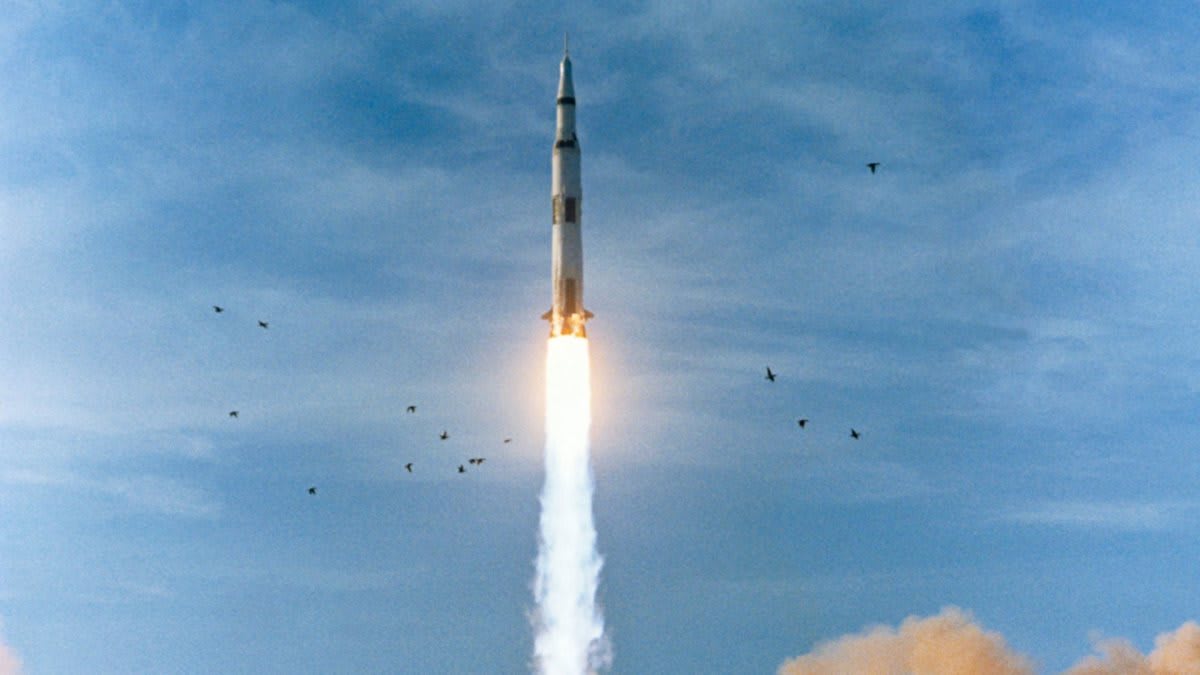
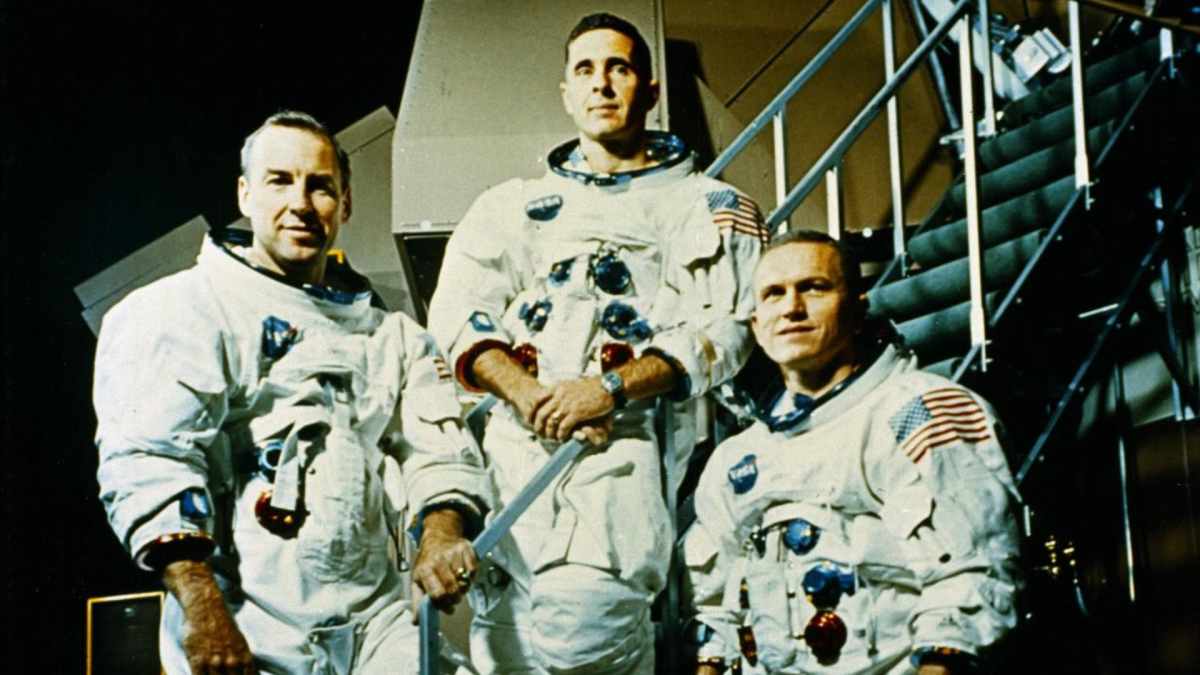
But before anyone could attempt a landing, it had to be proven that astronauts could safely travel to lunar orbit and return home. Enter Apollo 8, which launched in December 1968 and became the first crewed mission to leave Earth’s neighbourhood and enter lunar orbit. The Soviets, meanwhile, were also carrying out test missions via the uncrewed Zond program, but it never resulted in a crewed flight due to reliability issues and poor results. Apollo 8 delivered a decisive psychological victory to the U.S., effectively ending Soviet hopes of beating the Americans in the race.
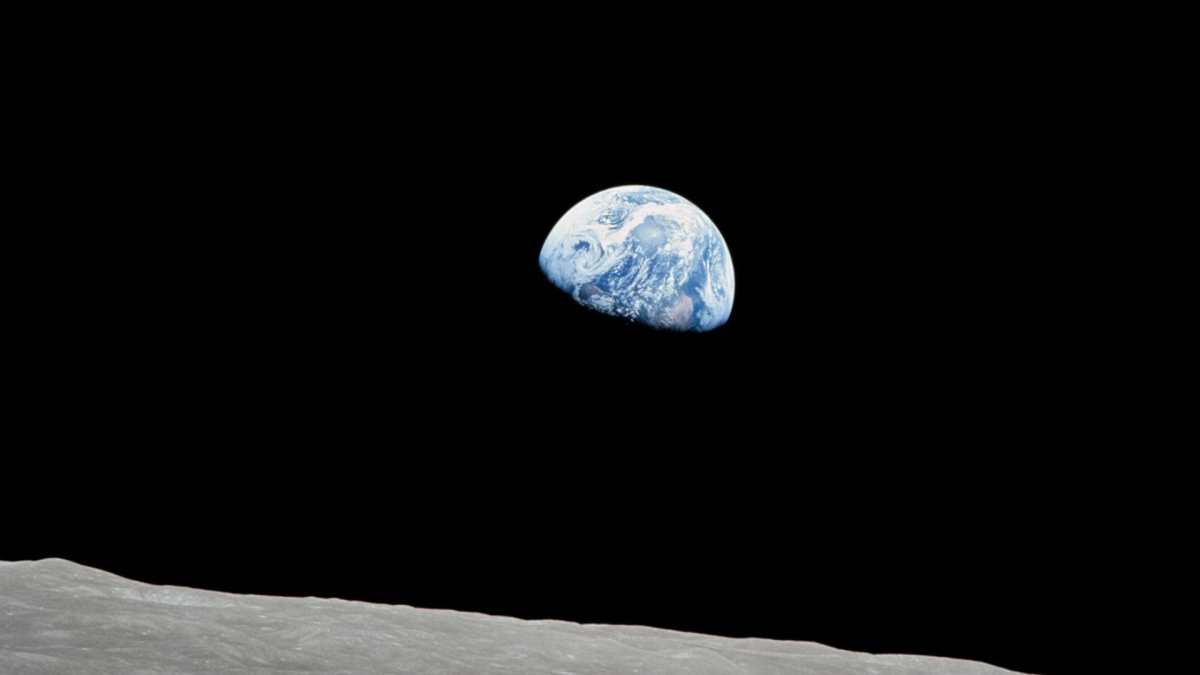
It was during Apollo 8 that NASA astronaut William Anders captured the iconic ‘Earthrise’ image and delivered a powerful Christmas broadcast to billions of Earthlings from lunar orbit.
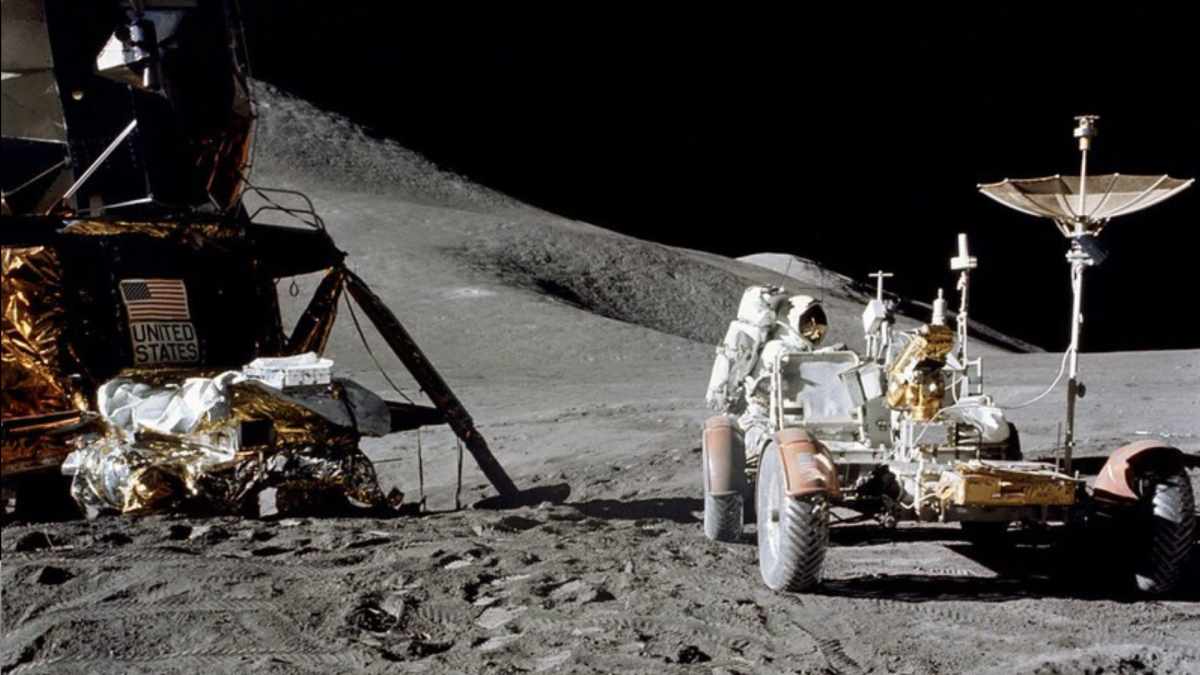
Seven months later came the defining moment of the space age. On what is today’s International Moon Day, NASA’s Neil Armstrong stepped his left foot on the lunar surface for the first time during Apollo 11, and uttered the words: “That’s one small step for [a] man, one giant leap for mankind.” More missions followed and more astronauts moonwalked in the footsteps of Armstrong. Apollo 15, launched in 1971, took the first rover to the Moon, allowing astronauts to cover more ground during exploration, whereas Apollo 17 in 1972 took exploration another step forward by including Harrison Schmitt, the first professional geologist to walk on the Moon.
While the USSR gave up on landing humans after four consecutive failures of its massive N1 rocket, it achieved major success in robotic missions. In September 1970, it launched Luna 16, which was the first robotic mission to land on the Moon and return a sample to Earth. According to NASA, the lander touched down in Mare Fecunditatis and scooped up about 101 grams (3.5 ounces) of lunar material entirely in the dark, since the Sun had already set.
The decades-long silence and the renaissance
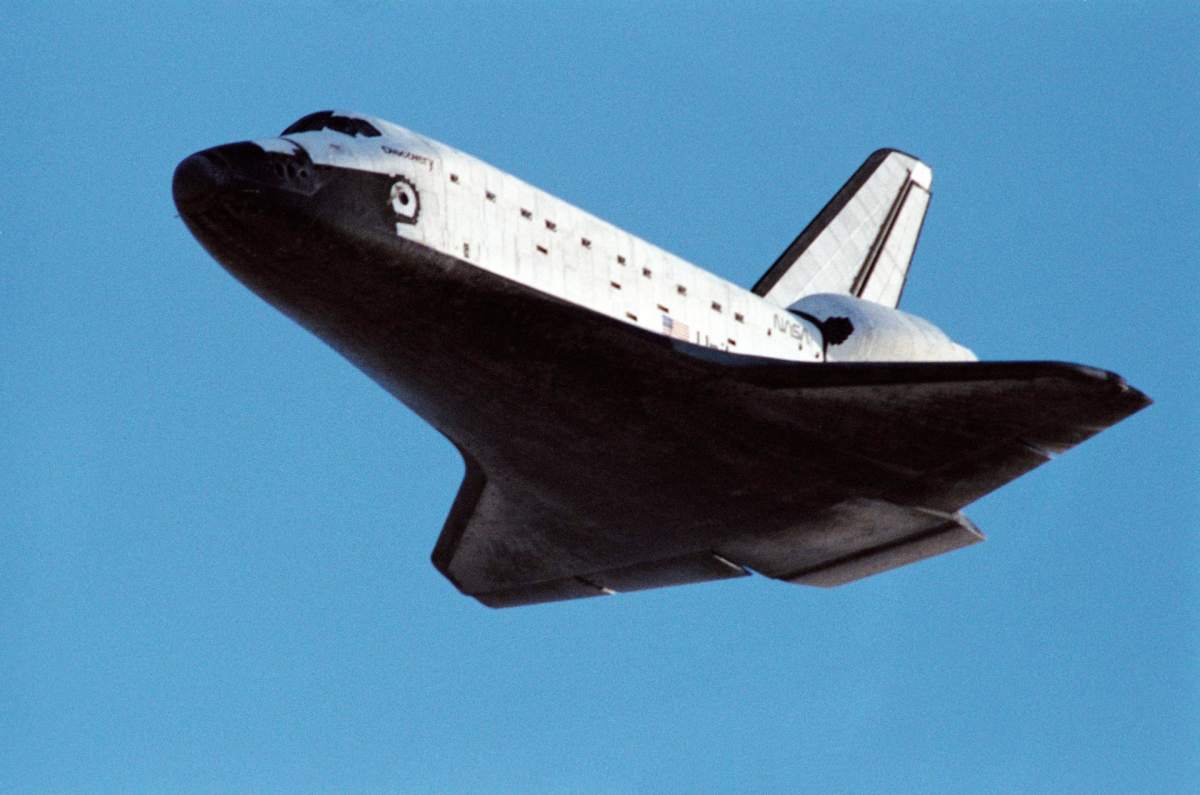
Following Apollo, the Moon largely disappeared from international space agendas for nearly two decades as attention shifted toward space stations, the exploration of Mars, and other worlds. NASA’s Space Shuttle program also ate up a huge chunk of resources, and maintaining a presence in low-Earth orbit became a priority. Besides, the fall of the USSR ended competition between the two superpowers and may have caused America’s loss of interest in pursuing more Moon landings. Astrophysicist Neil deGrasse Tyson, one of the most prominent science educators, has repeatedly stated that this lack of competition is the primary reason why Apollo 18 was cancelled.
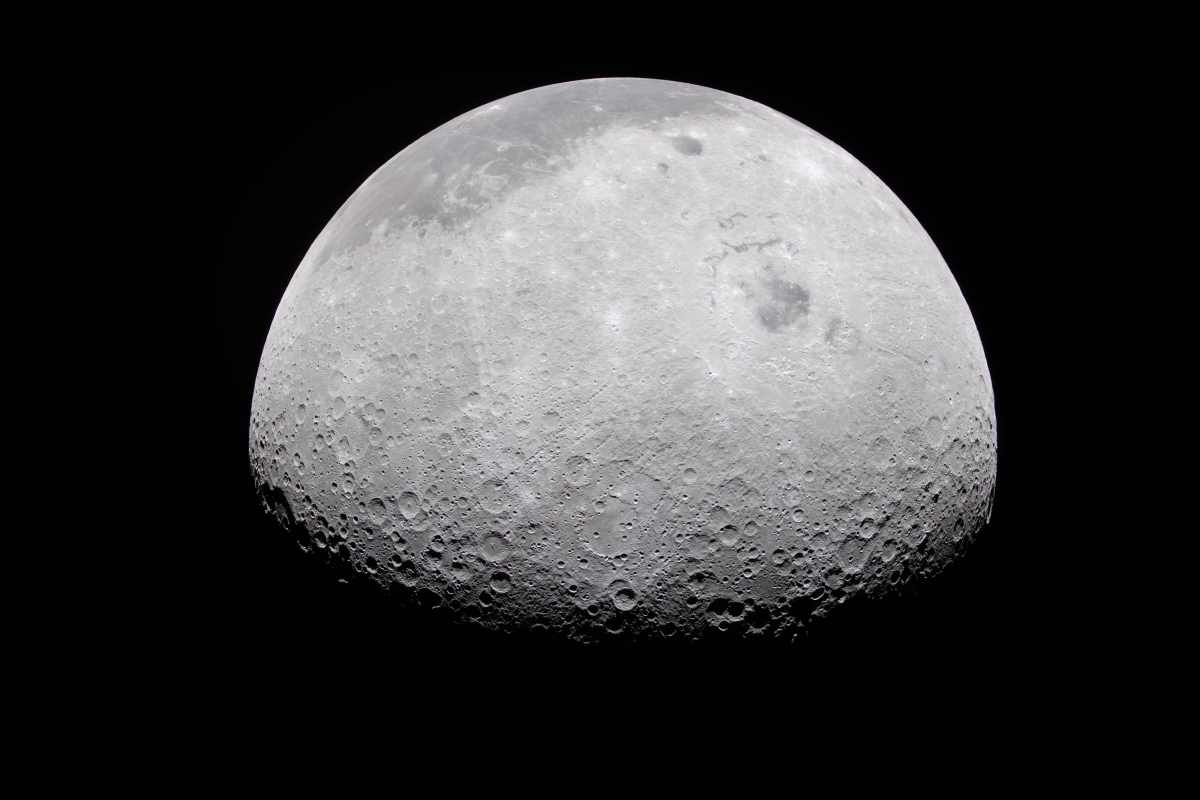
After years of inactivity in the lunar vicinity, scientists realised that there were many questions still unanswered, driving a renaissance of lunar exploration—this time with heavy participation from other nations and private companies from around the world. Following are the most significant modern missions launched to the Moon in recent years.
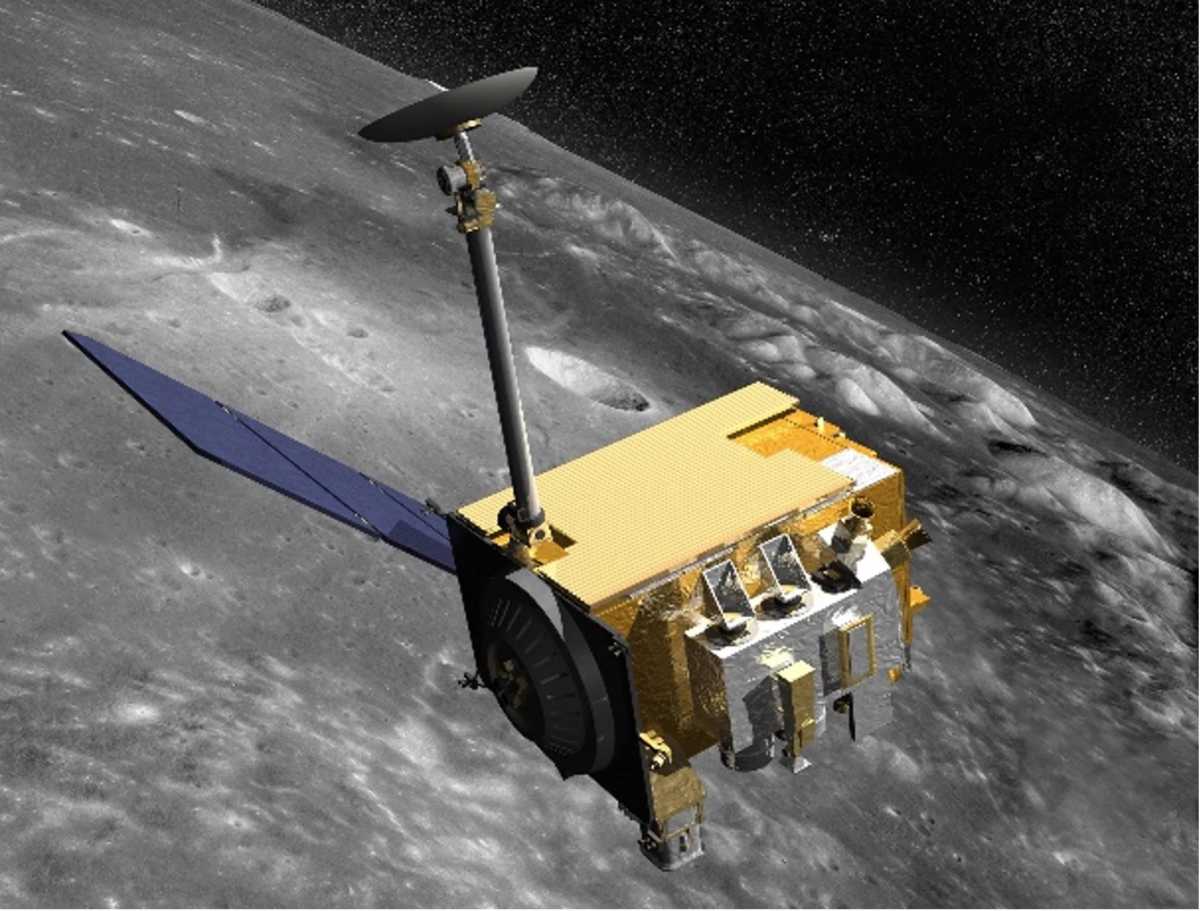
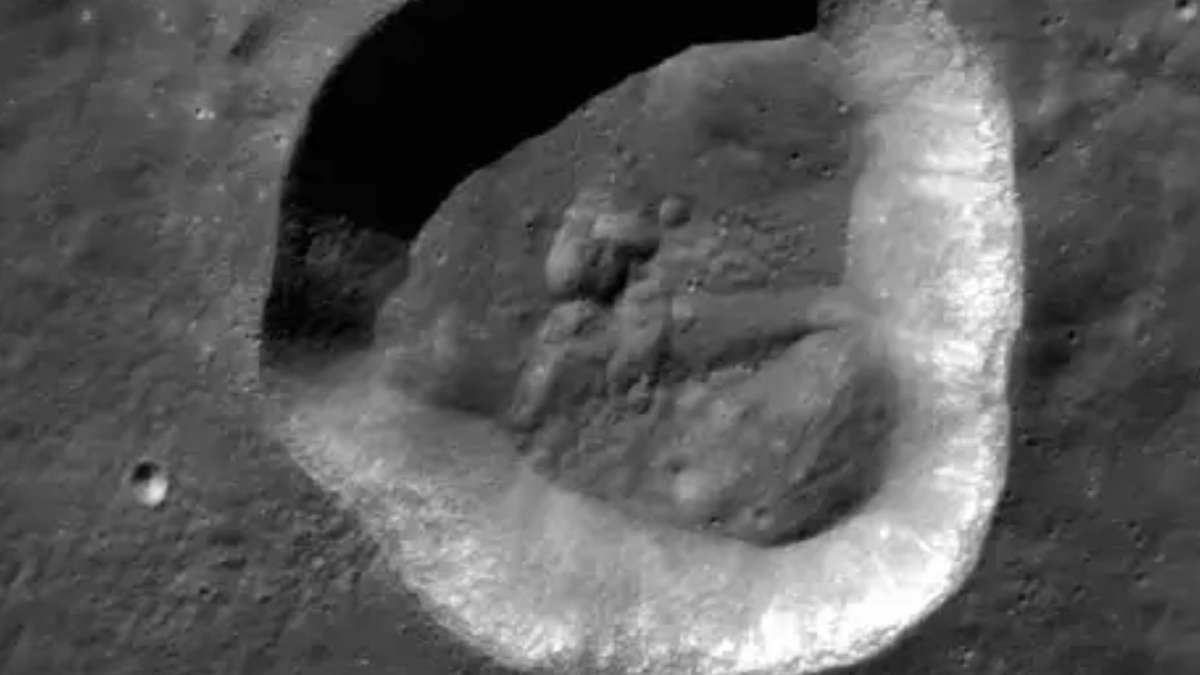
The Lunar Reconnaissance Orbiter (LRO): NASA launched the LRO in 2009 to map the Moon, and it is now the longest-lived lunar orbiting mission. It has captured the lunar surface in unprecedented detail, and it continues to guide future landing missions. The orbiter has surpassed its two-year lifespan, and its pictures are still used to determine landing sites by other missions.
Chandrayaan-1: In 2008, India achieved its first lunar breakthrough with the successful launch and orbital insertion of the Chandrayaan-1 mission. Carrying five home-grown instruments and NASA's Moon Mineralogy Mapper (M3), it confirmed the discovery of water locked in minerals on the Moon. Its primary objectives included the study of the chemical, mineralogical, and photogeologic mapping of the Moon. After a year of data gathering, ISRO lost contact with the orbiter, marking the end of the mission.
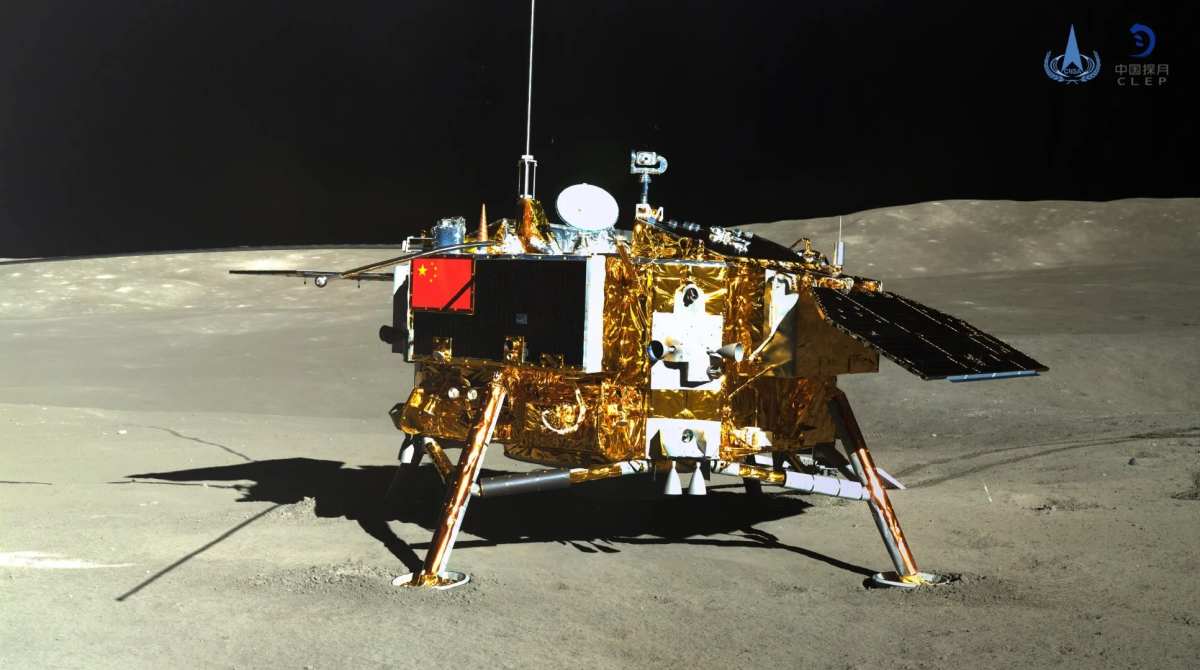
Chang’e-4, Chang’e-5 and Chang'e-6: China’s Chang’e-4 mission, launched in December 2018, was the first to achieve a soft landing on the Moon’s far side, and the Yutu-2 rover it landed with is still exploring this mysterious region. That mission was followed by Chang’e-5, which successfully brought lunar samples to Earth in 2020. With Chang'e-6, China repeated the sample return mission in 2024, but this time, bringing back lunar regolith from the far side of the Moon—a historic first.
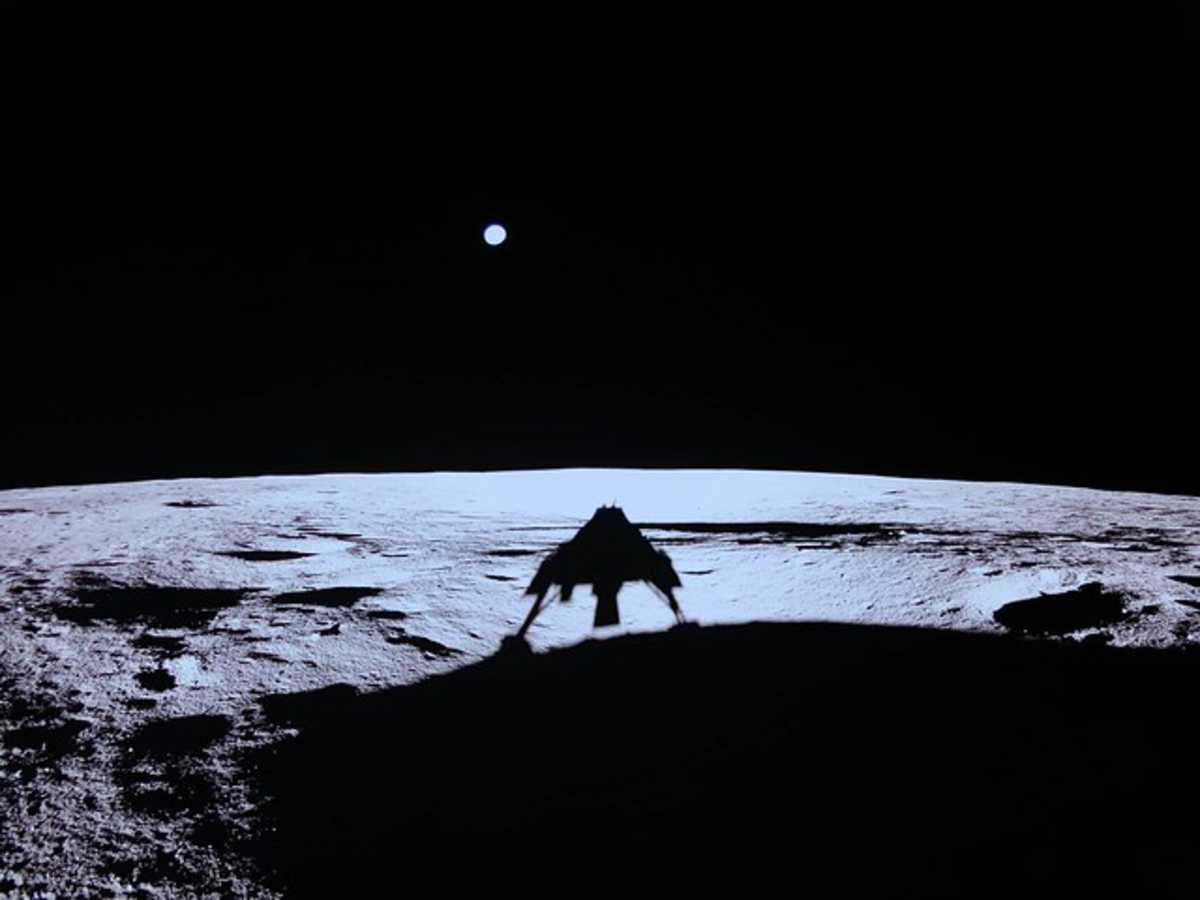
Chandrayaan-3: India made history again in 2023 when Chandrayaan-3 successfully landed near the Moon’s South Pole. This accomplishment made India the fourth nation to achieve a controlled lunar landing and the first near the South Pole. Unlike Chandrayaan-1 and the failed Chandrayaan-2, it included a lander-rover configuration to expand the scope of exploration. The mission ended successfully after the planned one lunar day (14 Earth days).
The entry of commercial companies and return of astronauts
Over the last few years, NASA has grown increasingly reliant on private companies under its Commercial Lunar Payload Services (CLPS) program, which funds commercial landers to carry the agency’s payloads to the Moon. One of these competitors, Intuitive Machines, scripted history in February 2024 when its Odysseus lander successfully touched down on the lunar surface, becoming the first private company to land on the Moon. Firefly Aerospace achieved an arguably smoother success the following year in March 2025. Its Blue Ghost lander completed all its mission objectives by delivering 10 NASA payloads to the surface and operating for a full lunar day (14 Earth days) before lunar night set in.
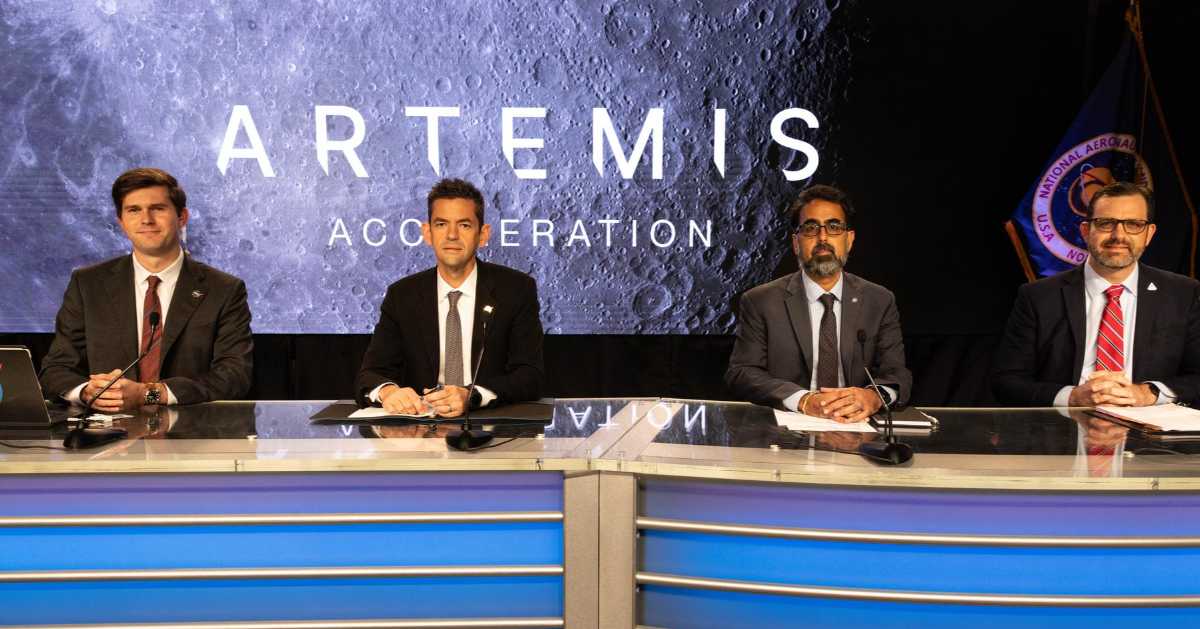
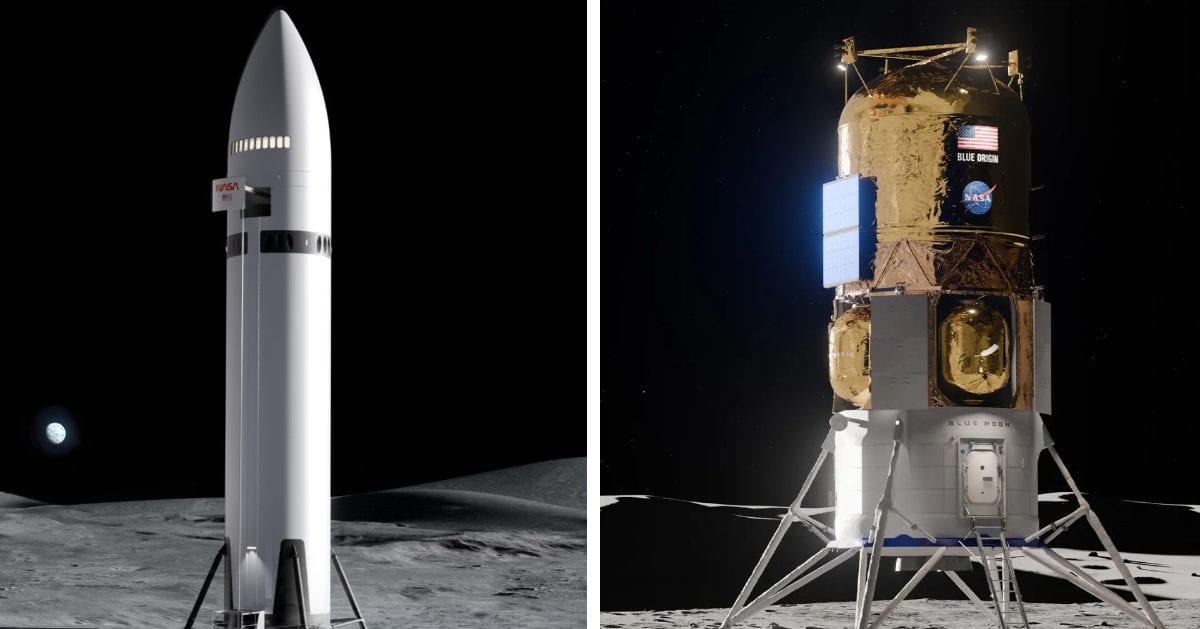
Apart from Intuitive Machines and Firefly, several others like Astrobotic have attempted landings, paving the way for the future of commercial exploration. With many more uncrewed landings planned, NASA now seems confident enough to send astronauts to the Moon before attempting a landing in 2028. In November 2022, it scripted history by launching Artemis 1, kickstarting its new space program to return humans to the Moon this decade. The uncrewed mission, which lasted 25 days, saw the debut of the Space Launch System (SLS) rocket and allowed mission teams to evaluate the Orion spacecraft’s performance in deep space.
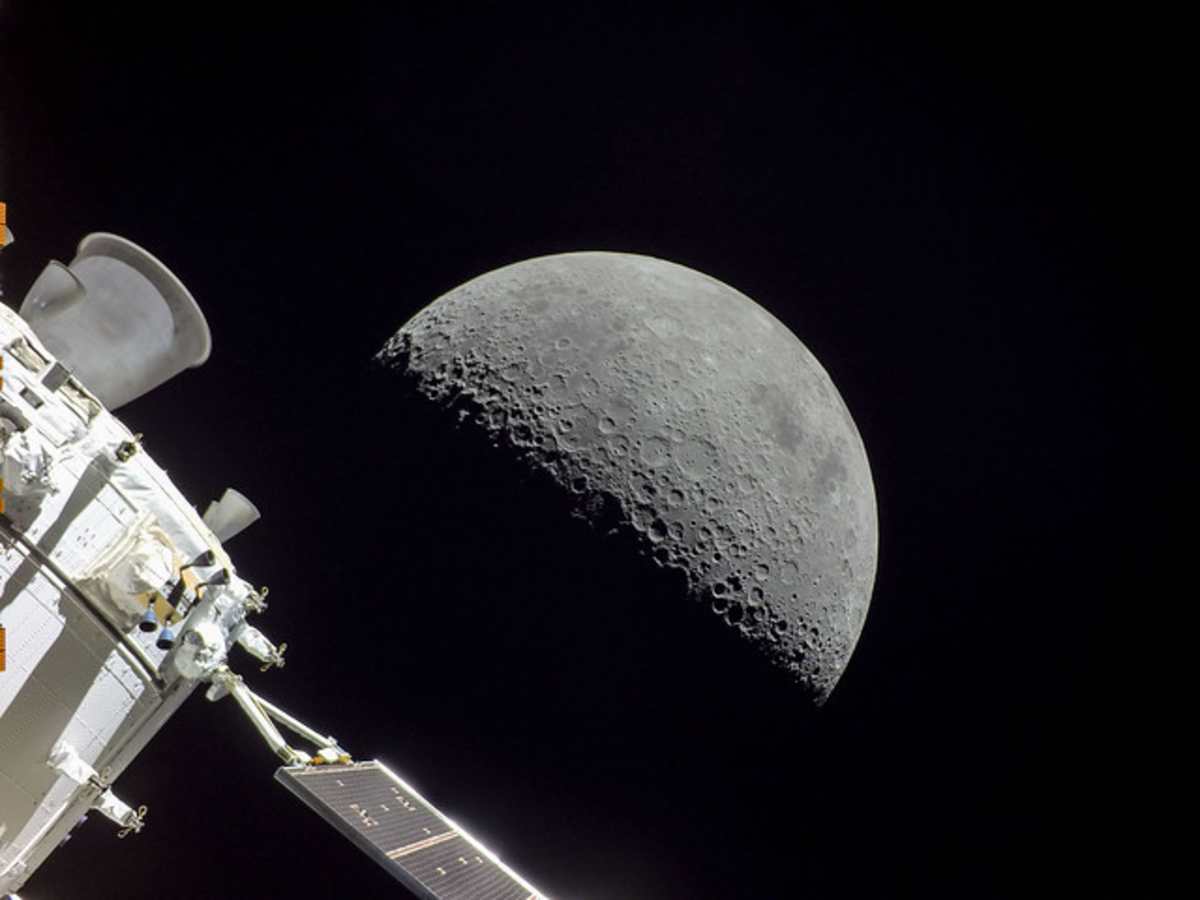
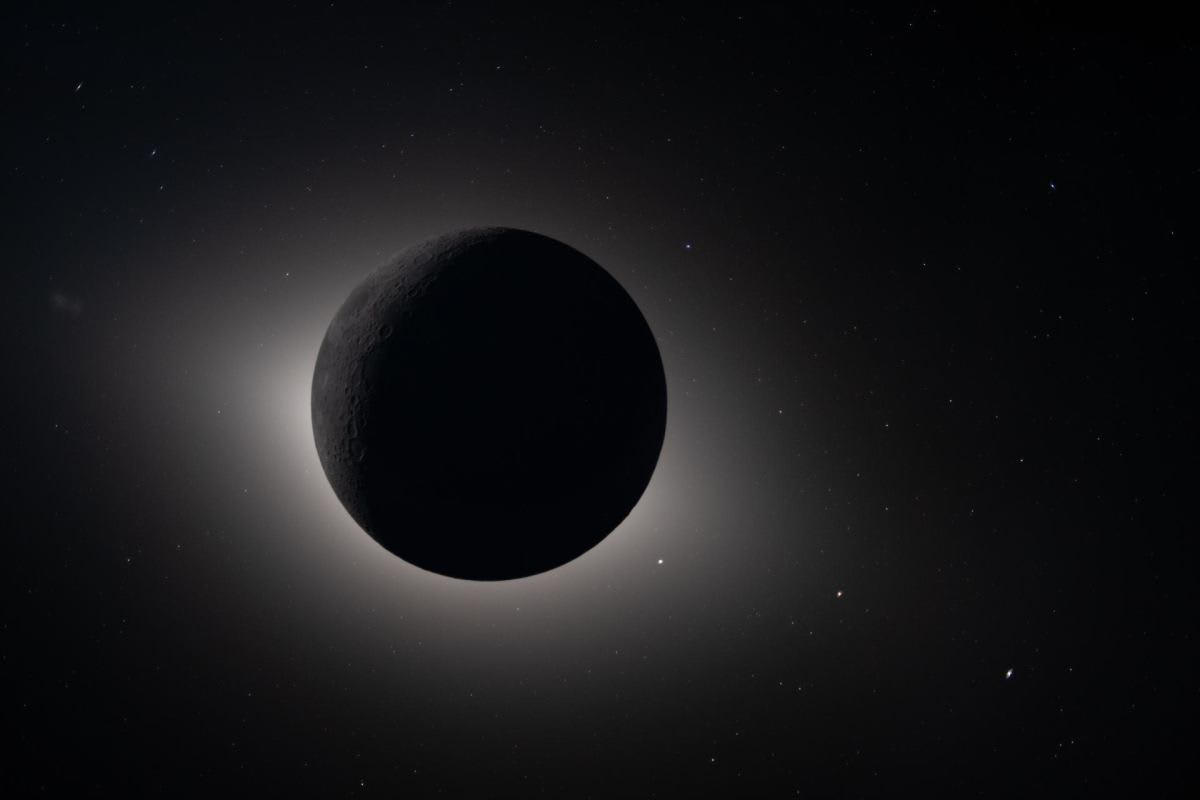
After over three long years of waiting, the Artemis 2 mission finally launched—sending four astronauts to the Moon and back. Launched in April this year, Artemis 2 tested human ingenuity yet again by keeping four humans alive in deep space in a spacecraft that had never been tested with a crew. Apart from a few minor glitches, the mission was smooth sailing to the very end and delivered some jaw-dropping moments, such as a solar eclipse that the crew witnessed during their lunar flyby.
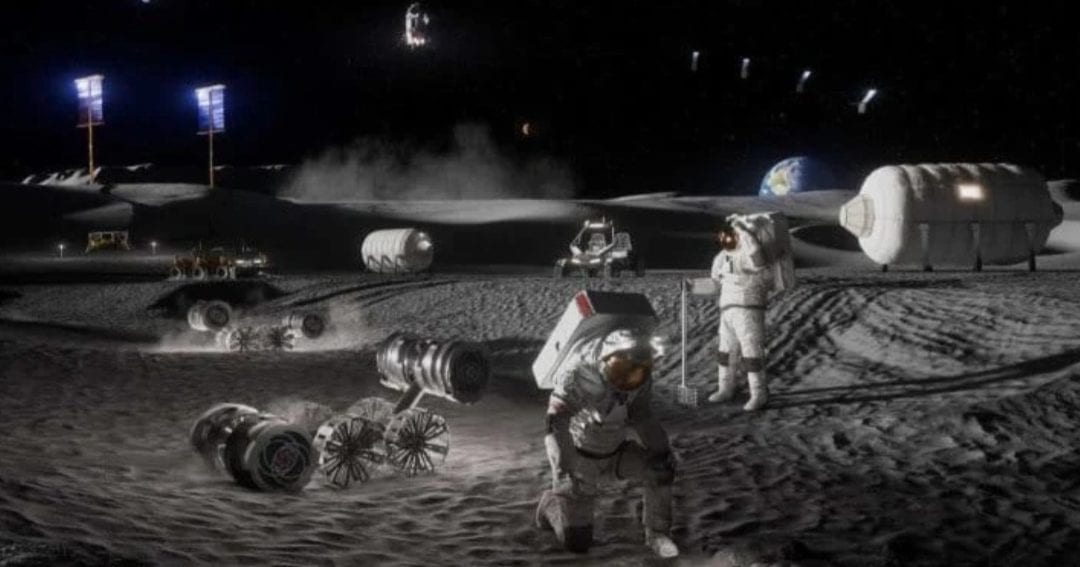
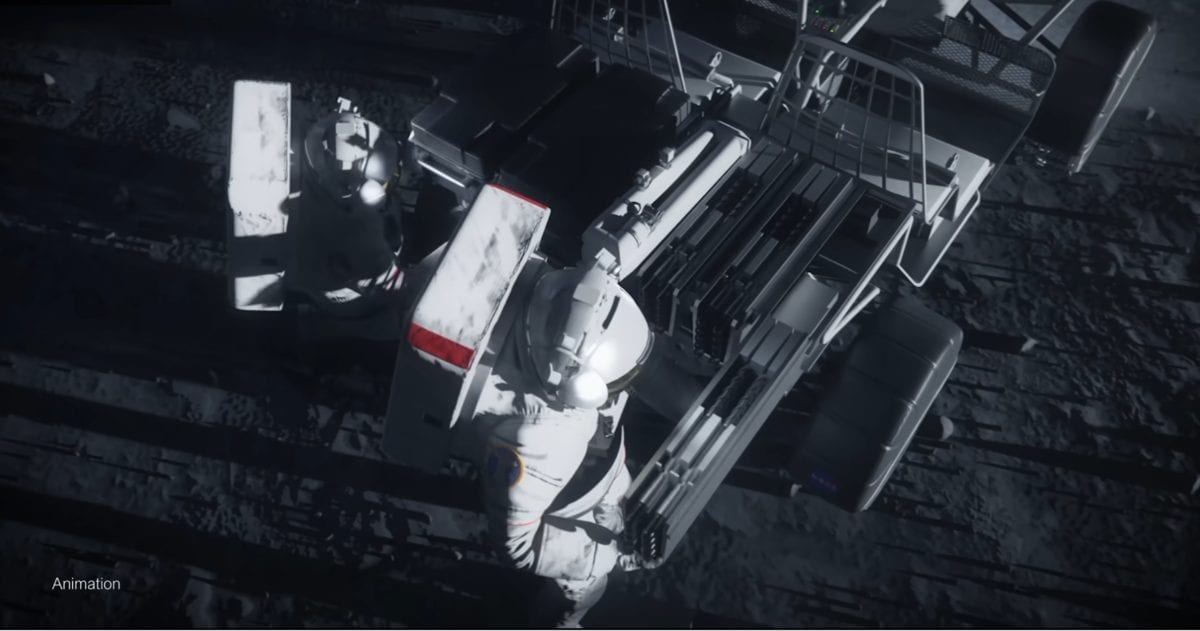
The upcoming years will be busy for space agencies as they are now trying to establish sustainable lunar bases at the lunar South Pole, which is believed to be rich in water ice—a potential source for breathable air, drinkable water, and rocket fuel. In the second half of 2026 alone, several private landers will attempt landings in different locations that could eventually lay the groundwork for crewed missions.
More on Starlust:
Apollo 11 launch anniversary: Celebrating NASA’s historic mission that sent humanity to the Moon
NASA reveals finer details of how Artemis III's design will shape future crewed lunar missions