Apollo 11 launch anniversary: Celebrating NASA’s historic mission that sent humanity to the Moon
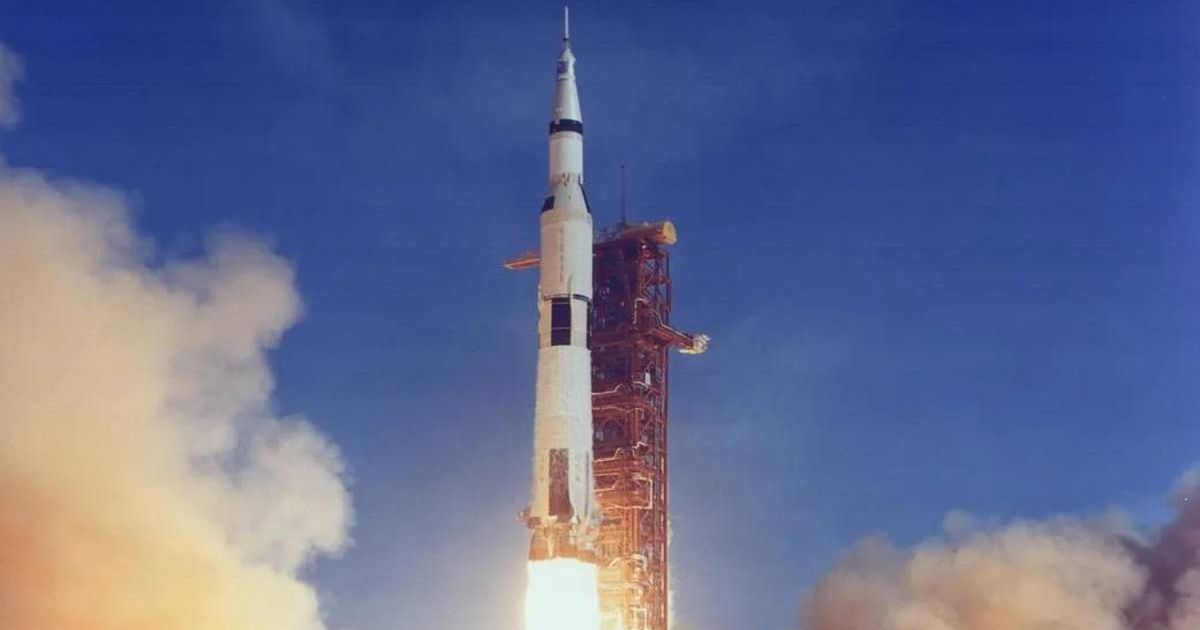
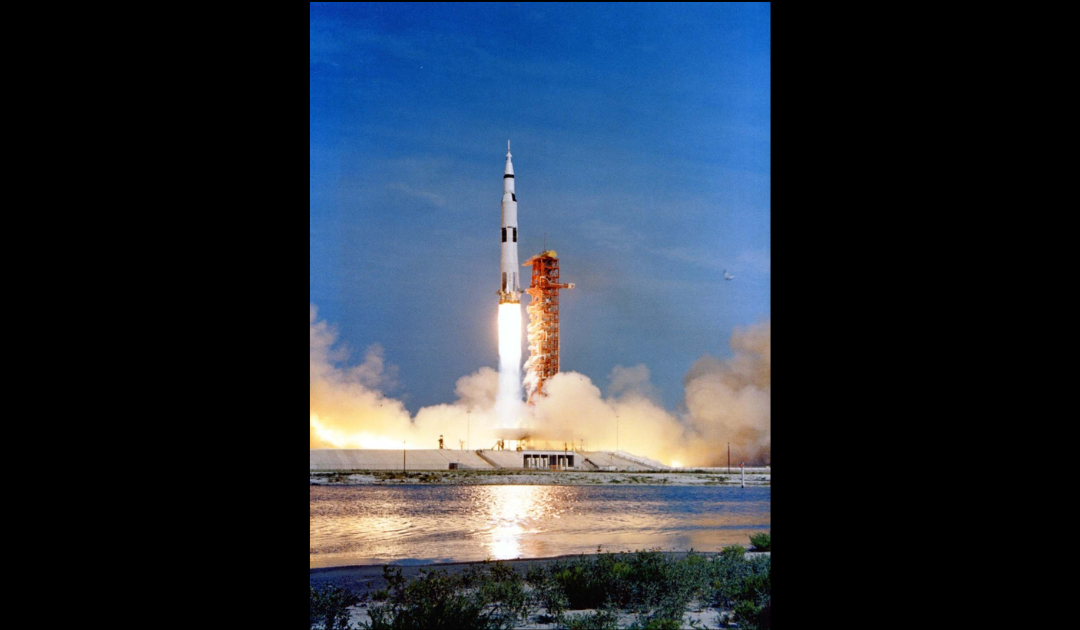
Exactly 57 years ago today, NASA launched the historic mission that took humanity to the Moon. On July 16, 1969, Apollo 11 lifted off from Launch Pad 39A at Florida’s Kennedy Space Center with three astronauts—two of whom walked on the Moon four days later. The success of the mission kickstarted a series of lunar landings that not only put America ahead of the Soviet Union in the space race but greatly improved our understanding of the lunar surface and its environment.
The lunar journey
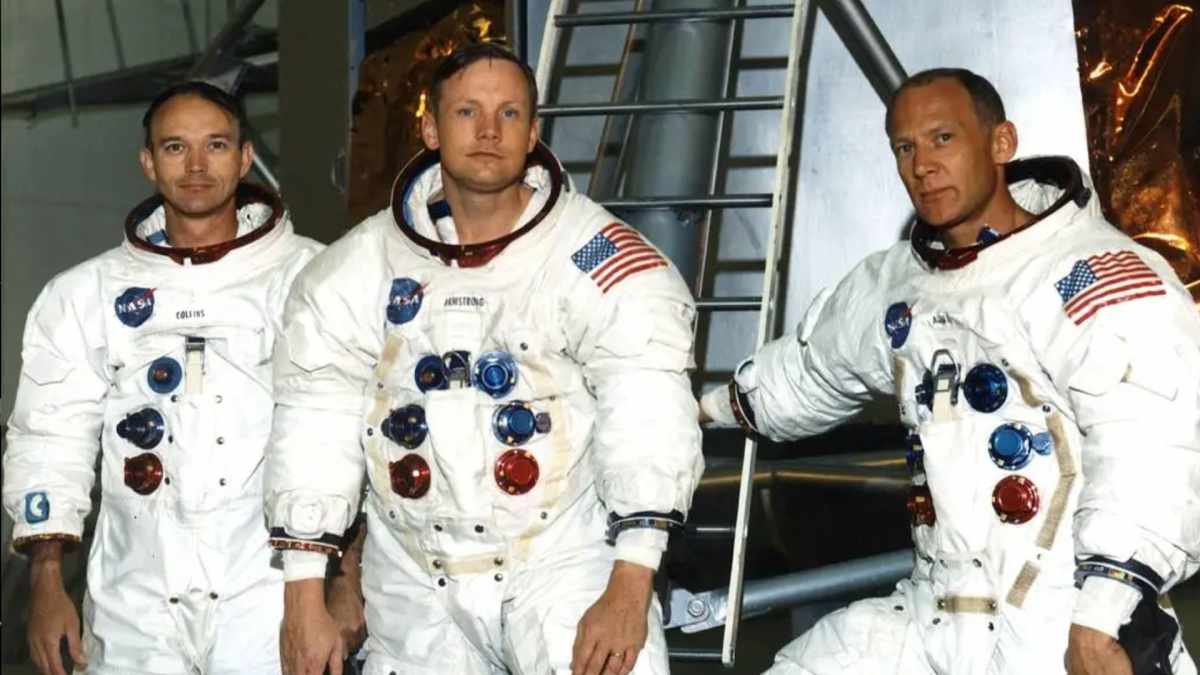
The Saturn V rocket carrying astronauts Neil Armstrong (commander), Edwin E. Aldrin Jr. (lunar module pilot), and Michael Collins (command module pilot) lifted off at 9:32 a.m. EDT, and its third stage, stacked with the crew module, entered the translunar orbit after spending 2 hours and 44 minutes in Earth’s orbit.
The Apollo-era architecture was operationally quite complex, as it required multiple critical maneuvers before the lunar journey truly began. Saturn V used to launch with the command and service module (CSM) and the lunar module (LM) attached to the third stage. When the third stage was in space, the CSM would separate, make a 180-degree turn, and dock head-first with the lunar module before discarding the rocket stage for good. The CSM and LM would then carry on to the planned lunar path. The command module was where the astronauts lived, and the lunar module was the one that descended to the lunar surface.
A total of four midcourse correction maneuvers had been planned for the flight, according to NASA. However, the launch had been so successful that the crew only had to carry out one on July 17. The first lunar orbit insertion maneuver came on July 19 at about 75 hours, 50 minutes into the flight. Then, on July 20 at 100 hours and 12 minutes into the flight, the LM, with Armstrong and Aldrin inside it, undocked from the CSM and, a little over an hour later, when it was on its 13th orbit of the Moon, began its descent—one of the most dangerous phases of the mission.
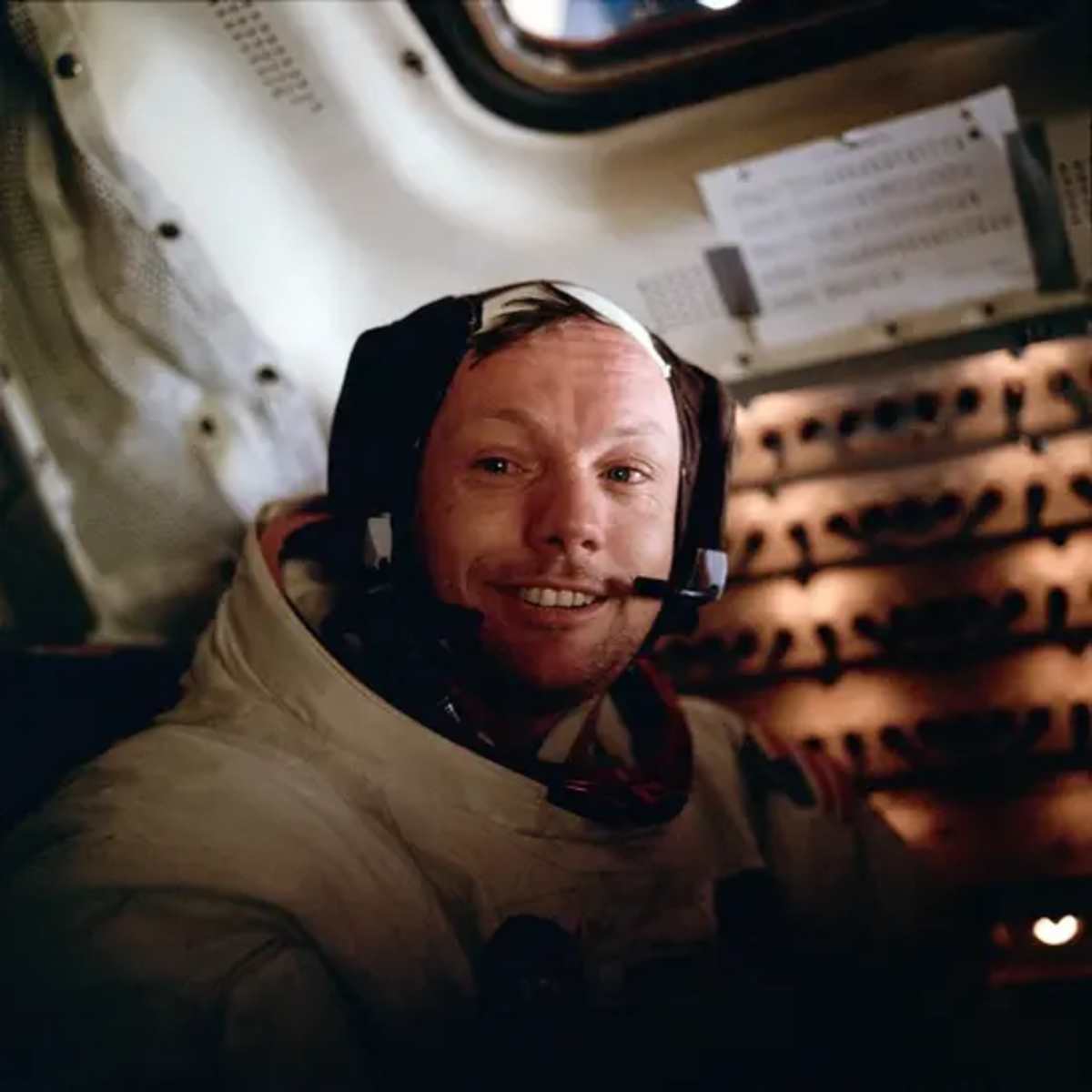
The procedure was far from smooth, with Armstrong realizing that the LM computer's auto-landing program was leading them to the middle of a crater strewn with boulders in the Sea of Tranquillity. With fuel running dangerously low, Armstrong took control of the LM, achieving a safe touchdown beyond the crater. “The Eagle has landed,” Armstrong told Mission Control. "Roger, Tranquility. We copy you on the ground," fellow astronaut Charlie Duke responded from Houston. "You got a bunch of guys about to turn blue. We're breathing again." It was at about 109 hours and 42 minutes following the launch that Armstrong set foot on the Moon and radioed back the famous message, "That's one small step for a man, one giant leap for mankind."
The significance
The Apollo 11 mission was significant not only because it fulfilled then President John F. Kennedy's goal set for the U.S. but also because it proved that humans can travel into deep space, work on another world, and return safely. During the 21 hours and 36 minutes that Armstrong and Aldrin spent on the Moon, they installed several pieces of equipment on the Moon and reported on the lunar surface. They even brought 21.5 kg (over 47 pounds) of lunar samples, which are still actively studied more than five decades later.
More on Starlust
X-ray images taken during the Fram2 mission could change how astronaut health is monitored in space
ESA and JAXA's BepiColombo to arrive at Mercury later this year after 8-year journey—what to know