Even at 90, Apollo 17 astronaut Harrison Schmitt would be more than happy to go back to the Moon
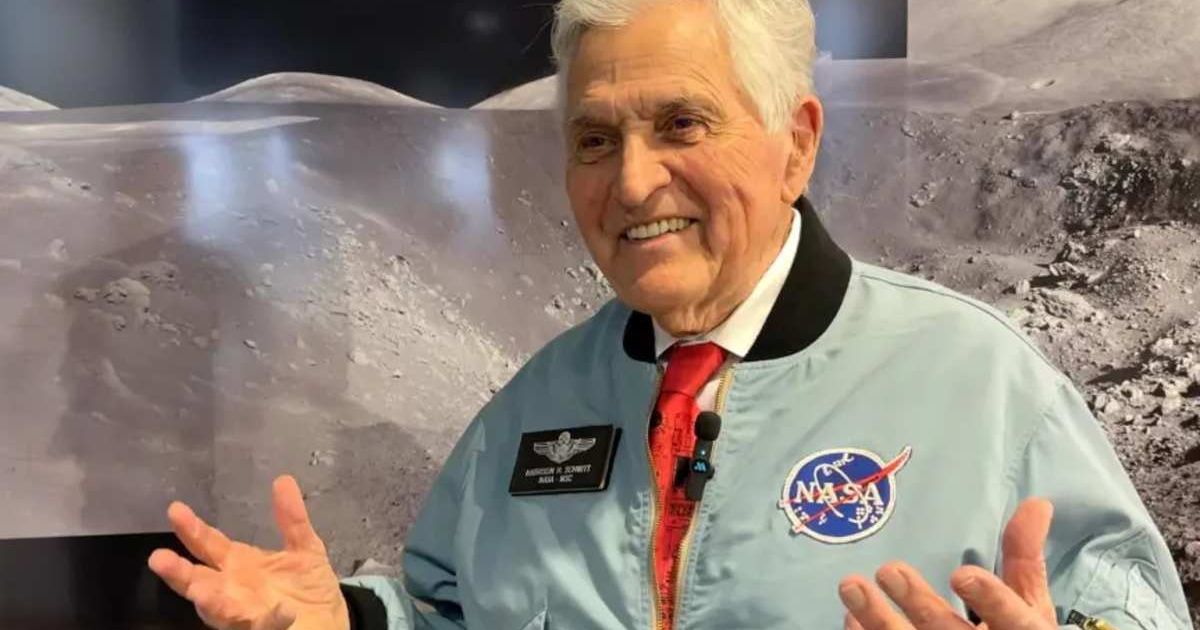
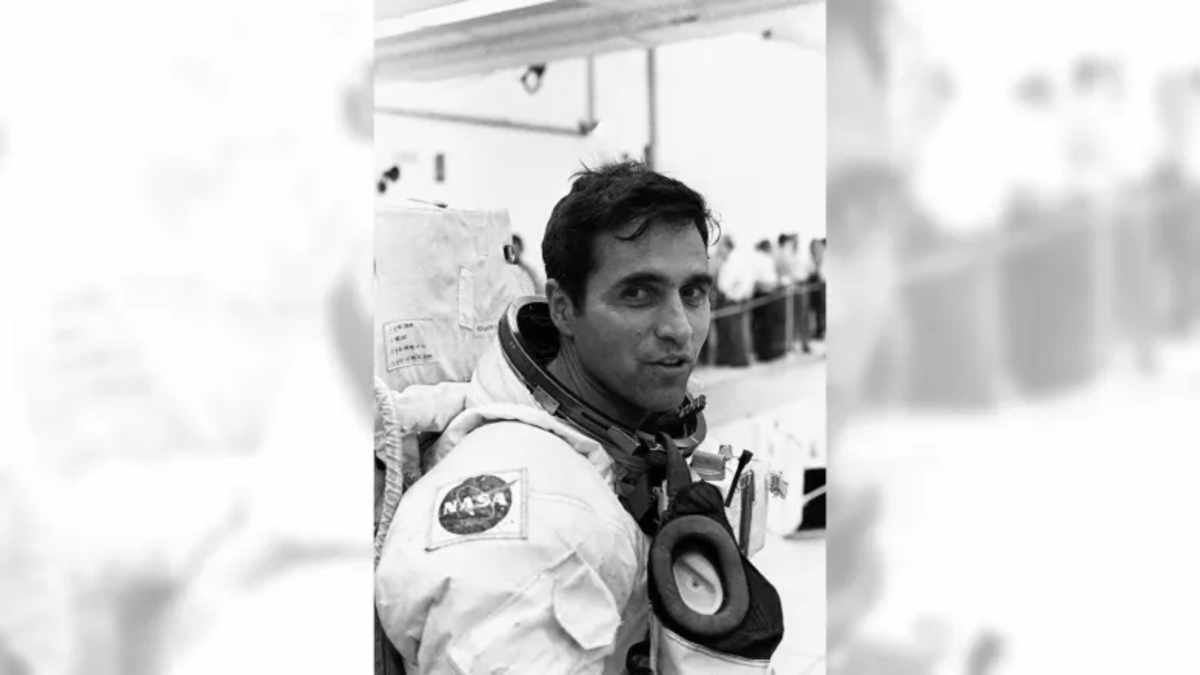
In 1972, Apollo 17 astronauts Harrison 'Jack' Schmitt and Eugene Cernan stepped onto the Moon and began collecting rock and soil samples. Looking back with nostalgia after more than five decades, Schmitt, now 90, revealed he wishes to go back there someday. After all, the Moon is a place that holds answers not only about the origins of the solar system but also about humanity's future in space. "It’s been recording the history of the solar system ever since the solar system formed about 4.5 billion years ago," Schmitt told the Associated Press in an interview. "That is really what the moon gives us—that library of knowledge, of potential knowledge about how the solar system evolved and then what the sun has been doing in that 4.5 billion years."
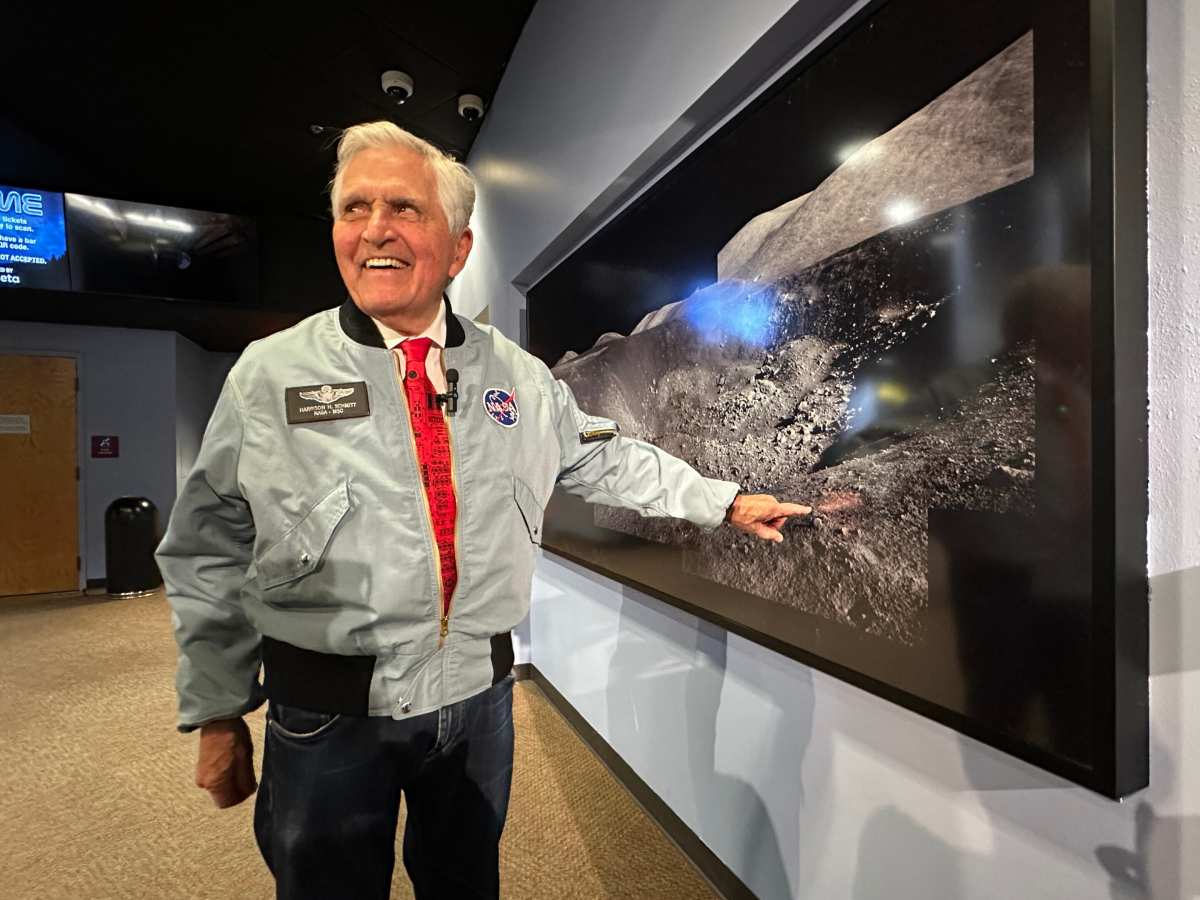
Schmitt is a field geologist and became the first scientist to walk on the Moon. His recent work on the lunar regolith has revealed that the Sun became more active around the same time biological life bloomed in Earth's oceans, indicating that oceans liked the warmth that they received. As a result, life proliferated, both in terms of quantity and diversity.
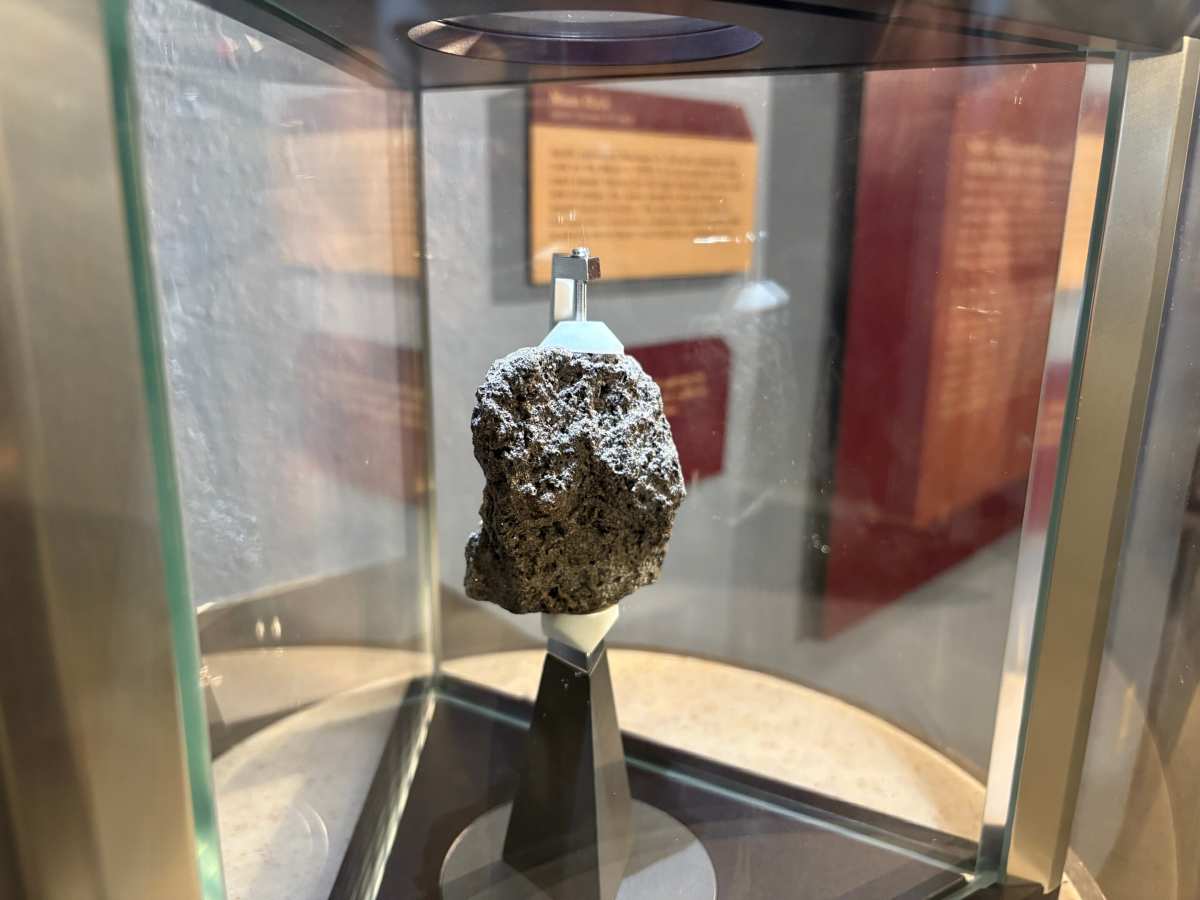
Besides being a witness to the development of the solar system and life on Earth, the Moon is also rich in important resources. Schmitt, for instance, noted that the basalt lava rocks found on the Moon are richer in titanium than their terrestrial counterparts, adding that it can be used to concentrate hydrogen and helium on the Moon. Moreover, while helium-3 is scarcely found on Earth, it is abundantly available on the Moon. "It’s going to be extremely useful in quantum computing, in cancer therapy and other things here on Earth," Schmitt explained. "Helium-3 offers a possibility of having nuclear energy without nuclear waste. We’ve known that for decades, and so the moon now offers that opportunity to begin to substitute a nuclear form of energy that doesn’t produce nuclear waste for what we have today."
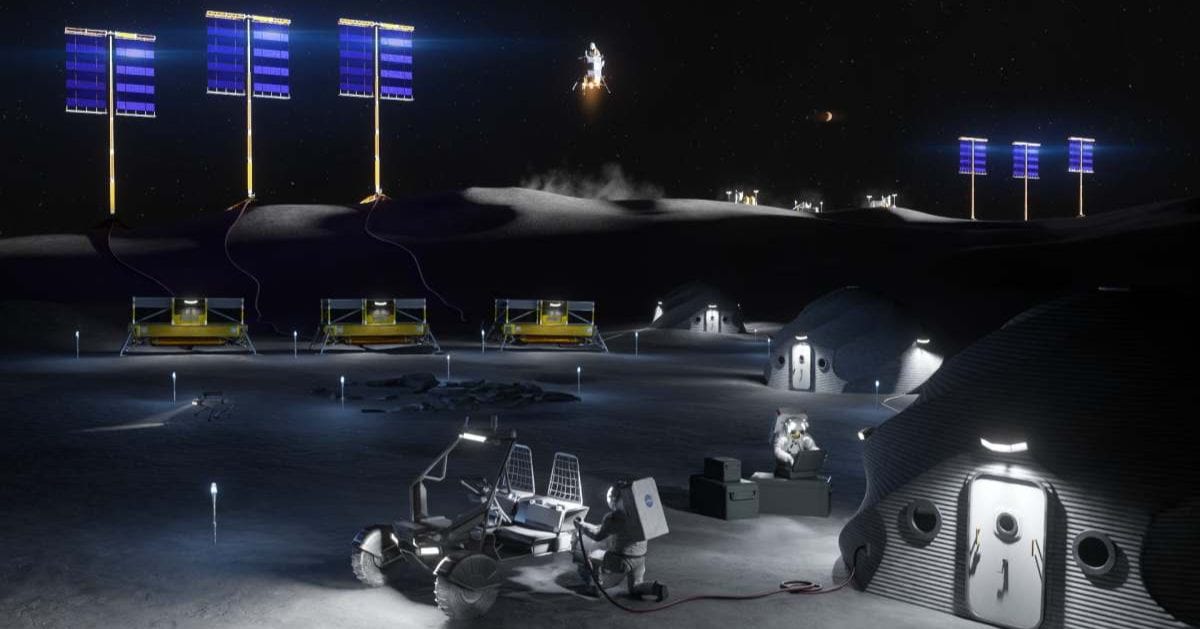
When asked about the importance of establishing a lunar base, he reflected on the many areas that could benefit from it. "Well, I think a lunar base makes a lot of sense, and it always has a lot of reasons. One is geopolitical. Probably the most important one is geopolitical presence in deep space, and in preparation for going on to Mars," he said to AP.
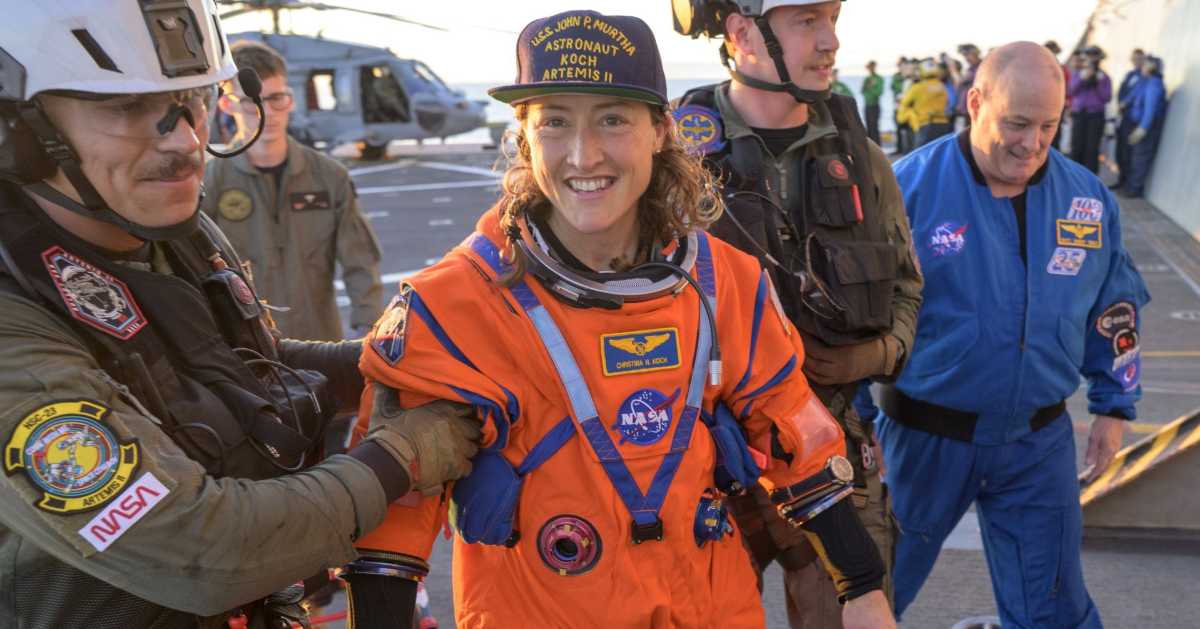
While the plan certainly is to use the Moon as a pit stop for going to Mars (and possibly even beyond), given that the resources it has are going to make missions more cost-effective, for Schmitt, Moon missions also come with psychological value. "One of the things people keep forgetting about is you’ve gone through several generations, and the new generation has to gain experience—psychologically as well as practically about how you work in deep space," he explained. "That was probably the most important part of Artemis II, as it gave the ground people, Mission Control and others, the experience now to really have the risk as real rather than as part of a simulation."
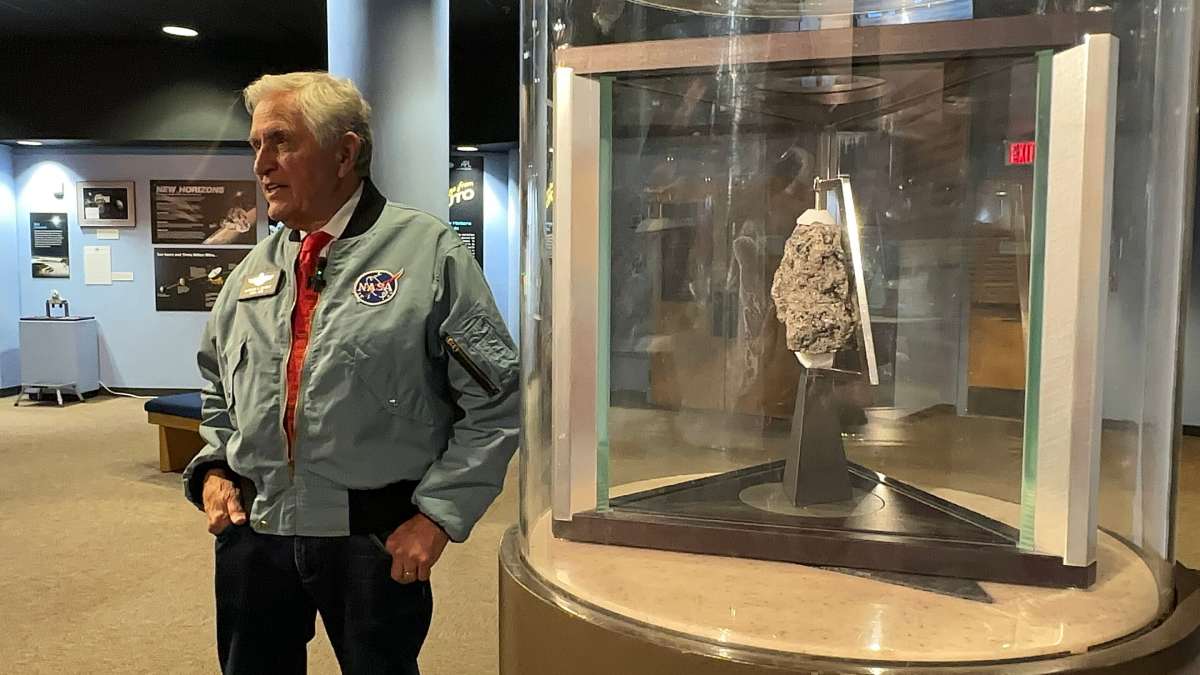
Given the kind of fascination and interest that he continues to nurture about the Moon, it's really no surprise that he wouldn't mind going back or even travel to Mars. But there's one condition. Responding to AP's question on whether he would want to strap in for another deep space ride, he said, "Oh surely. Teresa, my wife, would like very much to go with me—that would be one condition." That being said, he is quite happy with the youth taking it forward and could not help but acknowledge how important they are for the future. He is also more than satisfied with how NASA has gone about its business. "Look what has happened since Apollo. The commercial sector has developed new technologies, new ways of doing things and NASA is now trying to integrate those into a new approach to deep space exploration," he concluded.
More on Starlust
Scientists turn lunar dust from a threat into a building material for Moon bases
Did life come to Venus from Earth or Mars? New study offers clues