Total solar eclipse 2026: 5 reasons why you must not miss the cosmic event on August 12
The first total solar eclipse for mainland Europe since 1999
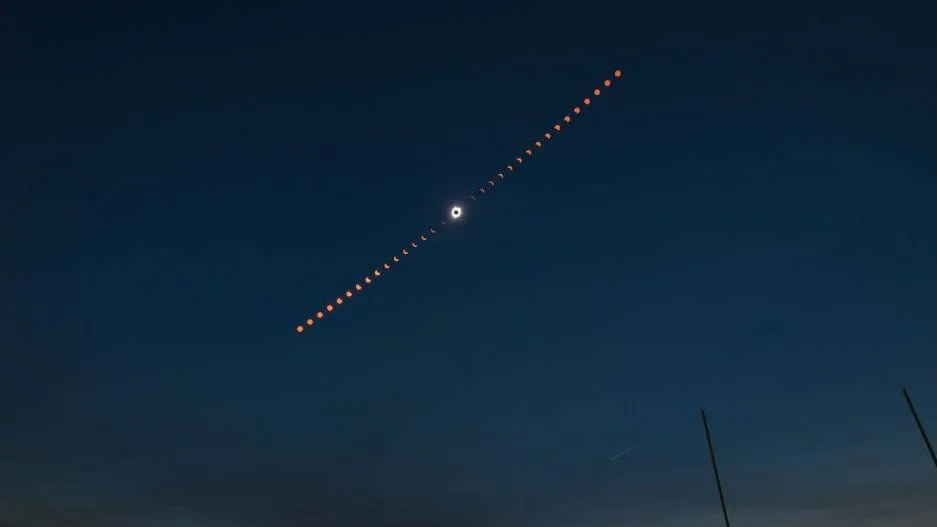
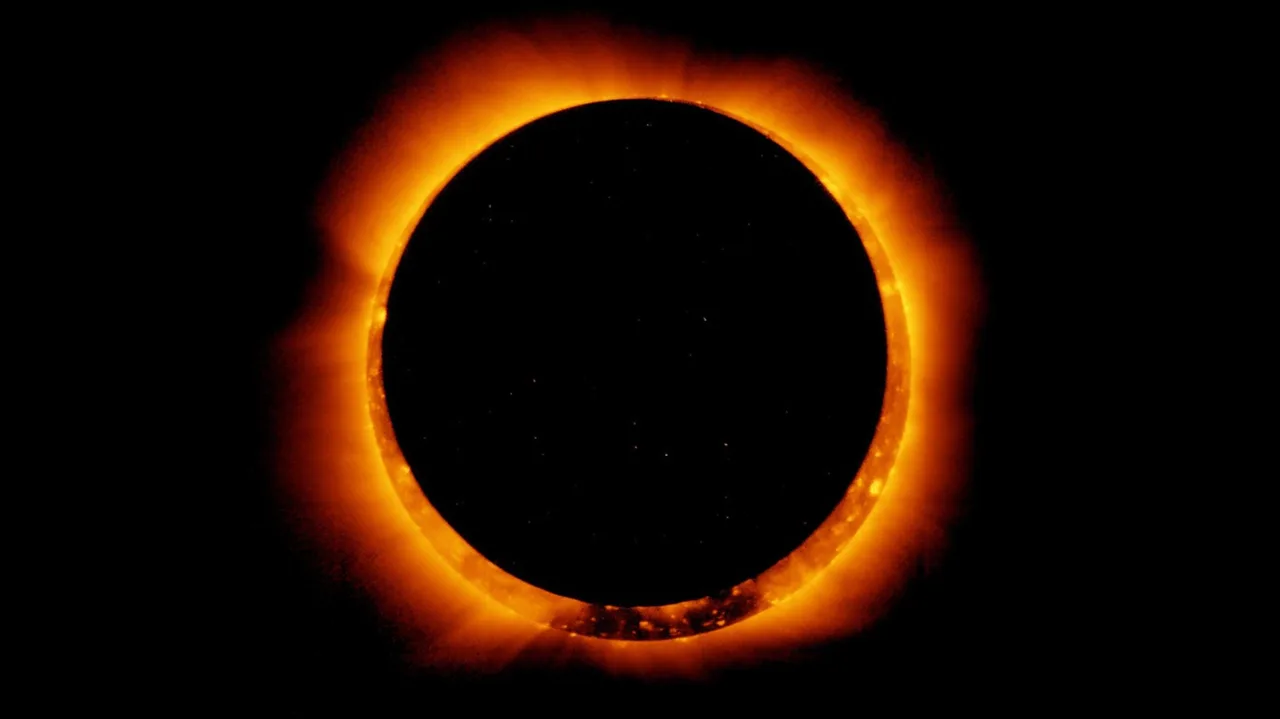
The total solar eclipse on August 12 will be the first such cosmic event to cross a significant portion of mainland Europe since 1999. The path of totality, when the Moon completely blocks the Sun, will pass through Greenland and Iceland into Spain. Interestingly, the Sun will set while it’s still partially eclipsed in mainland Europe and Africa, offering an opportunity to witness a sunset eclipse, per NASA. Parts of the northeastern contiguous US and most of Canada will experience a partial solar eclipse during the day, and it will last more than an hour. Certain European nations will also see a partial eclipse that will begin a few hours before sunset, and the sun will be covered by nearly 100 percent.
It’s the first total solar eclipse in the Iberian peninsula since 1912
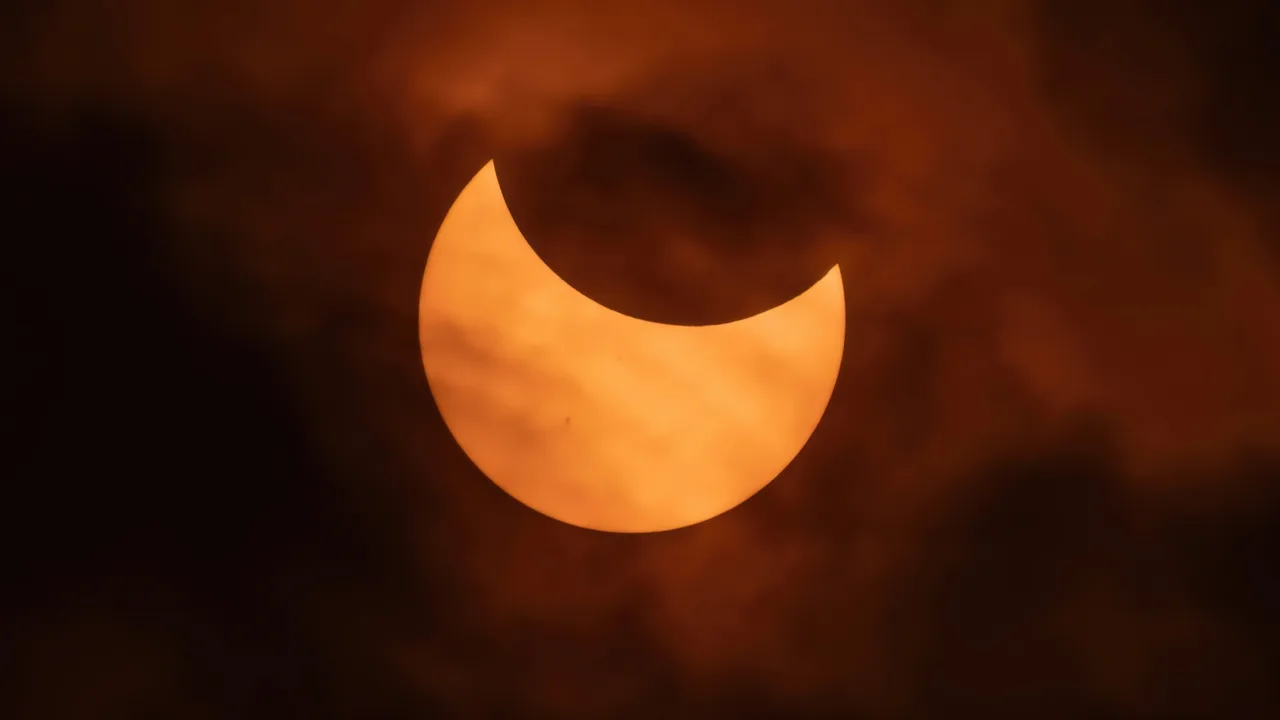
According to the European Space Agency (ESA), the last total solar eclipse in the Iberian peninsula, which includes Spain and Portugal, occurred in 1912, and the totality lasted just one second. On August 12, the totality will cross three Spanish cities—Leon, Valencia, and Zaragoza—along with Iceland’s Reykjavik. While the eclipse will last more than an hour, totality will last for just one minute in all four cities. The longest totality will last two minutes and 18 seconds near the west coast of Iceland.
This eclipse will move from east to west
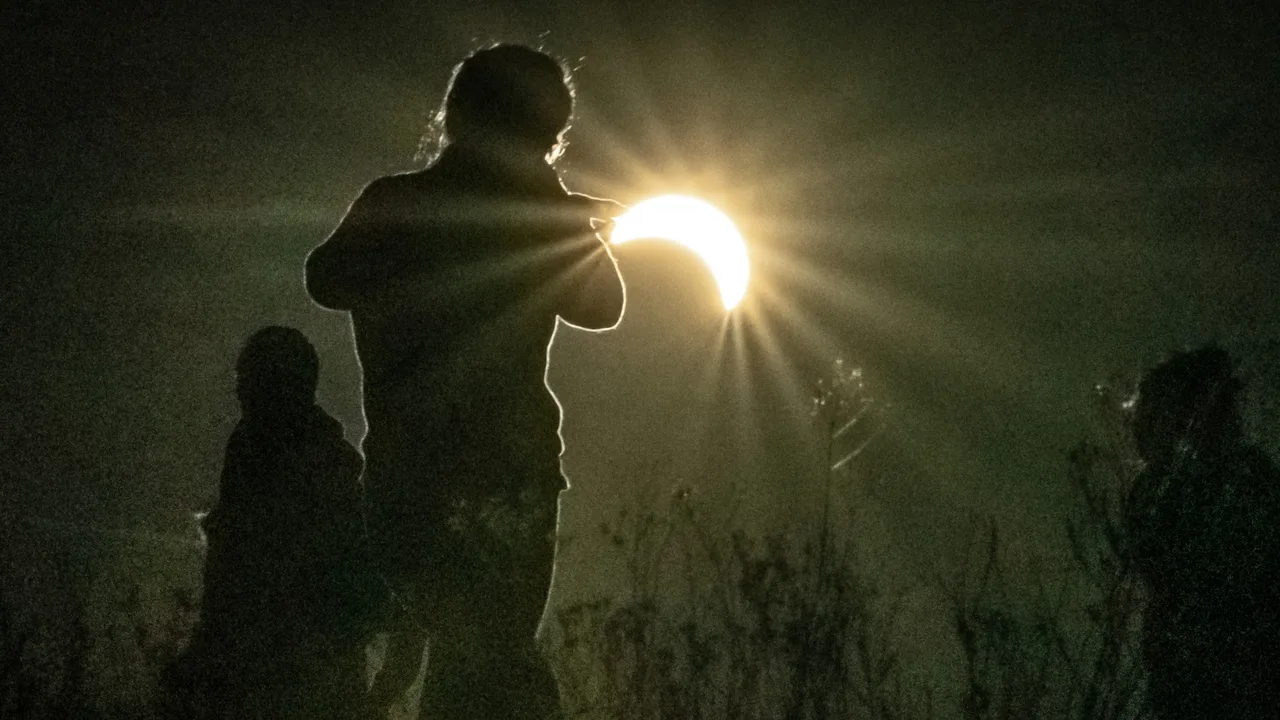
Most eclipses move from west to east, but on August 12, because the Moon's shadow will cross over the North Pole, it will uniquely sweep from the eastern hemisphere and continue into the western hemisphere. This eclipse, like others, will come in pairs. About two weeks after the solar eclipse, we will see a deep partial lunar eclipse on the night of August 27-28, and the Moon will appear in a reddish hue. The lunar eclipse will begin at 8:23 p.m. CDT on August 27 and end at 2:02 a.m. CDT on August 28, per EarthSky.
The Sun will appear larger than usual in Spain
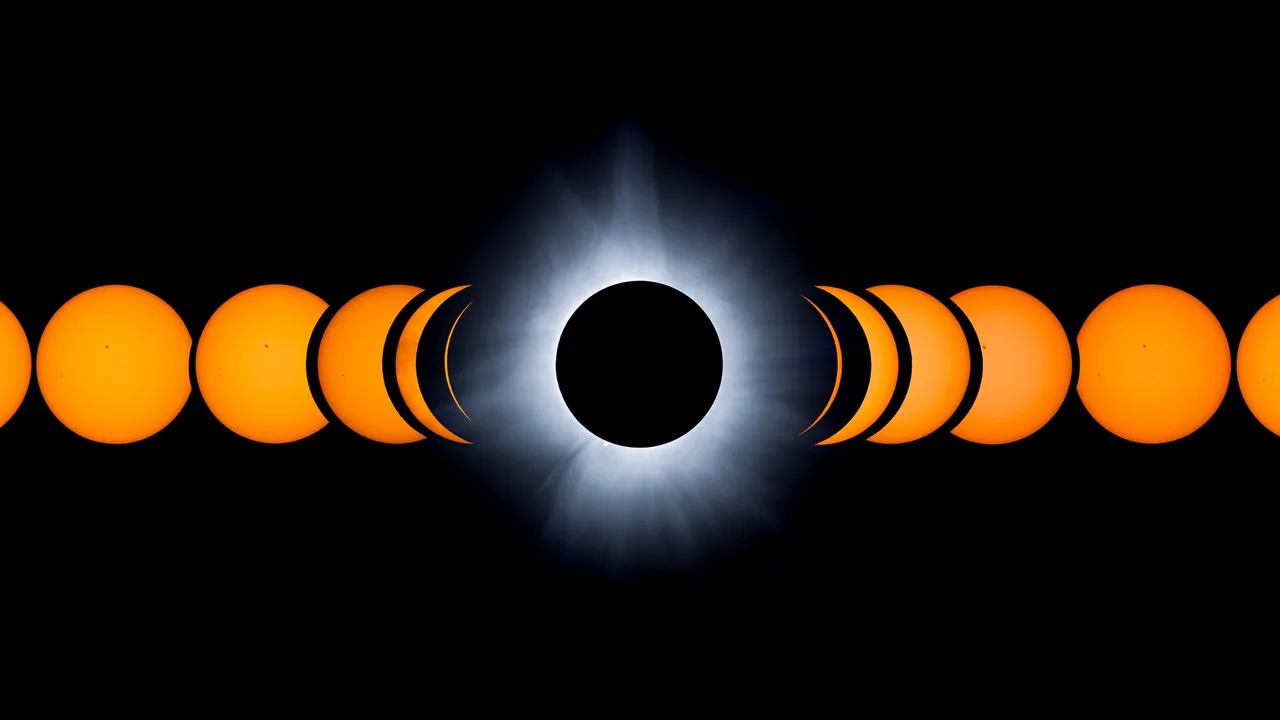
Because the eclipse will occur before and well into the sunset, the Sun will appear larger than usual in Spain as it will hang low in the western sky, due to a famous optical illusion. Observers may also be treated to stunning sunset colors during the eclipse as the Sun goes down. Cities like Lisbon, London, Milan, Paris, Madrid, and Oslo will fall outside the path of totality, hence observers there will have to be content with a partial eclipse. The Sun will be covered 91 percent in London by 7:13 pm, 95 percent in Portugal’s Lisbon, 92 percent in Paris, and 99 percent in Barcelona. Check the full list of timings here.
August 12 eclipse coincides with the Perseid meteor shower
The Perseid meteor shower is peaking on the night of August 12 into the pre-dawn hours of August 13, offering back-to-back skygazing opportunities. As the eclipse ends, it would be a good time to find a dark spot outdoors for what is widely considered the best meteor shower of the year. One can spot more than 100 meteors per hour under favorable weather conditions. The Moon will be in a new Moon phase, meaning the dark skies will be perfect for spotting some fireballs in the sky.