Perseid meteor shower 2026: How to join NASA’s watch party to see awesome fireballs on August 12
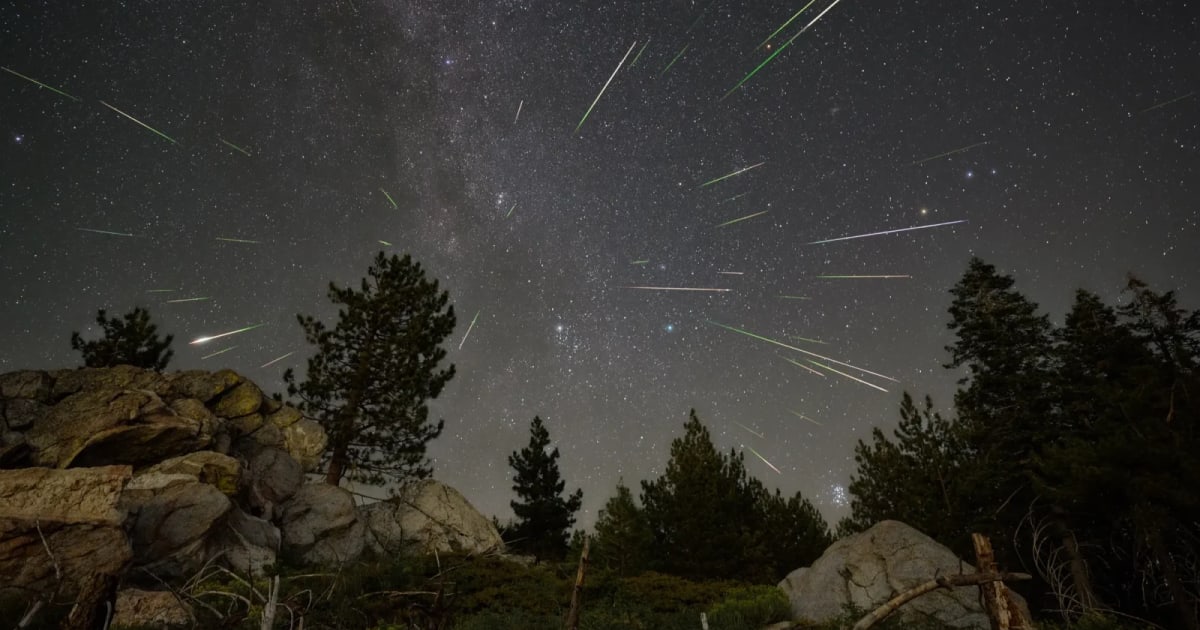
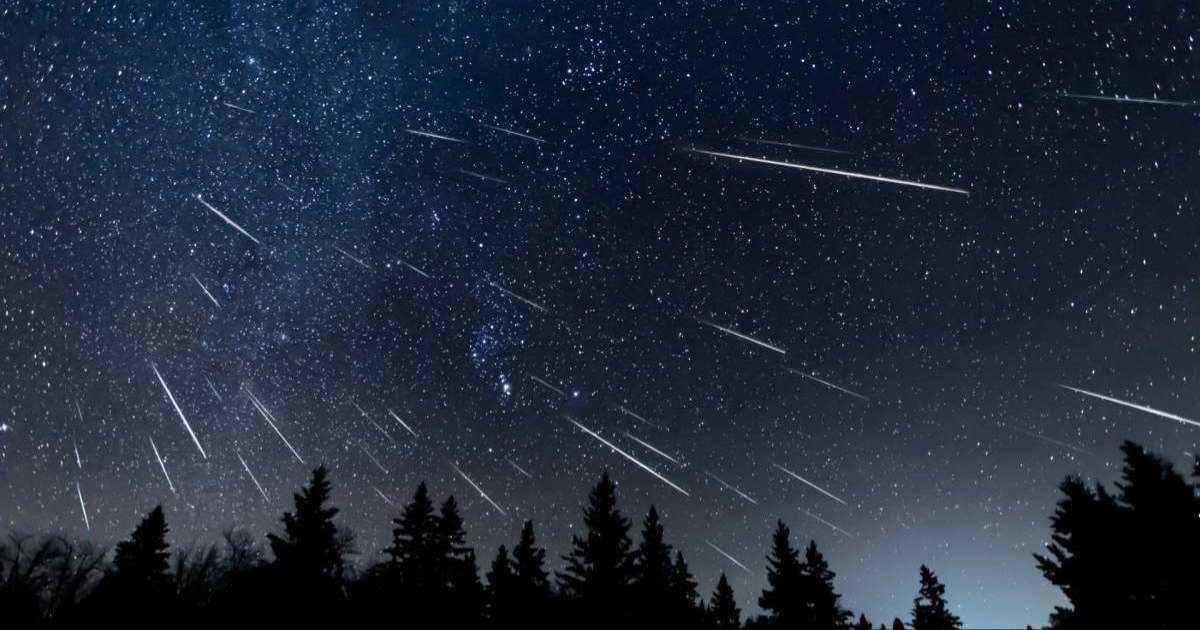
The Perseid meteor shower will peak on the night of August 12-13, and NASA is hosting a watch party for viewers across the globe. Widely considered the best meteor shower of the year, the Perseids are also among the oldest recorded meteor showers, with observations dating back more than 2,000 years. Under perfect conditions, they can produce more than 100 meteors per hour, offering viewers a high chance to spot them in the night sky.
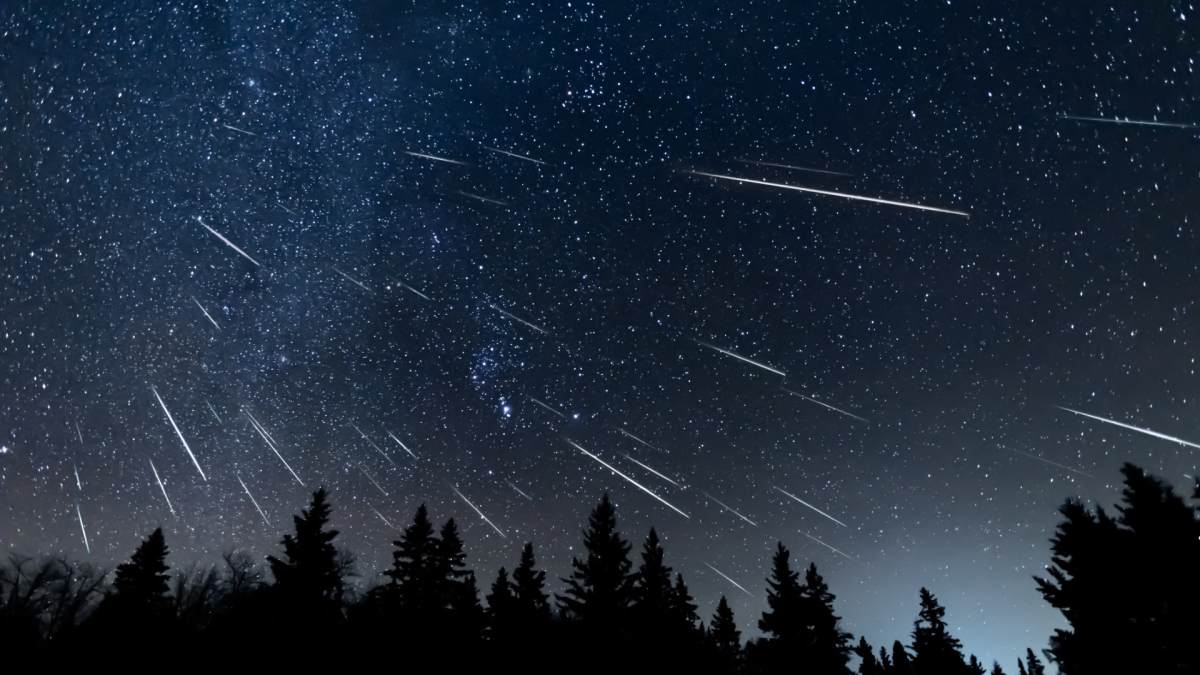
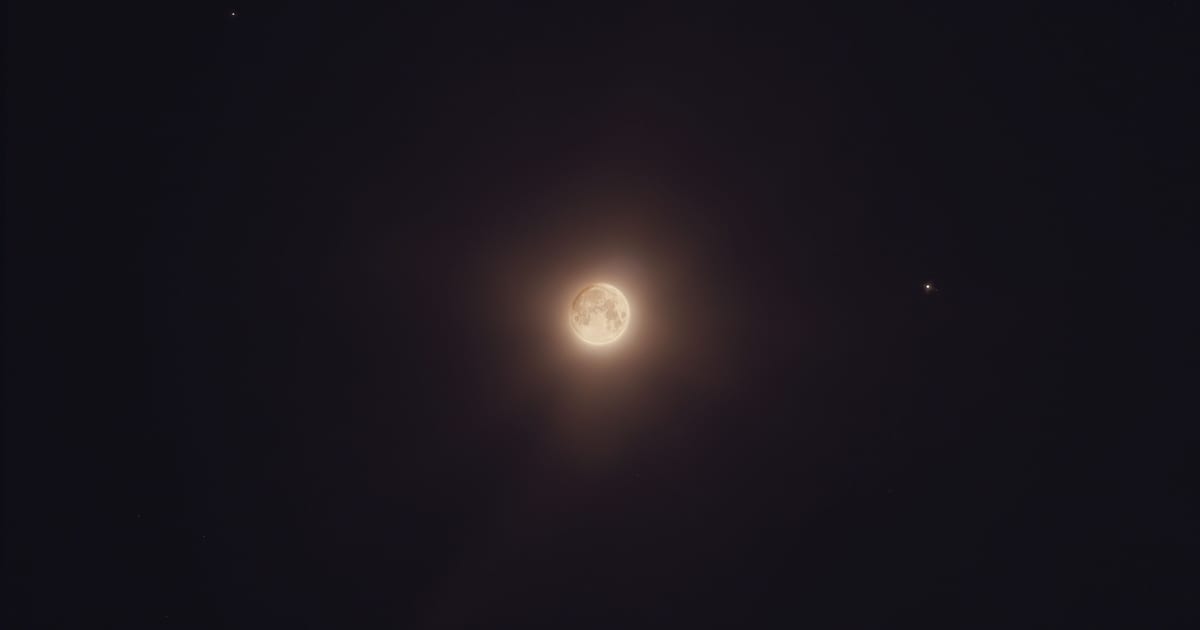
On the night of August 12, the Moon phase (new Moon) will make the viewing experience more pleasant as the skies will be darker—perfect for tracking the fireballs.
How to join NASA’s watch party
The watch party will begin on NASA’s YouTube channel at midnight (ET) on August 13. The hours around midnight to pre-dawn are considered the best for spotting the meteors. NASA stated that it has set up cameras at Marshall Space Flight Center’s Automated Lunar and Meteor Observatory (ALaMO) for live viewing, and it will invite meteor experts to answer questions from curious viewers.
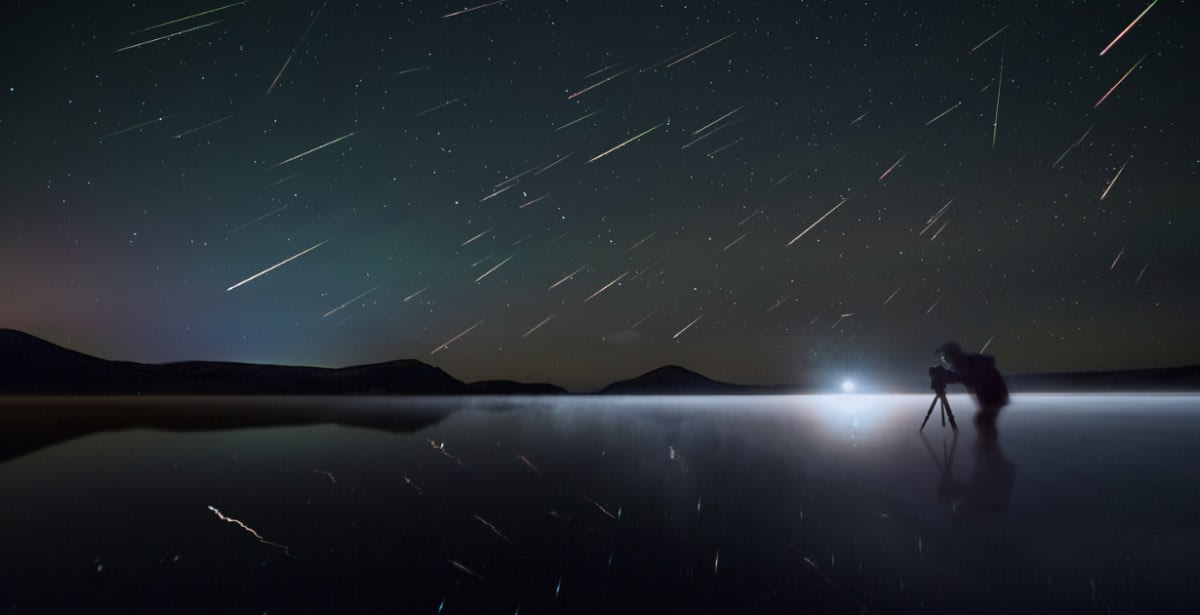
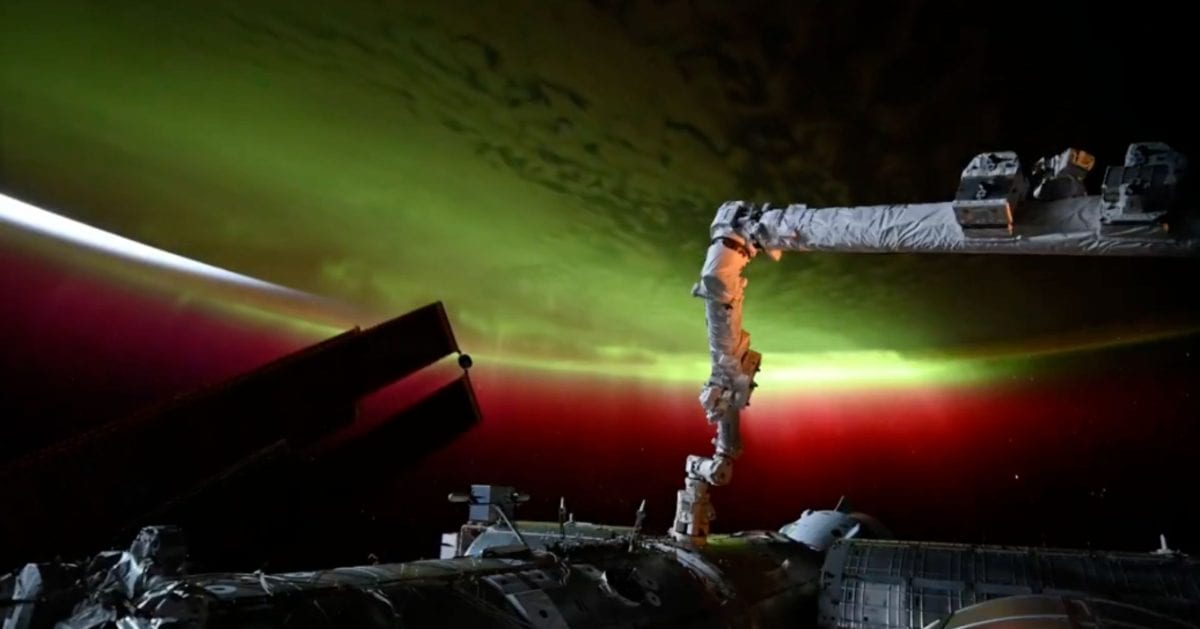
At the same time, NASA will share views of Earth's atmosphere from the International Space Station (ISS) to get better views of the event from a different vantage point, as cameras on the orbital laboratory can look down to see the meteors burning up below. So, even if the skies aren’t clear in your area, you can watch it from the comfort of your home.
How are Perseid meteors produced?
Meteors are produced when Earth passes through the debris trail of a comet. These trails consist of leftover materials that burn up in the atmosphere, creating bright streaks of light. The Perseids are said to originate from comet 109P/Swift-Tuttle, named after Lewis Swift and Horace Tuttle, who discovered it in 1862. Measuring 16 miles (26 kilometers) wide, the comet completes one orbit around the Sun in 133 years, and last visited the inner solar system in 1992. The Perseid meteors seem to originate from the constellation Perseus, which gives them their name.

Interestingly, the Perseid meteors will be preceded by a solar eclipse on the same day, August 12. In the U.S., residents will get to witness a partial solar eclipse, whereas mainland Europe will experience its first total solar eclipse since 1999. The eclipse will begin in the northern contiguous US around mid-day, whereas in mainland Europe, the eclipse begins a few hours before sunset. Check the full city-wise timings list.
More on Starlust:
Total Solar Eclipse 2026 is just days away—here’s how to safely watch the event on August 12
NASA to live stream August 12 solar eclipse, launch experiments: Here's all you need to know