Soviet lander Mars 3 made the first soft landing on Mars in 1971, then went silent within seconds
The Soviet mission that reached Mars
Landing on Mars was one of the biggest challenges in the early days of space exploration. But on December 2, 1971, the Soviet Mars 3 lander managed to do just that by softly landing on the surface. But not everything went as planned. Soon after it landed, its radio went quiet.
The lander transmitted for only about 14 to 20 seconds before the signal stopped completely. Here's the story of that first soft landing on Mars, and what happened next.
Its twin got there first, but didn't survive
Before Mars 3, the Soviet Mars 2 mission also attempted a landing and touched down on November 27, 1971. That made it the first human-made object to reach the surface of Mars. But during the landing, Mars 2 crashed. According to the reports, the reason for this was the harsh conditions on the Red Planet.
So within one week, two Soviet landers had reached Mars. But one crashed, and another one went silent within seconds of landing.
Mars 3 had little chance against the storm
The leading reason why Mars 3 went silent is that it was affected by a global dust storm. This storm was a violent one that was enough to cover the entire planet. According to experts, this storm could have damaged the lander's antenna or its sensitive electronics right after landing. And Mars 3 did not have the ability to dodge it.
Mars 3 had all its landing and setup instructions stored in its onboard computer months before reaching the planet. This left engineers with no way to adjust the sequence during the flight. Unfortunately, the storm came at a moment when the lander was already engaged in its descent.
But NASA's spacecraft had a way around the storm

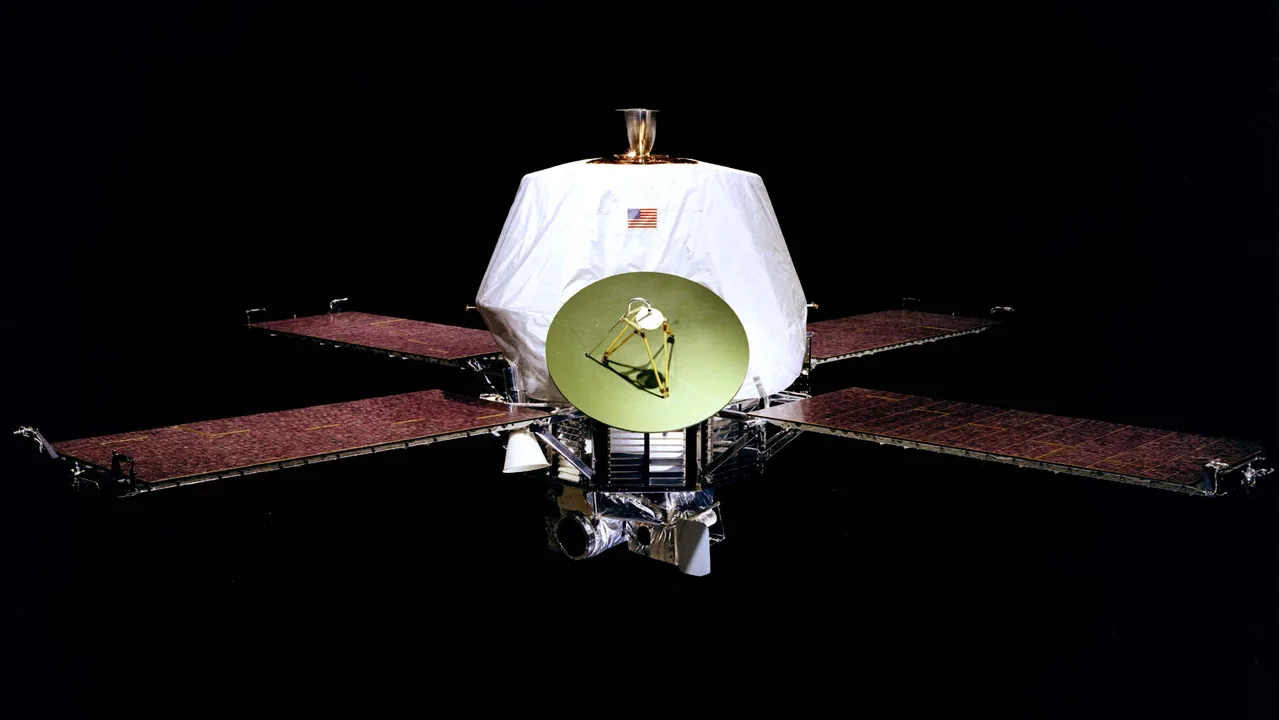
Interestingly, on November 13, 1971, NASA sent its Mariner 9 spacecraft to Mars, and it came out of the same storm. This made it the first-ever human-made craft to orbit another planet. The difference here was that, unlike Mars 3, it could be reprogrammed from Earth.
The dust had covered nearly the entire surface. So, the Jet Propulsion Laboratory team had to wait for the dust to clear. Mariner 9 was able to successfully photograph Phobos and Deimos, Mars's two small moons.
Mars 3 may still be resting on the Red Planet
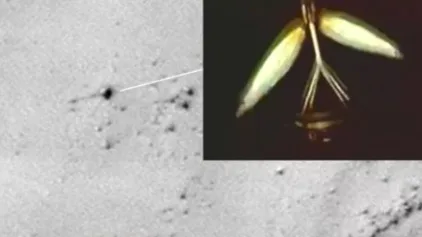
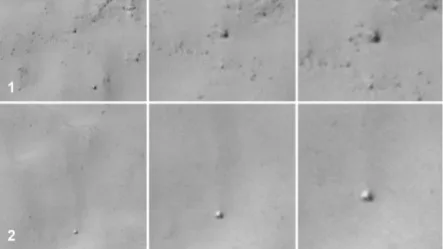
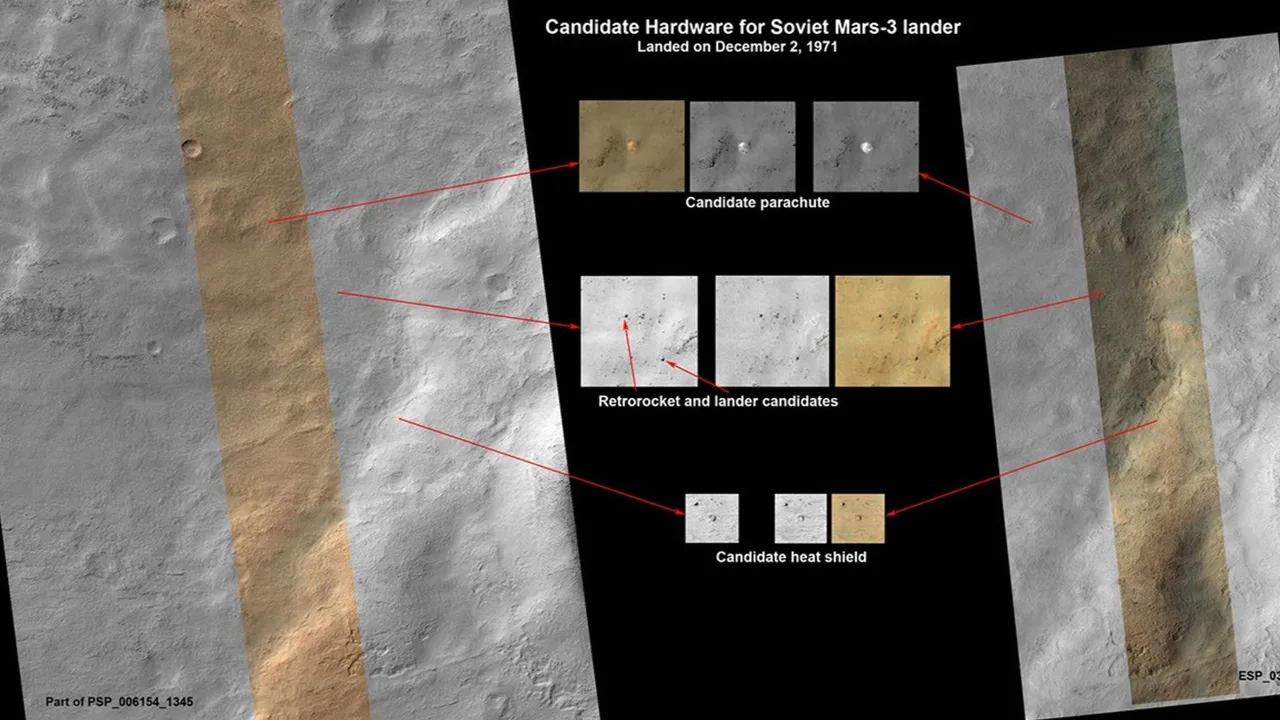
But the story doesn’t just end there. In April 2013, Russian enthusiasts examined images from the Mars Reconnaissance Orbiter. They found shapes that looked very similar to the lander itself. The shapes were found in the Ptolemaeus crater, which is not far from the planned landing site of Mars 3.
And if that reading is right, it would mean that Mars 3 is still waiting on the surface. Up ahead, Japan's MMX mission will aim to bring back samples from Phobos. On the other hand, China is also preparing its Tianwen-3 mission for the end of the decade.