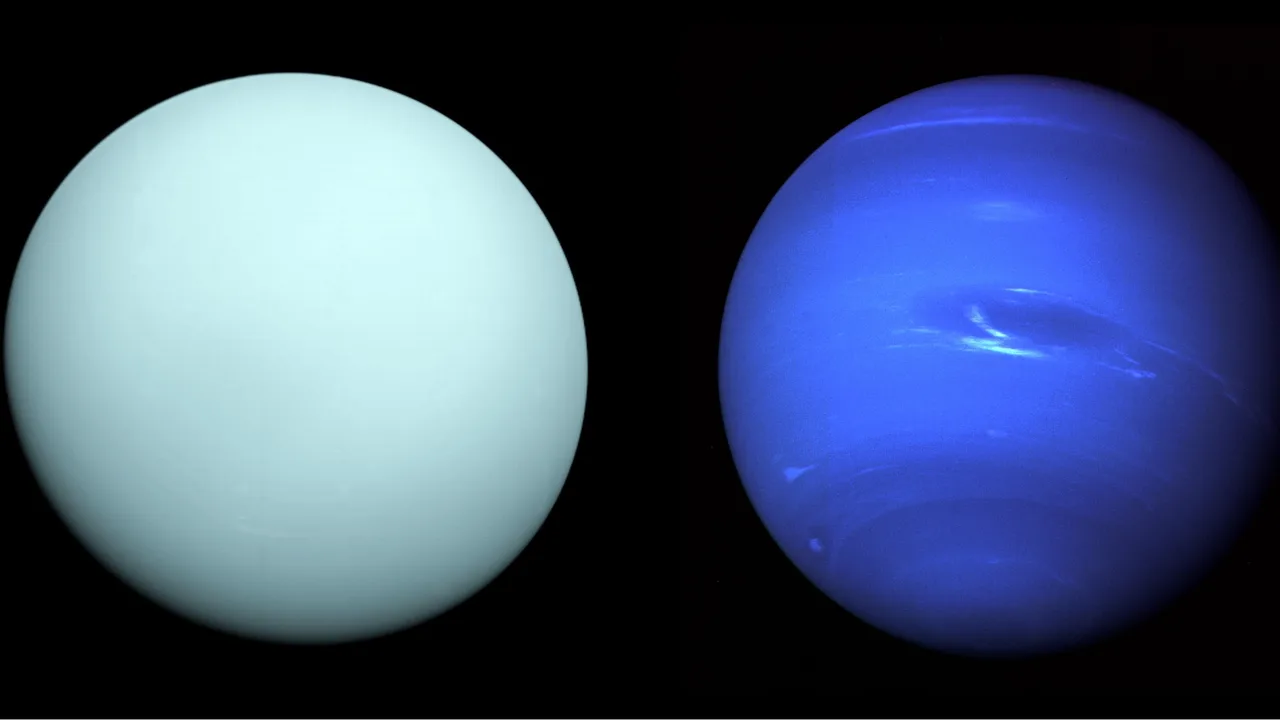
NASA scientist explains why it actually rains diamonds on Uranus and Neptune
The planets where diamonds fall like rain
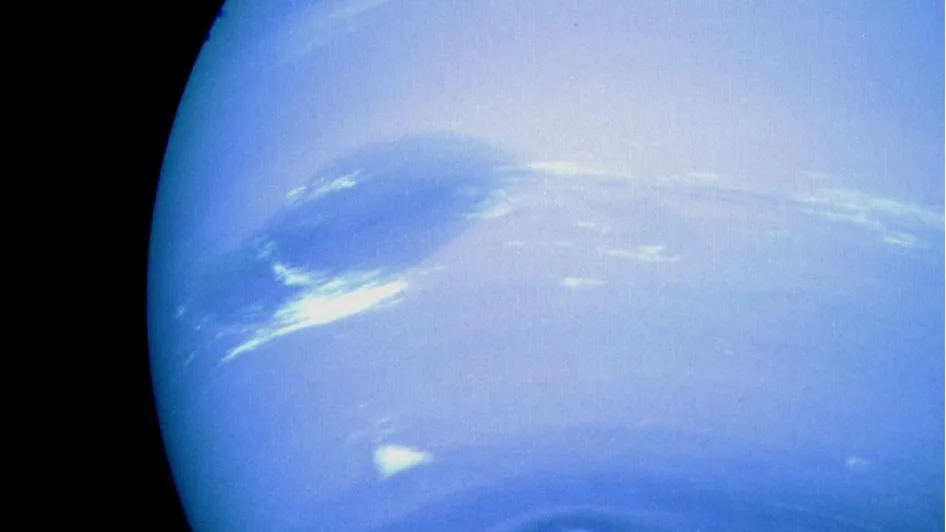
Uranus and Neptune are among the most mysterious objects in our universe. And that's because there's still so much we don't know about them. Their temperatures and pressures are so extreme that scientists believe it literally rains diamonds on these planets.
Interestingly, Uranus and Neptune are famously known as ice giants. But they're not actually made of ice in the way you might imagine. In fact, they're believed to be made mostly of water, ammonia, and methane. So, what's really going on inside these mysterious planets? And how exactly does it rain diamonds there? Here's what science has to say.
The science behind Neptune's diamond rain
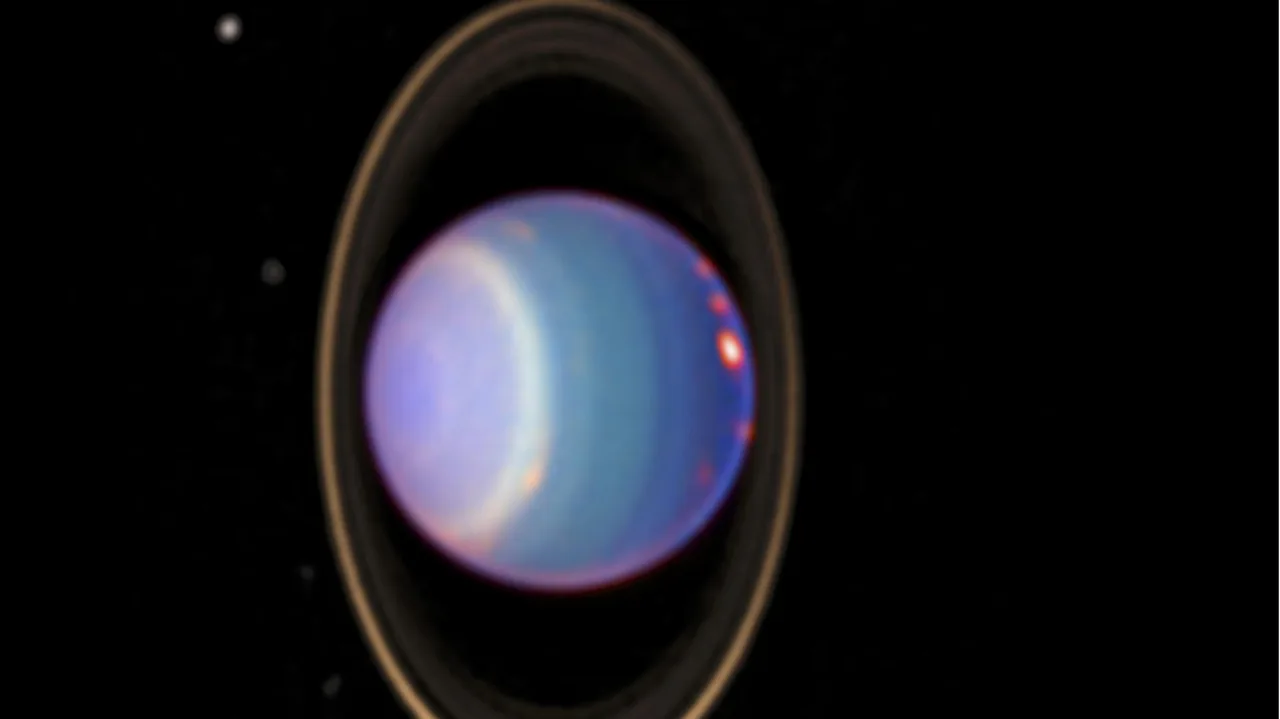
Both of these planets look blue, and the reason for this is methane, which also contains carbon. Explaining this, Naomi Rowe-Gurney, a former postdoctoral research associate at NASA's Goddard Space Flight Center, shared that carbon can be crushed under extreme pressure.
Speaking on NASA’s interplanetary talk show, she added, “And inside the planet, when it gets really hot and really dense, these diamonds form and accumulate, and then they become even heavier. And that means that they kind of rain down in the atmosphere.”
But it’s not like the rain we see here on Earth

This is because the pressure on these planets is so extreme that we will never be able to “go and grab them.” Our last close-up data from these planets came from Voyager 2's flyby, and telescopes have been the only way to study them since.
And since these planets are far away, sending a spacecraft won't be possible anytime soon. So the next best thing to study these planets is to use powerful lasers to recreate the planets' heat and pressure here on Earth.
Scientists recreated diamond rain in a lab
Physicist Dominic Kraus and his team ran the experiment at SLAC National Accelerator Laboratory at Stanford University. As part of their study, they applied heat and pressure to polystyrene, then used a laser to send shockwaves through it. The temperatures hit 8,540 degrees Fahrenheit (Earth's core, for comparison, is about 10,800 degrees Fahrenheit).
Then, the team aimed X-rays from SLAC's Linac Coherent Light Source at it and measured how the light bounced off electrons. It was the first time anyone had seen this reaction play out in real time. First, the carbon and hydrogen split apart. Then the carbon changed into diamond almost immediately and dropped down through the sample.
Diamond rain could explain Neptune's excess heat
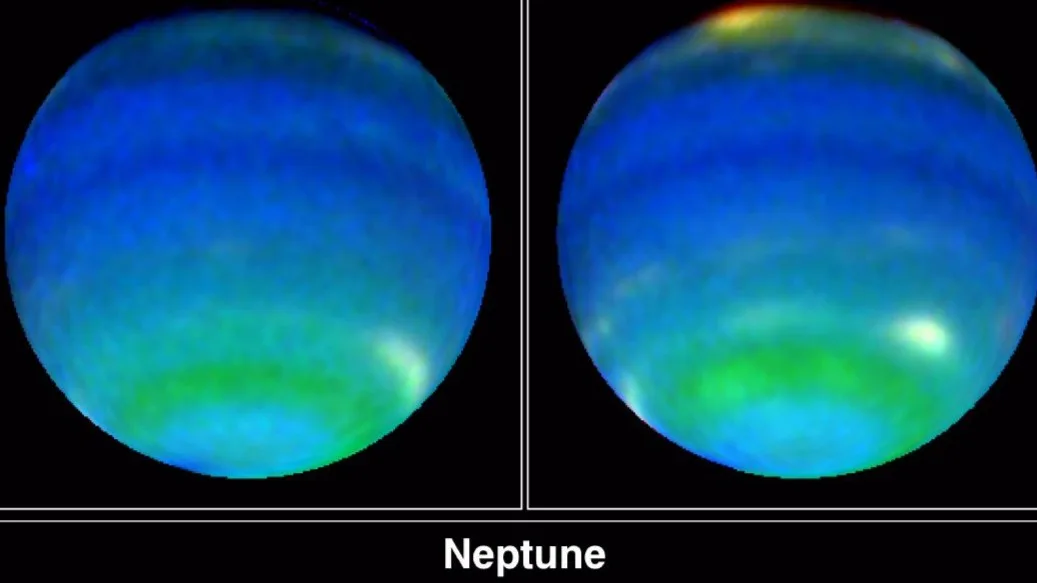
Neptune's core produces more than twice the energy it absorbs from the Sun, and Kraus says the experiment may explain why. The researchers suspect that sheets of falling diamond could generate gravitational energy and, in turn, heat.
"Our experiments are delivering important model parameters where, before, we only had massive uncertainty," Kraus explained. He added, "This will become ever more relevant the more exoplanets we discover."