✕
Astronomy Constellation Deep Sky Objects Skywatching Instruments Spaceflight Videos
Moon Phases
Home / Galleries

Scientists discover a massive space hurricane that rains electrons

Astronomy Nov 26, 2026
BY ANKITA GARKOTI
Weather satellite for observing powerful thunderstorms of storms. (Representative Cover Image Source: aapsky/Getty Images)
Scientists have reported the first observation of a space hurricane, and it's a storm that rained electrons instead of water.
5 Photos
1 / 5
Scientists discovered a new kind of space storm
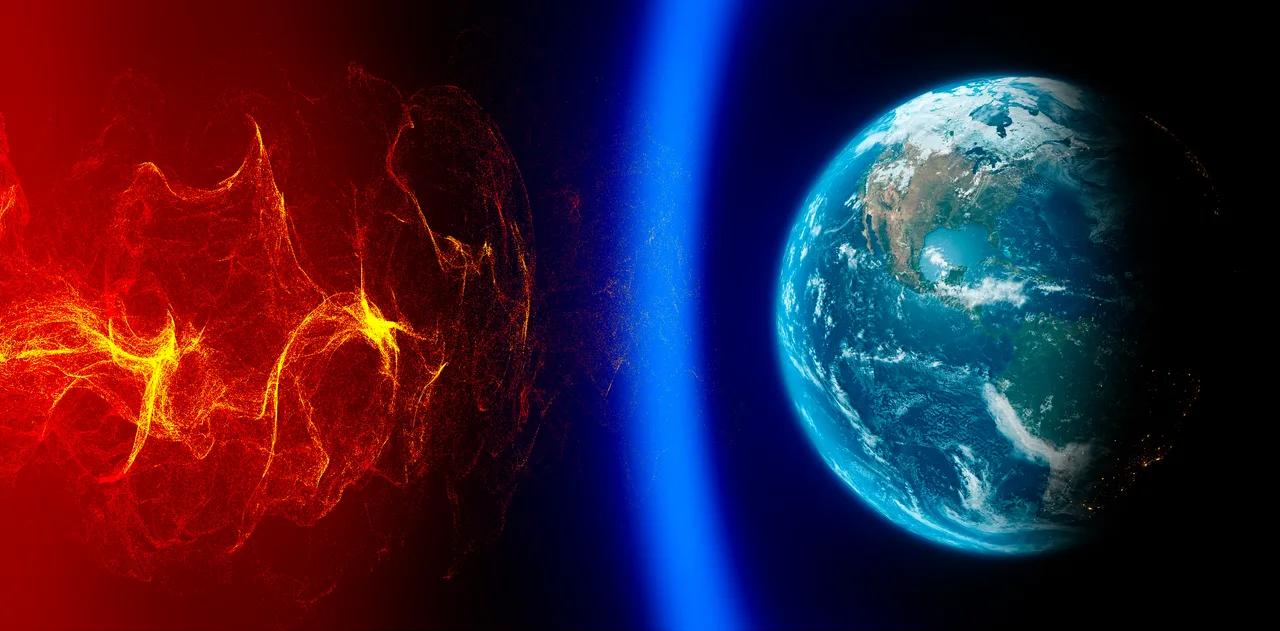
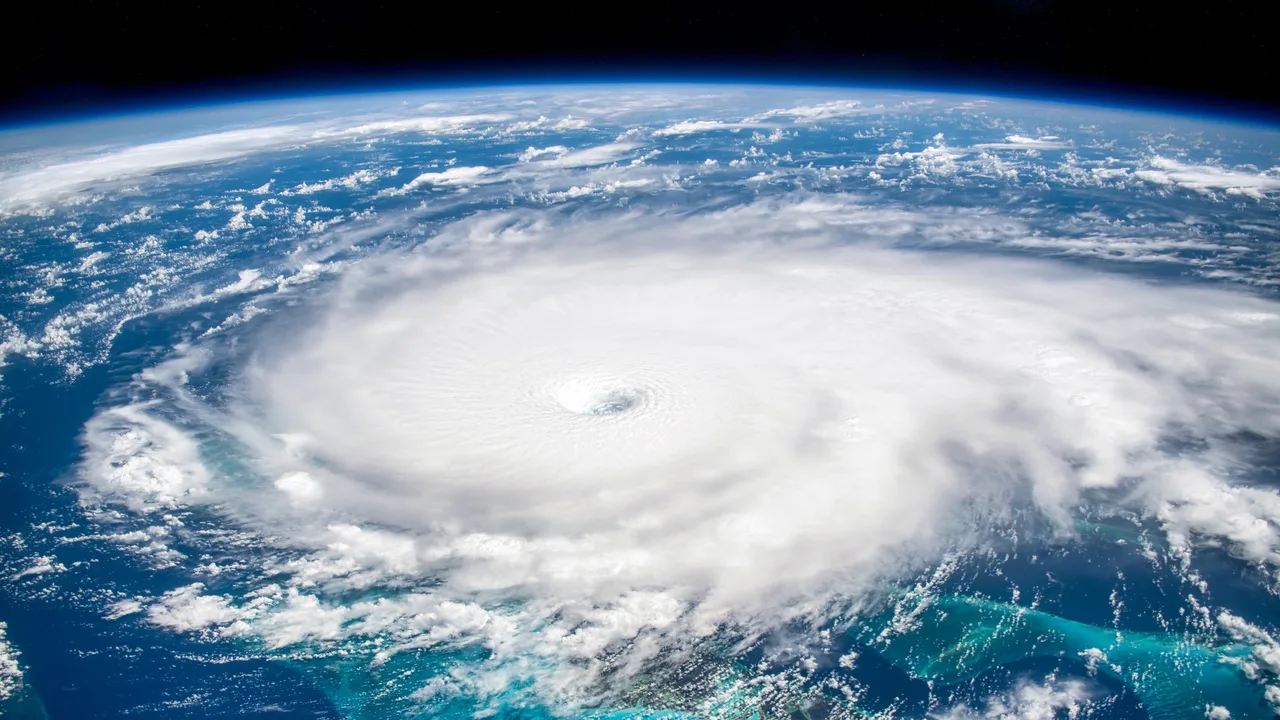
IMAGE SOURCE: ROBERTO MACHADO NOA/GETTY IMAGES

Scientists discovered a new kind of space storm

For the first time, researchers have detected a storm resembling a hurricane in space. And there was something strange. There was no water or rain. In this case, it was actually a giant spinning mass of plasma, which is a gas made up of electrically charged particles. And this hurricane was spotted high above Earth’s North Pole. 

Scientists have never detected anything like this in our planet’s upper atmosphere. Here’s what this means.

2 / 5
A hurricane with no ocean
IMAGE SOURCE: NAEBLYS/GETTY IMAGES

A hurricane with no ocean

According to researchers, the storm measured about 620 miles across and hung roughly 125 miles above the North Pole. It’s called a hurricane because it looks and acts like one. According to Larry Lyons, who is a professor of atmospheric and oceanic sciences at the University of California, Los Angeles, its spiral arms churned in place for almost eight hours.

Lyons co-authored the study, which was published in Nature Communications. Commenting on the discovery, he said, "It really wasn't expected.” He added, "It wasn't even theoretically known."

3 / 5
How did a storm this big stay hidden?
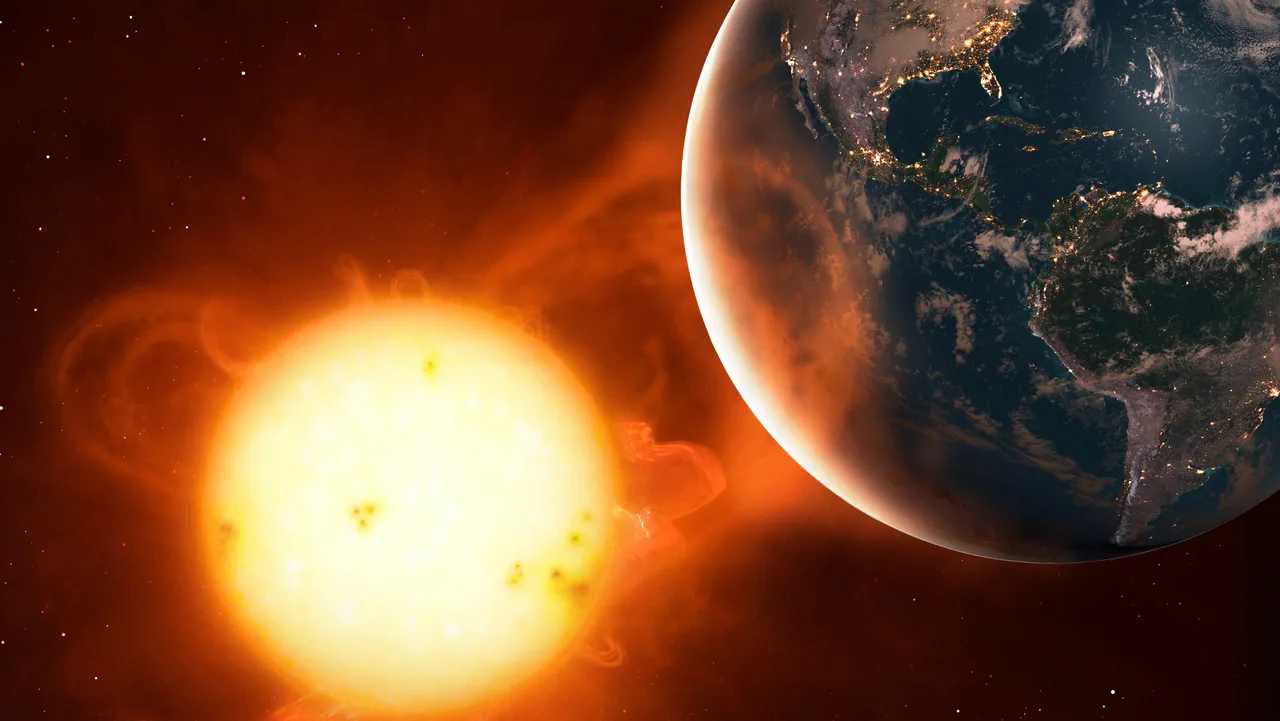
IMAGE SOURCE: YUICHIRO CHINO/GETTY IMAGES

How did a storm this big stay hidden?

To find evidence of the event, researchers across China, the United States, Norway, and the United Kingdom looked into the satellite observations recorded in August 2014. The satellites captured only part of the disturbance as it passed over the North Pole. Lyons explained that researchers might have missed the entire event if they hadn’t looked at older data.

"We had various instruments measuring various things at different times, so it wasn't like we took a big picture and could see it," he said. "The really fun thing about this type of work is that we had to piece together bits of information and put together the whole picture."

4 / 5
So, what kind of hurricane is this?
IMAGE SOURCE: SCIENCE PHOTO LIBRARY | MARK GARLICK/SCIENCE PHOTO LIBRARY/GETTY IMAGES

So, what kind of hurricane is this?

The unusual storm sent very small negatively charged particles toward the upper atmosphere. According to the study, the energy reached roughly 10 keV near the storm's center. The activity also coincided with an aurora that resembled a cyclone.

Storms like this trace back to the solar wind. Michael Lockwood, a professor of space environment physics at the University of Reading in the U.K., explained, "Tropical storms are associated with huge amounts of energy, and these space hurricanes must be created by unusually large and rapid transfer of solar wind energy and charged particles into the Earth’s upper atmosphere."

5 / 5
Should anyone on Earth be worried?
IMAGE SOURCE: RBKOMAR/GETTY IMAGES

Should anyone on Earth be worried?

Space weather conditions remained calm for several hours before the storm formed. At that time, solar and geomagnetic activity were both low, and the solar wind was moving more slowly than usual. The hurricane’s position over the North Pole also makes it unlikely to pose a risk to people at lower latitudes.

Still, it could affect communications and navigation systems. "People who are interested in satellite communications and GPS signals are going to care a lot," Lyons added.

MORE GALLERIES

Soviet lander Mars 3 made the first soft landing on Mars in 1971, then went silent within seconds 5

Soviet lander Mars 3 made the first soft landing on Mars in 1971, then went silent within seconds

Nov 25, 2026
NASA scientist explains why it actually rains diamonds on Uranus and Neptune 5

NASA scientist explains why it actually rains diamonds on Uranus and Neptune

Nov 25, 2026
In 1948, two pilots reported a cigar-shaped UFO over Alabama, and the case baffled officials 5

In 1948, two pilots reported a cigar-shaped UFO over Alabama, and the case baffled officials

Nov 23, 2026
5 breathtaking images of the universe captured by NASA's James Webb Space Telescope 6

5 breathtaking images of the universe captured by NASA's James Webb Space Telescope

Nov 20, 2026
Trump recalls ‘very strange’ UFO sightings by Air Force pilots; Harvard physicist also weighs in 5

Trump recalls ‘very strange’ UFO sightings by Air Force pilots; Harvard physicist also weighs in

Nov 19, 2026
‘Most UFO sightings can be explained’: SETI scientist Seth Shostak offers a scientific perspective on alien claims 5

‘Most UFO sightings can be explained’: SETI scientist Seth Shostak offers a scientific perspective on alien claims

Nov 18, 2026
‘They love to think the government is keeping it all secret’: SETI scientist Seth Shostak on America’s alien obsession 5

‘They love to think the government is keeping it all secret’: SETI scientist Seth Shostak on America’s alien obsession

Nov 16, 2026
‘Why are the aliens so interested in the United States?’ SETI scientist Seth Shostak questions UFO sightings 5

‘Why are the aliens so interested in the United States?’ SETI scientist Seth Shostak questions UFO sightings

Nov 14, 2026
Could microbes live beneath Mars’ surface? A new study raises the question 5

Could microbes live beneath Mars’ surface? A new study raises the question

Nov 12, 2026
How Soviet cosmonaut Alexei Leonov almost became the first human on the Moon 5

How Soviet cosmonaut Alexei Leonov almost became the first human on the Moon

Nov 10, 2026
Could a black hole actually split in two? Physicists say it’s not impossible 5

Could a black hole actually split in two? Physicists say it’s not impossible

Nov 10, 2026
The Soviet Union built its own space shuttle to rival NASA, only for it to end in tragedy 5

The Soviet Union built its own space shuttle to rival NASA, only for it to end in tragedy

Nov 9, 2026
Pilots report a mysterious pill-shaped UFO at 41,000 feet over Ohio, and the case remains unexplained 5

Pilots report a mysterious pill-shaped UFO at 41,000 feet over Ohio, and the case remains unexplained

Nov 7, 2026
President Trump honored with gold plaque at MAX POWER Expo by NASA chief and Artemis crew: See images 5

President Trump honored with gold plaque at MAX POWER Expo by NASA chief and Artemis crew: See images

Nov 7, 2026
Are we alone in the universe? 5 discoveries that made alien life seem possible 6

Are we alone in the universe? 5 discoveries that made alien life seem possible

Nov 6, 2026
How a 1947 UFO sighting near Mt. Rainier popularized the term “flying saucer” 5

How a 1947 UFO sighting near Mt. Rainier popularized the term “flying saucer”

Nov 5, 2026
NASA-funded study reveals a Sahara meteorite is one of the oldest pieces of Mars ever found 5

NASA-funded study reveals a Sahara meteorite is one of the oldest pieces of Mars ever found

Nov 5, 2026
What does the Moon smell like? Here’s how Apollo astronauts described it 5

What does the Moon smell like? Here’s how Apollo astronauts described it

Nov 5, 2026
This mysterious radio source has baffled astronomers for more than 20 years: Here’s why 5

This mysterious radio source has baffled astronomers for more than 20 years: Here’s why

Nov 4, 2026
Starlust.org is part of the Scale Content Inc. publishing group.

Google Source

About Us
Editorial Guidelines
Privacy Policy
Cookie Policy
Terms of Use
Contact Us
Link to Facebook
Link to Instagram

© Scale Content Inc. 1178 Broadway, 3rd Floor #3469, New York, NY 10001, United States