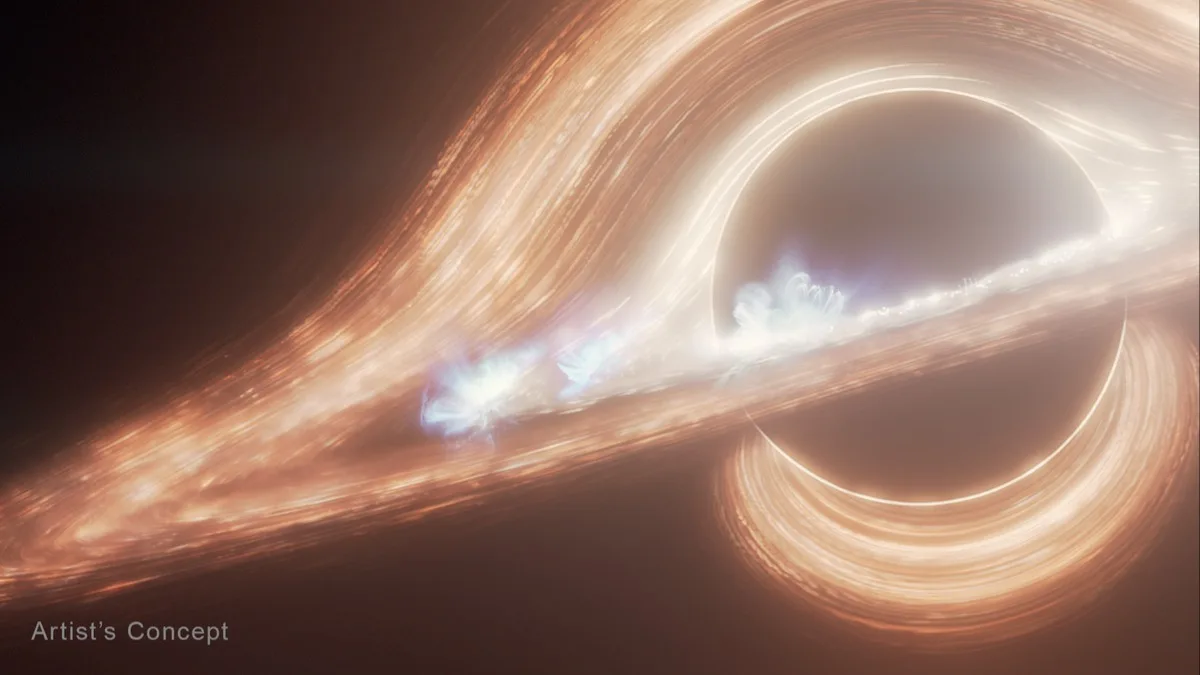
Scientists finally captured an image of a giant black hole at the heart of our galaxy
A first look at the giant at the center of our galaxy
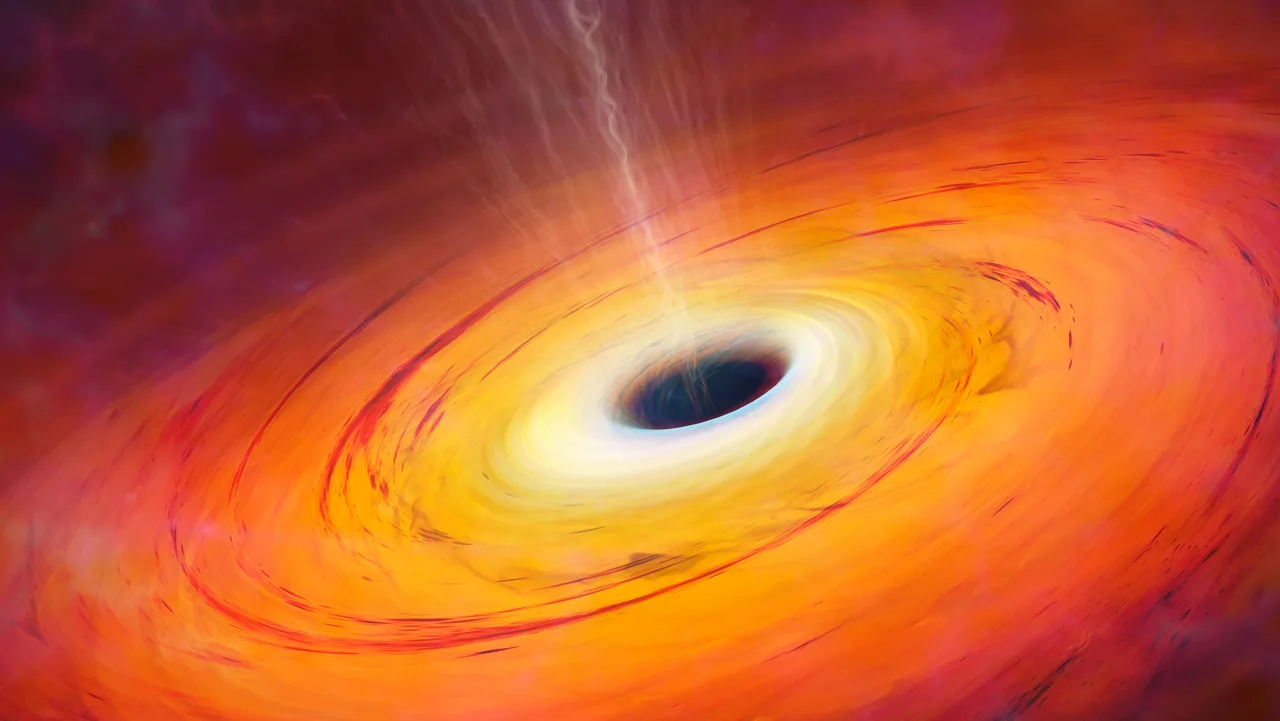
Black holes are considered to be some of the most mysterious objects in our known universe. We know they aren’t really ‘holes’, and they don’t simply suck in everything around them either. But even with what we do know, much of their origin and formation remains a mystery.
And now, scientists have found one at the very center of our own galaxy. Here’s a closer look at this cosmic mystery and what we know about it so far.
The black hole is dark, so what are we looking at?
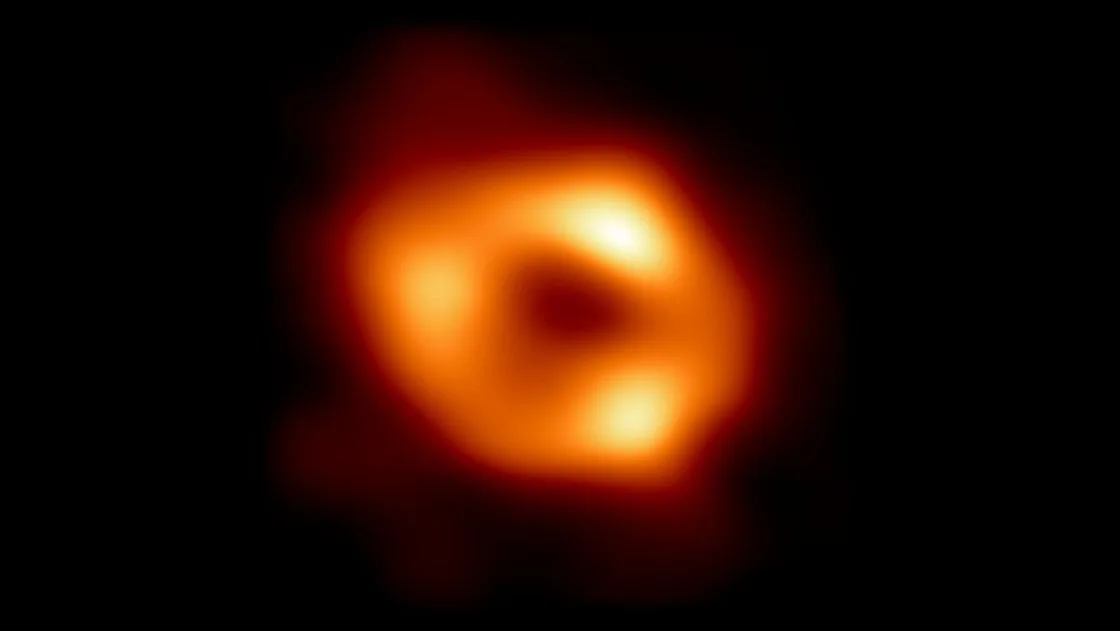
This black hole is known as Sagittarius A* ( or Sgr A*). Even though a black hole appears completely dark, in the image, you can see glowing gas around it. That gas forms a bright ring, with a dark central region inside it that scientists call a "shadow."
The ring's shape comes from the black hole's powerful gravity, which bends nearby light. Also, this black hole has the same mass as roughly four million Suns combined.
How do you photograph something 27,000 light-years away?
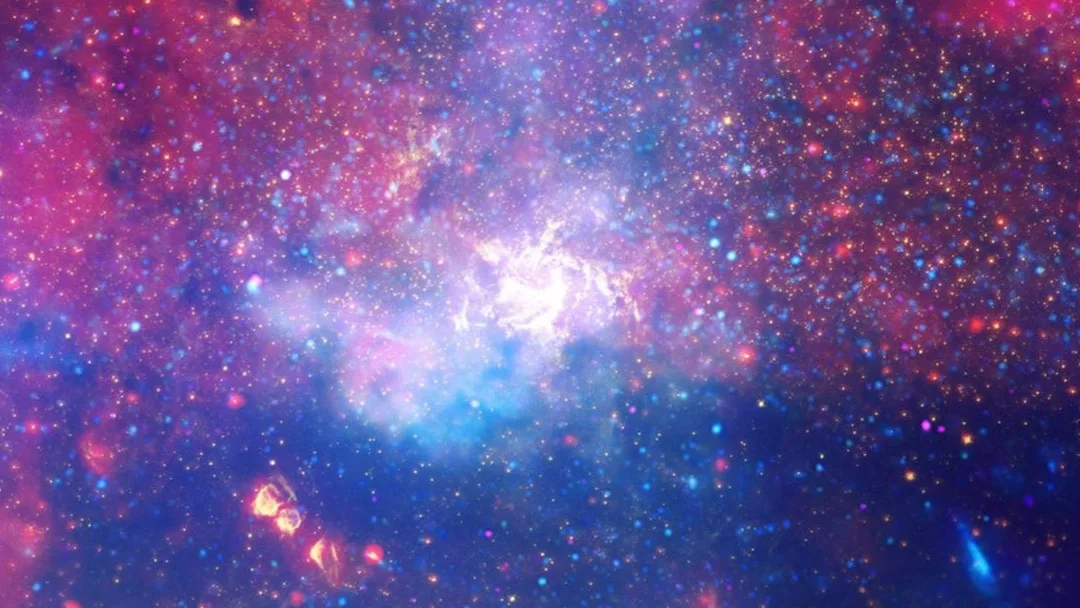
At a distance of roughly 27,000 light-years, this black hole is located deep within our galaxy. Instead of relying on a single telescope, astronomers linked eight radio observatories across the globe to create the Event Horizon Telescope and effectively turned them into one Earth-sized virtual telescope.
Using this, astronomers observed Sgr A* over several nights and collected hours of data each time.
Two very different black holes, one familiar look
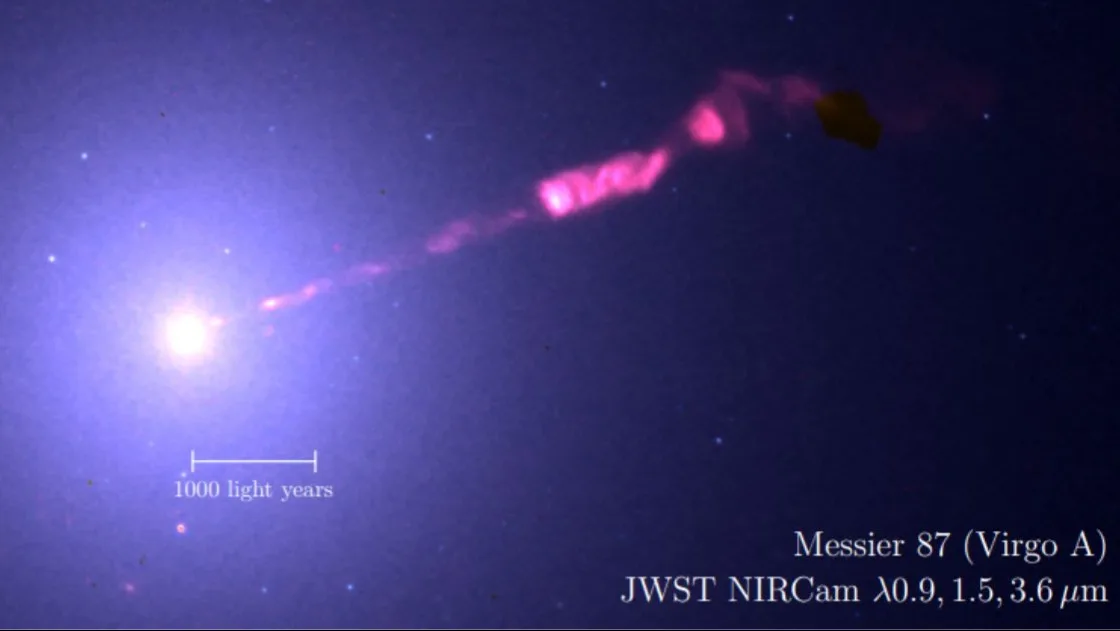
M87* is another black hole that was imaged in 2019. It sits in the more distant Messier 87 galaxy, yet Sgr A* proved the tougher target. The difference partly comes down to their size and mass. Sgr A* is more than 1,000 times smaller and less massive than M87, and each one is located in a very different galaxy.
Even so, they look remarkably similar. Sera Markoff, co-chair of the EHT Science Council, explained, “This tells us that General Relativity governs these objects up close, and any differences we see further away must be due to differences in the material that surrounds the black holes.”
The image was only the beginning
Based on the findings, researchers compared the ring's size with predictions from Einstein's Theory of General Relativity. “We were stunned by how well the size of the ring agreed with predictions from Einstein’s Theory of General Relativity,” said EHT Project Scientist Geoffrey Bower.
In another study covered with the help of NASA’s IXPE (Imaging X-ray Polarimetry Explorer) telescope, scientists found that this supermassive black hole woke up recently, about 200 years ago, to devour cosmic detritus within its reach. Astronomers around the world have been closely observing this black hole to learn more about how it behaves.