Scientists say Saturn's moon Enceladus could host life
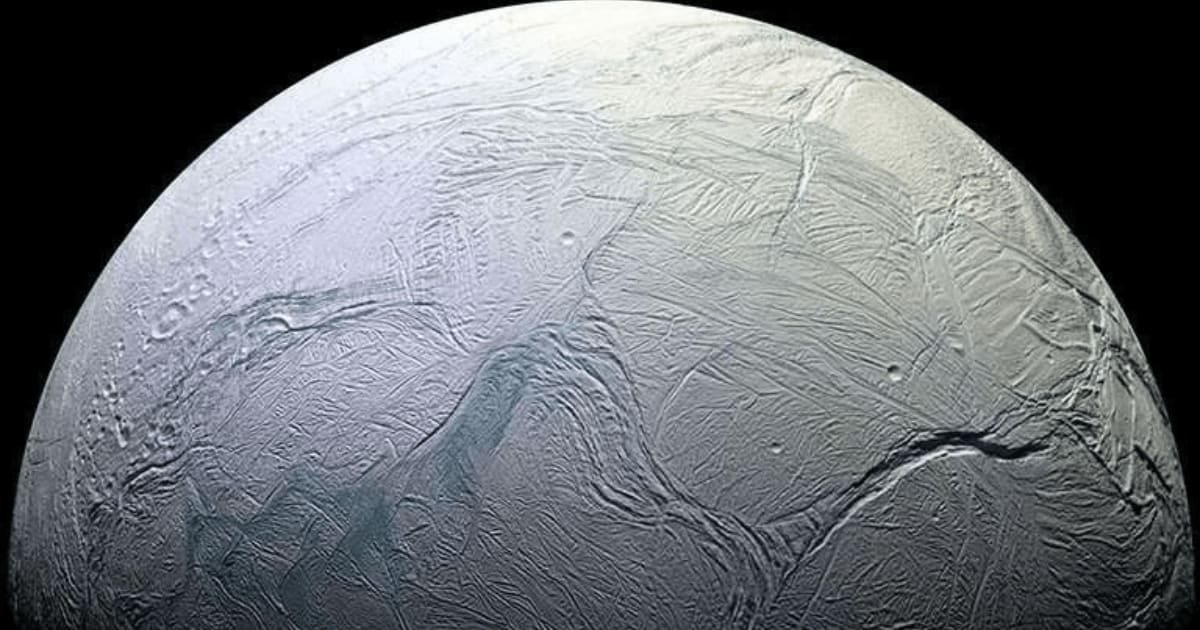
Enceladus, one of Saturn's icy moons, has long been considered one of the most promising places for the existence of extraterrestrial life. And now, two new studies involving Frank Postberg, a planetary scientist from Freie Universität Berlin, have reinforced that notion. Although the findings do not directly indicate the existence of life on Enceladus, they make a compelling case suggesting that the moon's subsurface ocean could support life. The first study suggests that identifying the constituents of the ocean below Enceladus's icy crust is easier than previously assumed. Meanwhile, the second study reveals that certain microorganisms might survive in Enceladus' harsh ocean conditions.
What makes Enceladus such a good candidate for supporting alien life?
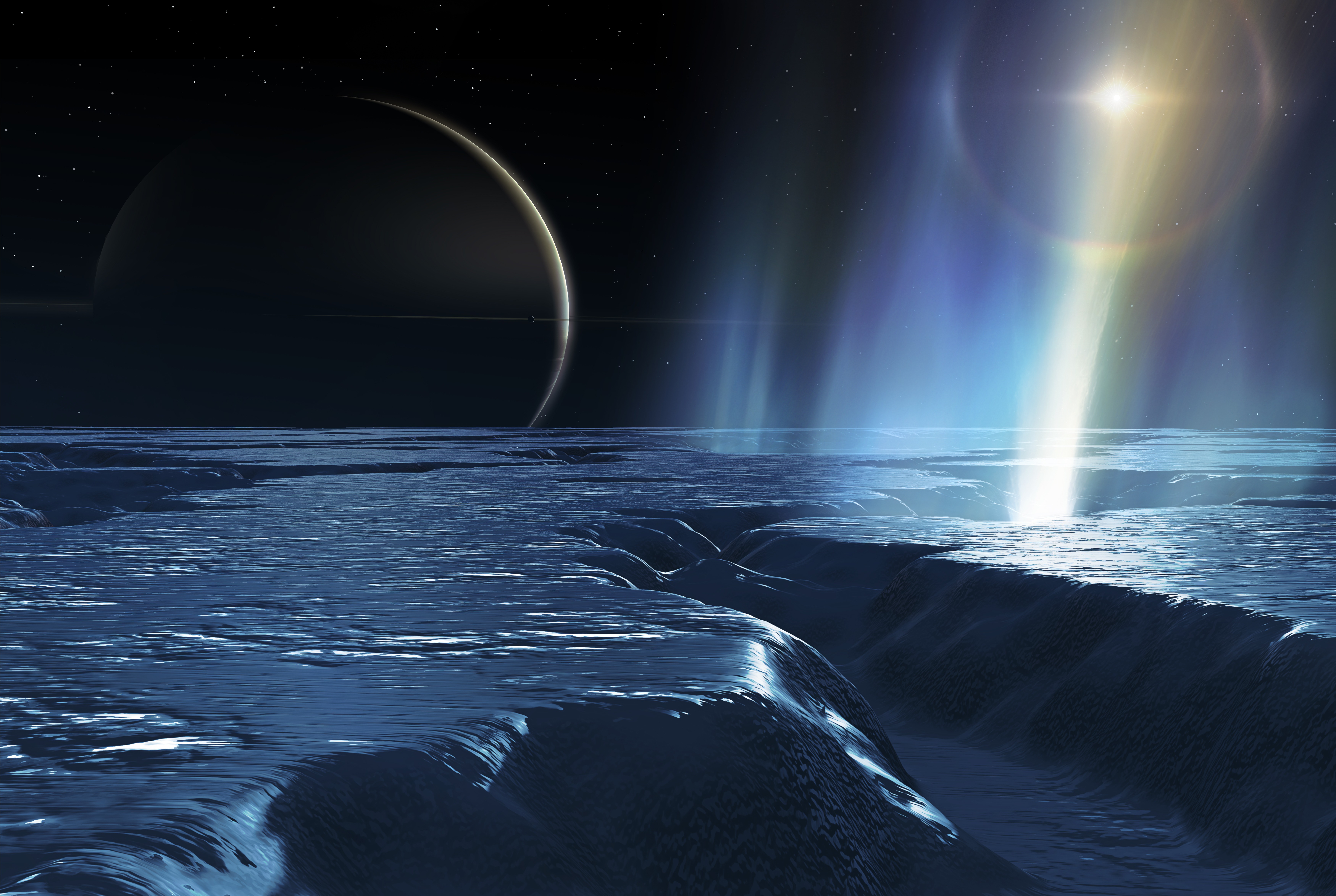
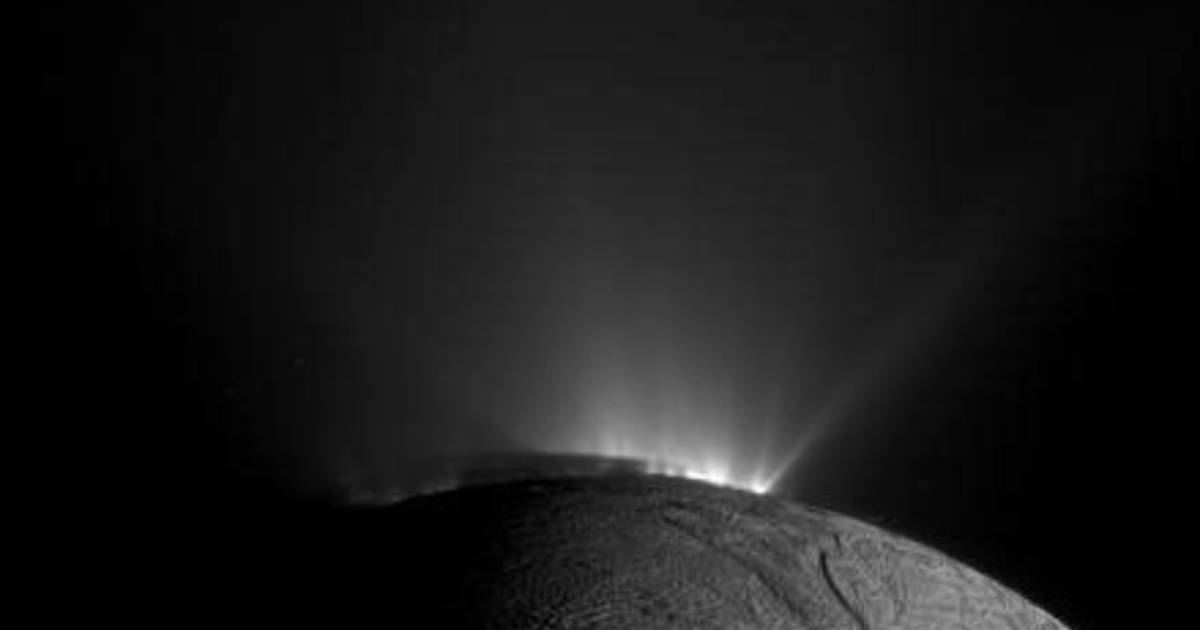
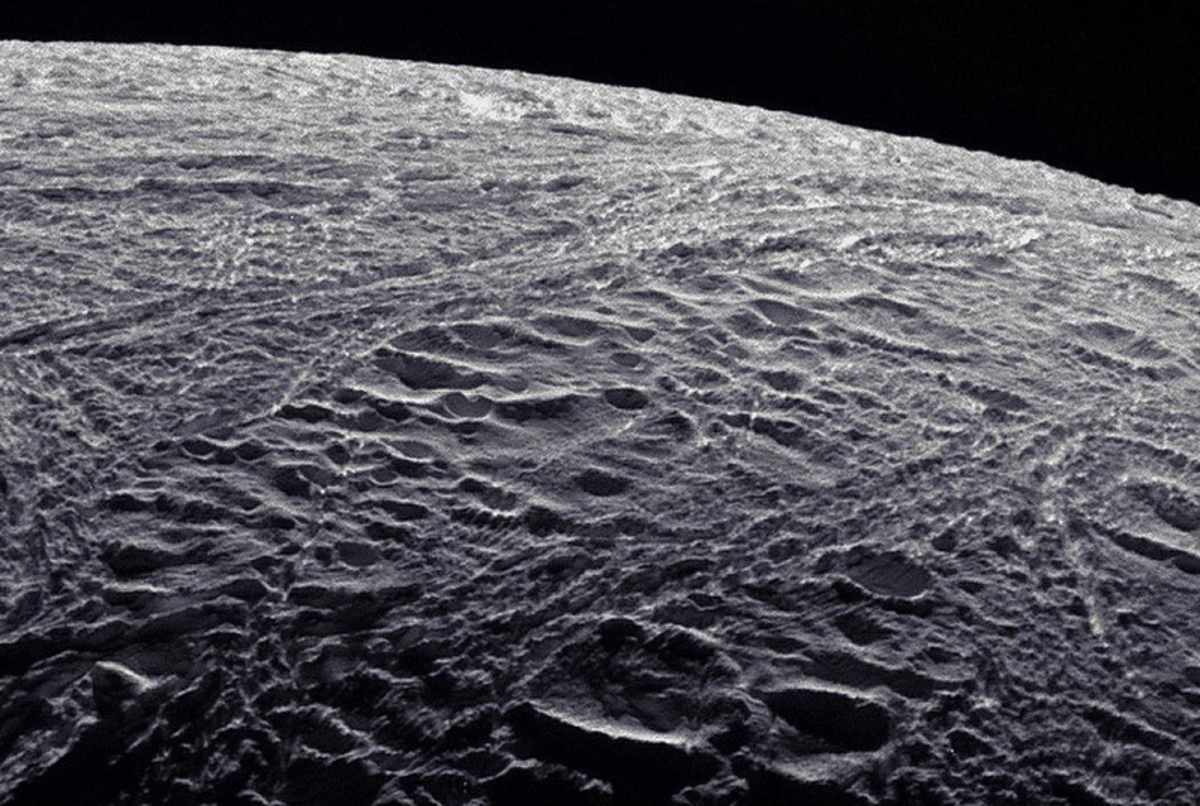
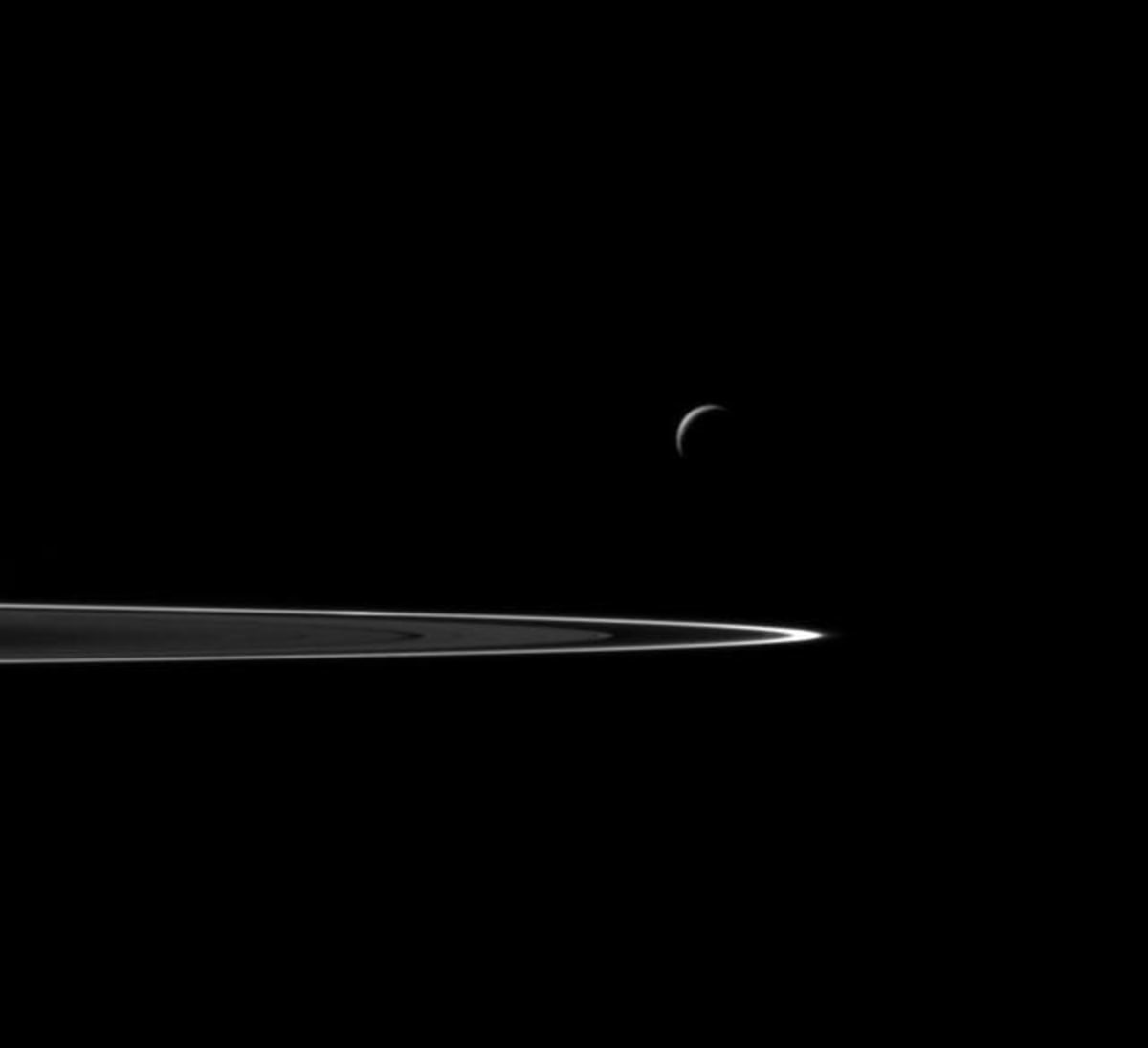
Enceladus is covered by a dense layer of ice, which is understood to be hiding a global ocean of liquid water beneath its surface, with a rocky core further below. At the moon's South Pole, cryovolcanic activity ejects plumes of water vapor and ice particles from cracks in the ice crust and into space. The now retired Cassini spacecraft passed through these plumes many times during its lifetime, revealing the presence of salts and organic materials, in addition to the occurrence of hydrothermal activities—indicating that Enceladus could have conditions that are important for life to survive.
What the two studies say about Enceladus
In the first study, scientists found that ocean droplets, while being ejected through Enceladus' ice cracks, do not freeze instantly but rather undergo gradual freezing—as a consequence, the salts and organic compounds get separated and are concentrated in different ice particles. If, by any chance, the ocean droplets contain traces of alien microbes, the microbe component could separate from others as the droplet freezes. Following fragmentation, these microbes would be present in a tiny fraction of the ice particles but in high concentrations inside them.
"That is great news in the search for life,” said Postberg in a statement. “Future spacecrafts will have to analyze many individual ice particles in the plume. But if they come across one with microbial material in it, they could identify biosignatures in the particle relatively easy with already available technology.”
Enceladus' ocean is very alkaline, is very high in carbonate content, and has very little oxygen. For the second study, scientists simulated these conditions in a laboratory. Once these conditions, including the hydrothermal interaction with the rock ocean floor, had been recreated, the team released a methane-generating microorganism called Methanothermococcus okinawensis—existing in the hydrothermal vents on our planet—into these simulated conditions.
This particular microbe was used because it can survive in an oxygen-deficient environment, similar to Enceladus' ocean conditions. The results were surprising—the scientists observed that the microorganism continued growing under the simulated environment, generating methane. What's more, the microbe even adapted its metabolism to the limited quantity of carbon dioxide available. These findings give a hint that Enceladus may be more survivable than previously assumed. “This was really a surprise to us,” said Dr. Nozair Khawaja, Postberg's colleague at Freie Universität Berlin and a co-author on the study. “This was an experiment for which we did not expect such a successful outcome.”
More on Starlust
Small icy moons are hiding boiling oceans deep under their frozen shells, scientists say
Here's how you can spot Saturn's moons: Titan, Rhea, Dione and more