6 times Apollo 11's moon mission nearly went wrong
Before the moon landing, things almost went wrong
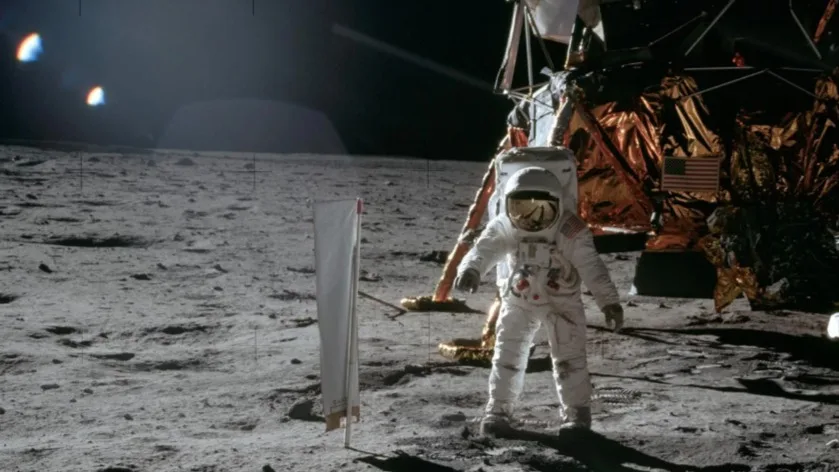
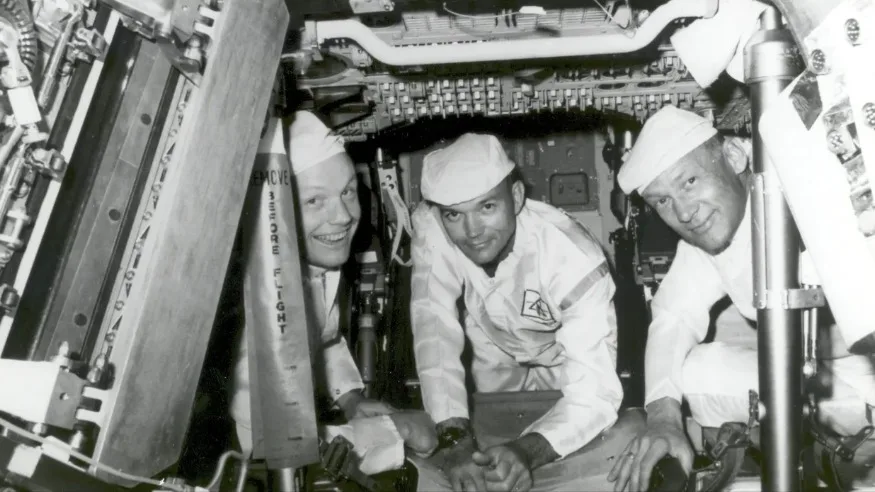
Back in 1969, two astronauts made history by becoming the first humans to ever step onto the Moon during the Apollo 11 mission. Their accomplishment helped the missions that followed, and now, NASA is preparing to return humans to the Moon with its upcoming Artemis IV mission.
But getting to the Moon and back safely was not easy at all. In fact, Apollo 11 faced many close calls that could have ended the mission before it even got off the ground. Here’s a look at the moments when disaster came dangerously close to striking Apollo 11.
A launch pad fire that changed everything
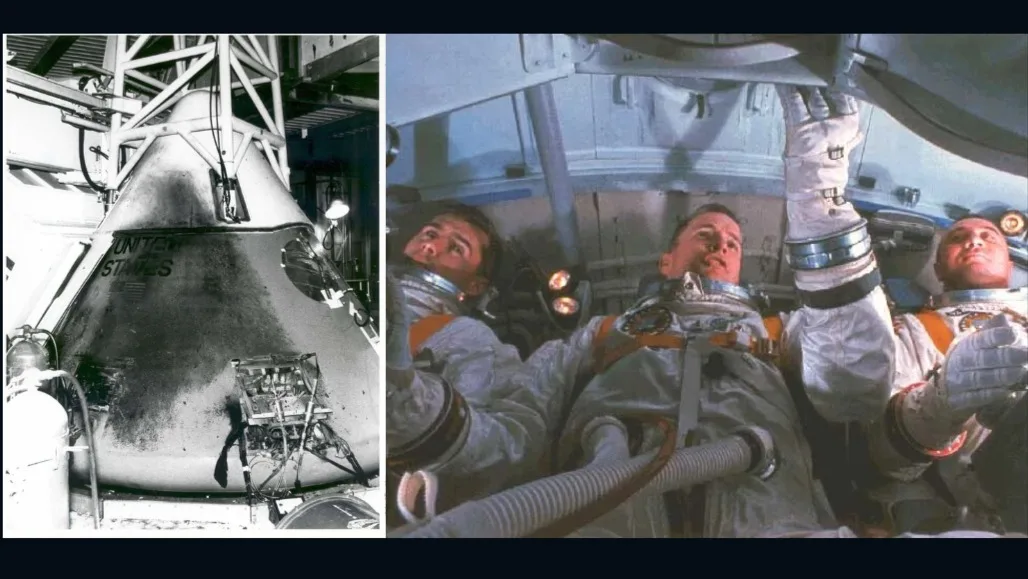
On January 27, 1967, two years before the mission became a success, a fire broke out inside the Apollo 1 command module during a launch rehearsal. Unfortunately, astronauts Roger Chaffee, Ed White, and Virgil "Gus" Grissom passed away in this tragedy. Grissom was among NASA's first group of seven astronauts, called the Mercury Seven.
Investigators traced the incident to a stray spark, which spread through the module. The astronauts couldn't escape as the hatch opened inward and the fire's pressure made it impossible to pull open. Space historian Robert Pearlman noted, "It [the fire] both threatened the [Apollo 11] mission and made the mission possible." NASA overhauled the hatch design afterward.
Neil Armstrong cheated death a year before launch
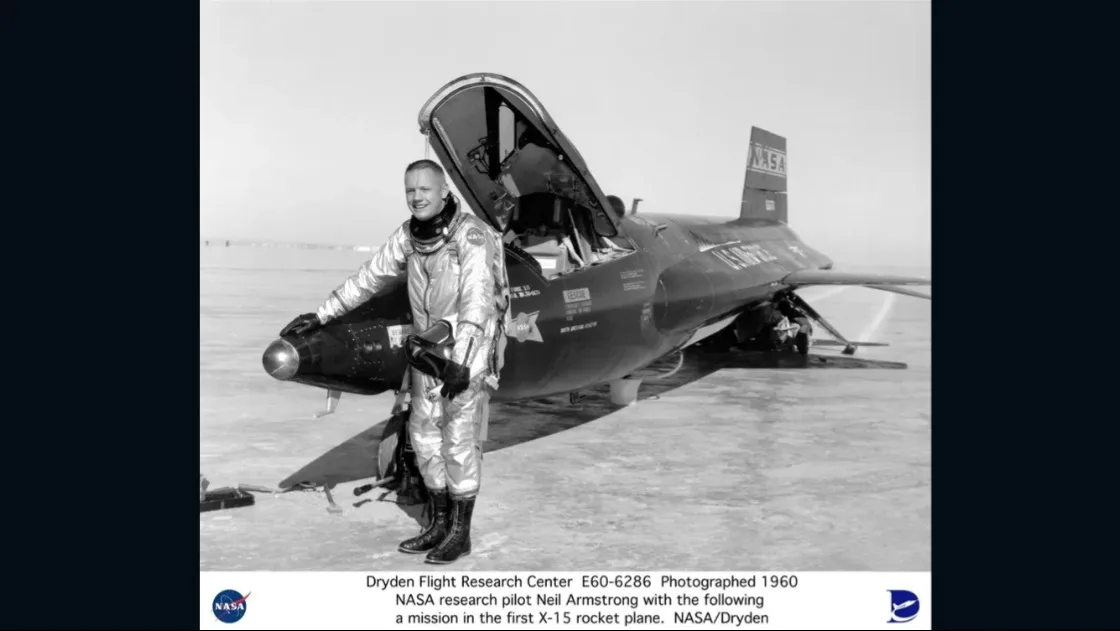
Neil Armstrong, who was the first person to step on another planet, survived a crash that could have nearly killed him. In 1968, one year before the Apollo 11 launch, he was flying a lunar-landing research vehicle. It was a training aircraft that was built to mimic moon landing conditions.
During this flight, a propellant leak caused the flight controls to fail completely, and the aircraft started falling toward the ground. Armstrong ejected and parachuted from roughly 30 feet up, and the vehicle exploded on impact moments later. If he had hesitated even briefly, the outcome could have been fatal.
Apollo 11 was running low on fuel
There was a slight delay in the landing that could have impacted the mission. As the astronauts were preparing to land, they noticed that they had missed their destination landing spot in the Sea of Tranquility. In fact, their spacecraft was going near a new area that had craters and boulders.
Armstrong then took on the manual controls to steer clear of them. This maneuver, however, ate up their precious fuel. But even with that fuel, they were able to land safely. It just meant that they had less fuel than they expected when they made it to the ground.
A broken switch threatened their ride home
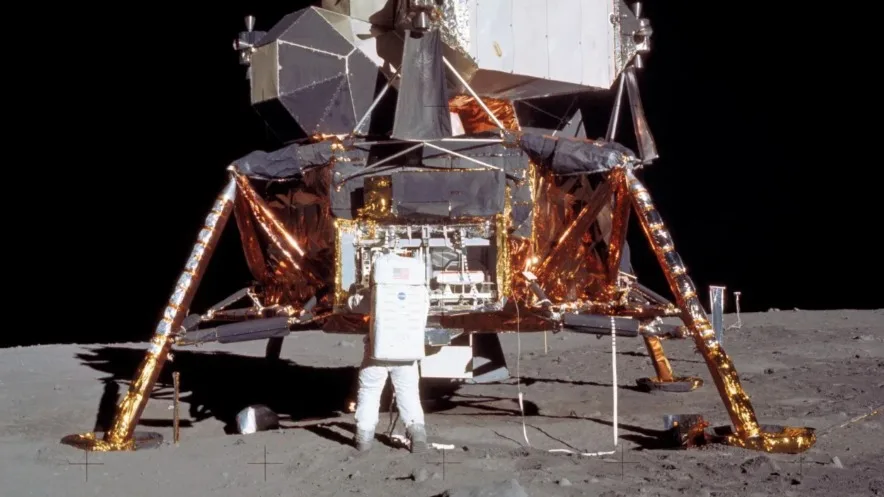
After landing safely, Armstrong and Aldrin suited up for the historic moonwalk. But in the process, they accidentally snapped off the tip of a circuit breaker. It’s the same switch that controlled power to the ascent engine, and the engine needed to lift them off the moon afterward.
Then began the search for a fix. While the astronauts carried out their historic moonwalk, the ground controllers were working on a solution. Fortunately, Aldrin, who was also an engineer by training, solved the problem himself. For this, he wedged a pen into the broken switch to press it closed, and it restored power to the critical system.
A storm scrambled the splashdown
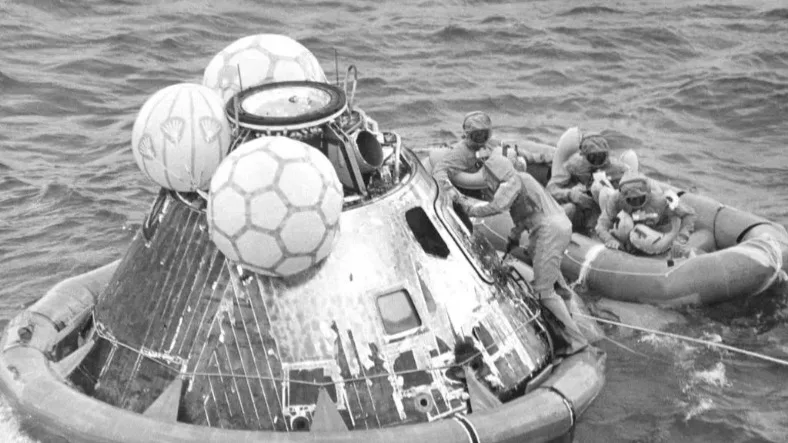
As per NASA, the day before the splashdown, the weather satellite imagery showed a severe tropical storm, and its winds were blowing directly above the landing target. If the capsule had landed there, it could have caused heavy damage to the crew's parachutes.
To avoid this, NASA quickly recalculated the re-entry data and ordered the recovery team to move the splashdown about 250 miles to the northeast. At the same time, aircraft carrier USS Hornet (CVS-12), the prime recovery ship for Apollo 11, was on its way to the new area.
A computer alarm nobody expected
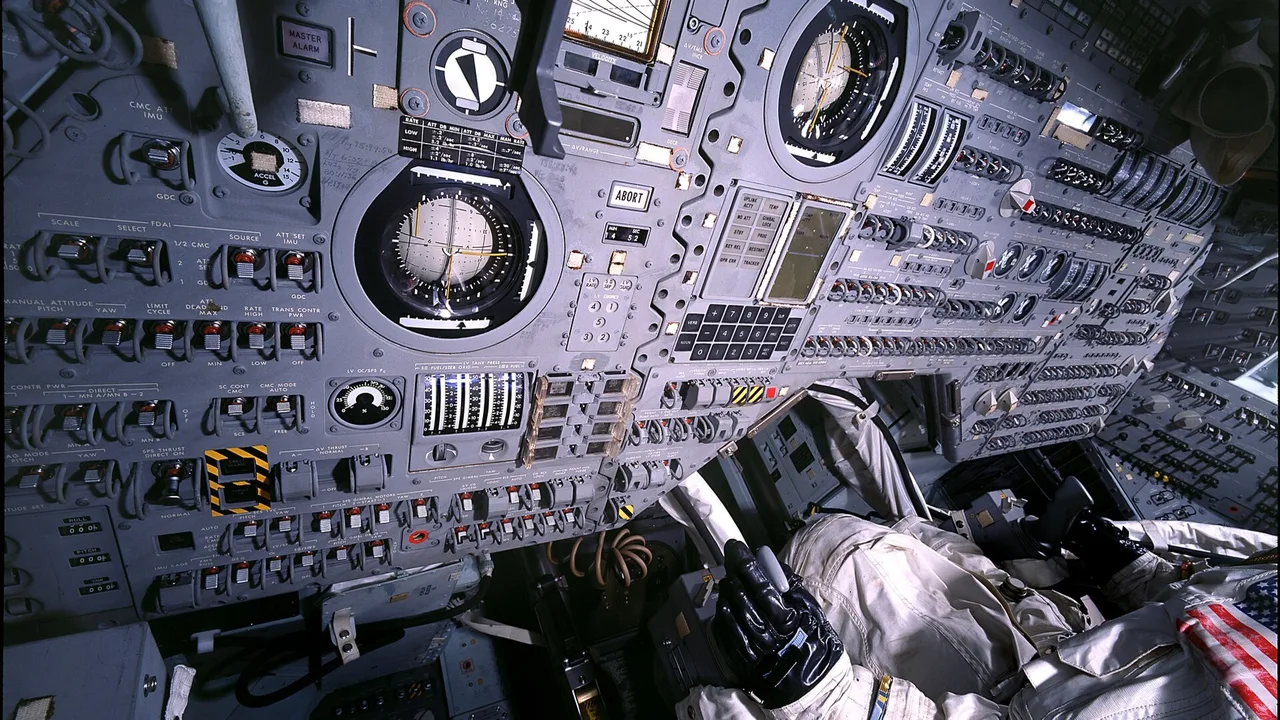
When the astronauts were preparing to land on the surface, Armstrong and Buzz Aldrin noticed that their navigation computer was flashing an unfamiliar 1202 alarm. This could mean that something was not right. But neither astronaut had that code memorized, so they couldn’t tell right away what it meant. They radioed mission control to ask whether they should abort.
Fortunately, controllers on the ground explained that the alarm meant the computer was overloaded with commands. Robert Pearlman, a U.S. space historian and the founder and editor of collectSpace, told Live Science, "What was happening was that too many commands were being loaded into the computer and it was running out of memory."