Fungi could help transform barren Martian regolith into fertile farmland, latest study suggests

Humankind has long sought a way to establish footholds beyond Earth, and a prime target has always been the Red Planet, Mars. Although there is no concrete proof that current Martian conditions can support life, scientists are tirelessly exploring avenues to make it possible. To that end, an international team of researchers from the United States and Brazil recently explored how to enhance crop production on Mars using a microscopic ally: fungi.

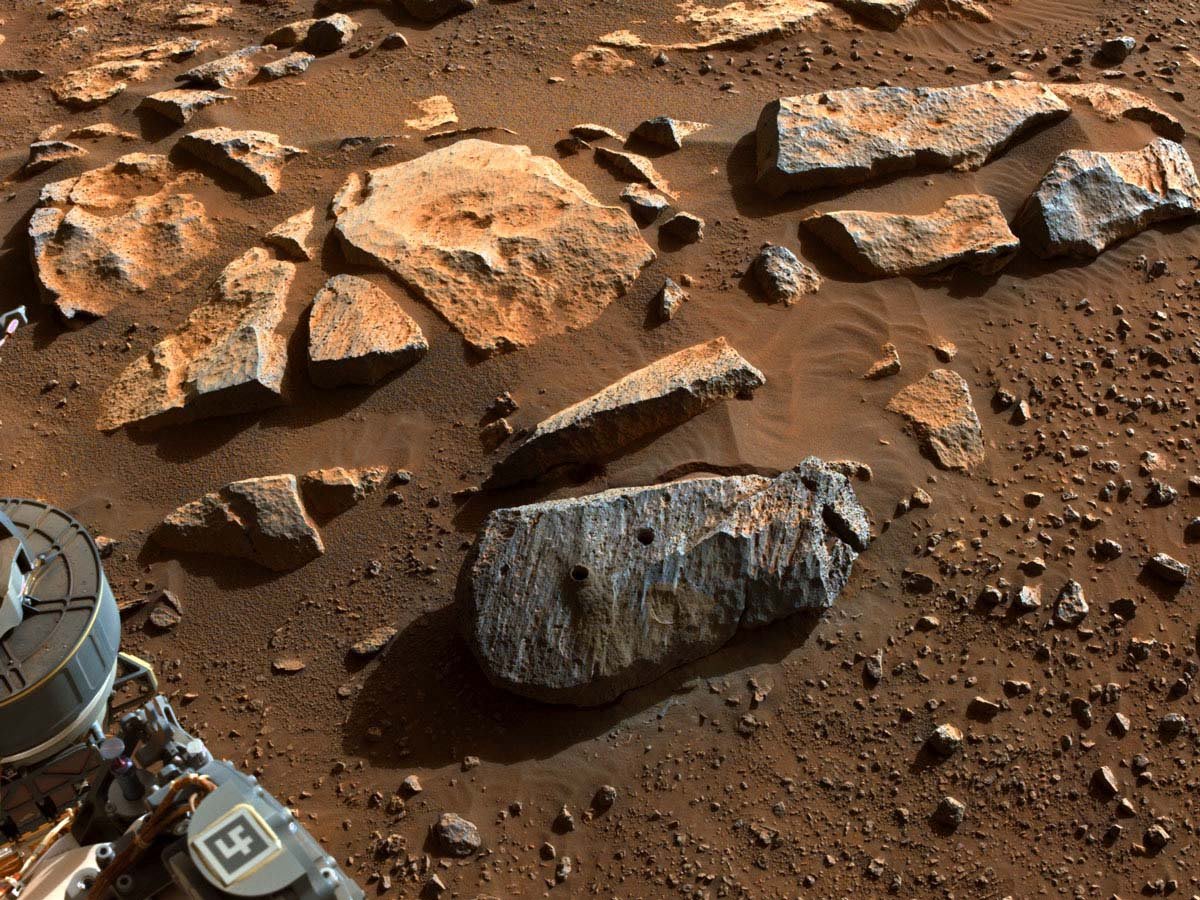
The team’s latest review has been published in the journal Frontiers in Astronomy and Space Sciences. In the study, the team proposes that beneficial fungi might help unlock the secret to cultivating crops in Martian soil. During their study, the team detailed how specific fungi can help restructure the planet’s barren regolith into a fertile substrate capable of harboring plant life. Currently, the Martian surface—much like the lunar surface—is composed of crushed inorganic rock. Although Martian regolith actually contains essential elements like potassium and phosphorus, these nutrients are not bioavailable to plants, and the soil is completely devoid of organic matter and accessible nitrogen.
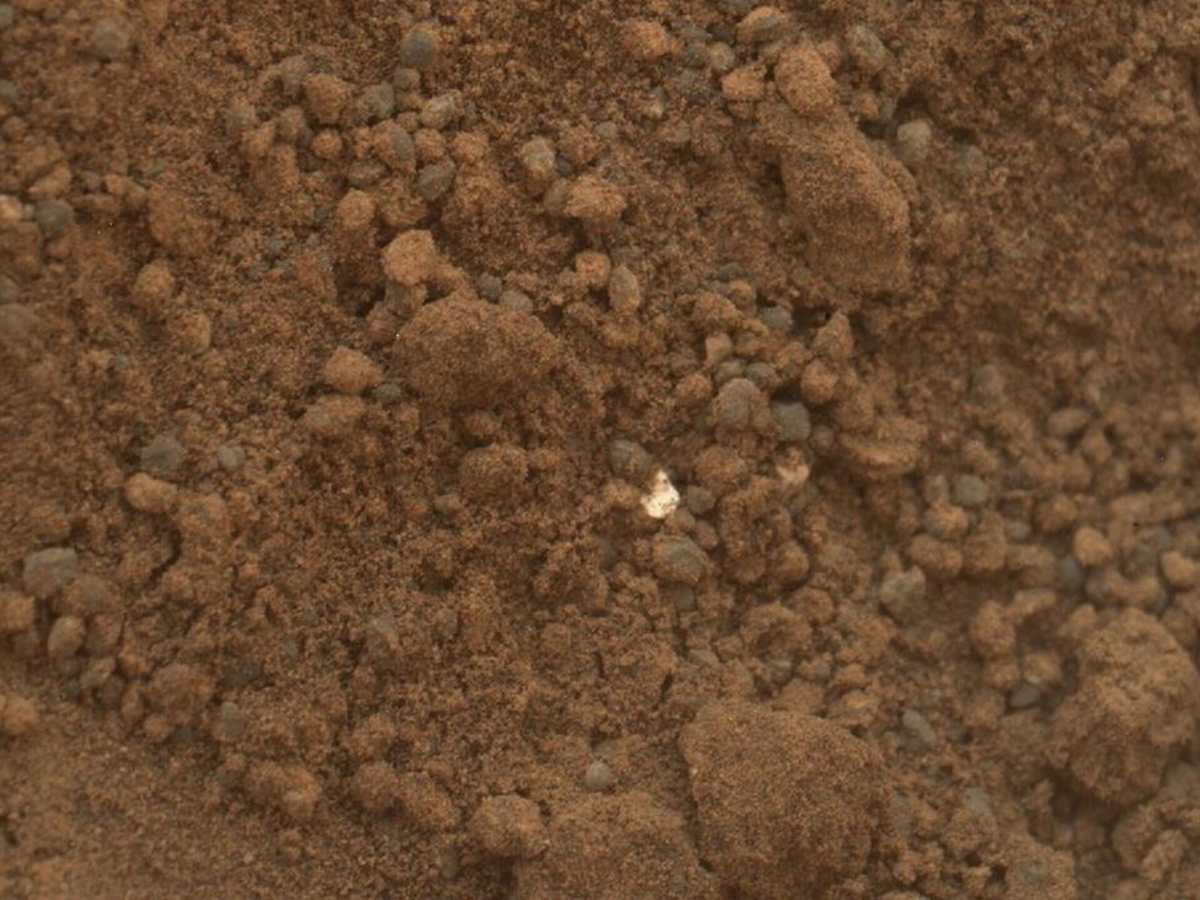
Importing bioavailable nutrients from Earth, while possible, isn't considered a plausible solution as it would result in massive financial and logistical burdens, especially for long-duration missions. Instead, space agencies look toward In Situ Resource Utilization (ISRU), the space equivalent of "living off the land" by using local materials. To achieve agricultural ISRU, the scientists suggest inoculating the regolith with arbuscular mycorrhizal fungi (AMF), which are extremely capable of mimicking the fertile conditions of Earth. This fungus effectively acts as a microscopic extension of a plant's root system, helping the plant extract locked nutrients from the soil while enhancing water availability as well.
In addition to AMF, the research team also considered Trichoderma, a fungal genus that might be helpful in improving soil quality, reducing abiotic stress, and developing a healthy microbial balance within the harsh alien substrate.

Recent experiments have already demonstrated that fungal inoculation dramatically raises crop yields on Earth in soils that lack nutrients. Fungi have also been grown aboard the International Space Station (ISS) under conditions of microgravity and elevated radiation, demonstrating the ability of these microbes to survive in controlled environments in space. In a parallel breakthrough highlighting the power of biological ISRU, a separate team of researchers recently demonstrated that mixing just one gram of cyanobacteria with a Martian regolith simulant was able to produce 27 grams of duckweed biomass. Such a result is a promising sign, proving that microscopic organisms are fully capable of helping in biomass production even in alien territories.
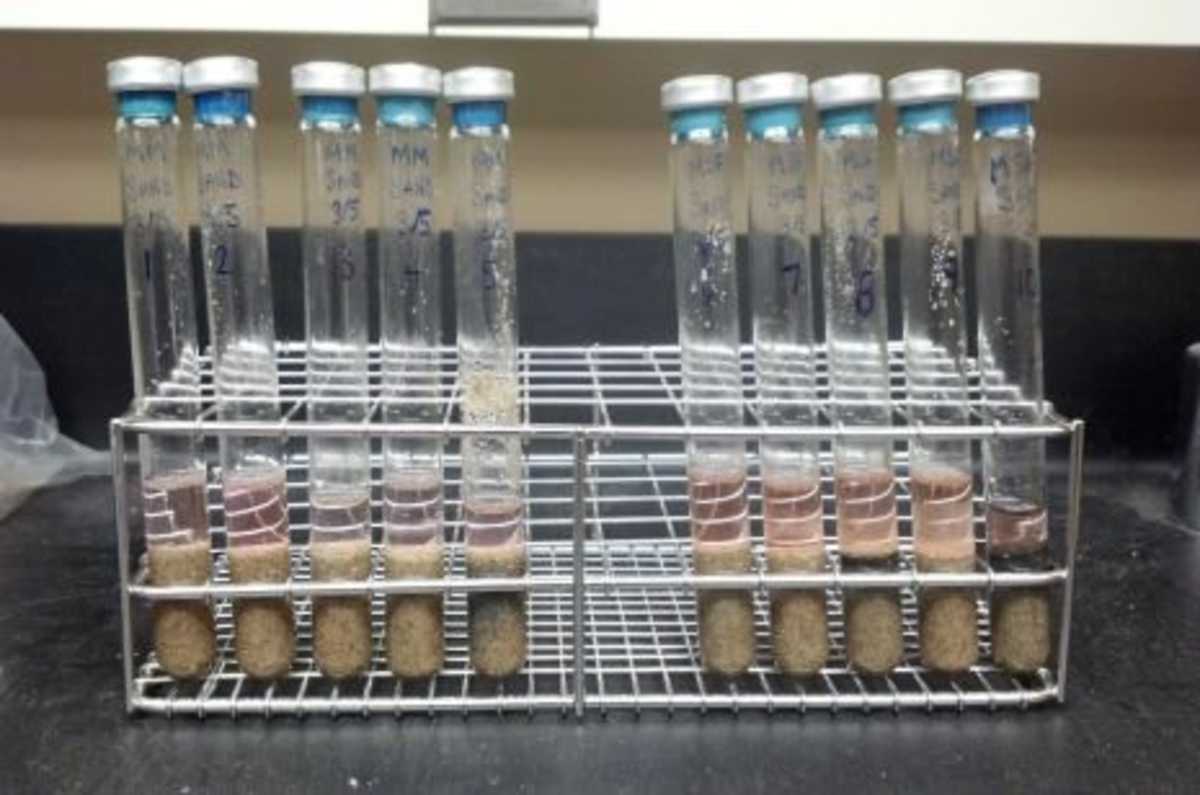
Concluding their study, the team noted, “Including plant growth-promoting fungi into lunar or Martian regolith-based agriculture systems would present a strategic enhancement to space crop production and the establishment of human settlements beyond Earth…These microorganisms offer a promising biotechnological tool to transform the regolith environment (inorganic composition) and positively impact the engineered microbiome introduced to inhospitable substrates.” While we might still be a while away from growing crops directly on the Martian surface, upcoming crewed missions may soon rely on microbes such as fungi to turn the barren dust of Mars into one capable of reaping a harvest.
More on Starlust:
New evidence shows Mars was once a 'blue planet' covered by a massive ocean
Scientists have designed a reptile-inspired Mars rover that can 'swim' through sand
Billions of years ago, a wet and warm Mars was possibly in its most habitable era