This ultra-clean miniature lab could shield Earth from potentially dangerous Martian microbes
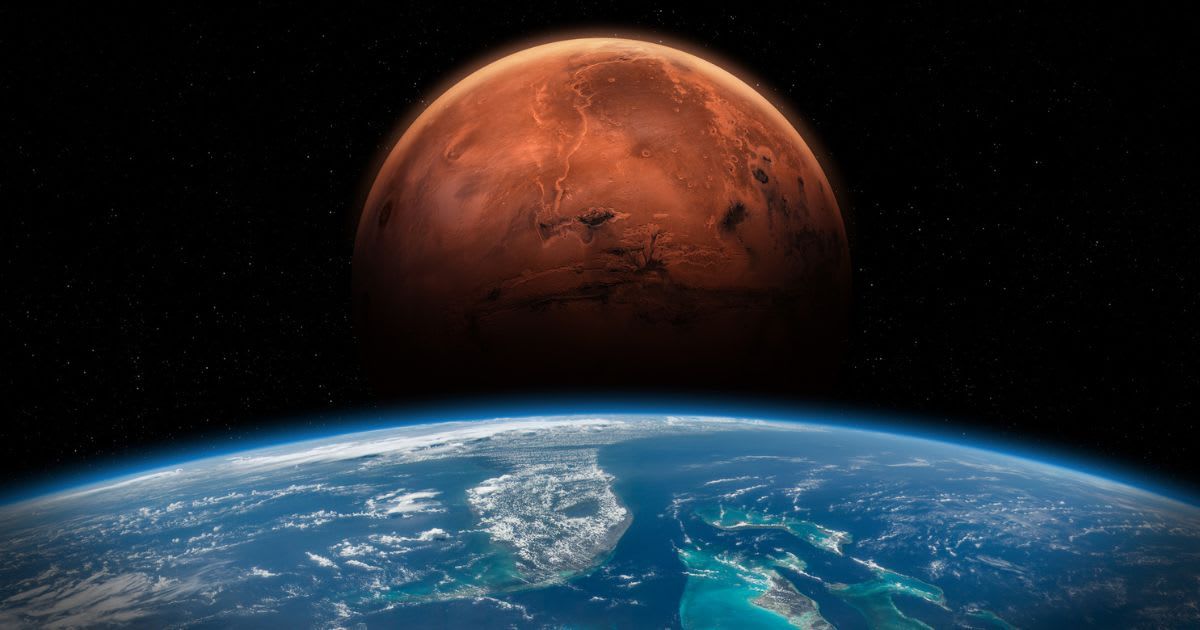
With studies claiming that Mars might have supported life billions of years ago, efforts are in full swing to explore the planet thoroughly. What’s more? Space agencies around the world are aiming to bring back samples from the Red Planet. But what if those samples contain life and have the potential to be a problem for Earth? Well, that’s what the double-walled isolator (DWI) is for.
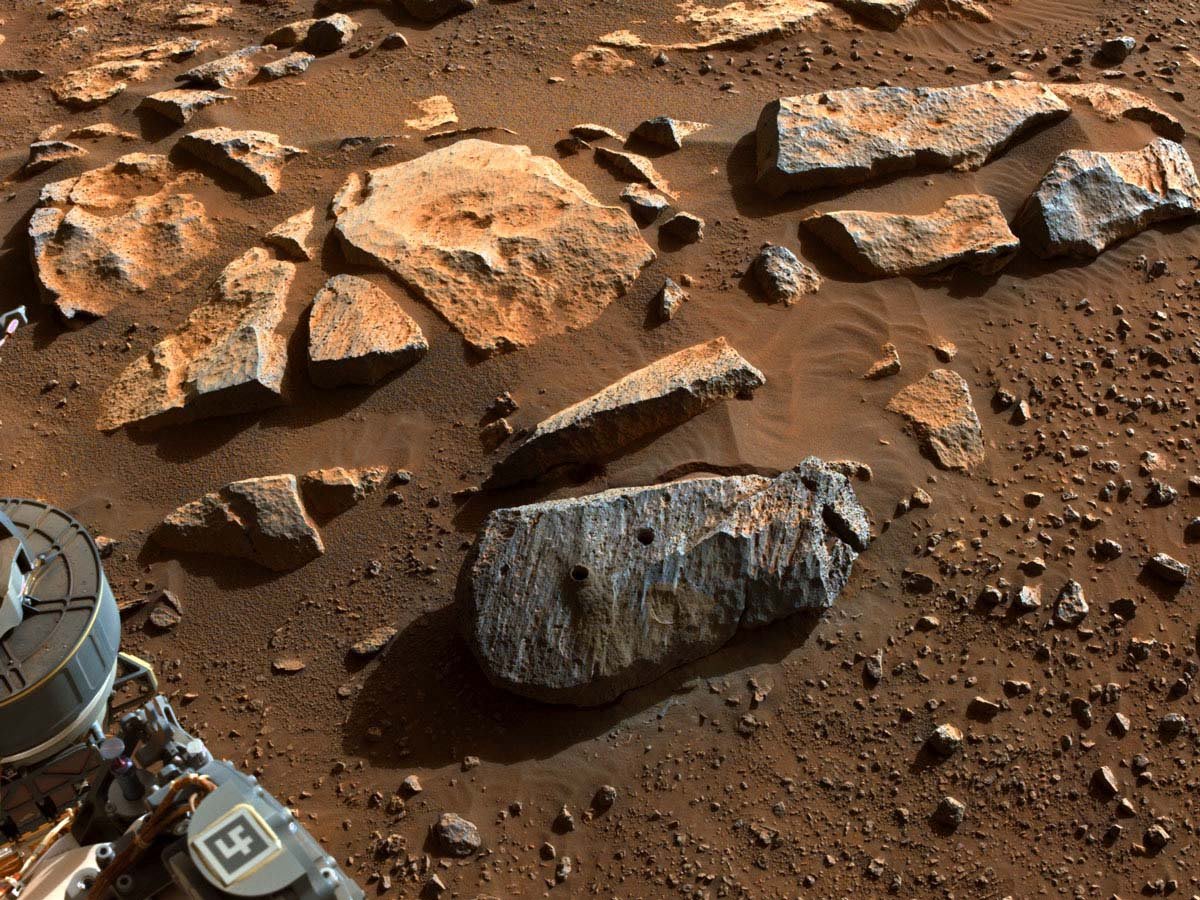
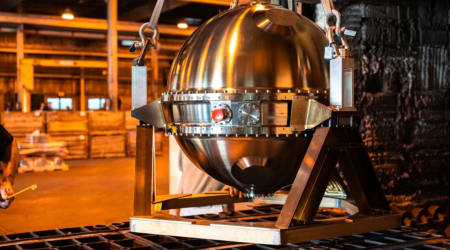
Alien invasion has been a popular theme for science fiction stories. But in reality, if it does happen at all, the Earth won’t likely be invaded by green aliens with antlers. Rather, the enemy might be invisible to the naked eye—Martian microbes. To enable the safe analysis of these microbes, scientists from the Natural History Museum, the Francis Crick Institute, and the University of Leicester have developed the DWI, which is essentially an ultra-clean miniature laboratory. The device has garnered considerable interest among the space agencies of the world, with officials from the European Space Agency and NASA having already paid the three institutions a visit to find out more. A paper detailing how the device will be a valuable tool in studying alien microorganisms has been published in Philosophical Transactions A.
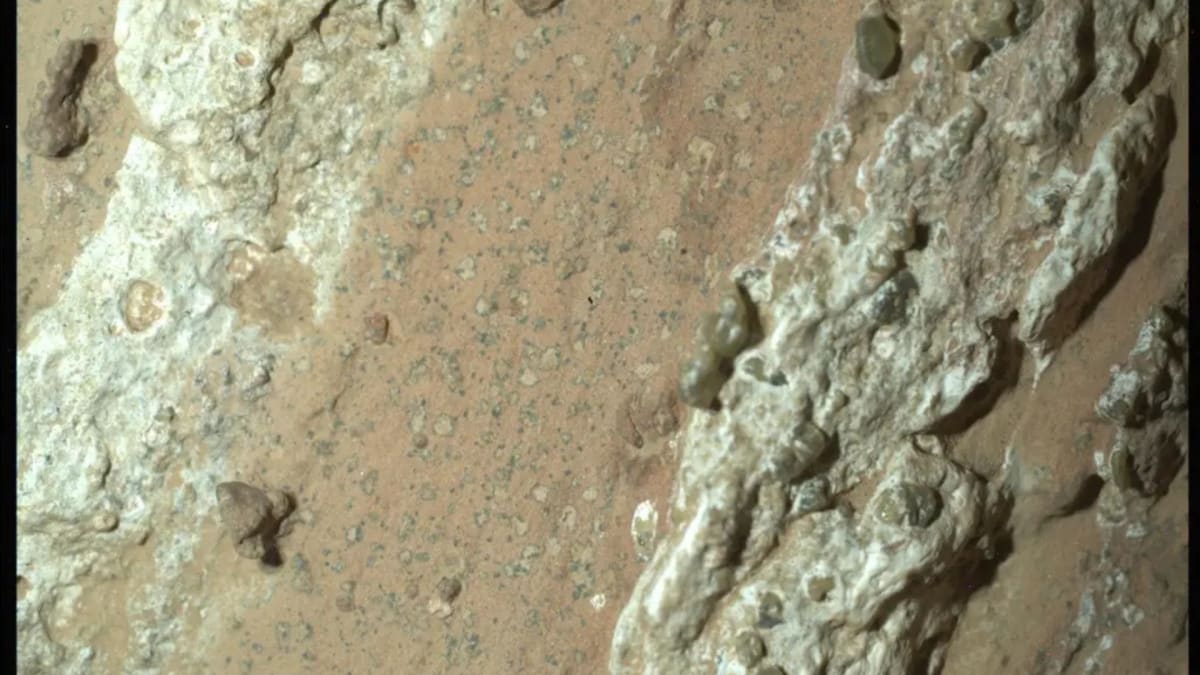
Professor Caroline Smith, one of the scientists involved in the development of the device, detailed why safety measures need to be maintained despite no concrete proof that Martian microbes might be hazardous. “The principles of planetary protection were first discussed in the 1950s, but they're just as important today," she said in a statement. "There's a good chance that Mars was habitable in the past, and it might still have life today. So, when samples are brought back to Earth, we have to assume that they are hazardous until we can prove otherwise." Any alien microorganisms that might be present in the samples would have evolved differently than any organism on Earth. Thus, it is quite likely that we will have no immunity against any disease that they may carry.

Coming to the nitty-gritty of the device, it consists of multiple layers. For starters, the DWI has an inner portion whose pressure is significantly lower than that of the laboratory. This is done to ensure that even in cases where the inner layer is compromised, harmful gases and microbes would remain inside the box instead of becoming a biohazard. On the contrary, the outer layer has its pressure turned up to prevent the contaminants from getting in. Lastly, the two layers are separated by a layer of inert gas. Inside the DWI, a range of equipment, including a built-in microscope and a Raman spectrometer, will be there to analyze the samples, which would be handled remotely by a robotic arm.
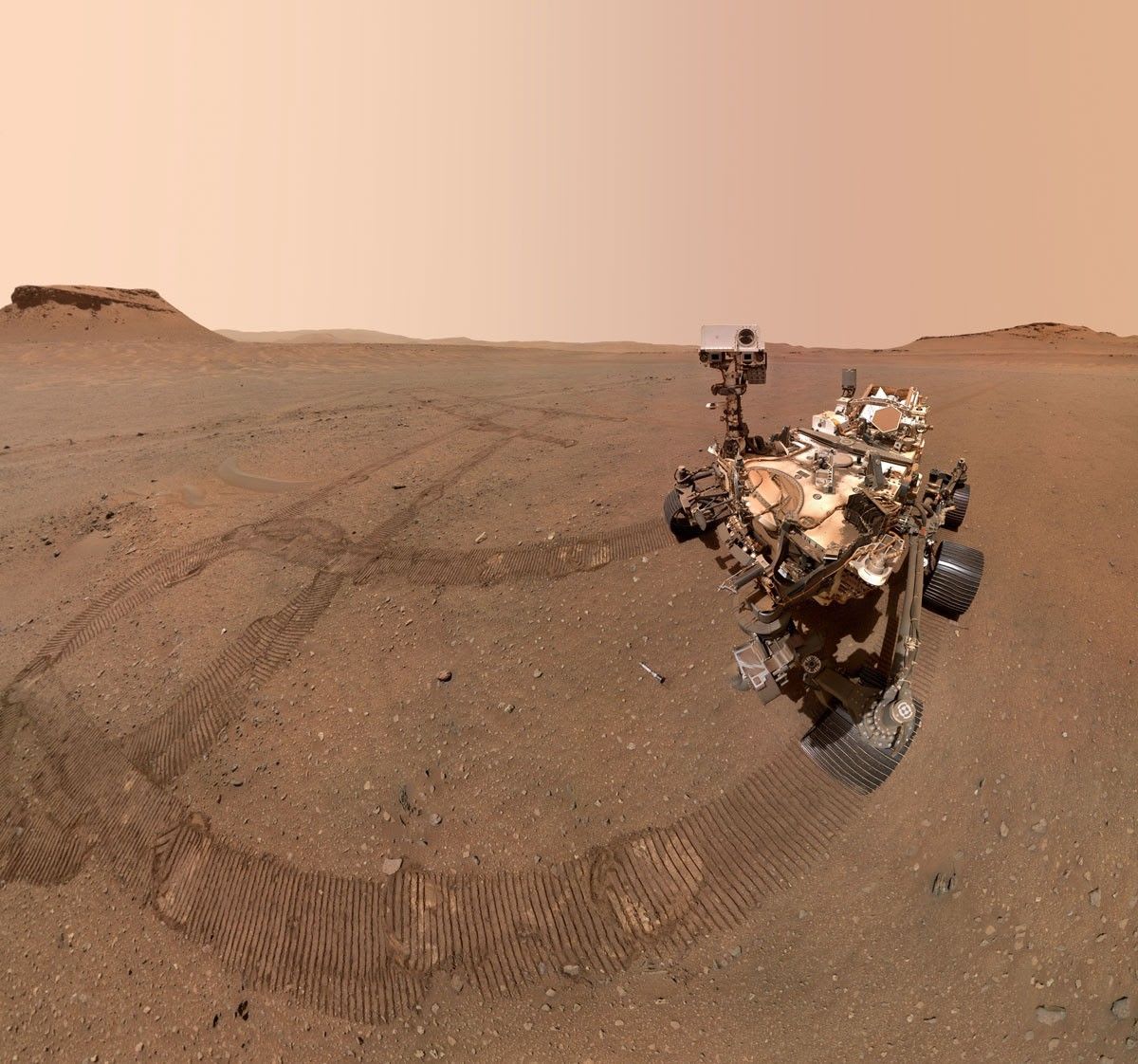
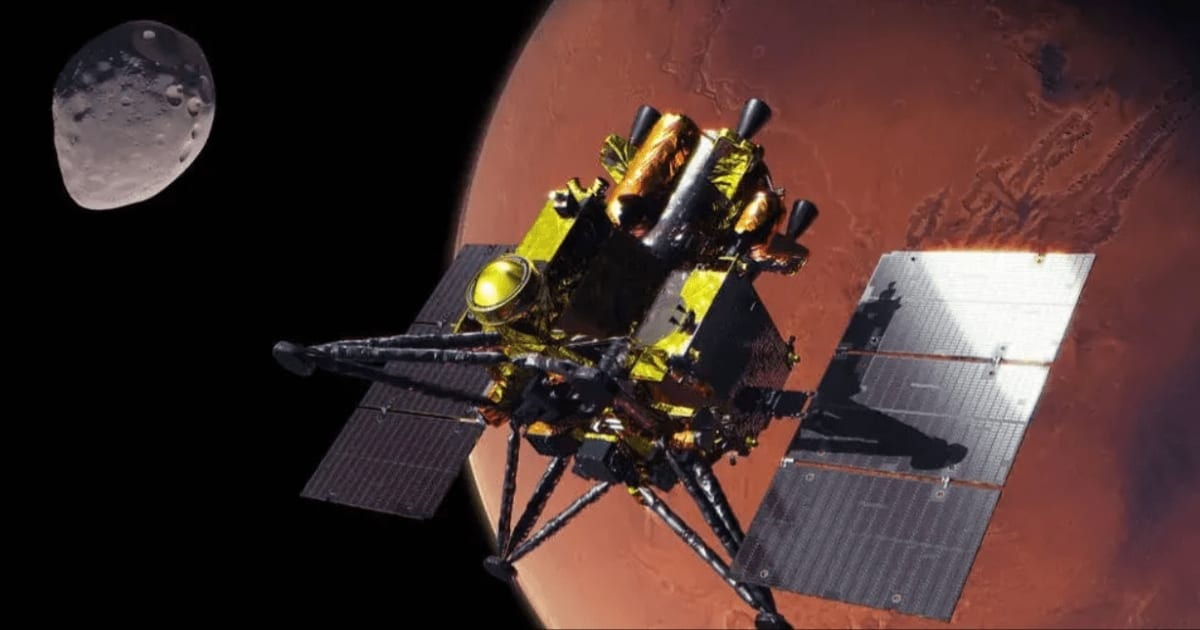
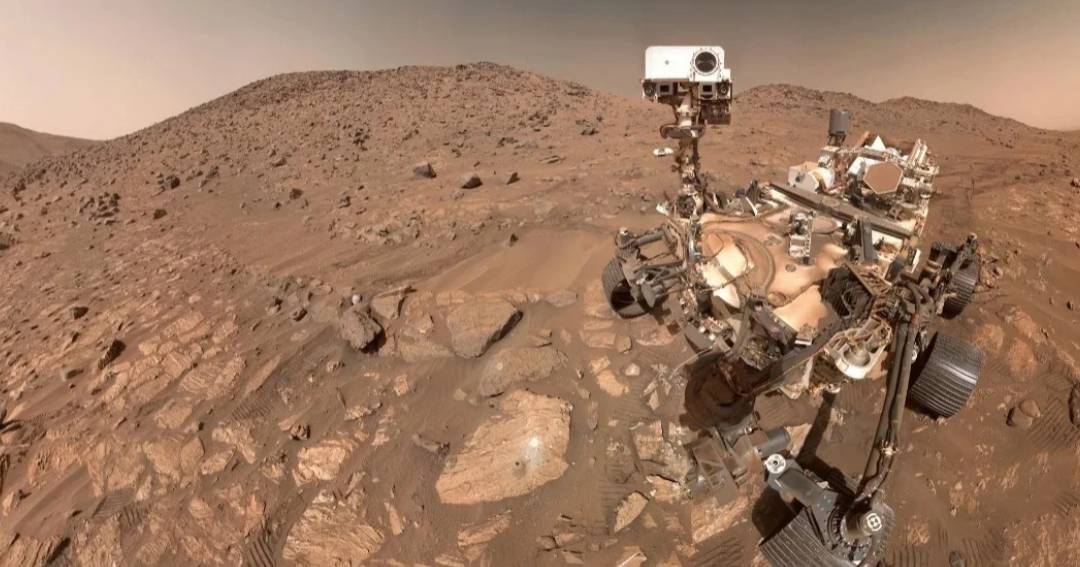
NASA's Perseverance rover, which completed its first AI-directed drive not too long ago, has been filling its sample tubes with Martian rocks to bring them back to our scientists. However, NASA's Mars Sample Return program has been effectively cancelled. Thankfully, countries like China and Japan are still heavily pushing towards bringing back samples from the Red Planet. Meanwhile, coming back to the DWI, its implications are not limited to space research. Talking about the possibilities that the DWI can explore, Professor Smith stated that the device can play a vital role in developing medicines and drugs that need specific conditions to mature.
More on Starlust
Time moves faster on Mars than on Earth—physicists explain why
Artemis program remains safe even as Donald Trump proposes a massive $5.6 billion NASA budget cut