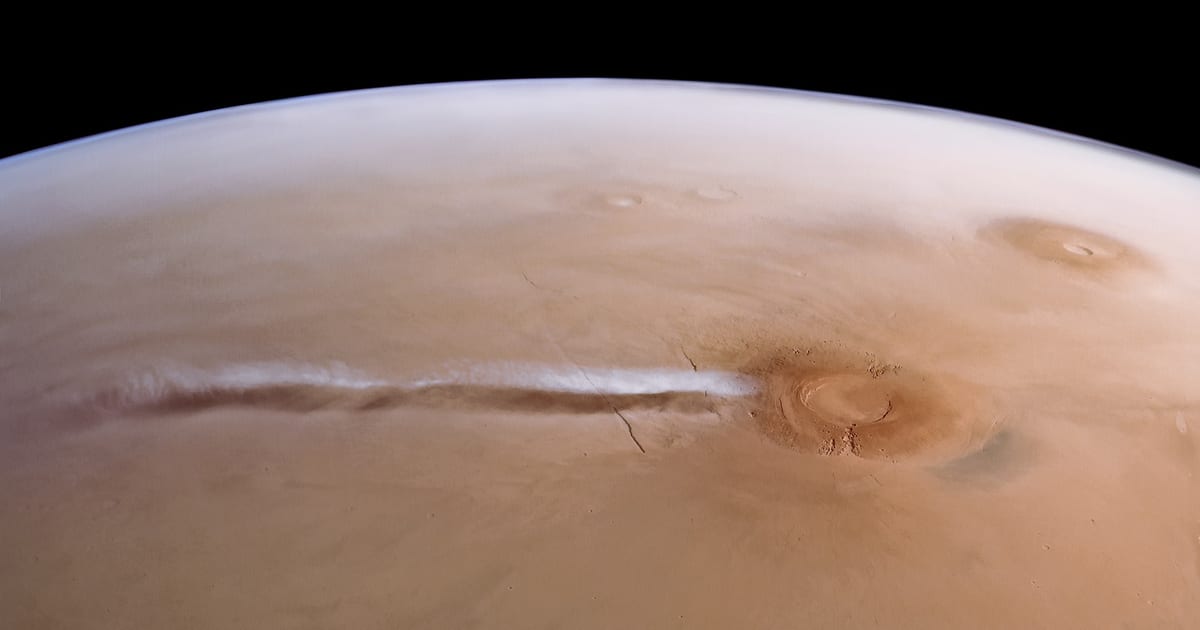
Tiny 'water bears' are offering insights into how Mars might support plant growth
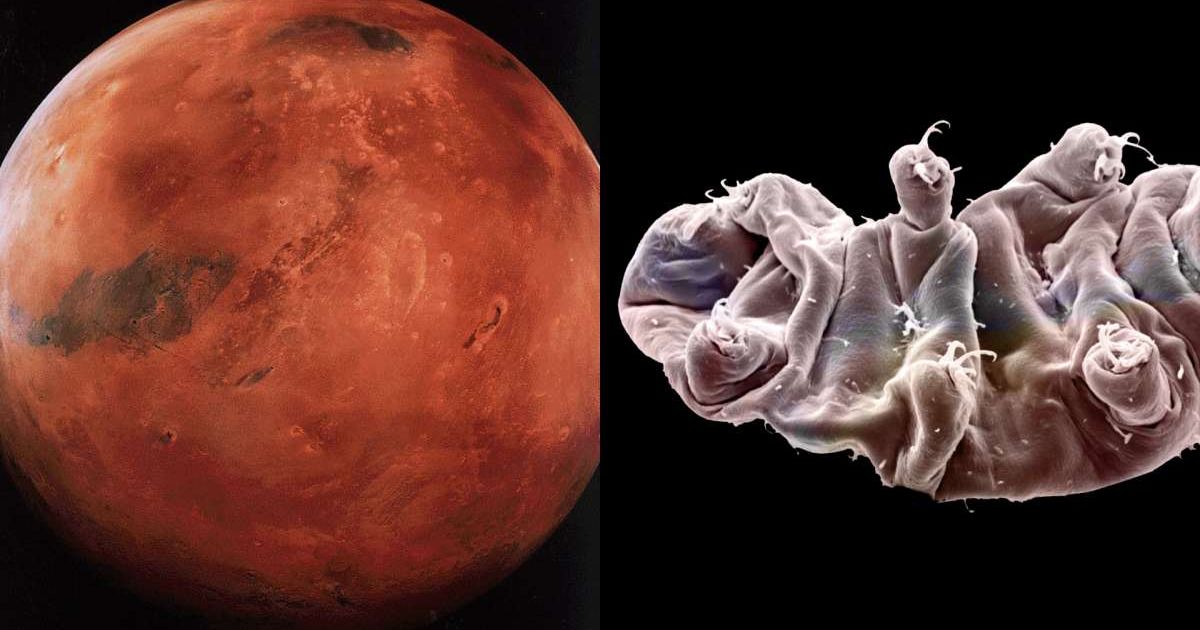
A new study conducted by a team of researchers at Penn State Altoona has tested microscopic tardigrades in a uniquely novel way in simulated Martian regolith—the layer of loose mineral deposits that covers the surface of Mars, similar to Earth’s soil. This is providing key insights into how extraterrestrial resources could be used by humans to support space explorations as well as how these resources could help mitigate the contamination that humans might spread. The findings of the study have been published in the International Journal of Astrobiology.
What are tardigrades?
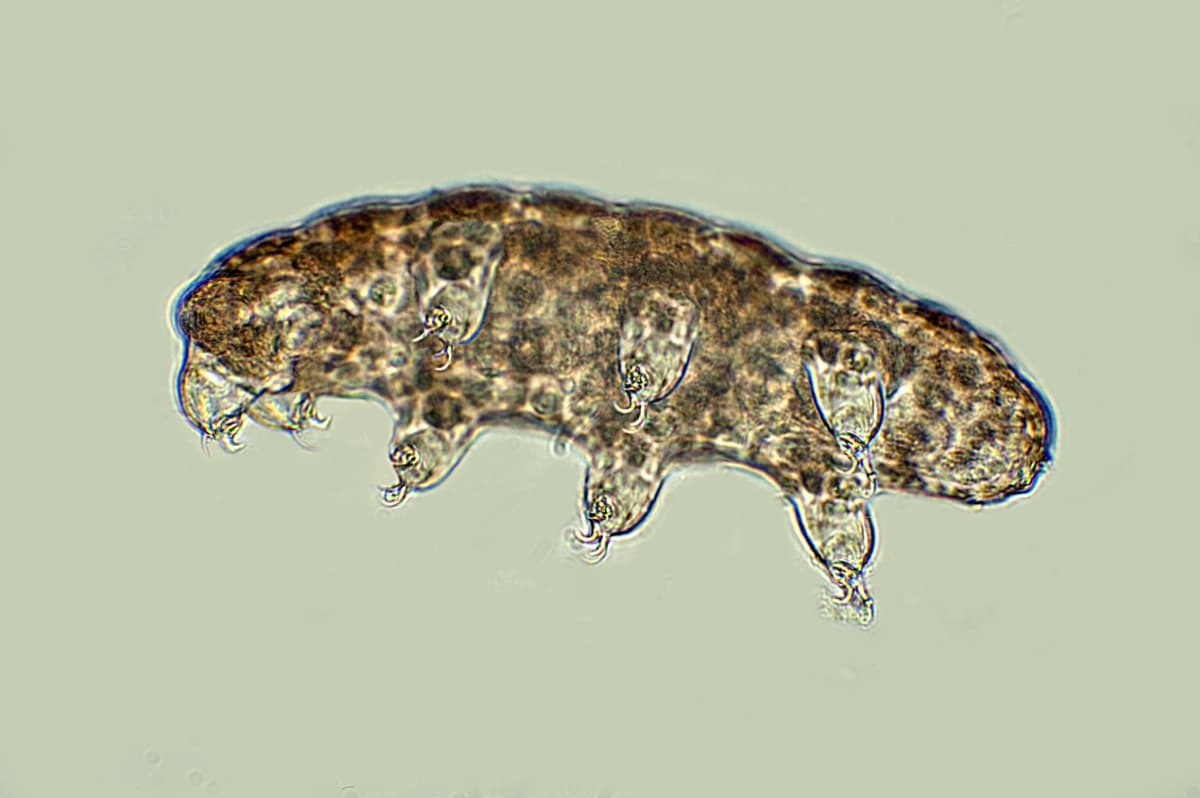
Tardigrades, also known as water bears or moss piglets, are a species of eight-legged segmented micro-animals. They are short and plump and are an astonishingly resilient species with an unparalleled ability to survive extreme conditions. Tardigrades have two states: active and dormant. In their dormant state, achieved through severe dehydration, they can survive in extreme environments, from the depths of the ocean to the vacuum of space. In contrast, in their active state, they are slightly more delicate but can still survive a plethora of challenging conditions.
The study
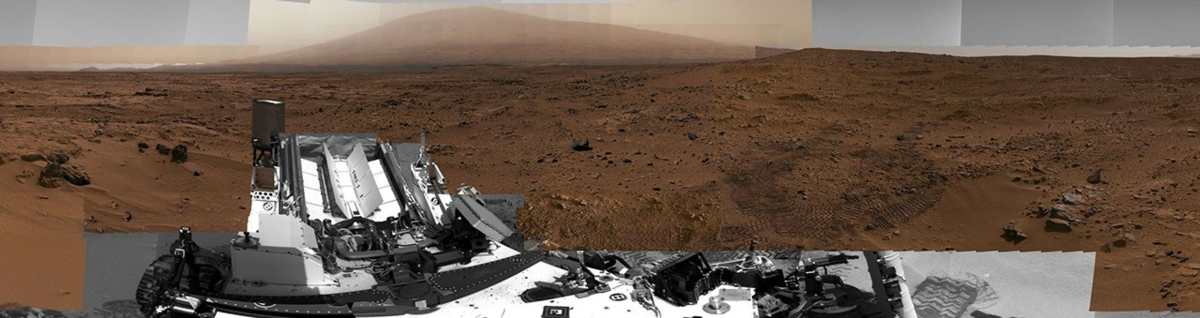
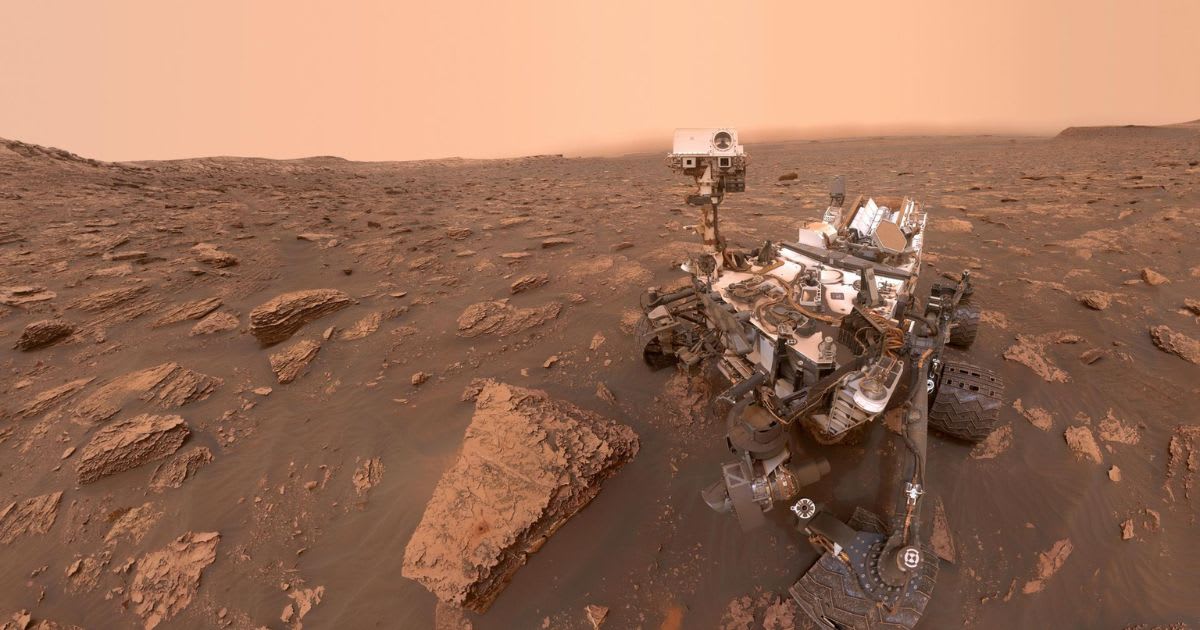
An international research team, which was co-led by Penn State Altoona Professor of Microbiology Corien Bakermans, placed these tough 'water bears' in two Martian regolith simulants, namely the MGS-1 and OUCM-1. These simulants were based on the real Martian regolith sampled from the Rocknest deposit at the Gale Crater, south of Mars’ equator, by NASA's Curiosity Rover. MGS-1 mimicked the plant’s surface at large, while OUCM-1, developed later, mimicked the specific sampling area and paid special attention to its chemical and mineral composition. The team exposed active tardigrades of two types, Ramazzottius cf. varieornatus and Hypsibius exemplaris, to Martian regolith simulants and observed their activity over several days.
Under microscopy, it was observed that the tardigrade's activity, a key indicator of its health, declined significantly when placed in the simulated Martian regolith. Both simulants inhibited tardigrade activity, yet OUCM-1 was comparatively less harsh, minimally impacting one population of tardigrades. In contrast, MGS-1 drastically reduced activity to near zero within two days, proving highly toxic. “We were a little surprised by how damaging MGS-1 was,” Bakermans said in a statement. Interestingly, simply washing the MGS-1 with water before introducing the tardigrades appeared to remove a toxic element, reducing its impact on their activity to near zero and thereby drastically improving survival.
The findings
“It seems that there’s something very damaging in MGS-1 that can dissolve in water—maybe salts or some other compound,” Bakermans said alluding to further investigation. “That was unexpected, but it’s good in a sense, because it means that the regolith’s defense mechanism could stop contaminants. At the same time, it can be washed to help support plant growth or prevent damage to humans who come in contact with it.” It is imperative for human space exploration to prioritize planetary protection by preventing contamination from Earth to other planets and vice versa.
“With this research, we’re looking at a potential resource for being able to grow plants as part of establishing a healthy community—but we’re also looking at whether there are any inherent damaging conditions in the regolith that could help protect against contamination from Earth, which is a goal of planetary protection,” Bakermans added.
A giant feat
Researchers are still exploring more, as the Mars regolith poses multiple challenges, such as atmospheric pressure, chemical hazards, and temperature differences, that may impact activity. Nevertheless, according to Bakermans, these latest findings are a giant feat for humanity, proving essential.
More on Starlust
Thick layer of volcanic ash may be hiding massive glaciers on Mars
Billions of years ago, a wet and warm Mars was possibly in its most habitable era