New evidence shows Mars was once a 'blue planet' covered by a massive ocean
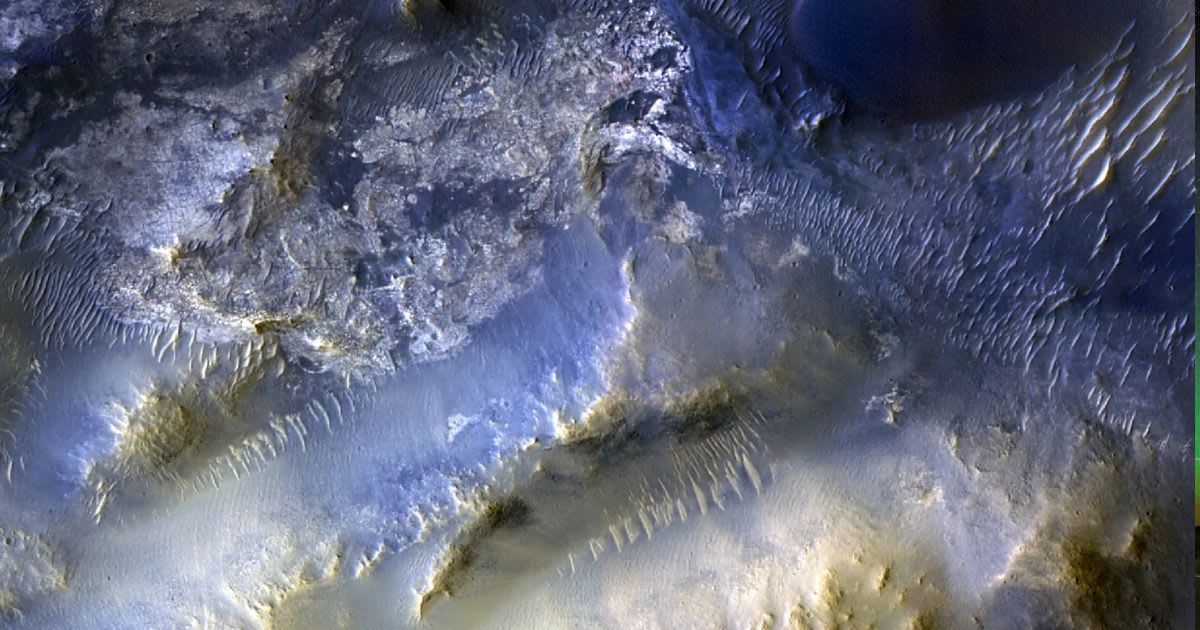
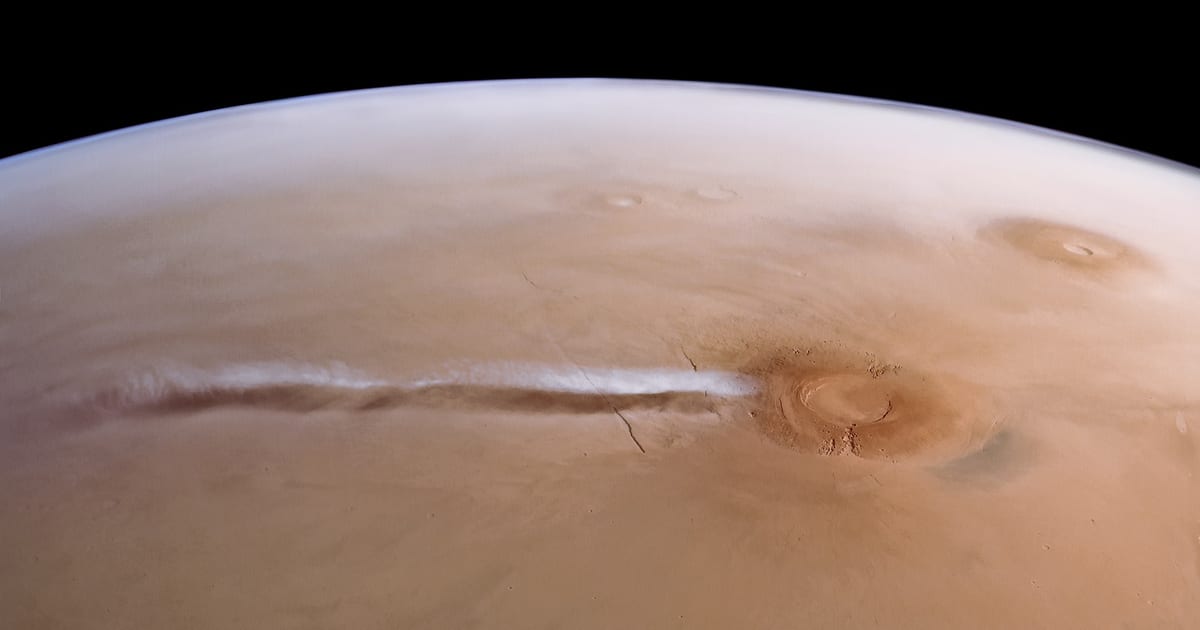
The existence of water on Mars has been a hot topic in planetary science, with several studies having already provided evidence of water bodies on the Red Planet, which indicate that it might have had a humid and potentially habitable environment. Now, an international research team, led by the University of Bern, has identified geological formations that are akin to river deltas on Earth, suggesting that Mars might well have been a "blue planet" back in the day.
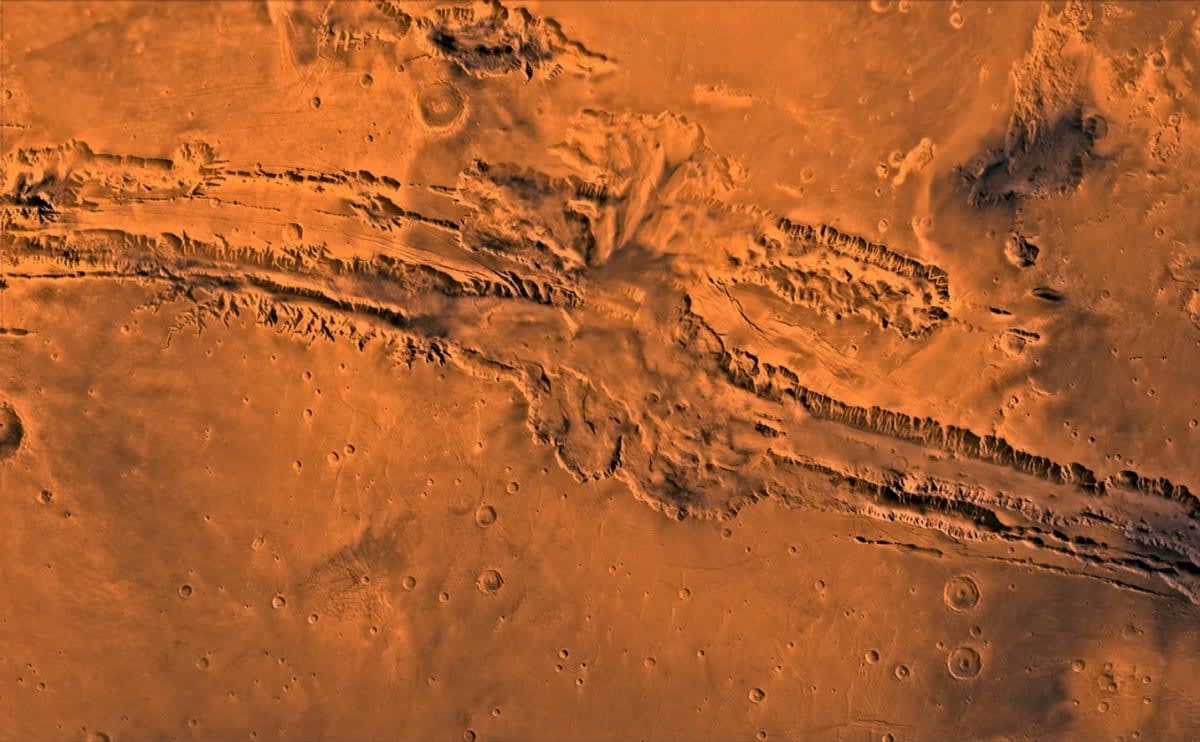
The study published recently in npj space exploration investigated the Valles Marineris, which is the largest canyon system on the planet and cuts across its equator. Studying high-resolution imagery, the scientists noticed "fan deltas," which are formed when a cone of debris and sand that looks like a fan grows into a standing body of water. While this is not the first evidence of water on Mars, it provides a much clearer picture of the planet's watery past. On Earth, these particular types of delta formations only occur when a river directly feeds into an ocean-sized body of standing water. "The structures that we were able to identify in the images are clearly the mouth of a river into an ocean," said Fritz Schlunegger, Professor of Exogenous Geology at the University of Bern, in a statement.
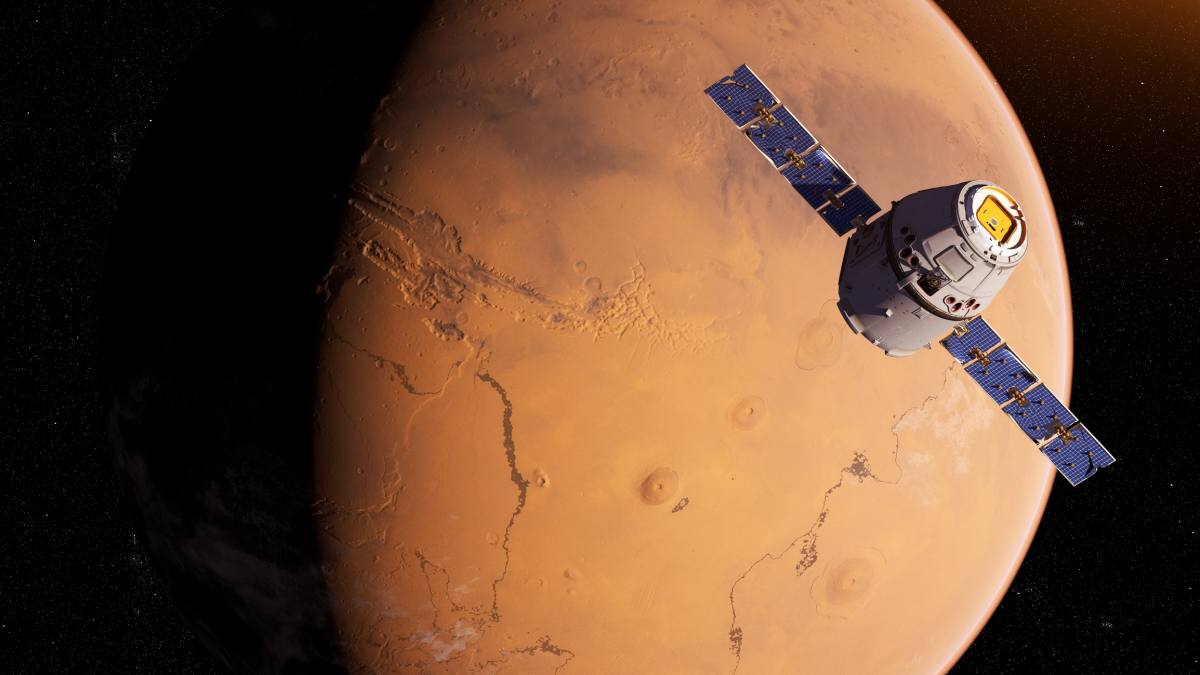
This geological evidence offers several key insights into the scale and nature of this body of ancient water. The prehistoric ocean probably was the size of Earth's Arctic Ocean or even bigger, covering a vast portion of the Martian northern hemisphere. "With our study, we were able to provide evidence for the deepest and largest former ocean on Mars to date – an ocean that stretched across the northern hemisphere of the planet," said Ignatius Argadestya, a PhD student at the Institute of Geological Sciences and the Physics Institute of the University of Bern and the first author of the study. While the area has long since become a dry expanse dominated by wind, sculpted dunes, and the original silhouettes of the water, carved deltas are still clearly preserved and visible.
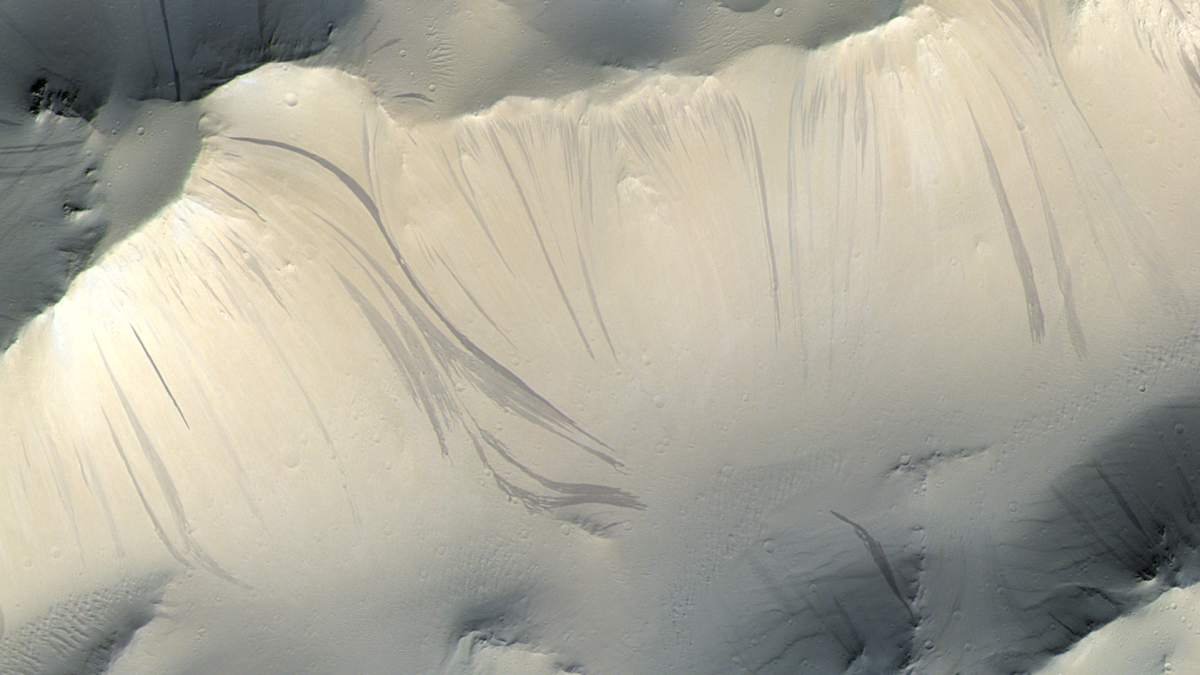
The find was made possible thanks to the data from the European Space Agency's (ESA) Mars Express and Mars Reconnaissance Orbiter and sophisticated imaging gear like the CaSSIS, or Colour and Stereo Surface Imaging System, mounted on the ExoMars Trace Gas Orbiter of the ESA. "The unique high-resolution satellite images of Mars have enabled us to study the Martian landscape in great detail by surveying and mapping," Argadestya said.
The fact that deltas have been discovered and former oceans confirmed implies that there was once an environment on Mars that was conducive to life. "We know Mars as a dry, red planet. However, our results show that it was a blue planet in the past, similar to Earth. This finding also shows that water is precious on a planet and could possibly disappear at some point," Argadestya stated.
The mineral makeup of the Martian soil will now be the research team's primary focus. They intend to learn more about the environmental circumstances that prevailed during the planet's oceanic era by examining how these old rocks weathered.
More on Starlust
Stunning new study claims Mars may have supported life longer than initially suspected
Mars like you've never seen: Surreal images from NASA's Perseverance rover