SpaceX pauses Mars plans, shifts focus on building a 'self-growing city' on Moon within a decade
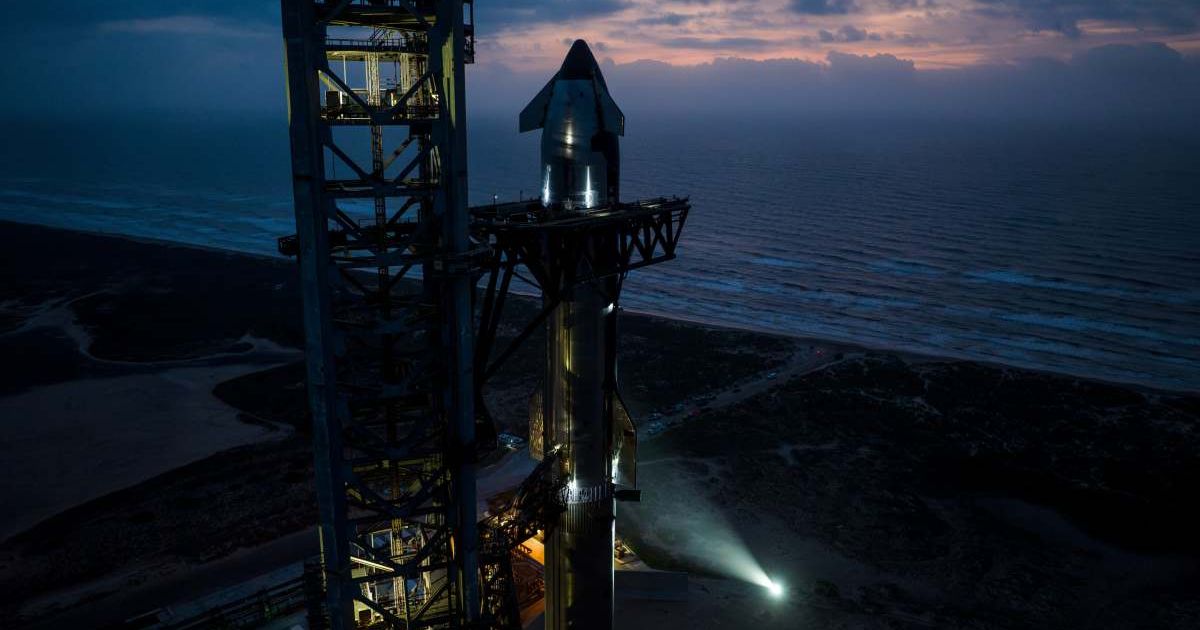
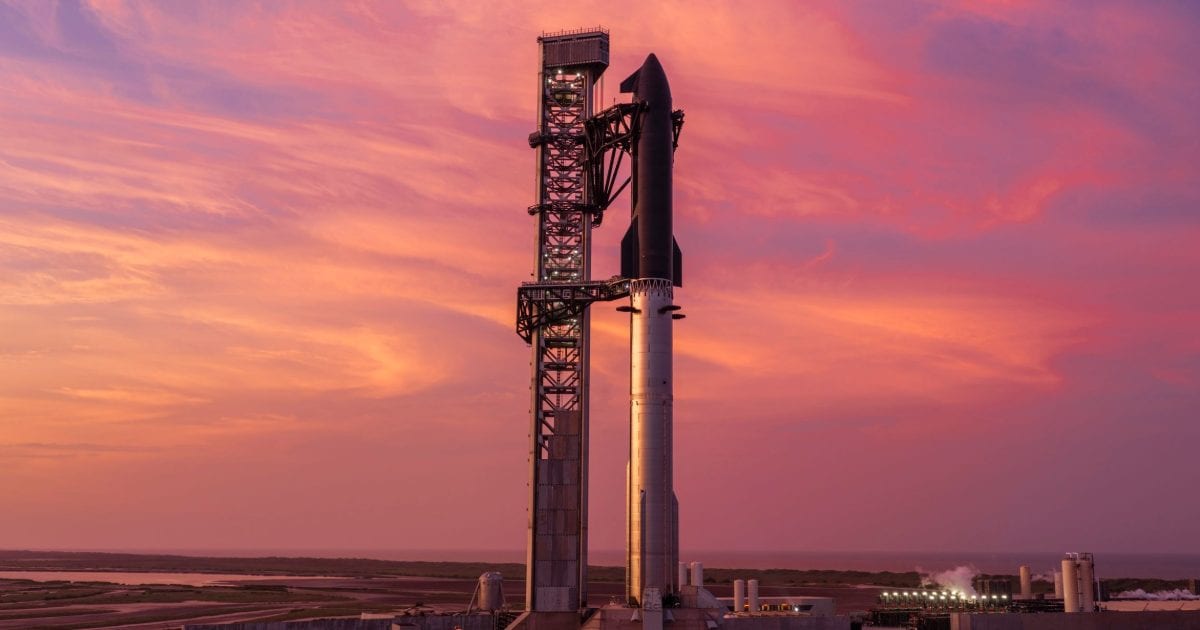
"Mars & Beyond" is how SpaceX describes its mission statement. Indeed, the company's CEO, Elon Musk, has made no secret of his ambition to establish a city on Mars. In fact, in a world where NASA's Artemis program has no qualms about using the Moon as a stepping stone to get humans to the Red Planet, Musk had declared as recently as last year that SpaceX was going to skip the Moon altogether. "No, we're going straight to Mars. The Moon is a distraction," he wrote on X. He had also indicated that the company would be launching as many as five Starships to Mars this year itself. Well, his priorities have changed now.
No, we’re going straight to Mars. The Moon is a distraction.
— Elon Musk (@elonmusk) January 3, 2025
Mass to orbit is the key metric, thereafter mass to Mars surface. The former needs to be in the megaton to orbit per year range to build a self-sustaining colony on Mars.
"For those unaware, SpaceX has already shifted focus to building a self-growing city on the Moon, as we can potentially achieve that in less than 10 years, whereas Mars would take 20+ years," Musk wrote on X on Sunday, February 8. Further elaborating on the feasibility of establishing a settlement on the Moon, Musk noted how it is only possible to travel to Mars once when the planets align every 26 months and how the trip takes six months. Launch opportunities for the Moon, however, come every 10 days, and the trip lasts just 2 days. "This means we can iterate much faster to complete a Moon city than a Mars city," he added. That being said, Musk made sure to reiterate that building a city on the Red Planet is still on the cards, and work may begin in about 5 to 7 years. "The mission of SpaceX remains the same: extend consciousness and life as we know it to the stars," he declared.
For those unaware, SpaceX has already shifted focus to building a self-growing city on the Moon, as we can potentially achieve that in less than 10 years, whereas Mars would take 20+ years.
— Elon Musk (@elonmusk) February 8, 2026
The mission of SpaceX remains the same: extend consciousness and life as we know it to…
The billionaire's announcement came on the heels of a Friday Wall Street Journal report detailing how he had told his investors that the Moon would be a priority going forward, with the trip to Mars taking a backseat for the time being. SpaceX is under a fair bit of pressure for being behind schedule in delivering the Starship-based lunar lander for the Artemis III mission (now scheduled for 2028) and will reportedly target March 2027 for an uncrewed lunar landing.

SpaceX also expressed its ambitions of establishing artificial-intelligence data centers in space after it acquired xAI, another Musk company. In the memo announcing the deal, Musk said that the data centers will be crucial in creating bases on the Moon, Mars, and beyond. "The capabilities we unlock by making space-based data centers a reality will fund and enable self-growing bases on the Moon, an entire civilization on Mars and ultimately expansion to the Universe," he said.
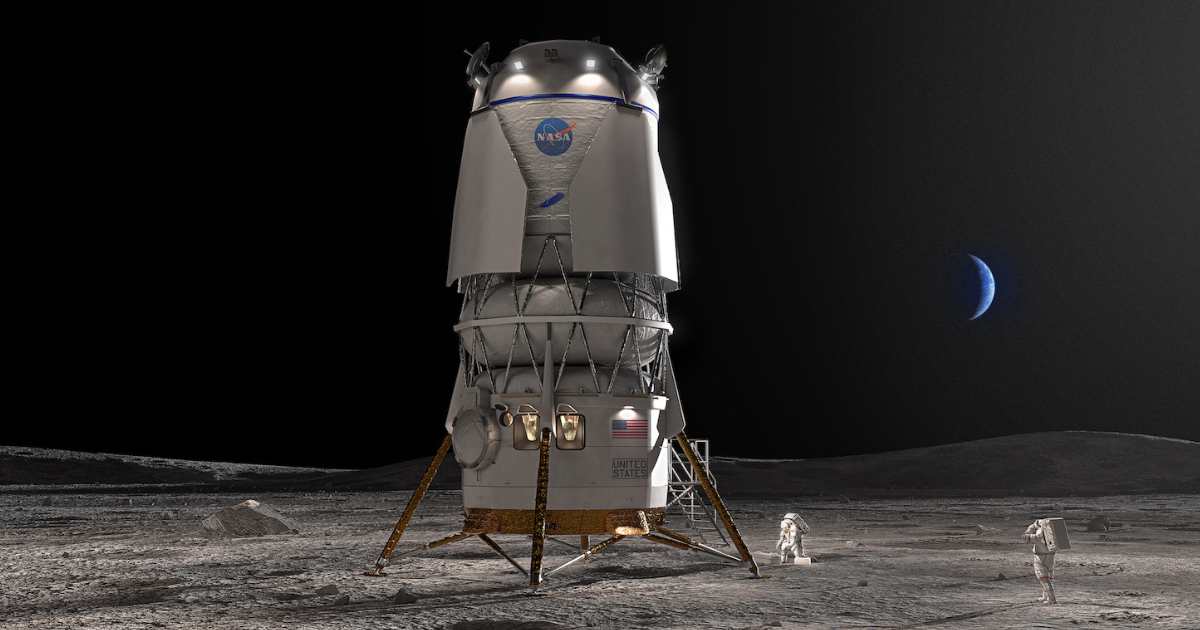
SpaceX is not the only commercial spaceflight company that is prioritizing the Moon. Jeff Bezos' Blue Origin, its competitor, announced last month that it would be pressing pause on its New Shepard program, which carries tourists beyond the Kármán line and back, for at least two years to focus on its lunar program. Blue Origin is already in the process of developing its own lunar lander for the Artemis V mission, which is scheduled for the 2030s. In fact, speaking about SpaceX being behind the U.S. schedule to deliver the lunar lander, the former acting administrator of NASA, Sean Duffy, told CNBC's Squawk Box last year that the space agency was "not going to wait for one company," and that it was going to open the contract to other companies, including Blue Origin. NASA's Administrator Jared Isaacman also said during his confirmation last year that he welcomed the race between the two commercial giants to deliver lunar landers.
More on Starlust
NASA postpones Artemis II launch to March after wet dress rehearsal
Artemis II mission: NASA carries out repairs, updates operations for second wet dress rehearsal