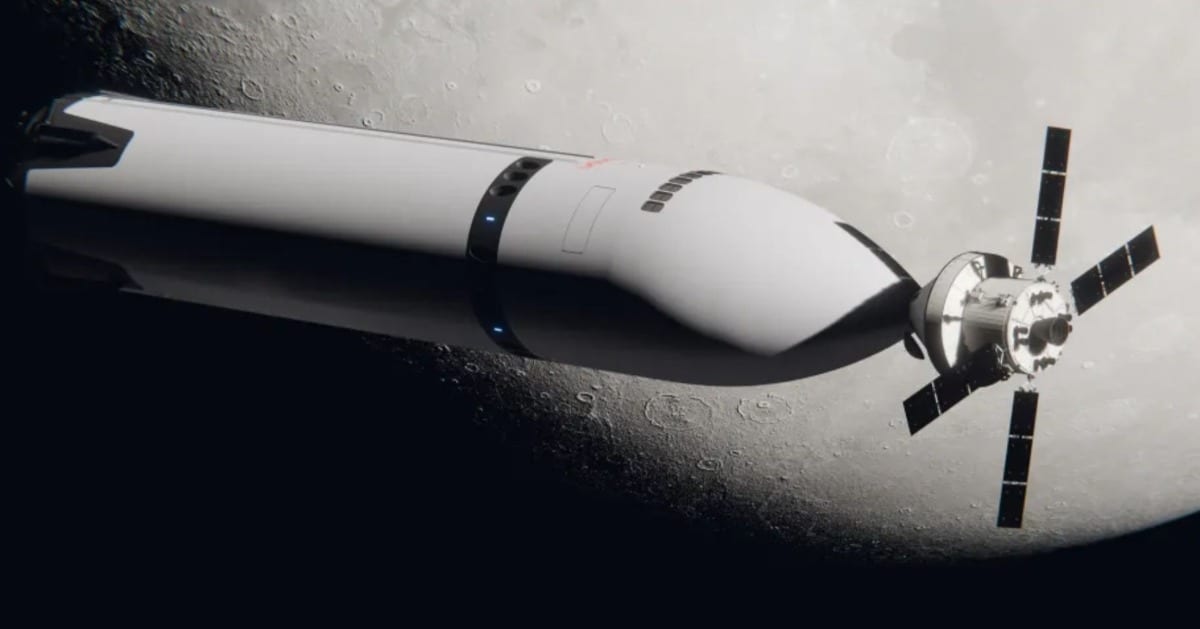
Astronauts may be able to grow plants on Mars and the Moon—the 'how' will surprise you

Researchers have devised a method that could prove to be key in establishing a sustainable colony on Mars and the Moon. And the thing that lies at the core of this method? Astronaut waste. The researchers led by Harrison Coker of Texas A&M University have shown that mixing organic waste with simulated Martian and lunar regolith can break down the latter, releasing nutrients important for plant growth. They have published their findings in the ACS Earth and Space Chemistry.
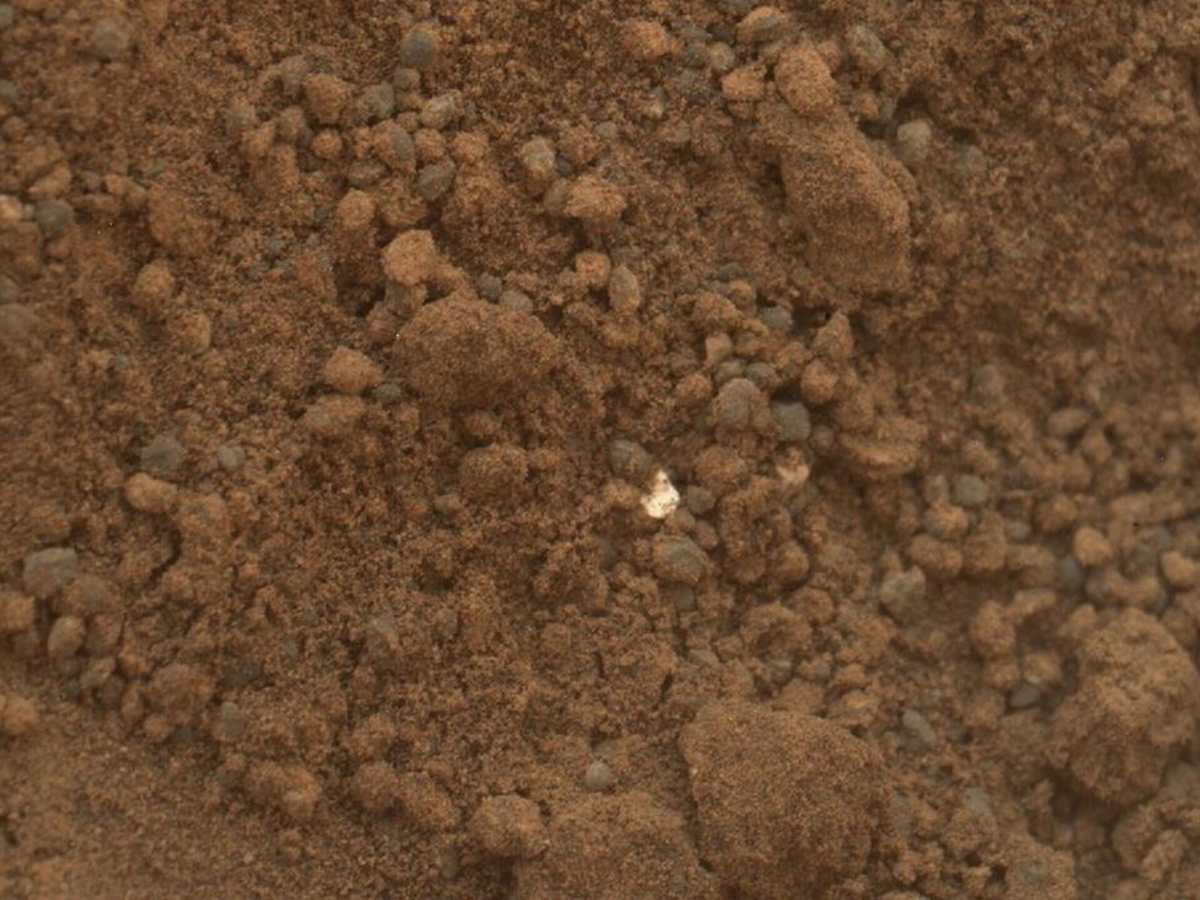
Surviving in the harsh conditions of Mars and the Moon poses a major challenge to astronauts. Apart from shelter and breathable oxygen-rich air, they need a constant supply of food. Transporting food and even fertilizers to grow crops on these outposts is expensive and complex. So, it is a prerequisite to find a way to utilize the resources available there to grow edible plants for future explorers. "The extraction of plant essential nutrients from extraterrestrial regolith will be necessary to ensure the sustainability of lunar and Martian agriculture," the researchers write in their paper. "An essential instrument of these outposts will be bioregenerative life support systems (BLiSS) that attempt to fully recycle nutrients from organic wastes."
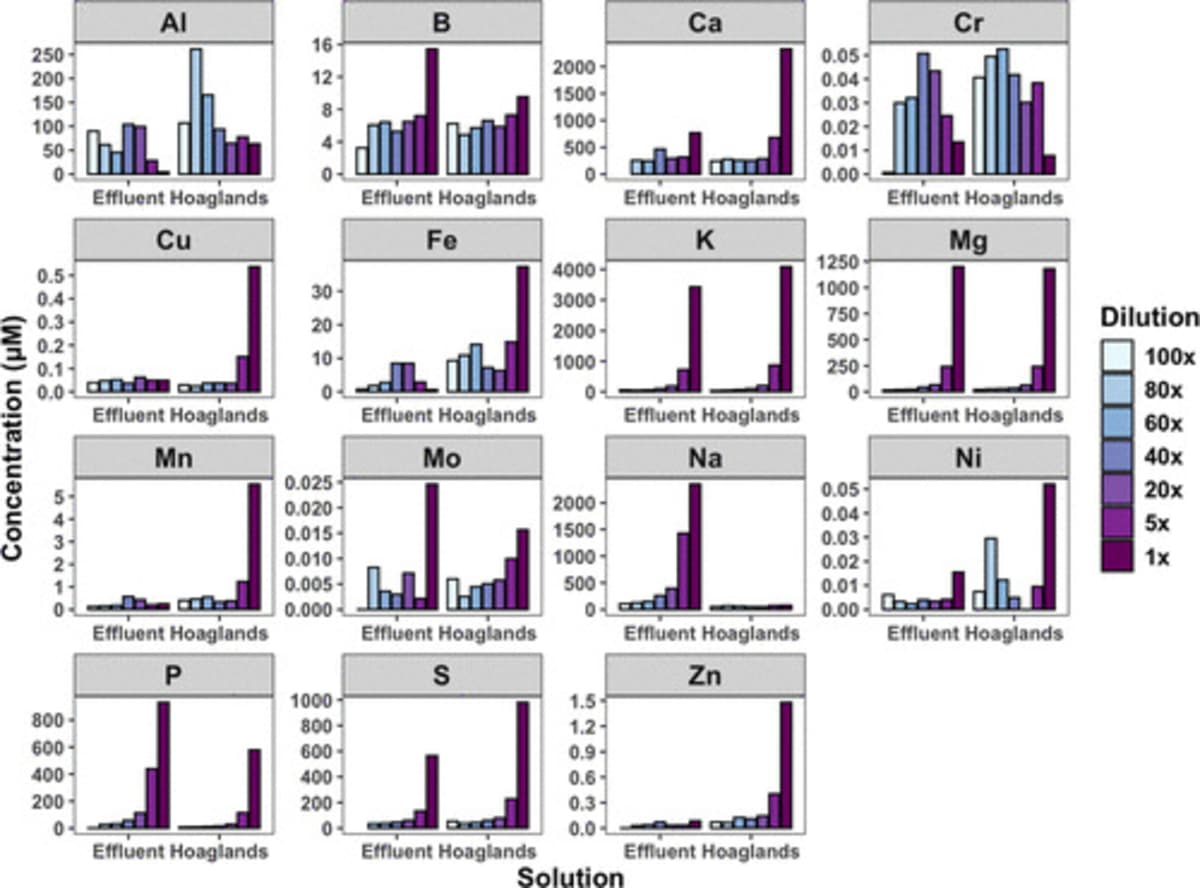
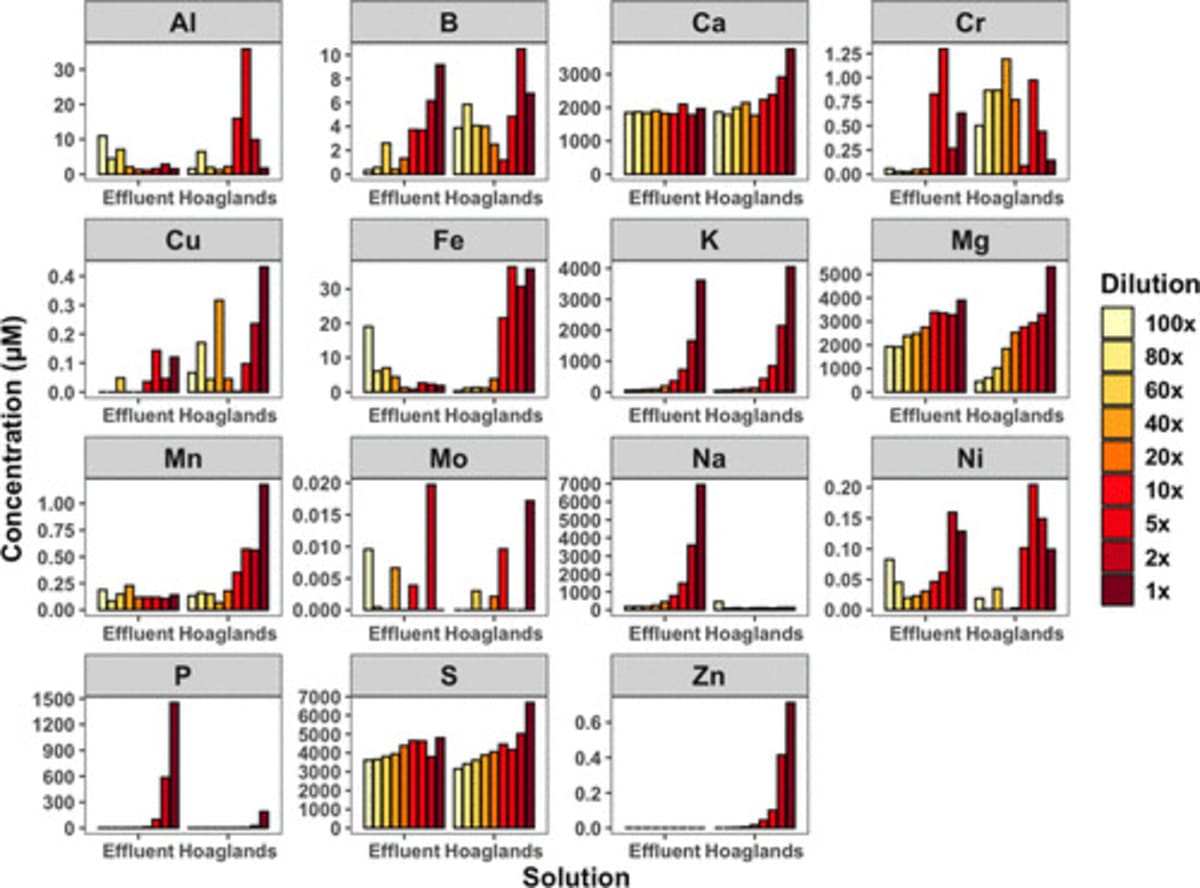
To explore its potential, the researchers used the organic processing assembly (OPA), a working prototype of BLiSS at the Kennedy Space Center, to process artificial sewage into nutrient-rich effluent. They then mixed the effluent with a Martian soil simulant (MGS-1) and a lunar soil simulant (JSC-1A) to simulate a process known as 'weathering' for a period of 24 hours. The researchers found that the lunar simulant released sulfur, calcium, and magnesium. As for the Martian simulant, it released all three aforementioned elements plus sodium.
During the weathering process, both regolith simulants underwent shape changes. The researchers noted that the sharp edges of the lunar particles became a bit rounded. The weathering created holes in the mineral faces, clear signs that the parts of the particles had broken away. Moreover, a strange web-like pattern had formed in the specific part of the Moon soil called anorthosite. Despite all this, however, the researchers noted that the overall particle size of the simular did not undergo substantial reduction. The Martian simulant, however, reacted in a different way. It suffered a significant reduction in particle size, unlike the lunar simulant. The researchers also observed nano-sized particles clinging to larger grains in the Martian soil.

The results of the study are quite promising. "Overall, lunar and martian regoliths contain highly soluble components that may fortify BLiSS effluents with valuable metals and plant essential nutrients," the researchers concluded. That being said, the method comes with its own set of challenges. For instance, the simulants may behave very differently from the actual regolith. Moreover, the researchers also noted that OPA, as a technology, is still in its early stages. All that said and done, the merits of the study are obvious and cannot be disregarded.
More on Starlust
Moon’s far-side soil may offer sturdier foundations for future bases, AI analysis suggests
NASA's Artemis program could benefit from this new map of small mare ridges on the Moon