From thousands of dollars to less than $300 per kg—space launch costs could plunge by 2040
A new study, published in PNAS Nexus, shows that the cost of launching payloads into orbit is likely to fall dramatically over the next 15 years. The price of sending a one-kilogram payload into orbit could plunge from an average of $3,868 in 2025 to just $273 by 2040. Such a decline would not simply make rocket launches cheaper, but could also reshape the global economy. The study, based on more than 4,400 rocket launches between 1960 and 2025, is the largest economic assessment of launch costs ever conducted.
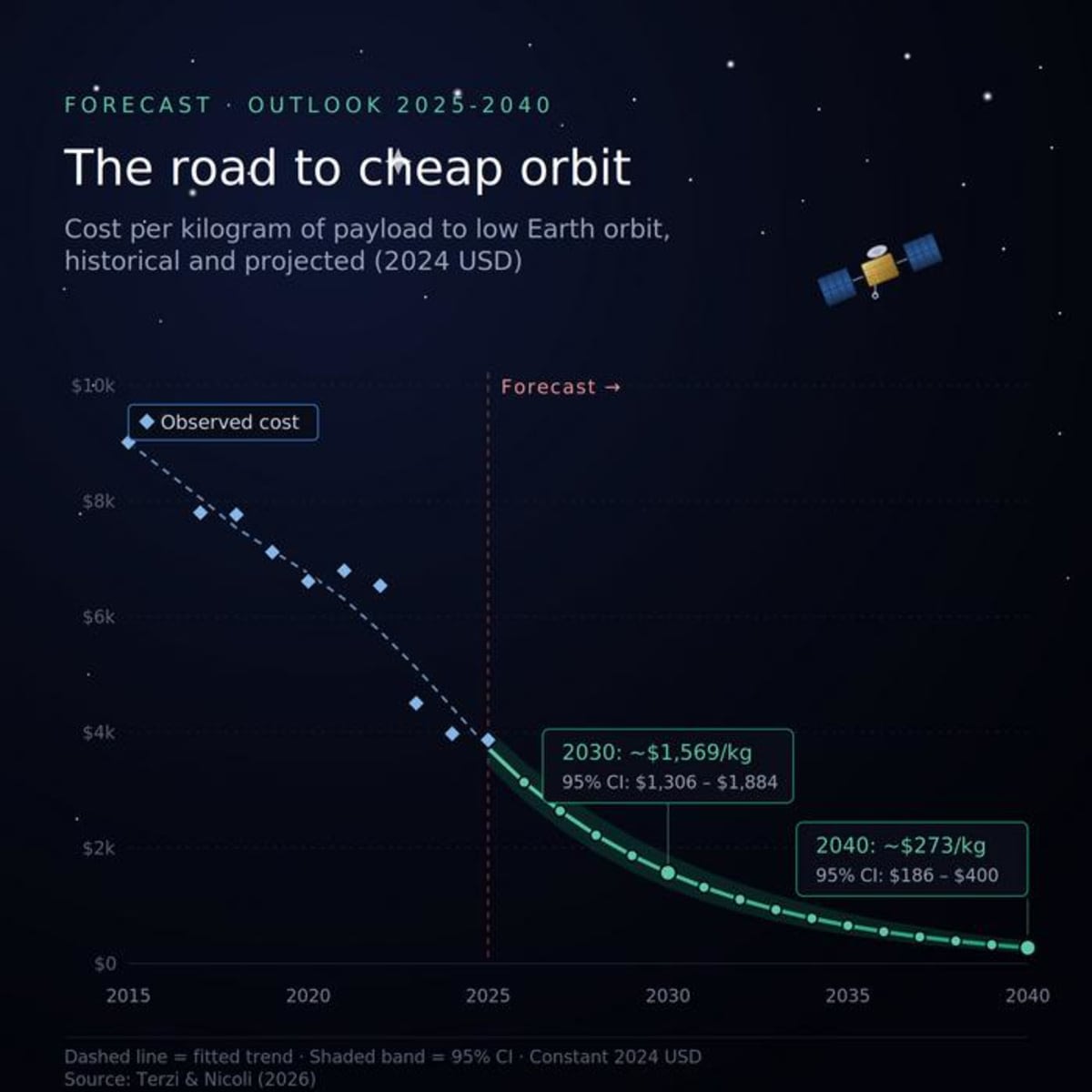
"Space is no longer a science-fiction fantasy or a purely scientific pursuit, it is becoming a marketplace," said lead researcher Dr Alessio Terzi from Cambridge’s Bennett School of Public Policy, according to a statement published by EurekAlert. In 1960, sending a single kilogram into orbit cost an eye-watering $87,023, a figure that fell to $3,868 by 2025. If the study's projections hold true, launch costs could fall to around $1,569 by 2030, before dropping below $300 a decade later. Satellites drive the modern digital economy. By one estimate, the global space economy was already worth more than $600 billion in 2024—roughly equivalent to the entire gross domestic product of Sweden.
If prices drop as projected, scientists could conduct experiments in microgravity as routinely as they use laboratories on Earth. Manufacturers may produce ultra-pure fibre-optic cables that cannot be made with the same purity under Earth's gravity. Biomedical companies could print replacement organs in orbit, while space tourism—currently reserved for the ultra-wealthy—may gradually become accessible to a much broader public. To understand the pace of change, the researchers looked to history. They compared today's space economy with the rise of steamships during the Industrial Revolution.

As shipping volumes doubled, freight costs fell by about 15.5 per cent, accelerating global trade and economic growth. The study found that launch costs have declined by 21.2 per cent every time the cumulative amount of material sent into orbit doubles. That improvement outpaces even solar photovoltaic technology, long regarded as one of the fastest-improving clean-energy innovations. Between 2000 and 2019, payload launches grew by a modest 4 per cent annually. Since 2020, however, the satellite boom has transformed the industry, pushing annual growth to 31 per cent and increasing the annual payload to about 4,900 tonnes in 2025.
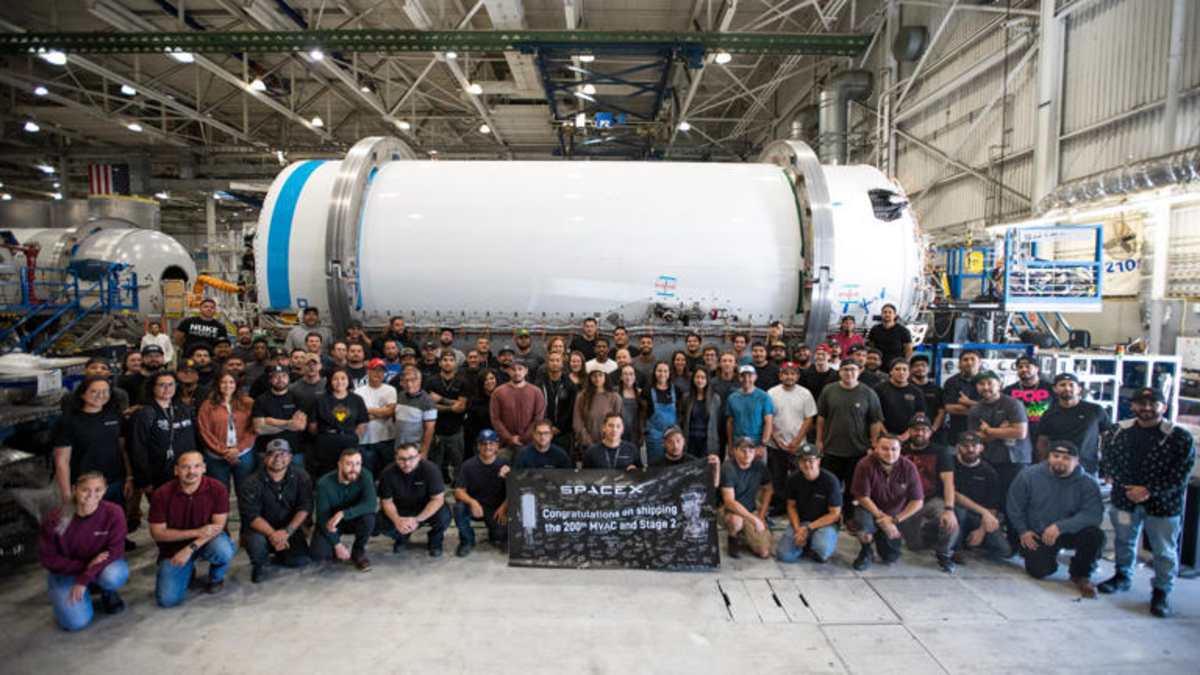
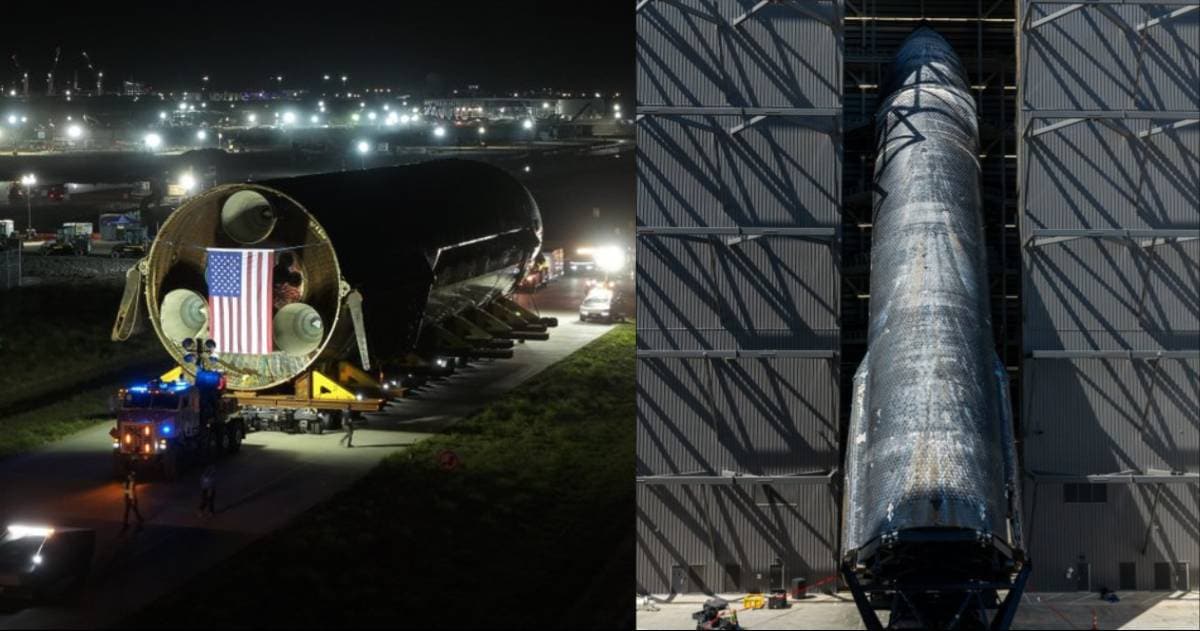
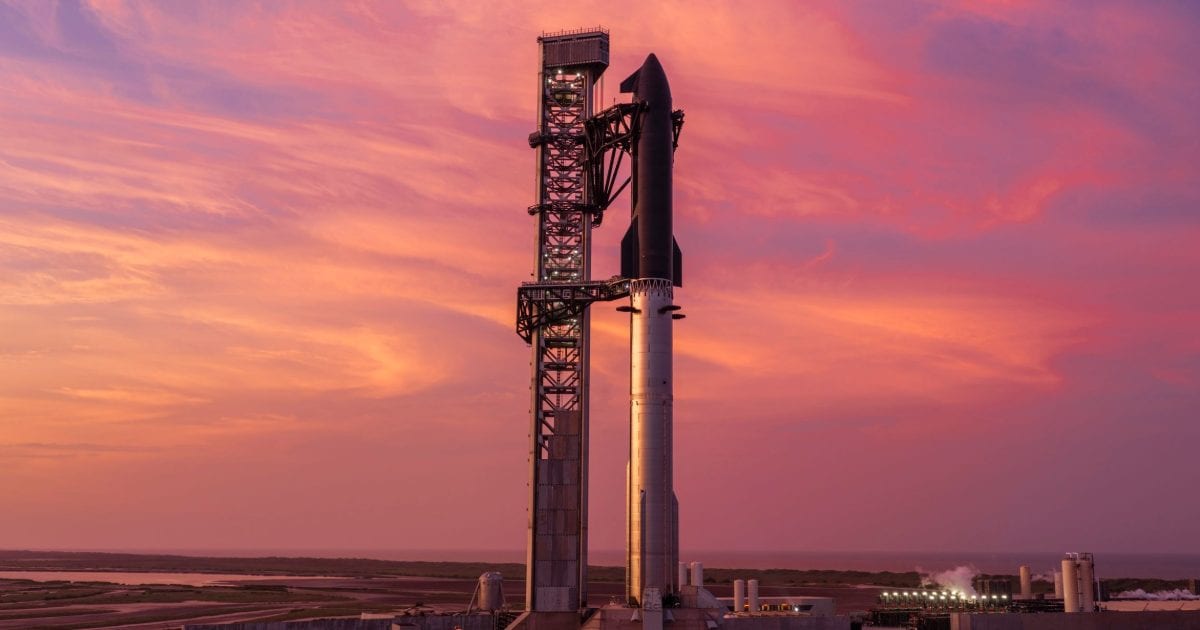
If that trajectory continues, the world could be launching around 9,100 tonnes to low Earth orbit every year by 2030. "SpaceX alone could achieve this with eighty flights of its new superheavy rocket Starship, which will be fully reusable," says Terzi. "The figure could hit 32,000 tonnes a year by 2040." However, the growing dominance of a few commercial players, combined with geopolitical tensions, could slow competition and keep prices higher than projected. SpaceX already accounts for roughly 80 percent of the world's annual payload launches, giving the company an unprecedented position in the global launch market.

In a separate study, Terzi and a colleague likened SpaceX's influence over modern space transportation to the East India Company's grip on maritime trade during the early nineteenth century. Unlike transportation on Earth, where distance directly translates into higher costs, travel in space follows a different logic. Climbing out of Earth's deep gravity well to reach orbit requires enormous amounts of energy, but once a spacecraft reaches orbit, travelling farther—to the Moon, Mars, or beyond—requires comparatively little additional energy.
More on Starlust:
United Launch Alliance loses NASA's SunRISE mission to SpaceX
NASA reveals finer details of how Artemis III's design will shape future crewed lunar missions