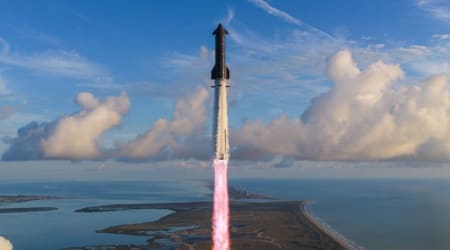
Microgravity and radiation in space can have dangerous effects on an astronaut's liver, study finds
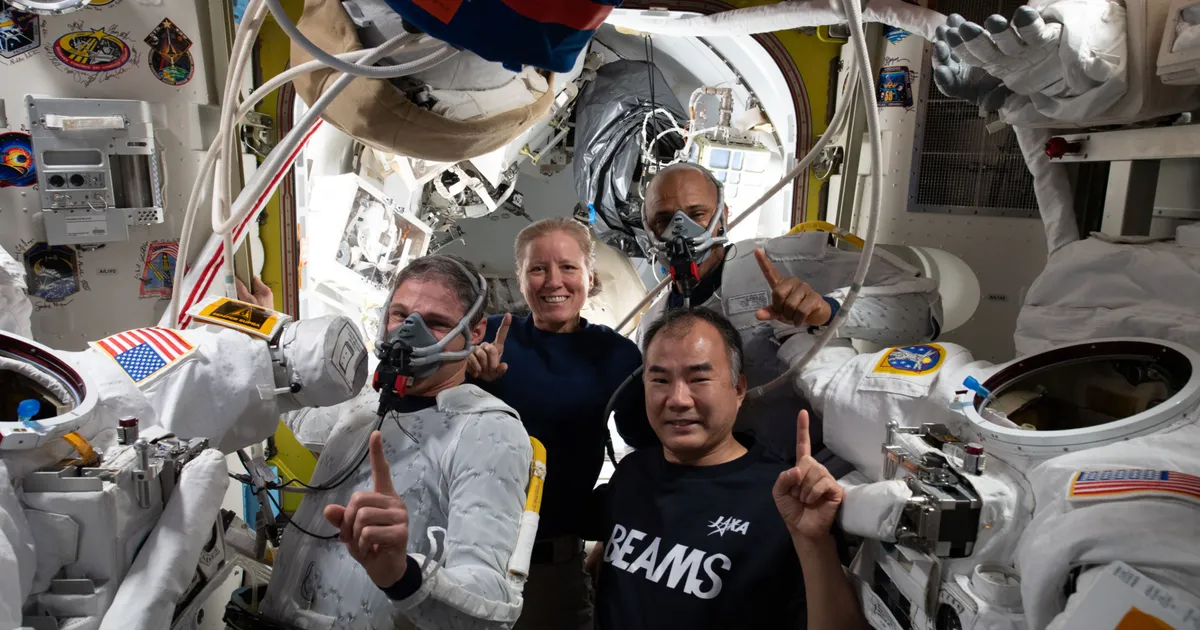
The thought of space travel conjures up images of rocket launches, distant planets, and breathtaking views of Earth from orbit. But exposure to radiation and microgravity can wreak havoc on astronauts’ health. Now, researchers at the University of Central Florida (UCF) have discovered that the harsh conditions of space can trigger changes in the liver that closely resemble accelerated aging. Their findings, published in GeroScience, could pave the way for new treatments that can protect astronauts on future missions while also helping combat age-related diseases here on Earth.
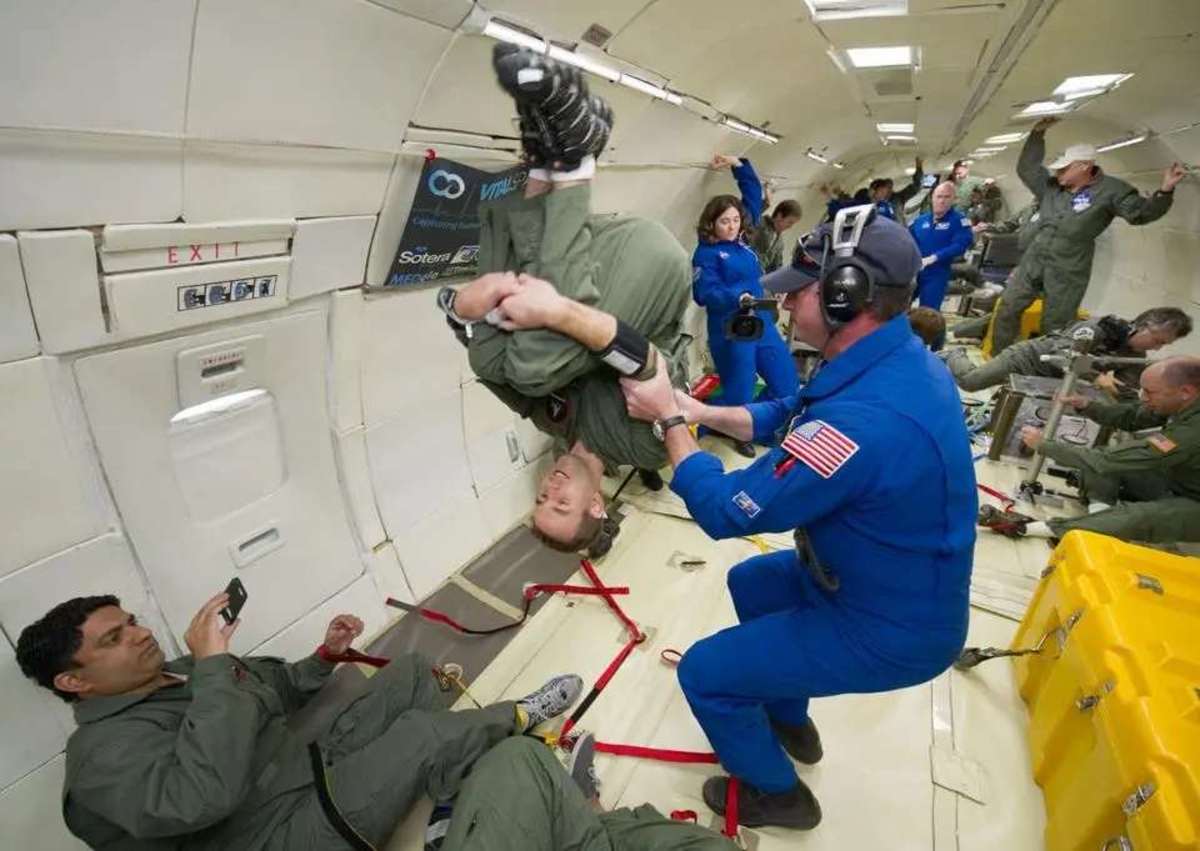
The researchers studied the effects of space travel on the liver because it is an important metabolic organ of the body. They exposed animal models to simulated microgravity for two weeks and galactic cosmic radiation and solar particle events at NASA Space Radiation Laboratory. The latter was done to mimic the dosage astronauts would be exposed to during a trip to Mars. The exposure had significant and potentially dangerous effects on the liver, which included increased cellular senescence (aging and decreased cell function), inflammation, and fibrosis.

Together, these conditions, if left unaddressed, can gradually reduce the liver's ability to perform its essential functions and may eventually contribute to organ failure. “What we found was that just 24 hours after radiation exposure, there are many genetic changes in the liver that are remarkably similar to what happens during aging,” said lead researcher Dr. Michal Masternak, professor of medicine and head of UCF's aging and space medicine research program, in a statement. “We can assume that if someone were in space much longer, the damage could be much greater,” he added.
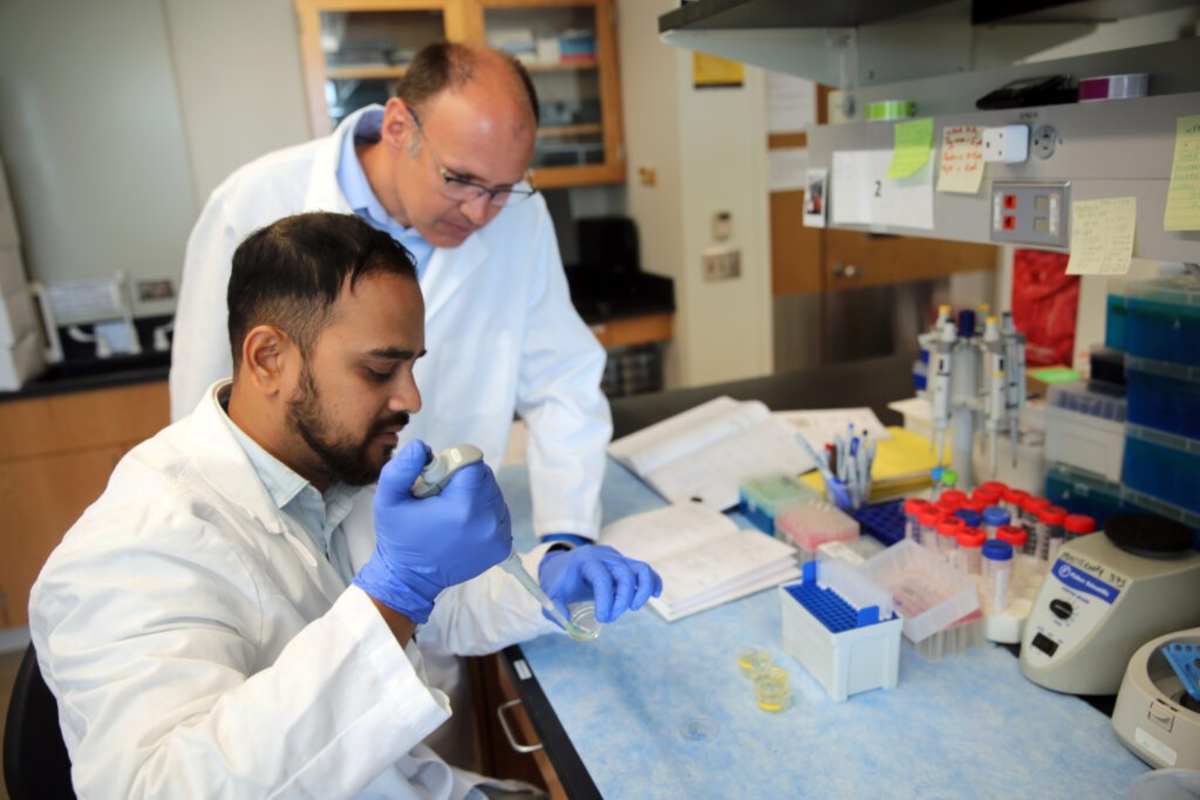
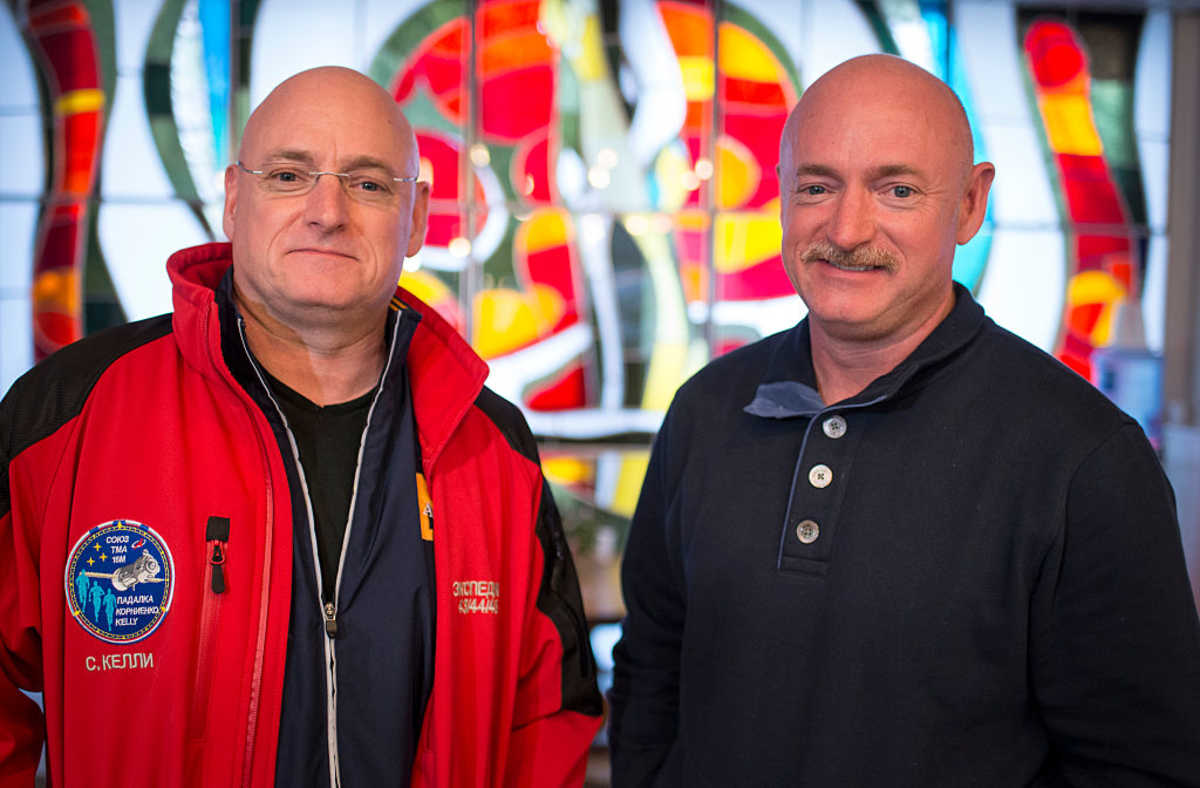
But the researchers were curious to know whether these findings reflected what actually happens in humans. To check that, they compared their results with blood samples collected from astronauts involved in NASA's Twins Study and the Inspiration4 mission and found similar genetic changes in blood. “We’ve got this raw data from human studies, and they show that some of these changes are similar,” Masternak said. “That tells us we’re identifying useful molecular targets that one day could help protect astronauts during long-duration space missions.” For context, the Twins Study looked into the physiological, molecular, and cognitive effects of spaceflight by comparing identical twins, retired astronaut Scott Kelly, while he was in space, and his brother, retired astronaut Mark Kelly, who stayed behind on Earth. Inspiration4, on the other hand, saw an all-civilian crew fly to orbit for the first time. The crew was commanded by the current NASA administrator Jared Isaacman, who was then known as the founder of Shif4 Payments.
The team didn’t stop at just noting the damage. They went ahead and checked whether it could be treated and found that a group of molecules called antagomirs can alter several genetic pathways related to aging and inflammation by interacting with the body’s microRNA. This could be really good news for space travelers.
More on Starlust
Long-term space travel significantly deforms the human brain, new study finds
Light could power interstellar spacecraft—until it starts slowing them down