Why dead satellites explode—the science behind passivation
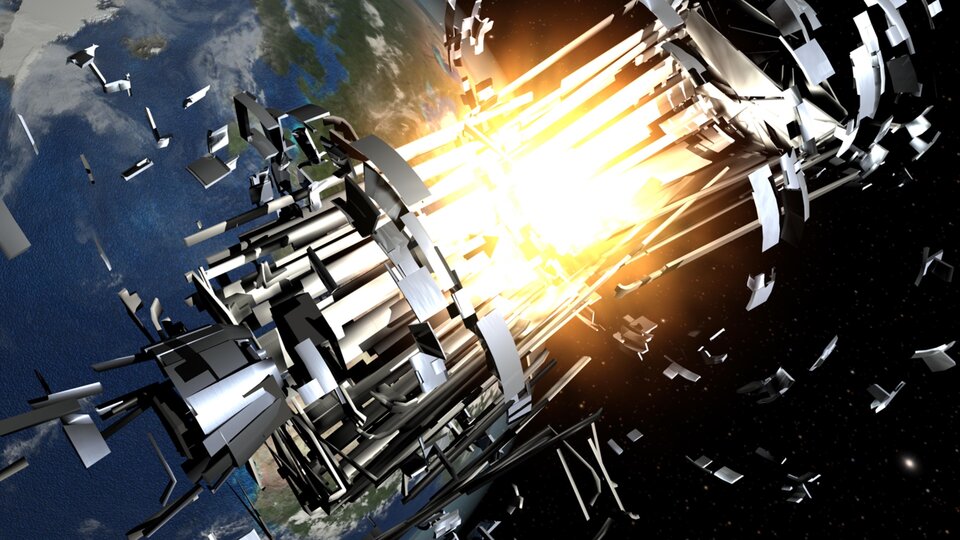
Retiring a satellite often involves lowering or raising its orbit to ensure that it does not interfere with ongoing or subsequent missions. However, this relocation by itself does not render a satellite safe. Over time, the harsh conditions of space reduce the integrity of a satellite's components, both external and internal. This can result in leaks or mixing of residual fuel components, which, in turn, can trigger an explosion, with the resultant debris wreaking havoc on other satellites and even crewed spacecraft. Other sources of stored energy can also have this effect. It is to prevent such scenarios that satellites are passivated upon retirement.
What is passivation?
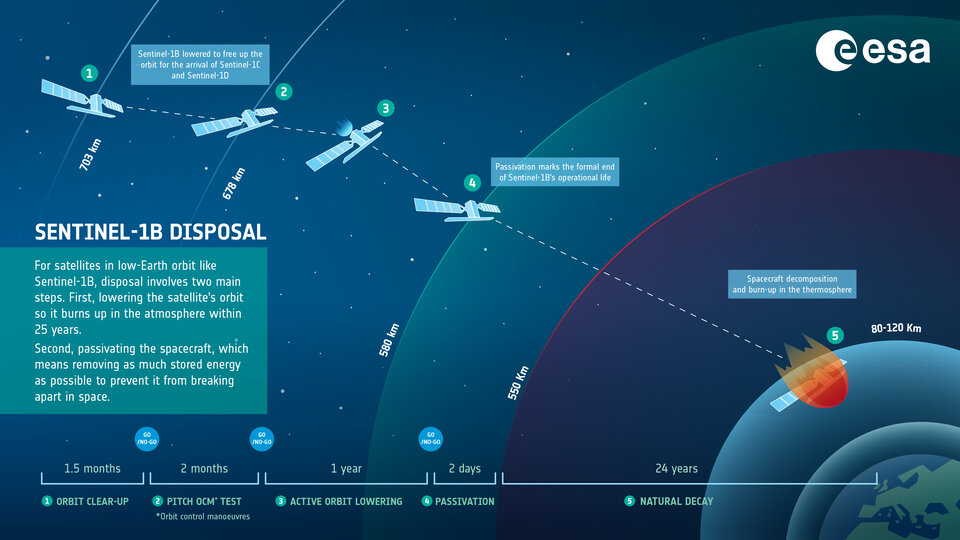
A spacecraft that remains in orbit after its mission has ended has many sources of energy. According to a paper available on the NASA Technical Reports Server, these sources include propulsion systems, pressure vessels, reaction wheels, control moment gyros, heat pipes, and, of course, power systems. Simply put, passivation is the process that eliminates all stored energy on a spacecraft, or even discarded rocket stages, for that matter, to reduce the risk of a post-mission explosion. For instance, the passivation process for the Sentinel-1B satellite, which took place in September 2024, saw the European Space Agency (ESA) shut down all its powered systems and discharge its batteries. ESA also made sure that the retired satellite was configured in such a way that the deactivated systems could not automatically wake up again.
One explosion becomes everyone’s problem
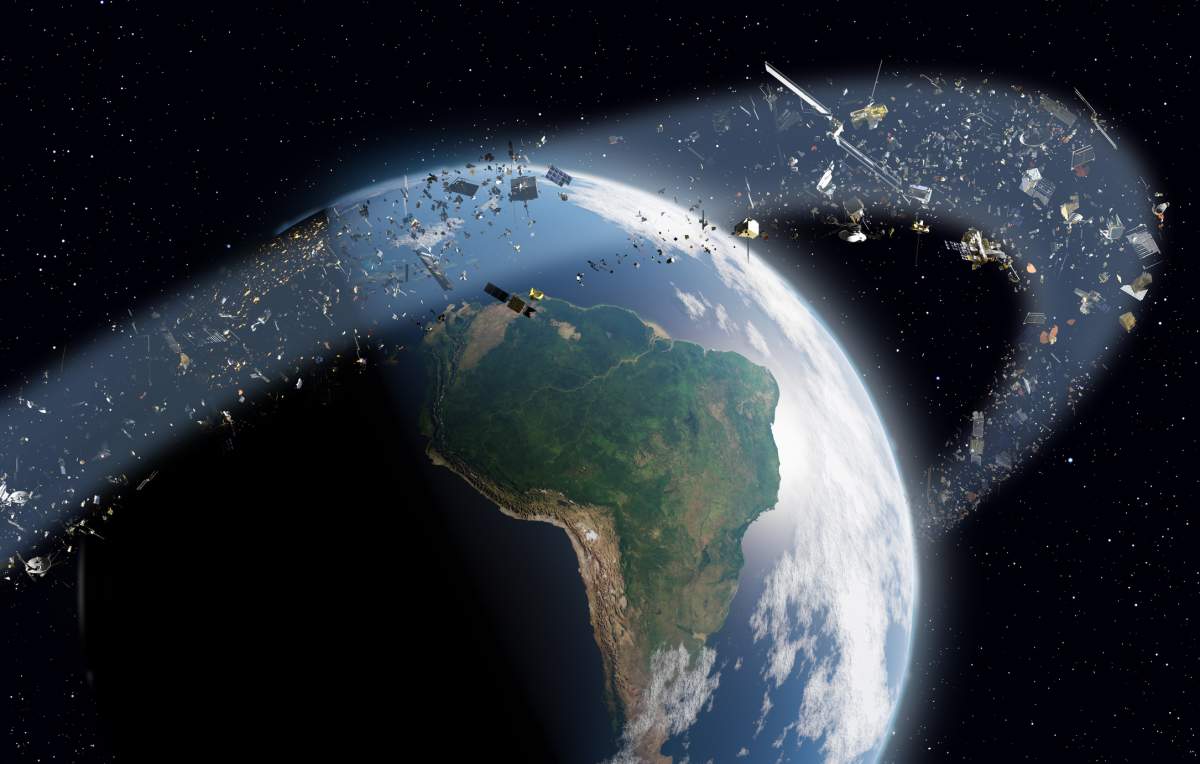
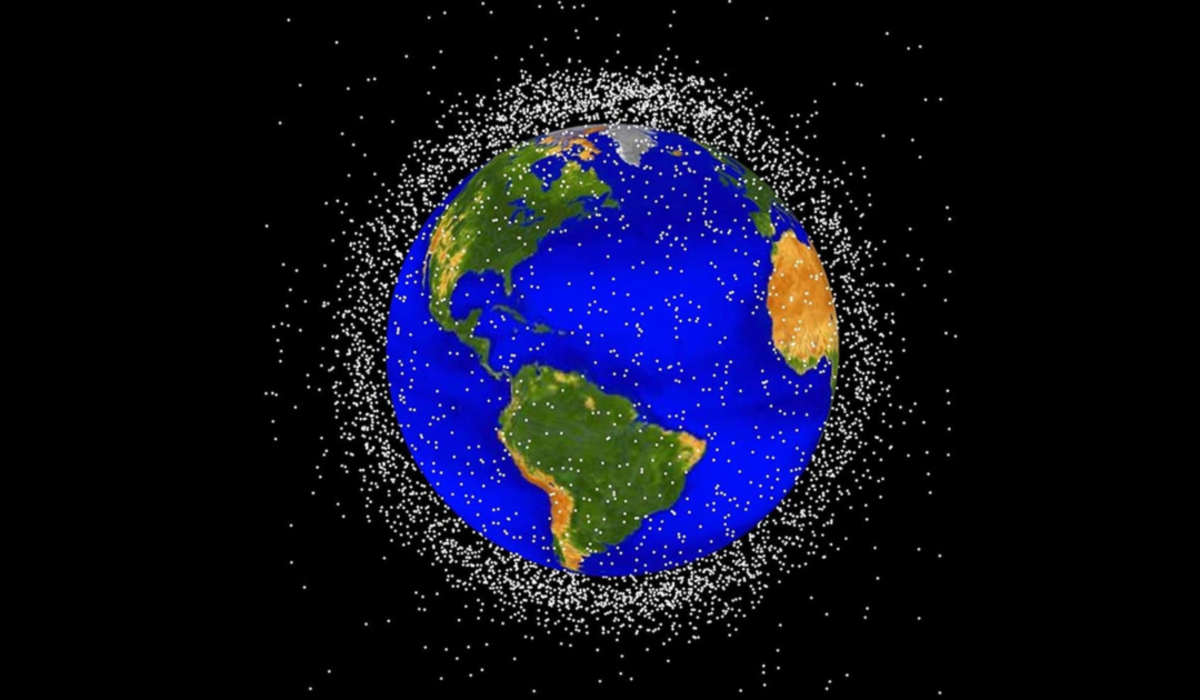
According to the data provided by ESA's Space Debris Office that was updated on June 25, 2026, Earth is surrounded by more than 54,000 space objects (including 9,300 active payloads) larger than 10 cm, around 1.2 million space debris objects between 1 and 10 cm and more than 140 million fragments between 1 mm and 1 cm. Every new fragmentation event adds to this crowded environment. And while the smallest fragments, which are difficult to track to begin with, may seem insignificant, they pose mission-ending threats to both satellites and even crewed spacecraft. Objects in low-Earth orbit, for example, move at speeds of 18,000 miles per hour. At such speeds, even a paint fleck can penetrate a spacecraft's surface, according to the eoPortal.
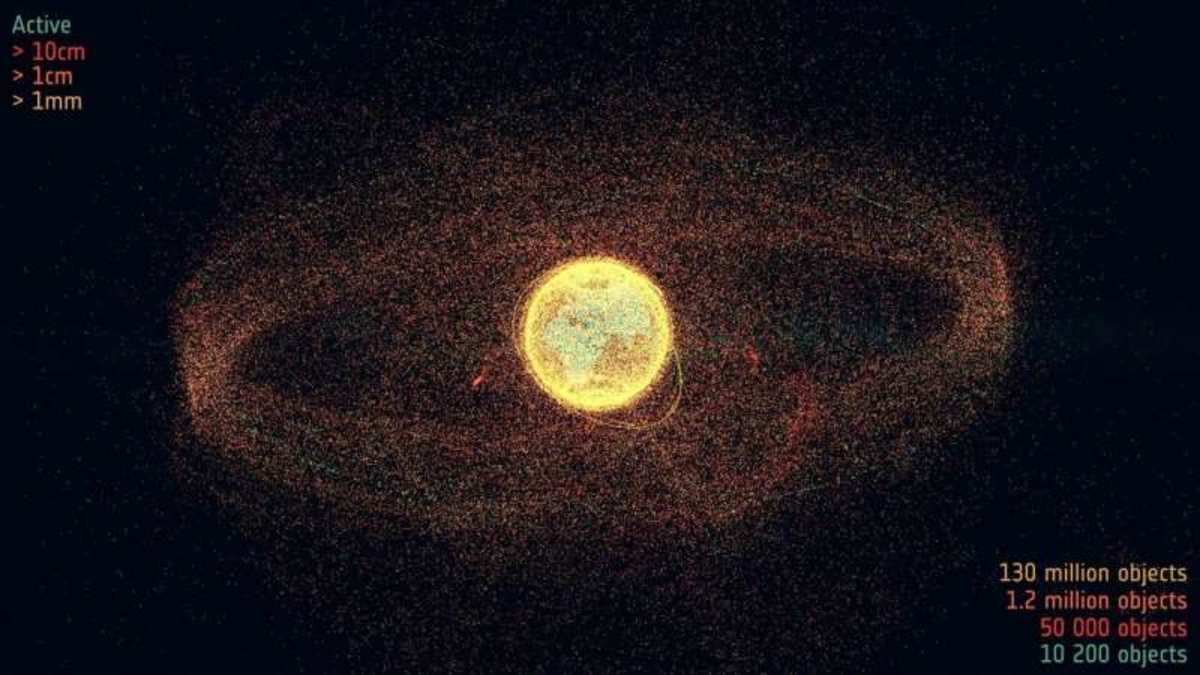
There is a scientific consensus that even without any new launches, space debris would continue to increase, and this can lead to a Kessler Syndrome event. The idea introduced by former NASA scientist Donald Kessler in 1978 describes a chain reaction, where the debris generated by one collision sets up secondary impacts, eventually making entire regions of an orbit unusable for years.
Global efforts to make space safe
The Inter-Agency Space Debris Coordination Committee (IADC), whose members include ESA, NASA, JAXA, ISRO, and other leading space agencies, recommends eliminating all remaining stored energy at the end of the mission. Its guidelines call for venting residual propellants, relieving pressurized systems, and depleting other onboard energy sources to minimize the risk of post-mission breakups. The same principle is reflected in the United Nations Space Debris Mitigation Guidelines of the Committee on the Peaceful Uses of Outer Space (COPUOS). These guidelines encourage spacecraft operators to reduce the potential for accidental breakups throughout the mission and after its completion, recognizing that sustainable access to space depends on responsible end-of-life practices.
The final mission
The success of a satellite is often measured by the images captured, the signals it relays, or the scientific discoveries it enables. Yet one of its important missions begins only after those tasks are completed. By removing fuel, pressure, and electrical energy that can turn a retired satellite into an exploding one, engineers reduce the risk of creating thousands of new debris fragments that could endanger future missions. Sometimes, protecting the future of space isn't about sending another spacecraft into orbit; it is about safely bidding farewell to existing ones.
More on Starlust
What really happens to satellites after they die? Explained
NASA concerned after discovering mysterious new cloud of tiny space debris