United Launch Alliance loses NASA's SunRISE mission to SpaceX
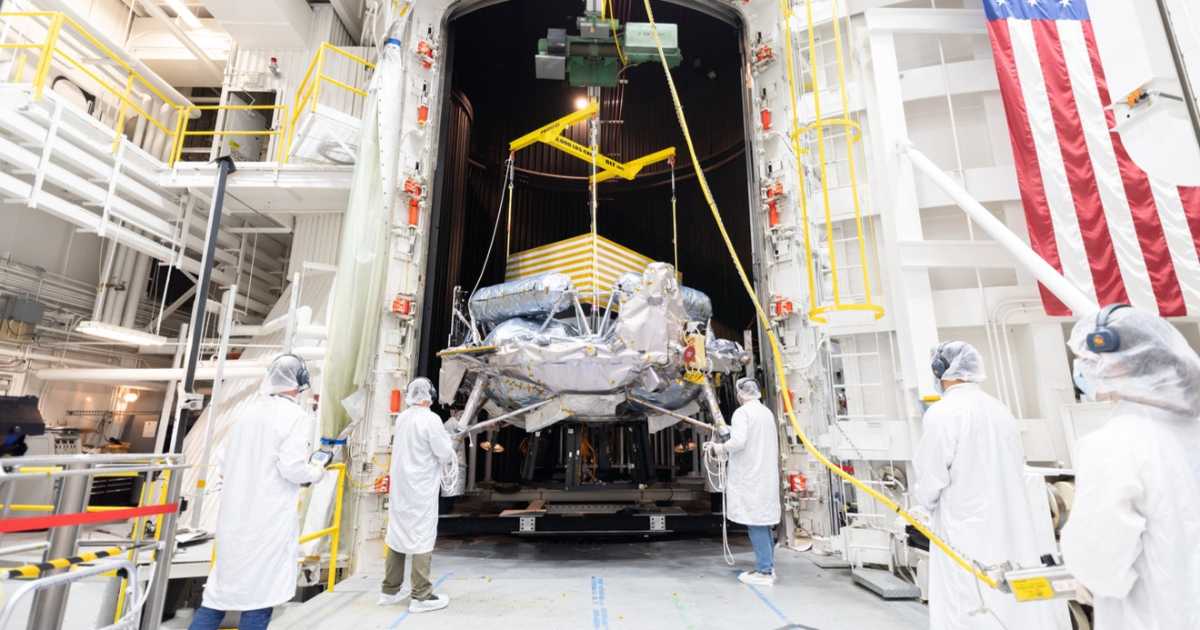
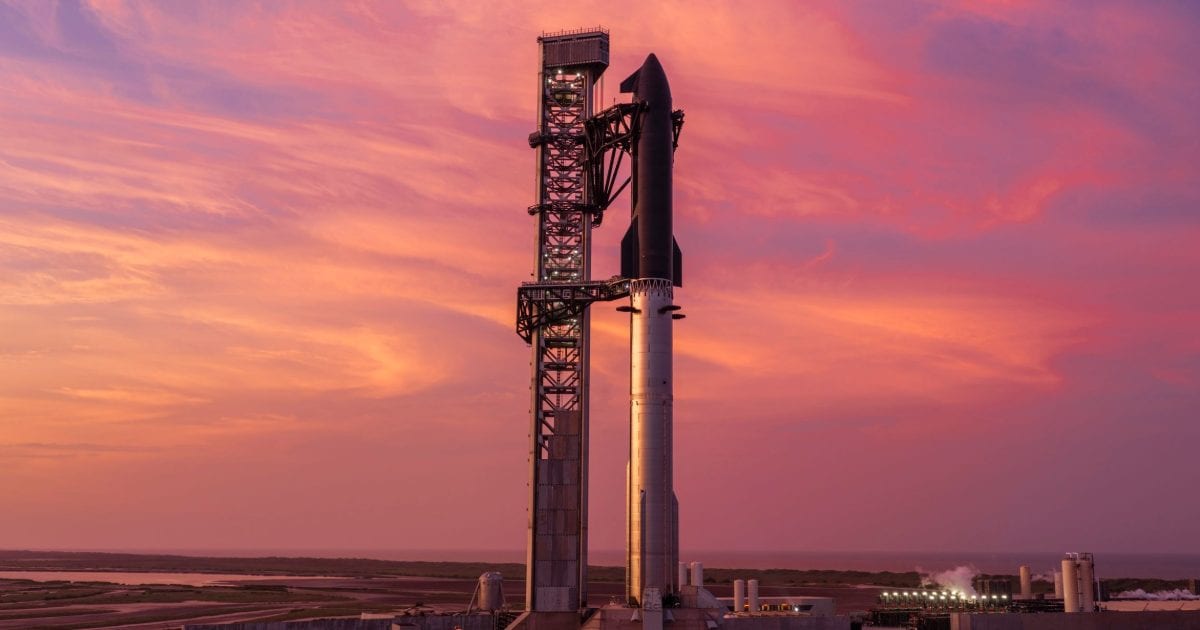
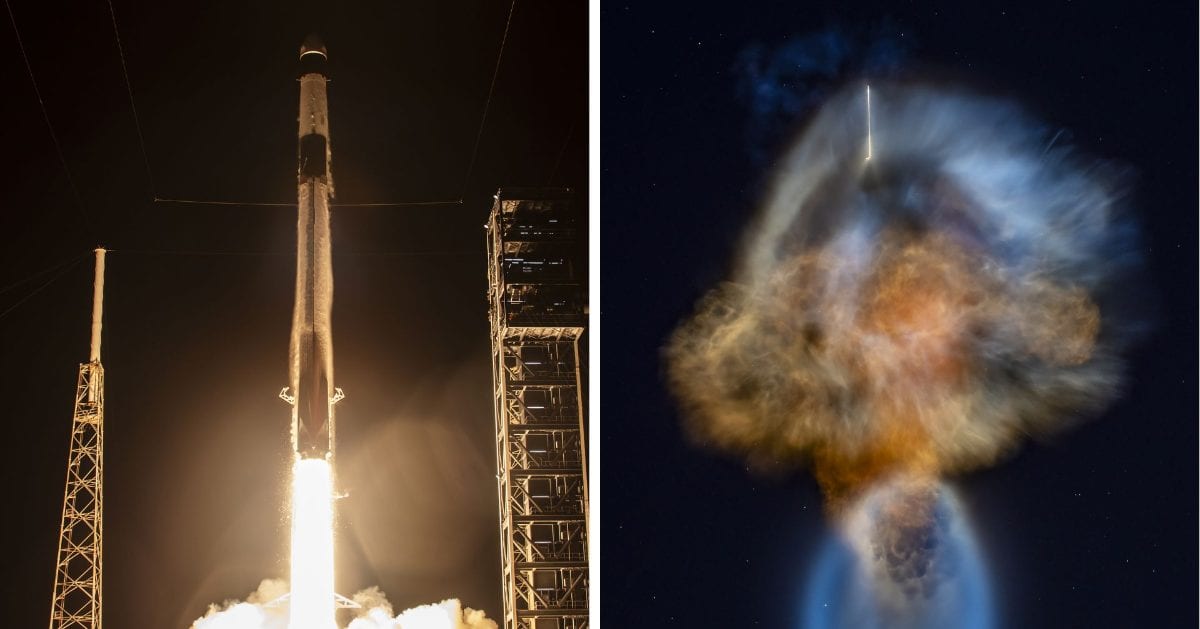
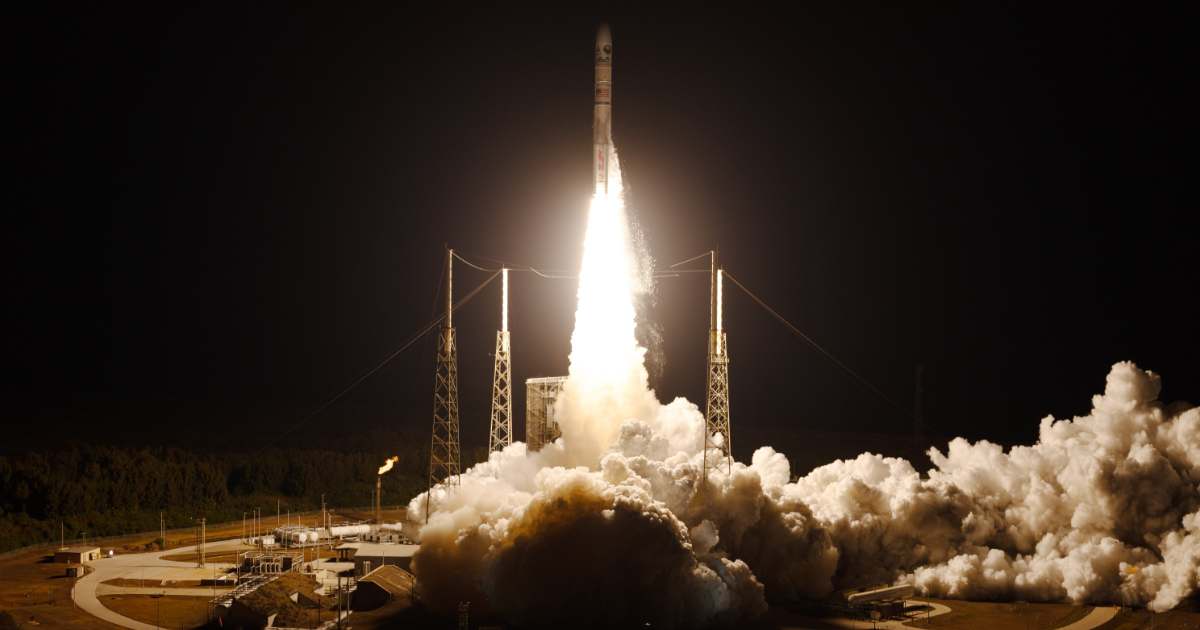
Instead of being launched aboard a United Launch Alliance Vulcan Centaur vehicle as originally planned, NASA's SunRISE mission is now going to hitch a ride to orbit aboard a SpaceX Falcon Heavy rocket. While the mission is expected to launch as a rideshare sponsored by the United States Space Force's (USSF) Space Systems Command this year itself, a date is yet to be announced. And until the launch period is confirmed, NASA said the mission's probes will be kept at Utah State University's Space Dynamics Laboratory in Logan, where they were assembled and tested.
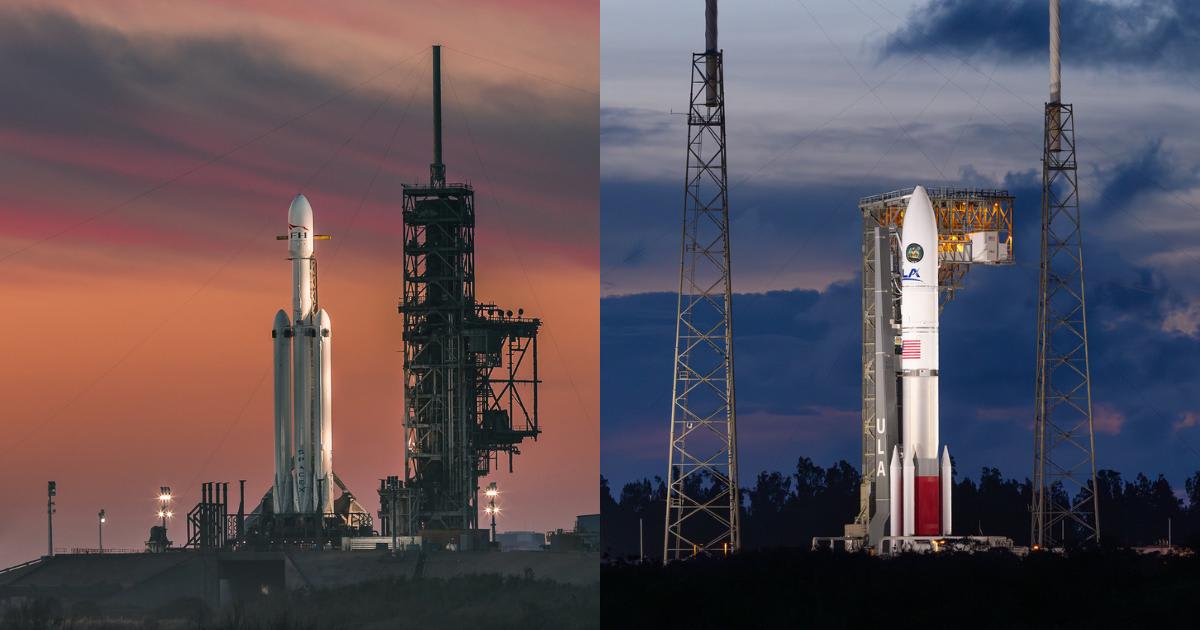
While NASA did not state the reason for the switch of launch vehicles, the decision may be related to the USSF pausing Vulcan launches following a "significant performance anomaly" being observed in one of the rocket's four solid motors during February's USSF-87 mission. Soon after the pause was announced, the USSF changed the launch provider for the GPS III-8 mission from ULA to SpaceX, whose Falcon 9 rocket delivered the payload to medium-Earth orbit in April.
What is SunRISE?
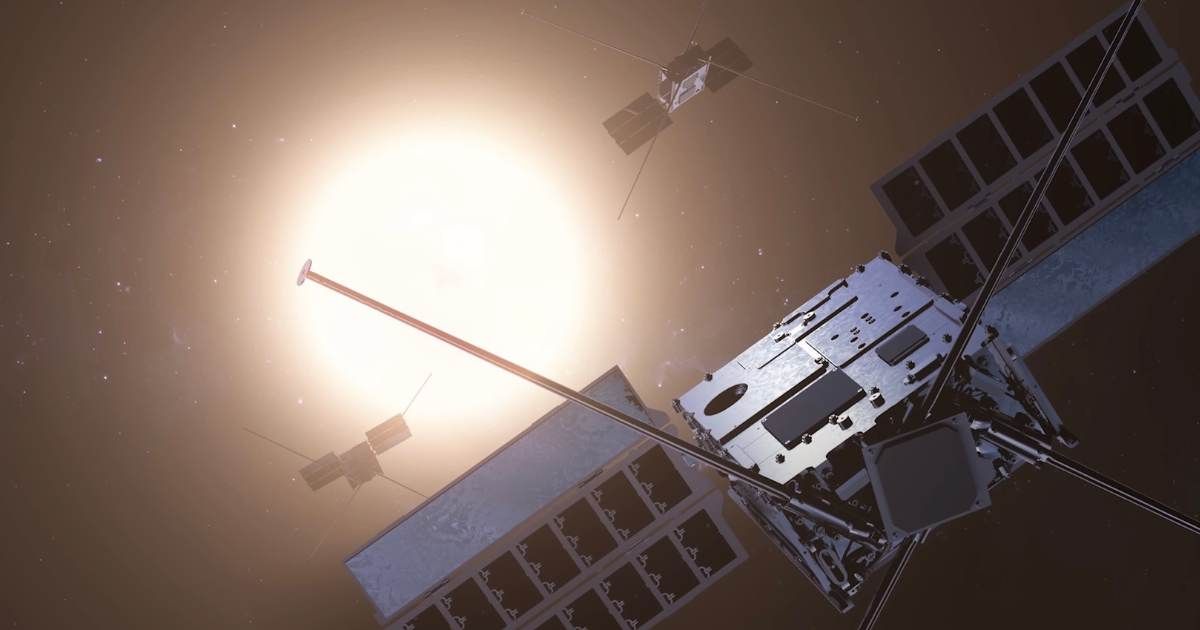
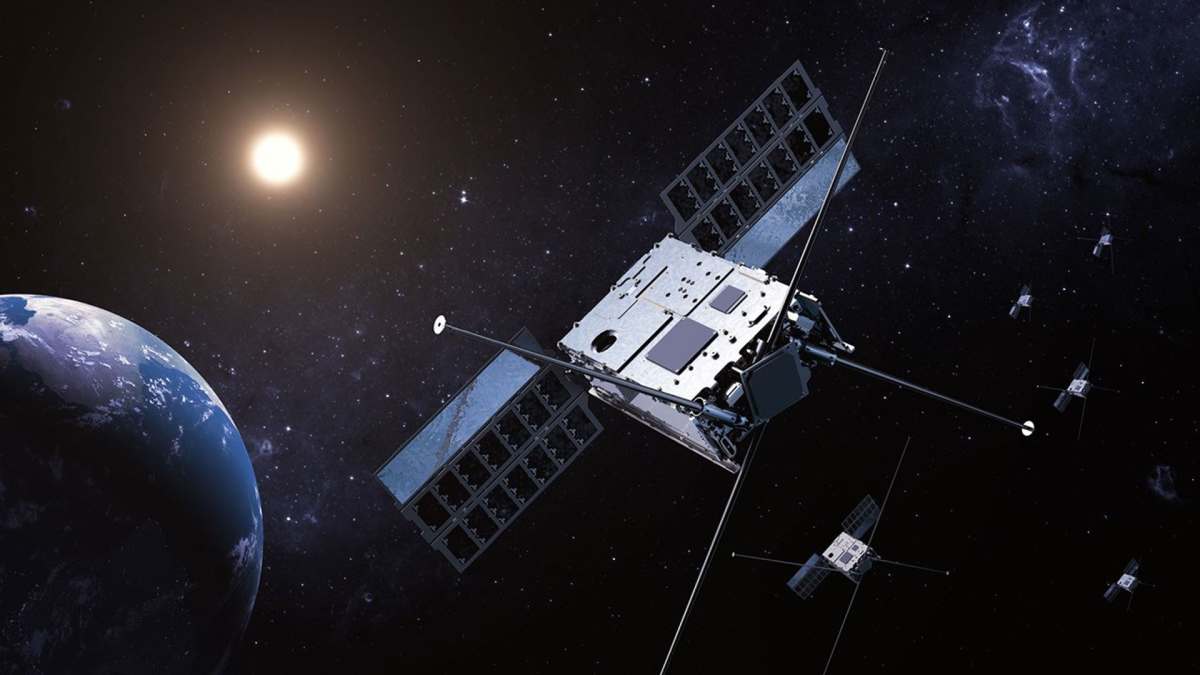
SunRISE stands for Sun Radio Interferometer Space Experiment. The mission is composed of six SmallSats—each roughly the size of a toaster oven—spread out in space up to 10 miles apart to act as a giant radio telescope. The satellites will be deployed just above geosynchronous orbit at an altitude of about 22,000 miles from where they will be able to detect radio bursts from the Sun and produce a map of its magnetic field from the outer corona through interplanetary space.
“Solar radio bursts are triggered after vast quantities of energy stored in the Sun’s magnetic field accelerate solar particles to high speeds,” said Sue Lepri, SunRISE principal investigator at the University of Michigan in Ann Arbor, in a statement. “Tracking these events will not only help space agencies mitigate their damaging effects on astronauts and spacecraft but will also add new science to our growing knowledge base of how space weather is generated and propagates throughout the solar system.” NASA already has an impressive portfolio of heliophysics missions under its belt. These include the Solar TErrestrial RElations Observatory (STEREO), Parker Solar Probe, and Solar Orbiter, which is a collaborative effort between ESA (European Space Agency) and NASA. The SunRISE satellites will complement these missions when they become operational.
More on Starlust
The Sun's magnetic 'engine' is located 200,000 kilometers below its surface, new study claims
All about Sunrise III: Balloon-borne observatory whose data is providing fresh insights into the Sun