From September 14-20, the Moon can help you find the Milky Way center: Here's how
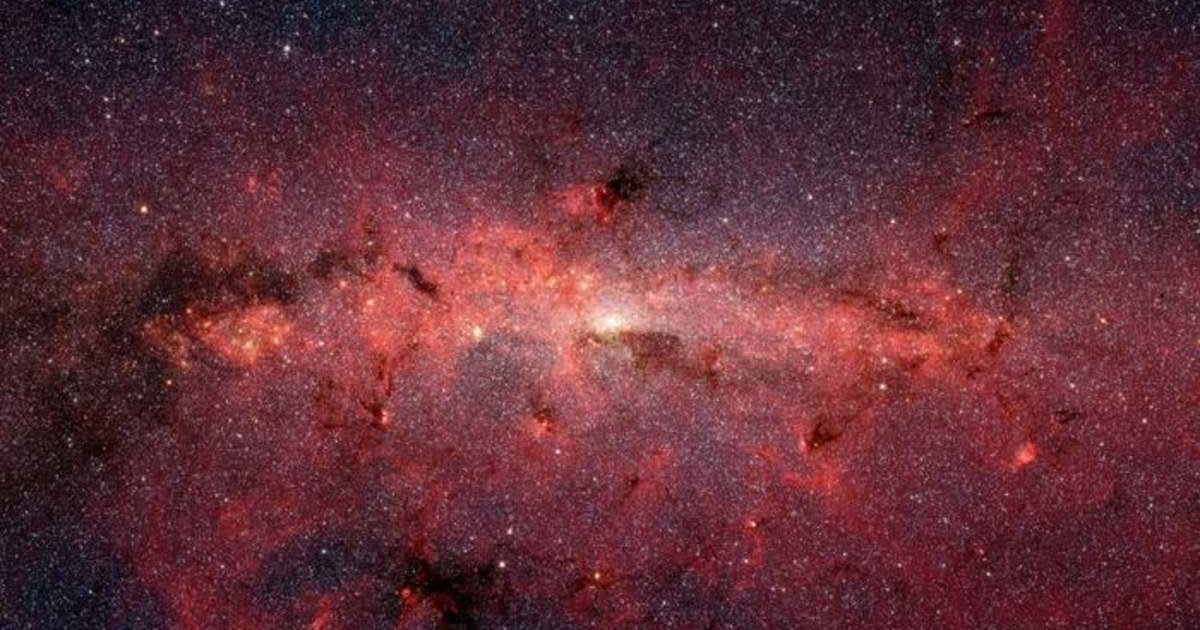
The Moon is set to feature as the central attraction of many of the skywatching events that are set to occur this month. One of these events sees the Moon near the constellations Scorpius and Sagittarius between September 14 and September 20. Should conditions allow it, their vicinity to the Moon could help guide enthusiasts in locating the center of the Milky Way galaxy.
How to find the Milky Way center?
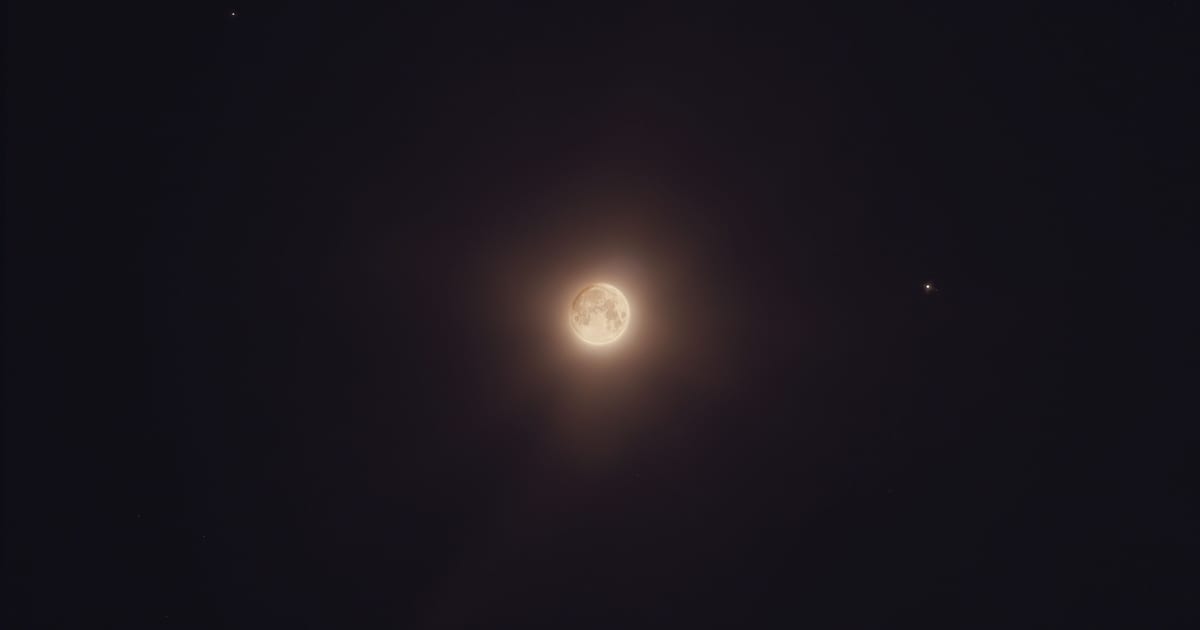
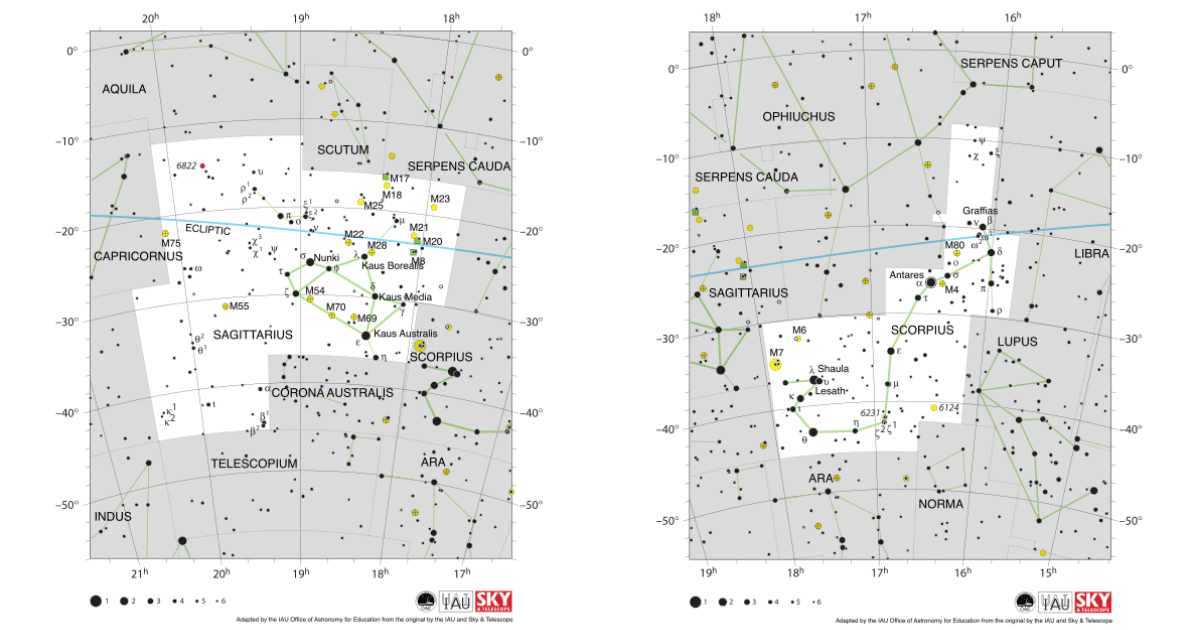
Between the aforementioned dates, the Moon will be visible in the southern sky, roughly an hour after sunset. As the days progress after the 14th, one should be able to observe that the bright, reddish star Antares approaches the waxing crescent Moon. This star forms part of the constellation Scorpius. By September 20, the Moon will have passed its first quarter phase and one should be able to find the constellation Sagittarius between a waxing gibbous Moon and Scorpius. Should one look closely at this point, they would be able to tell a group of eight stars apart that look like a teapot with a handle, lid, and a spout.
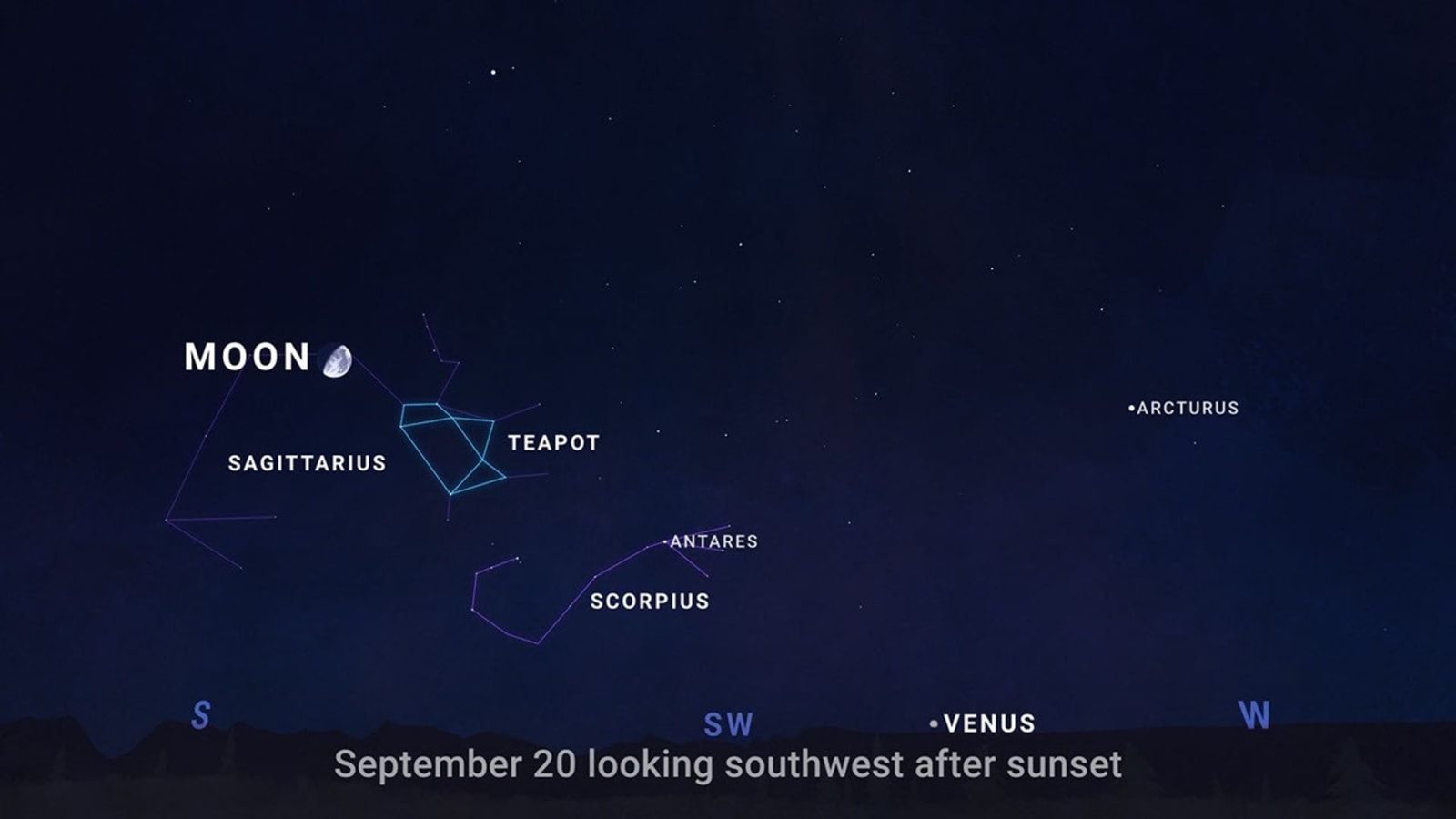
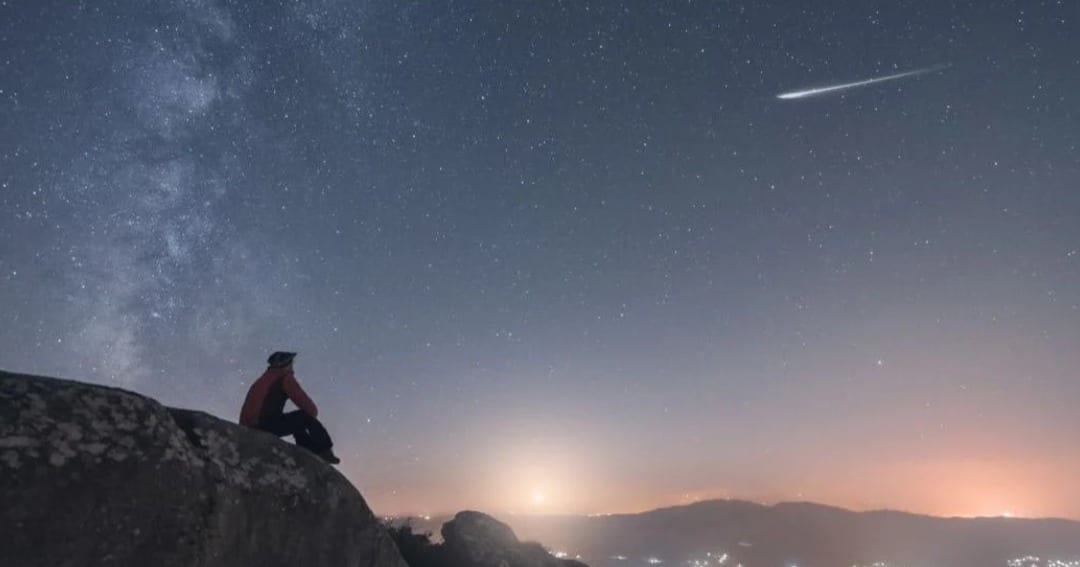
For reference, the teapot should have its handle towards the Moon, while its spout will appear to have steam rising from it. This will be contingent on the skies being dark, for which one would be advised to make their observations from a place of minimal light pollution—such as a protected area or wilderness away from populated regions. If one manages to make out the hazy steam that seems to rise from the teapot's spout, following it to its thickest part will lead to the Milky Way's center.
Other Moon-related skywatching events this month
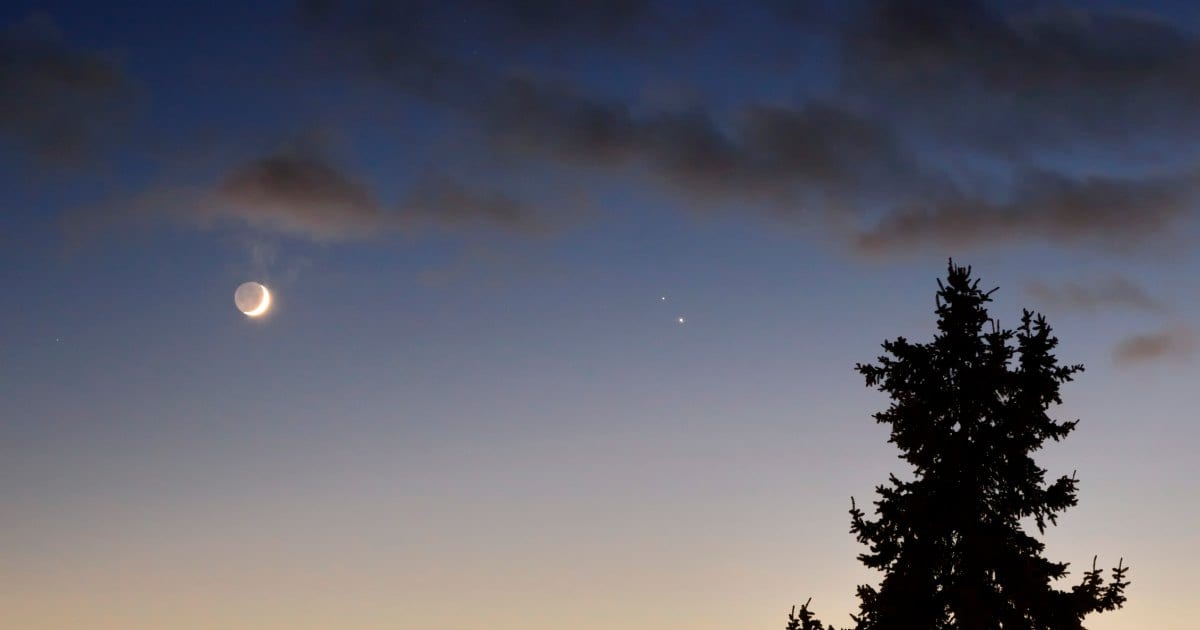
The Moon will be in conjunction with Mars on September 6 and 7 before dawn, coming within three degrees of one another. The best time to view the Red Planet near the waning crescent Moon in the eastern sky is after midnight. By September 8, the latter will come near the gas giant Jupiter, with viewers across North America and certain parts of Russia even experiencing an occultation—a phenomenon where one celestial body passes in front of another from our perspective. On September 14, another conjunction of the Moon, this time with Venus, will occur, with viewers in some regions of Asia, Africa, Europe, and western Russia getting a glimpse of another occultation.

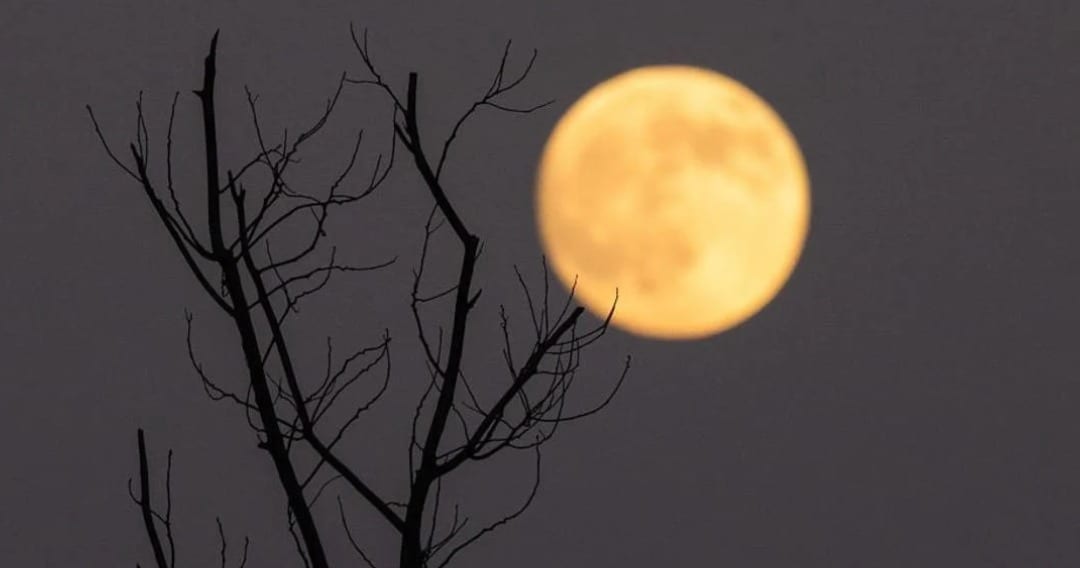
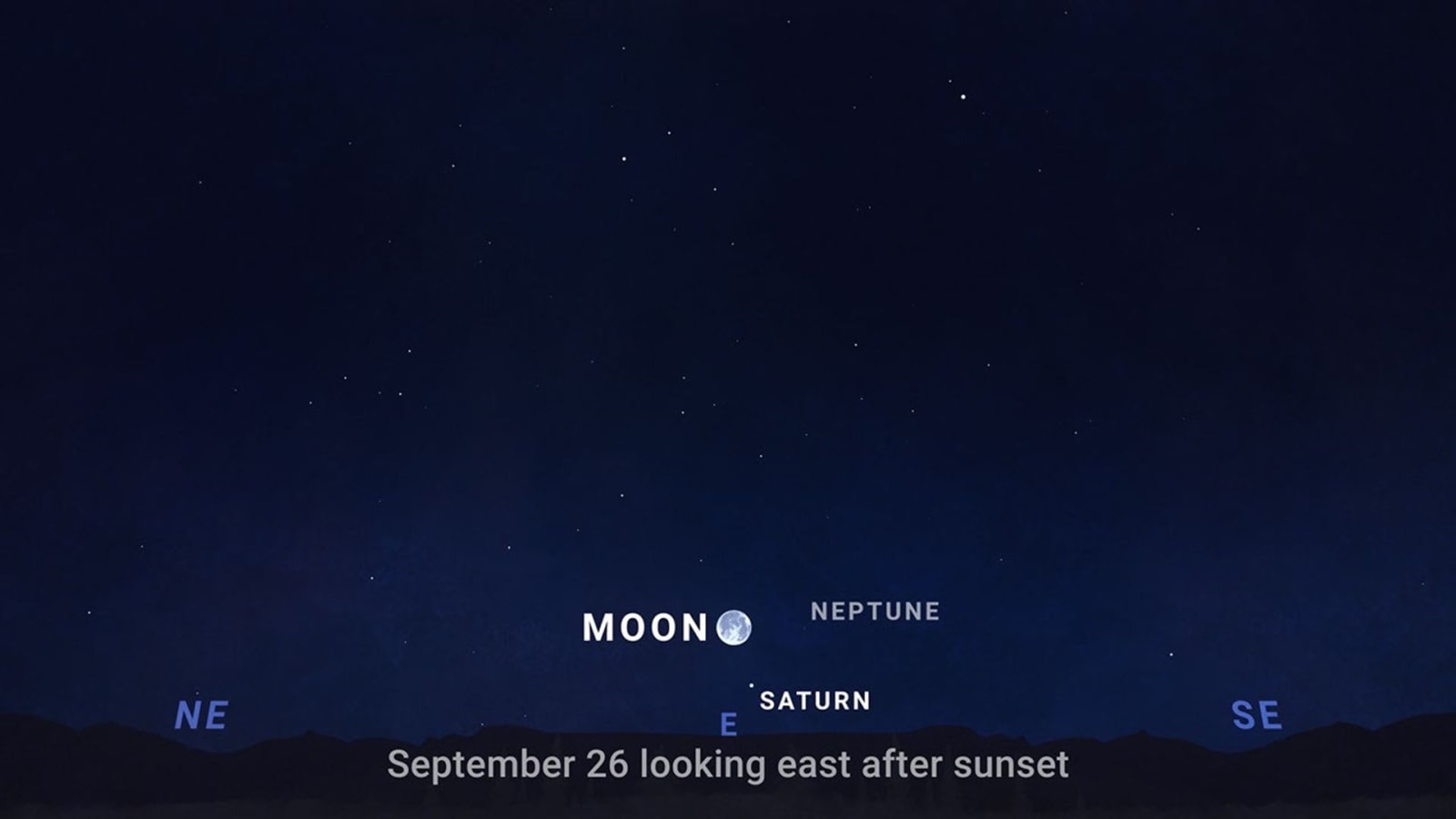
On September 19, citizen astronomers have an opportunity to be part of the International Observe the Moon Night. This is NASA's annual celebration of space science, exploration, and astronomy, where participants worldwide come together to make lunar observations and host public and private events with activities focused on the sharing of knowledge. Finally, September 26 will mark a Full Moon whose arrival at this particular time of the year gives it the name Harvest Moon. On this day, Saturn and Neptune will also form a wide triangular formation in the eastern sky, although the latter planet will be hard to spot without visual aid due to an apparent magnitude of 8.
What other skywatching events can I catch this September?
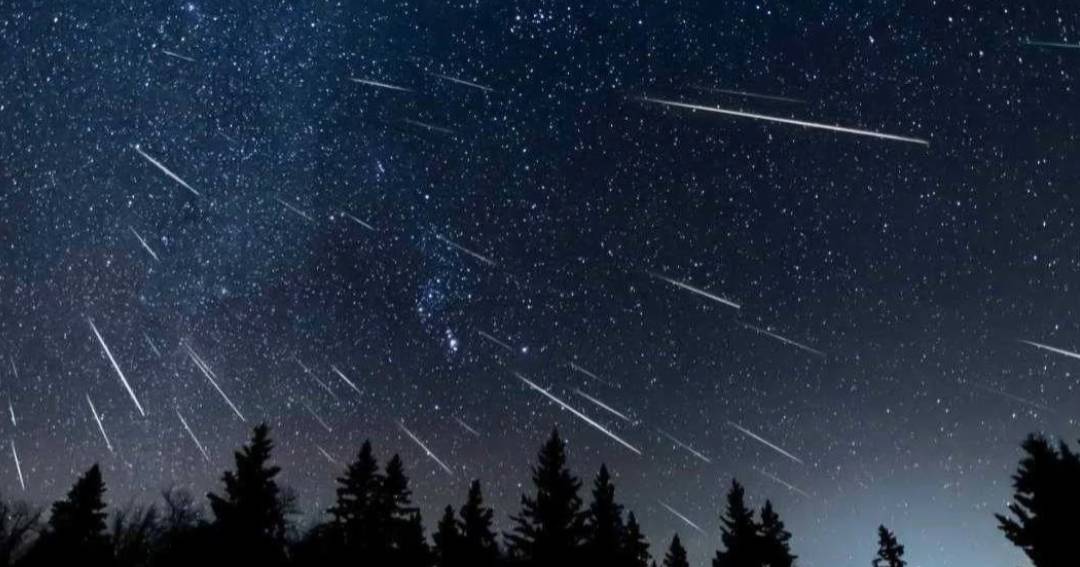
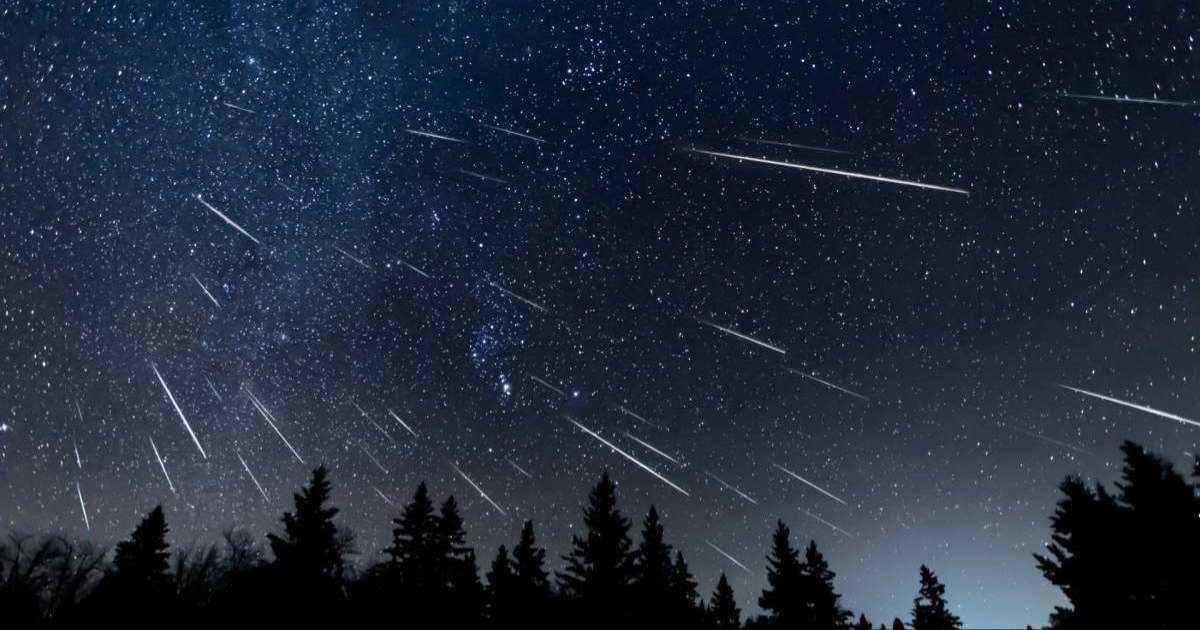
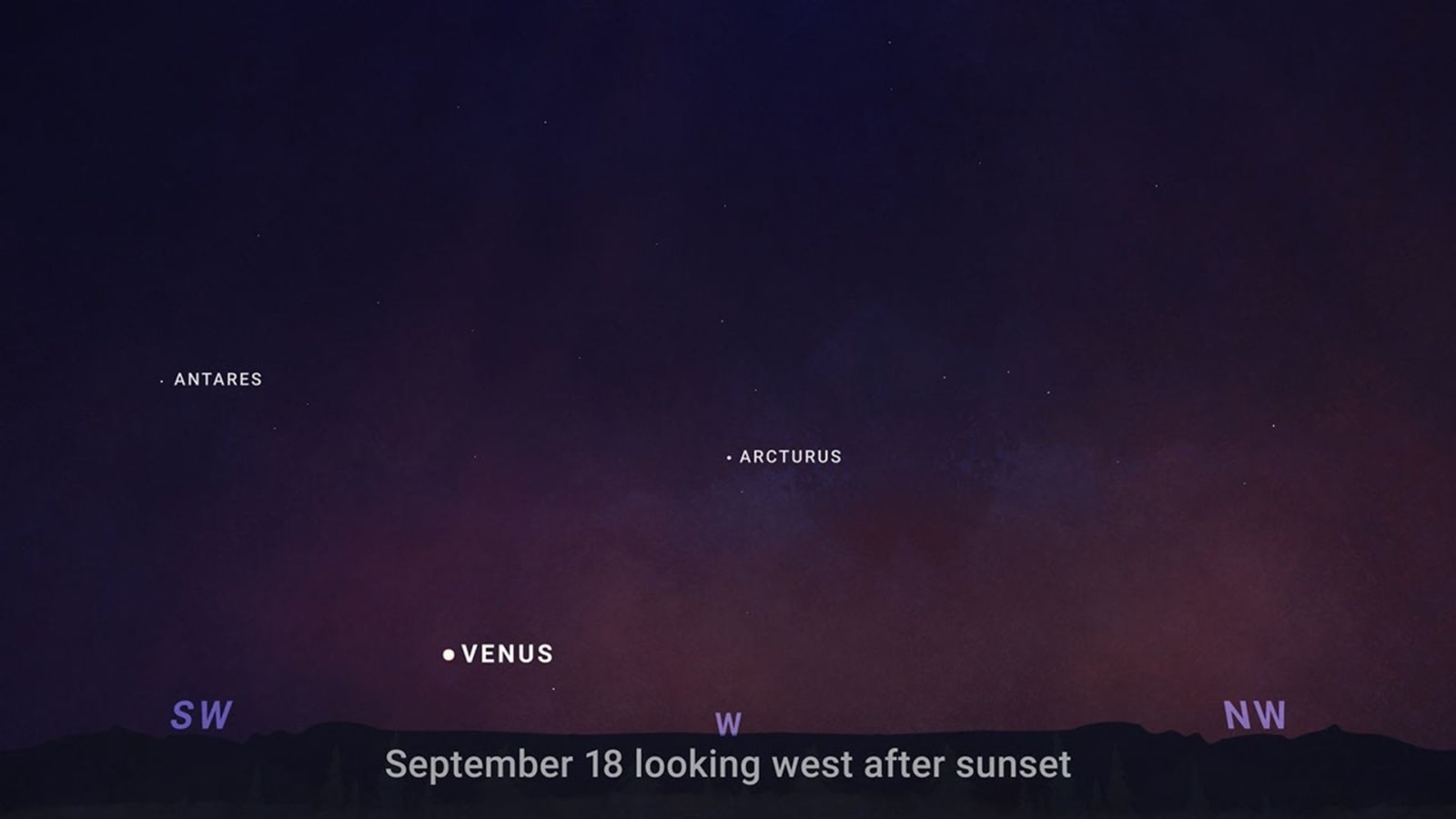
September 2026 is also set to bring about an unusually bright Venus on the 18th. If one were to look towards the western horizon at dusk, Earth's neighboring planet will be visible at a magnitude of -4.8. September 22 will also mark the official arrival of autumn in the northern hemisphere and spring in the south with the Sun passing directly above the Earth's equator. Because of the equal lengths of day and night globally, this day is known as an equinox. Nights become longer for northern hemisphere dwellers from here on until the winter solstice in December—when nights are the longest in the north. Class II meteor showers like the Aurigids have also had their peaks occur in September, making the occasional meteor visible if proper measures are taken while observing.