September 2026 skywatching guide: Harvest Moon to Aurigid meteor shower, key events you must not miss
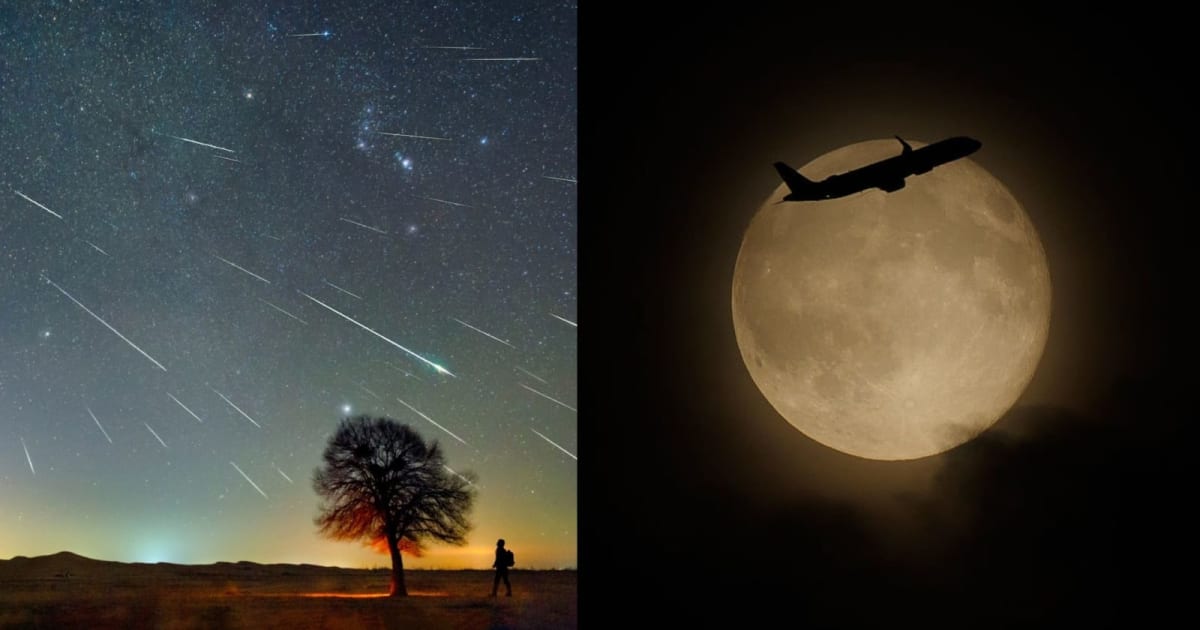
The month of September is bringing plenty of memorable skywatching events that you must try not to miss. These events start right from the first day, with the subsequent weeks bringing meteors, a Full Moon, and multiple celestial meet-ups to the night sky. Here are the biggest occurrences to look forward to in September.
The Aurigid meteor shower
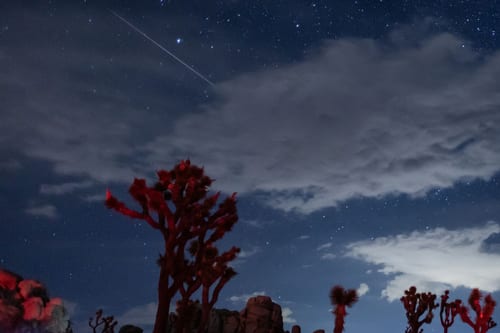
The Aurigid meteor shower, which is annually active from August 28 to September 5, will peak in the overnight hours between August 31 and September 1. Originating from the comet C/1911 N1 Kiess (comet Kiess), the Aurigids are one of the lesser-known meteor showers that are best visible in the Northern Hemisphere.
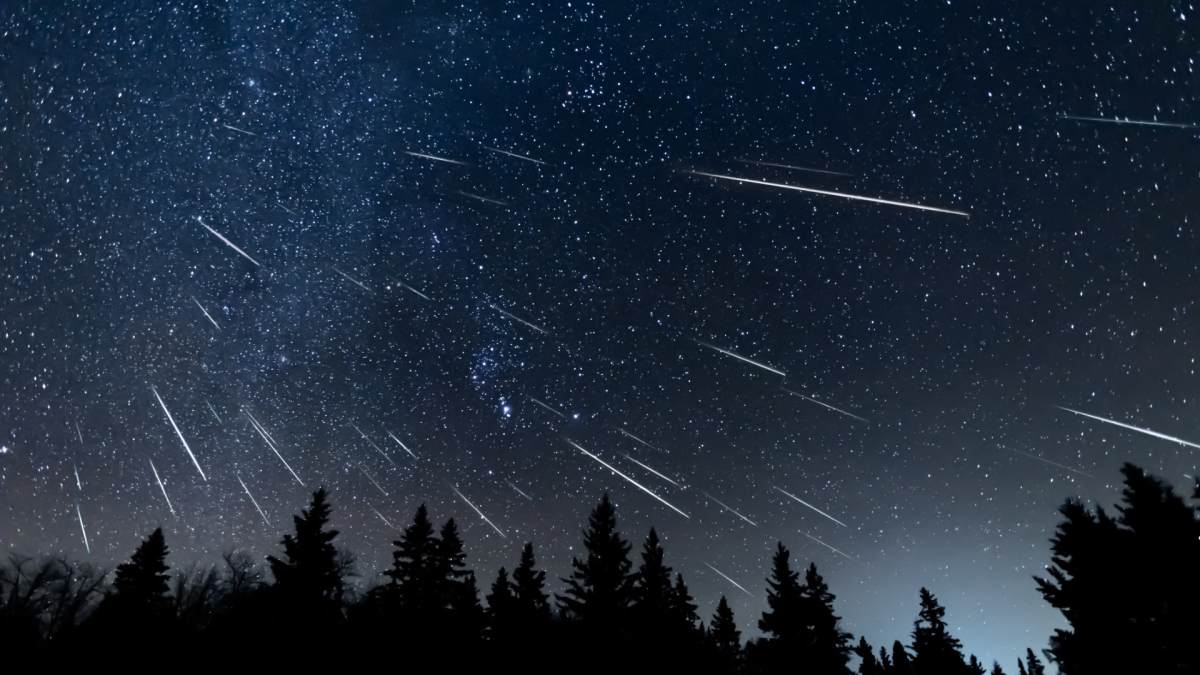
But while one can normally see anywhere between 7 and 9 bright meteors per hour during the peak, the bright waning gibbous Moon may interfere with visibility. In any case, to spot them, look towards the constellation Auriga—it’s the ‘radiant’ where the meteors seem to originate from in the night sky.
Moon-Mars conjunction
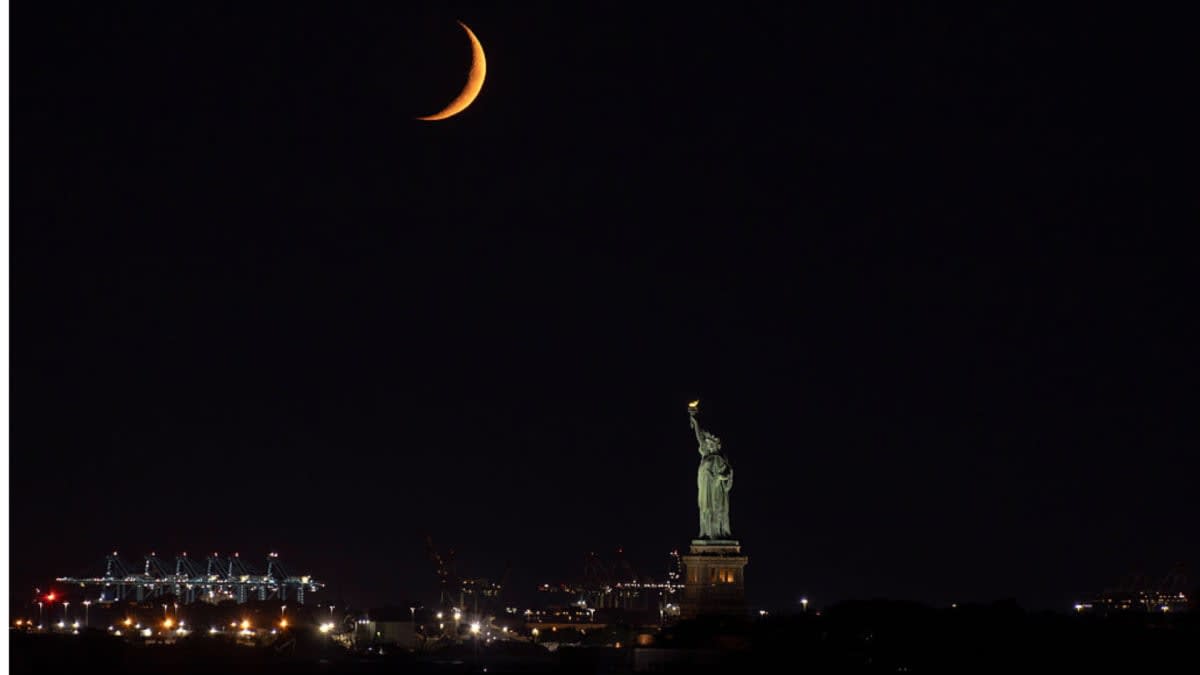
On September 6 and 7, the Moon and Mars will be in conjunction in the pre-dawn sky, coming within roughly three degrees or three pinky widths of each other. The best time to view this phenomenon is after midnight above the eastern horizon, according to National Geographic. The Moon, in its waning crescent phase, will be around 20% illuminated at the time.
Moon nears Jupiter
On September 8, the Moon will appear close to Jupiter in the sky over the eastern horizon. Time and Date says the Moon may even appear to pass in front of the gas giant in an occultation if seen from locations such as eastern Russia. The best time to watch the pair is before sunrise.
Moon-Venus occultation
The occultation won’t just stop with Jupiter. On September 14, the Moon will pass in front of Venus over parts of Asia, Africa, Europe, and western Russia.
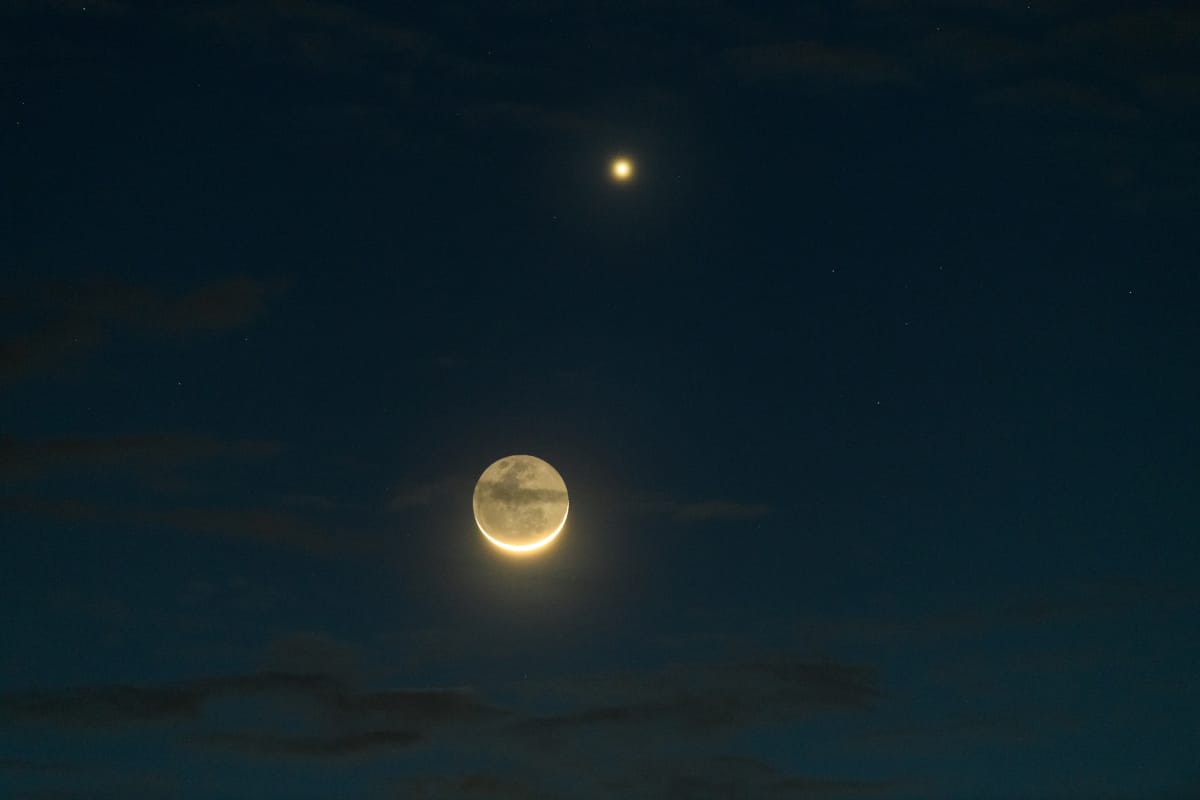
Elsewhere, the two will appear to be in close conjunction, per In-The-Sky.org. National Geographic says the conjunction will be visible for about an hour after sunset over the western horizon, with the pair being just five degrees or three middle finger widths apart from each other.
Venus at peak illumination
On September 18, Venus will reach its peak evening illumination at a magnitude of -4.8. It is one of the easiest planets to find in the sky, and it will be visible on the western horizon just after sunset.
Neptune at opposition
On September 25, Neptune will reach opposition—meaning Earth will be directly between the planet and the Sun. When an outer solar system planet such as Neptune is at opposition, it shines relatively brighter which makes it easier to spot.

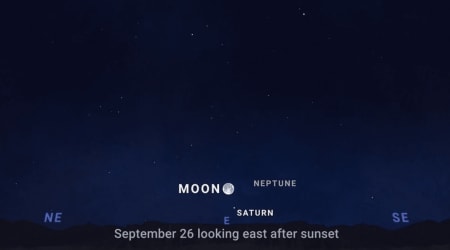
According to EarthSky, Neptune will rise in the east after sunset and will be visible all night, but you’ll need a pair of binoculars or a telescope to see it properly. To spot the planet, which will be visible like a star, look in front of the constellation Pisces.
The Full Harvest Moon
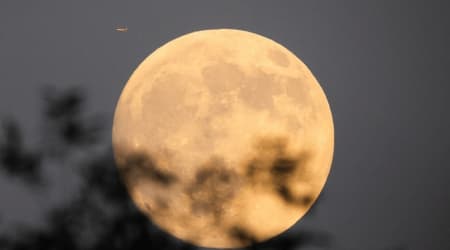
On the evening of September 26, just days after the autumnal equinox, skygazers will be treated to a Full Moon also called the Harvest Moon. It’s called the Harvest Moon because the moonlight near the equinox extended the working day for farmers, allowing them to harvest their crops before the first frost, according to the Farmers Almanac.
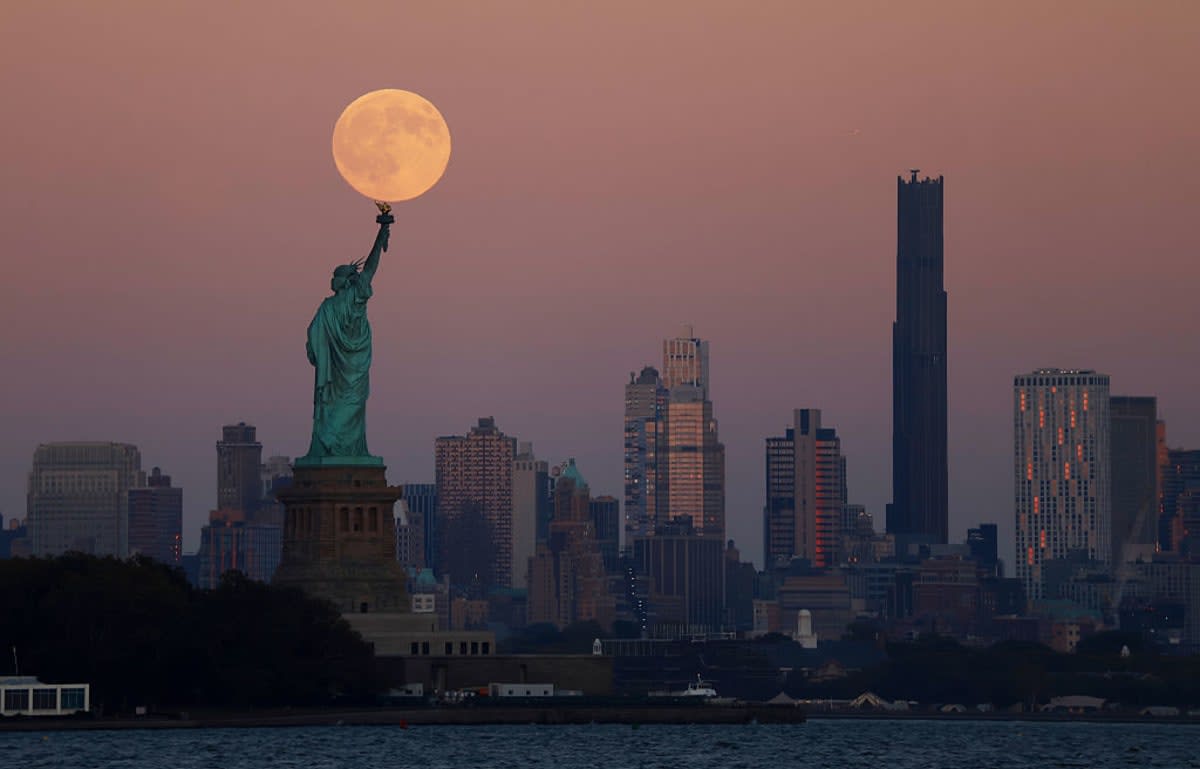
The Moon will reach peak illumination at 12:49 pm EDT but will look bright and full throughout the night. Apart from Harvest Moon, it is also called Corn Moon, Barley Moon, Wine Moon, Singing Moon, Falling Leaves Moon, Nut Moon, and Snow Goose Moon.
More on Starlust
Did you miss the August 2026 lunar eclipse? Find out when you can see the next one
Partial Lunar Eclipse August 2026: Best pictures of the 'almost blood Moon' from around the world