September Full Moon 2026: How and when to watch this year's Harvest Moon
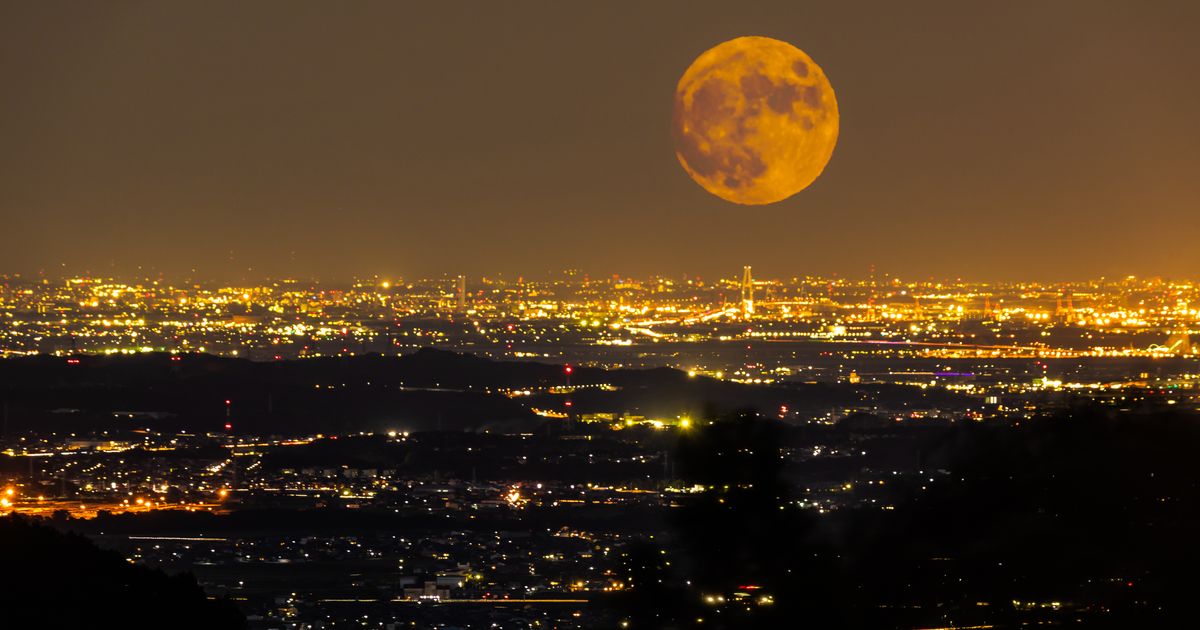
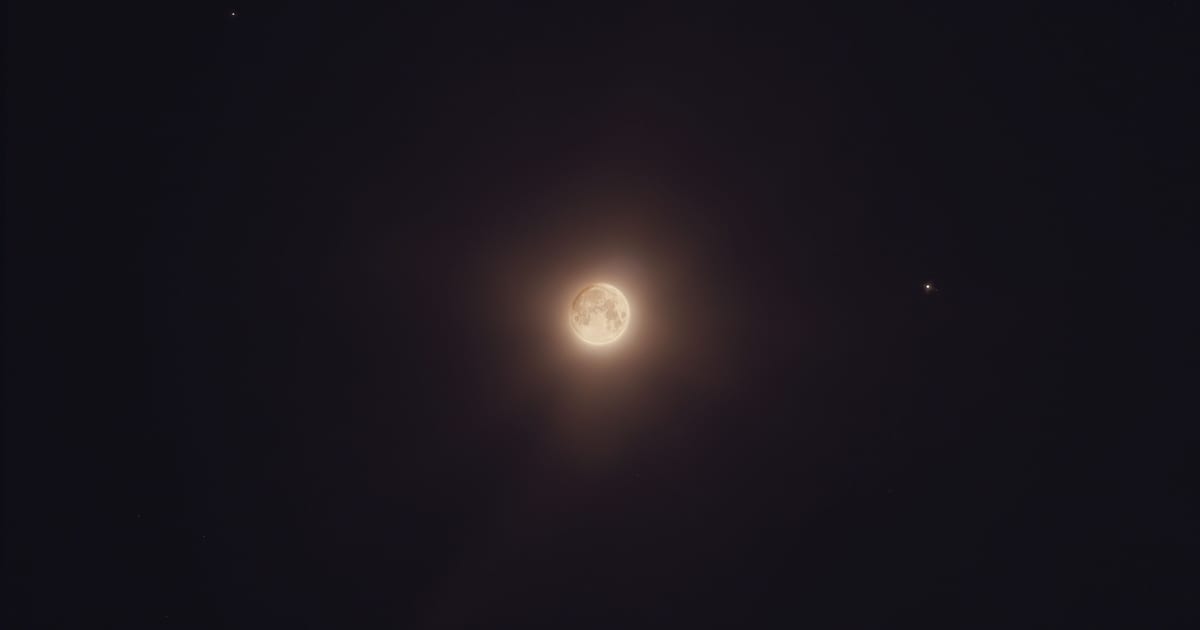
After a month packed with skywatching events, September is bringing even more for those keeping an eye on the sky. This September, skywatchers will be able to witness the full moon, famously known as the Harvest Moon, as it glows a yellow-orange hue in the night sky. The full moon will reach its peak at 12:49 p.m. EDT on September 26, 2026. Viewers can watch it from anywhere with a clear view of the sky, and no special equipment is needed, as the Harvest Moon can be seen with the naked eye.
How to watch the September Full Moon 2026 from the U.S?
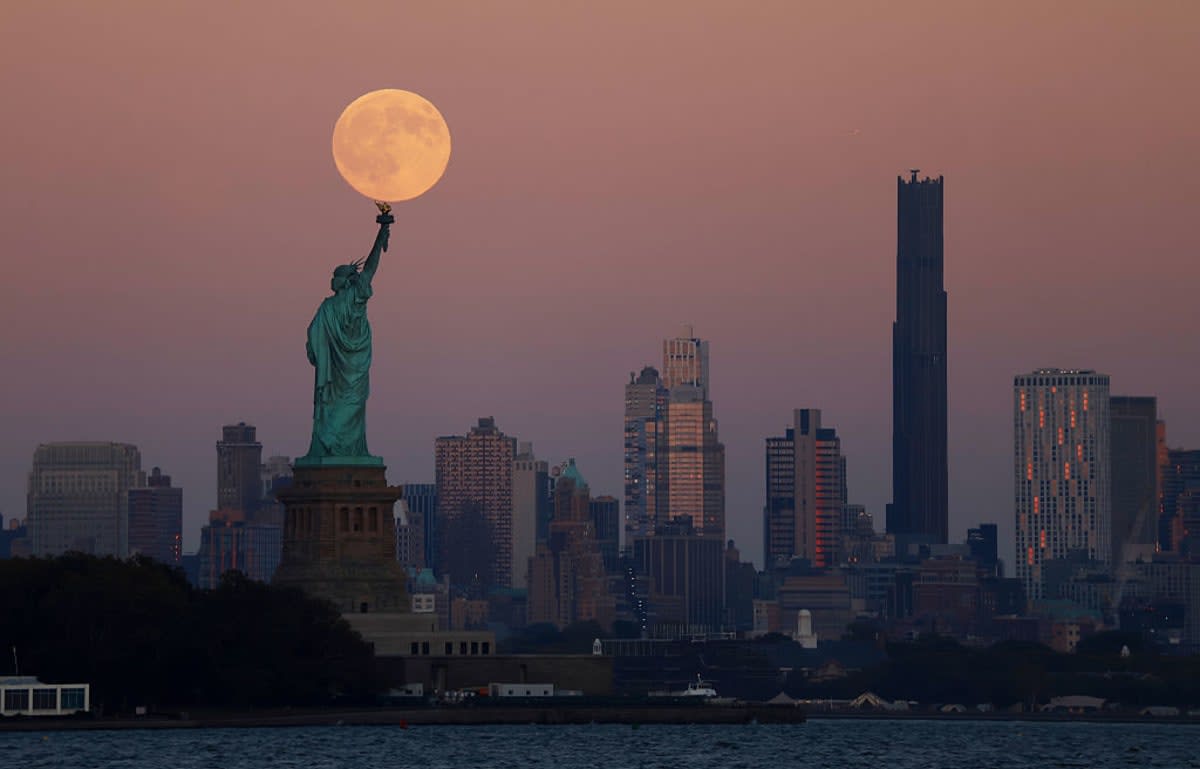
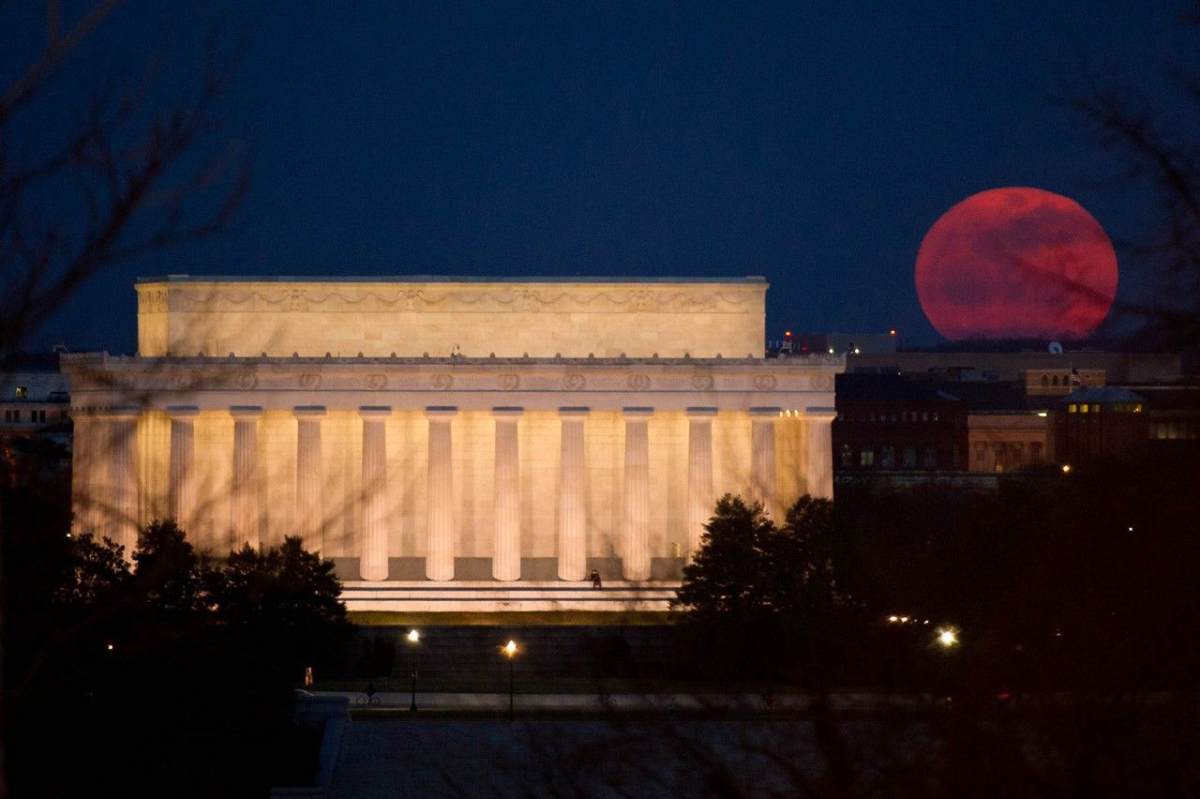
Those watching from the United States will be able to see the moon rise above the eastern horizon on the evening of September 26, 2026. It will then pass through the stars of Pisces. As it rises, the moon will take on a yellow-orange glow caused by Rayleigh scattering, the effect of its light passing through Earth's atmosphere near the horizon. This color will fade within about an hour as the moon rises higher.
When to watch the September Full Moon 2026?
Those who are keeping an eye on this event can watch the Harvest Moon on the night of September 26, 2026. Here are city-wise locations for viewers across the world. If your city isn’t listed, you can use the time below as a reference and convert it to your local time.
| City | Full Moon 2026 Local Time | Full Moon Date |
| New York | 12:49 p.m. EST | September 26, 2026 |
| London | 5:49 p.m. BST | September 26, 2026 |
| Beijing | 00:49 a.m. CST | September 27, 2026 |
| Tokyo | 1:49 a.m. JST | September 27, 2026 |
| Sydney | 2:49. AEDT | September 27, 2026 |
Where does the September Full Moon 2026 get its name?
The name Harvest Moon refers to the moon that falls closest to the September equinox. This is the point when the sun crosses the celestial equator, and autumn officially begins in the northern hemisphere. Traditionally, this was the time of year when farmers relied on the extra evening light to get their crops harvested before the weather changed.
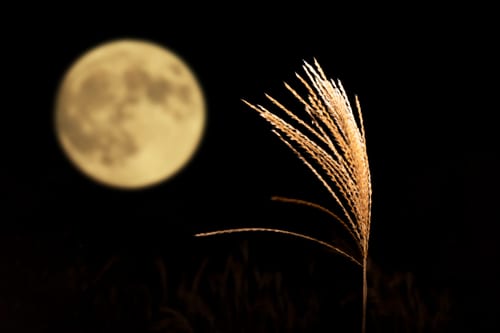
In some communities, this is also called the Corn Moon, which is tied to the same harvest timing. On the other hand, the Anishinaabe call it the Turning Leaves Moon, the Ojibwe refer to it as the Falling Leaves Moon, and the Assiniboine know it as the Yellow Leaf Moon, each pointing to how autumn transforms the trees. This full moon also falls at the same time as China’s Mid-Autumn Festival, which is a tradition that goes back 3,000 years and is known for mooncakes and lanterns. It also marks the start of Pitru Paksha, when Hindus honor their ancestors.
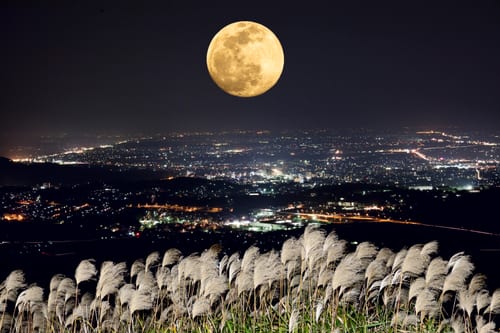
As per NASA, “In the days before light bulbs, farmers relied on moonlight to help them harvest their crops. Many crops ripen all at once in late summer and early autumn, so farmers found themselves extremely busy at this time of year. They had to work after sundown. Moonlight became an essential part of farming, and thus, the Harvest Moon was born.”
More on Starlust
Did you miss the August 2026 lunar eclipse? Find out when you can see the next one
2028 could be the best year yet for the Perseid meteor shower, expert says; here’s how