International Observe the Moon Night: Date, importance and how to be part of NASA’s celebration
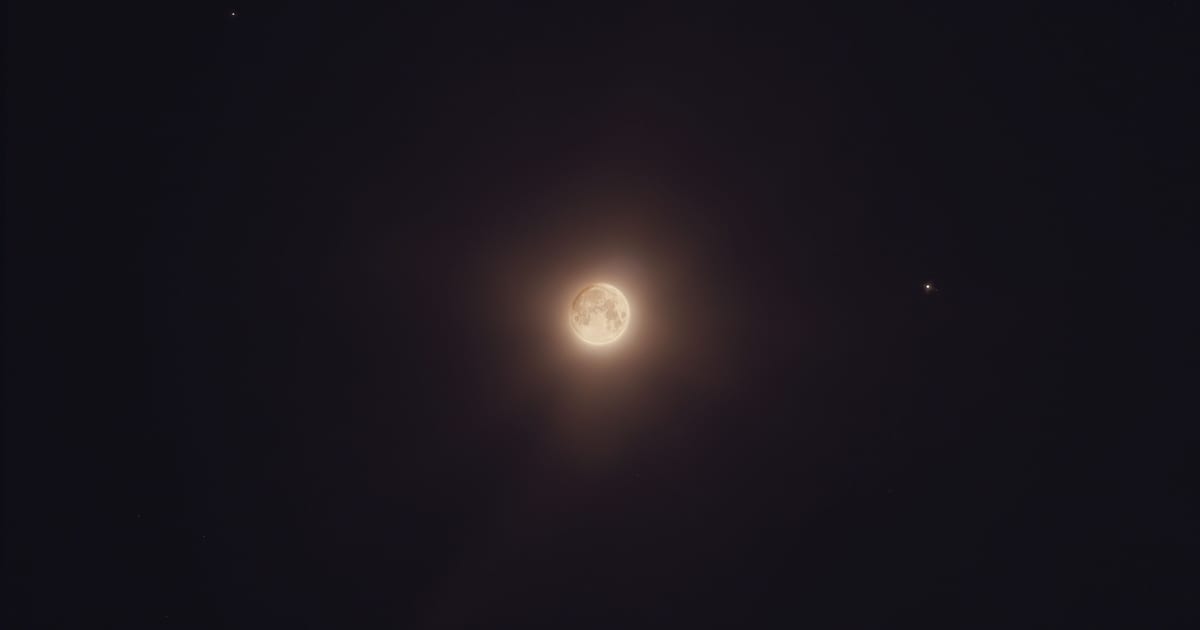
Skywatching enthusiasts around the world have the opportunity to be a part of a global event for observing the Moon on September 19, 2026. The International Observe the Moon Night is an annual celebration organized by NASA that brings hundreds of thousands of like-minded astronomers together, whether they are amateurs or experts. The central objective of the event is to promote lunar observation, science, and exploration, and to empower those who are dipping their toes in the world of space exploration to take further steps and gain more knowledge in the process.
Mark your calendars, Huntsville! 📆
— NASA Marshall (@NASA_Marshall) August 24, 2026
We are celebrating International Observe the Moon Night on Sept. 19, from 5:30-8 p.m. at the @RocketCenterUSA near NASA’s Marshall Space Flight Center.
Learn more: https://t.co/SkfByQ0t9O pic.twitter.com/Rh5ZidLjQy
Importance of International Observe the Moon Night
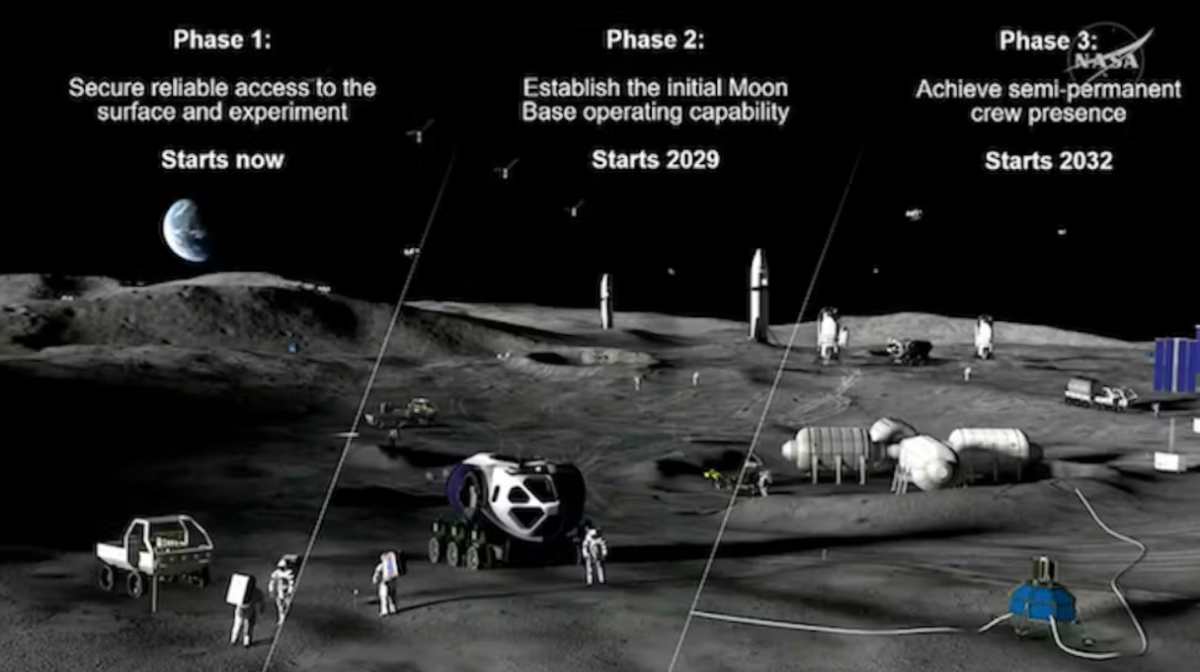
The event is an effort by NASA to raise awareness about its various lunar science and exploration programs. From this perspective, the event is more relevant than ever given NASA's success with Artemis II this year, ongoing preparations for Artemis III, and plans to establish a Moon Base with humans landing on the Moon by 2028. Since the Moon is deeply enshrined in cultures around the world and is visible to almost everyone on this planet, the agency considers our closest celestial neighbor to be an appropriate entry point for one to develop an interest in astronomy and space travel. This event could also serve as a prelude for someone planning to photograph the Full Moon that will occur on September 26.
History and future event dates
The event was instituted on the heels of the successful launch of the Lunar Reconnaissance Orbiter alongside the LCROSS (Lunar Crater Observation and Sensing Satellite) missions in 2009. Celebrations at the Goddard Space Flight Center in Maryland and the Ames Research Center in California that year were the inspiration for an annual celebration that included skywatching, learning, and community building. With participants from 53 nations in the inaugural event in 2010, the engagement has only increased in the years since. Last year, the event saw the participation of an estimated one million people from 129 countries.
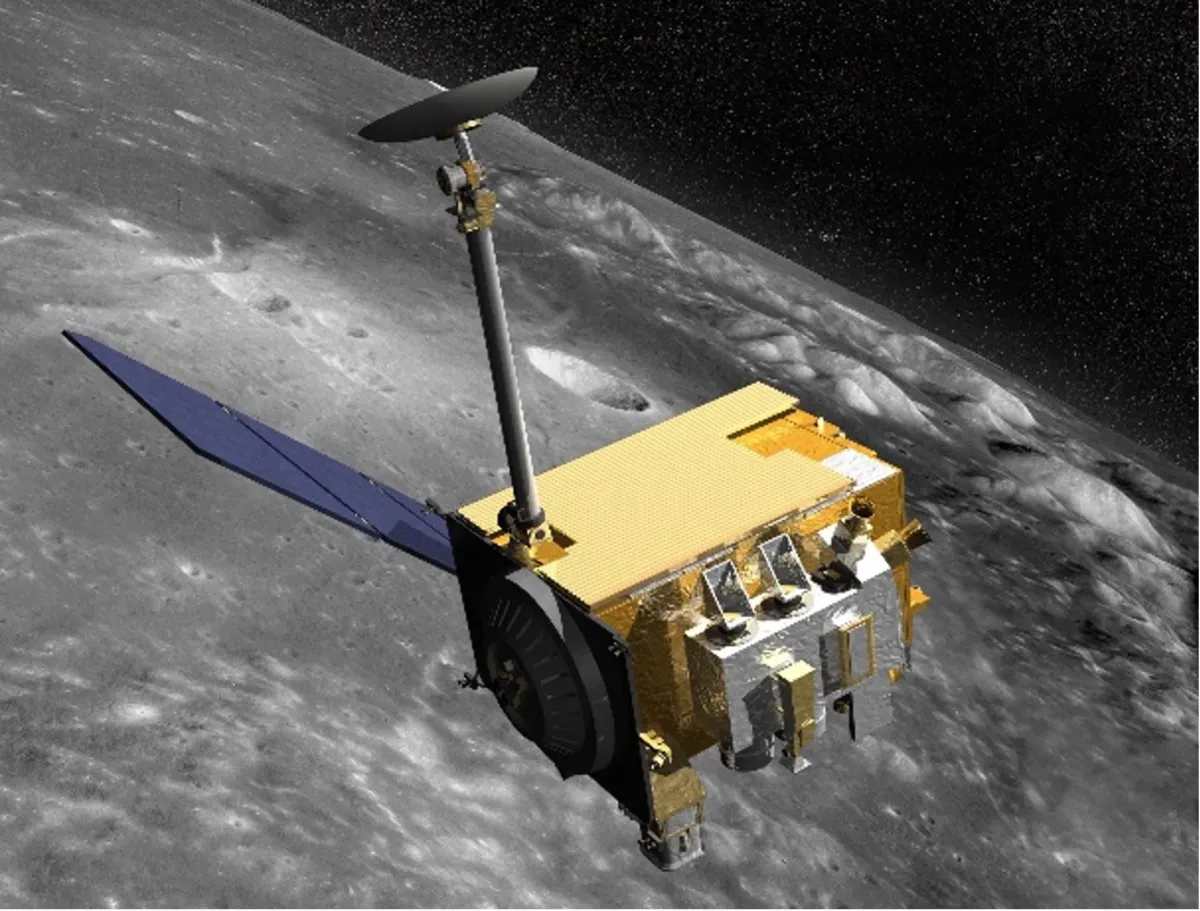
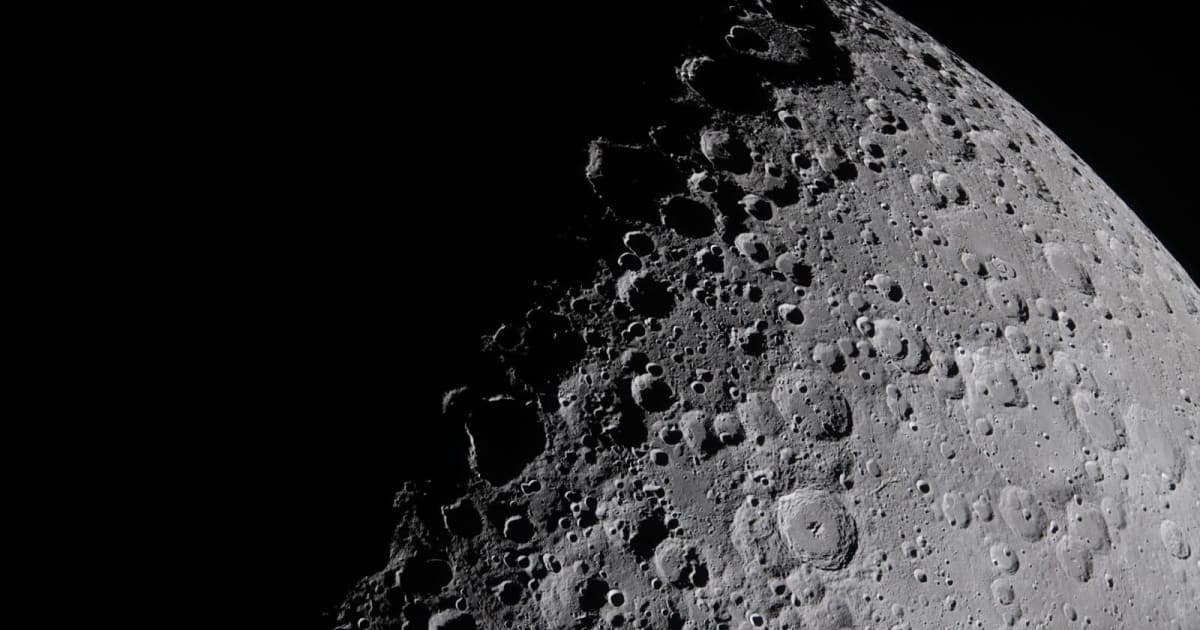
The event's date changes every year according to the First Quarter of the Moon in September or October. According to NASA, because this phase of the Moon is ideal for evening viewing due to the terminator (the dividing line between light and dark) casting long shadows that make surface features prominent, the event is scheduled for when the Moon reaches this half-illuminated phase, roughly a week after a New Moon. Next year, the event will take place on September 10. In 2028—the year Artemis IV and V are slated for—International Observe the Moon Night will fall on September 23.
Tucson, come observe the Moon with us!
— Planetary Science Institute (PSI) (@planetarysci) September 1, 2026
Join PSI for International Observe the Moon Night on Sept. 19, 6–8 p.m.
🔭 Telescopes
🧑🔬 Planetary scientists
🚀 STEM activities for kids
🎨 Science + art
🌕 Lots of lunar science! pic.twitter.com/wX9ac4TPfJ
How to participate
One can register in a few different ways to participate in the event, depending on their location or the number of people they intend to observe the Moon with. If one finds themselves alone, or wishes to participate with only the people in their household, they can register as an individual. Should one wish to host a private event with a select group of people, they can either do so online or in-person. One can also open such an event for anyone from the public. In previous years, even institutions like universities have organized their own gatherings as part of International Observe the Moon Night, and thousands of such events around the world were organized by both individuals and groups. NASA has also made a whole host of educational material available for participants in the event, and besides lunar observations, it also encourages the sharing of art, music, reading materials, or involvement in hands-on activities. One can also obtain a certificate of participation in the event, and gain early access to LRO images of the Moon.
More on Starlust:
September Full Moon 2026: How and when to watch this year's Harvest Moon