ESA tracks interstellar comet 3I/ATLAS with 10x accuracy, thanks to Mars orbiter
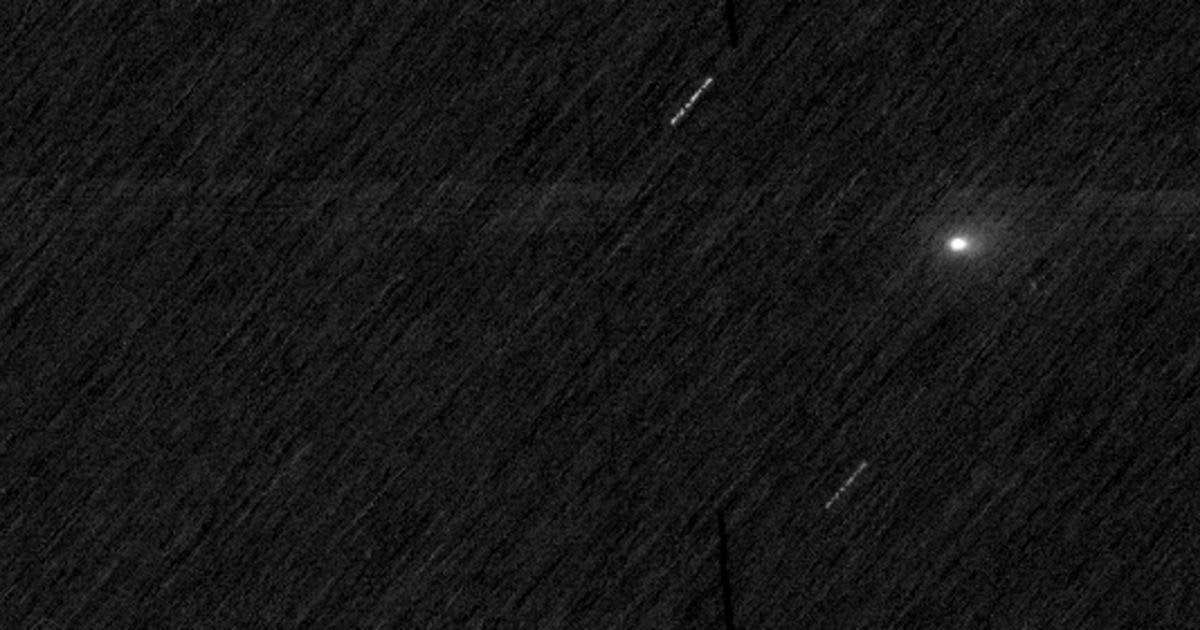
By creatively using the ExoMars Trace Gas Orbiter, the ESA has achieved a tenfold increase in the trajectory accuracy of comet 3I/ATLAS, the third known interstellar object. It is the first time that astrometric data from a spacecraft orbiting another planet has been officially accepted into the Minor Planet Center database, according to the European Space Agency.
#3IATLAS update: we've just pinpointed the comet's path with 10 times more accuracy, using data from our @ESA_ExoMars Trace Gas Orbiter spacecraft.😎https://t.co/M5kAleOMsq@esascience @ESA_TGO @esaoperations pic.twitter.com/S1XRR0Rv1a
— European Space Agency (@esa) November 14, 2025
Since its discovery on July 1, 2025, astronomers worldwide have struggled to map the path of the fast-moving comet with precision. Previously, primary observational data had come from Earth-based telescopes. However, between October 1 and 7, the TGO, positioned in orbit around Mars, supplied a crucial new viewing angle when the comet passed within 29 million kilometers during its closest approach.
![Hubble captured this image of the interstellar comet 3I/ATLAS on July 21, 2025, when the comet was 277 million miles from Earth. [Image Source: NASA, ESA, David Jewitt (UCLA); Image Processing: Joseph DePasquale (STScI)]](https://de40cj7fpezr7.cloudfront.net/c49eeb4e-e60a-46c0-b39f-68fbb2ee9297.jpeg)
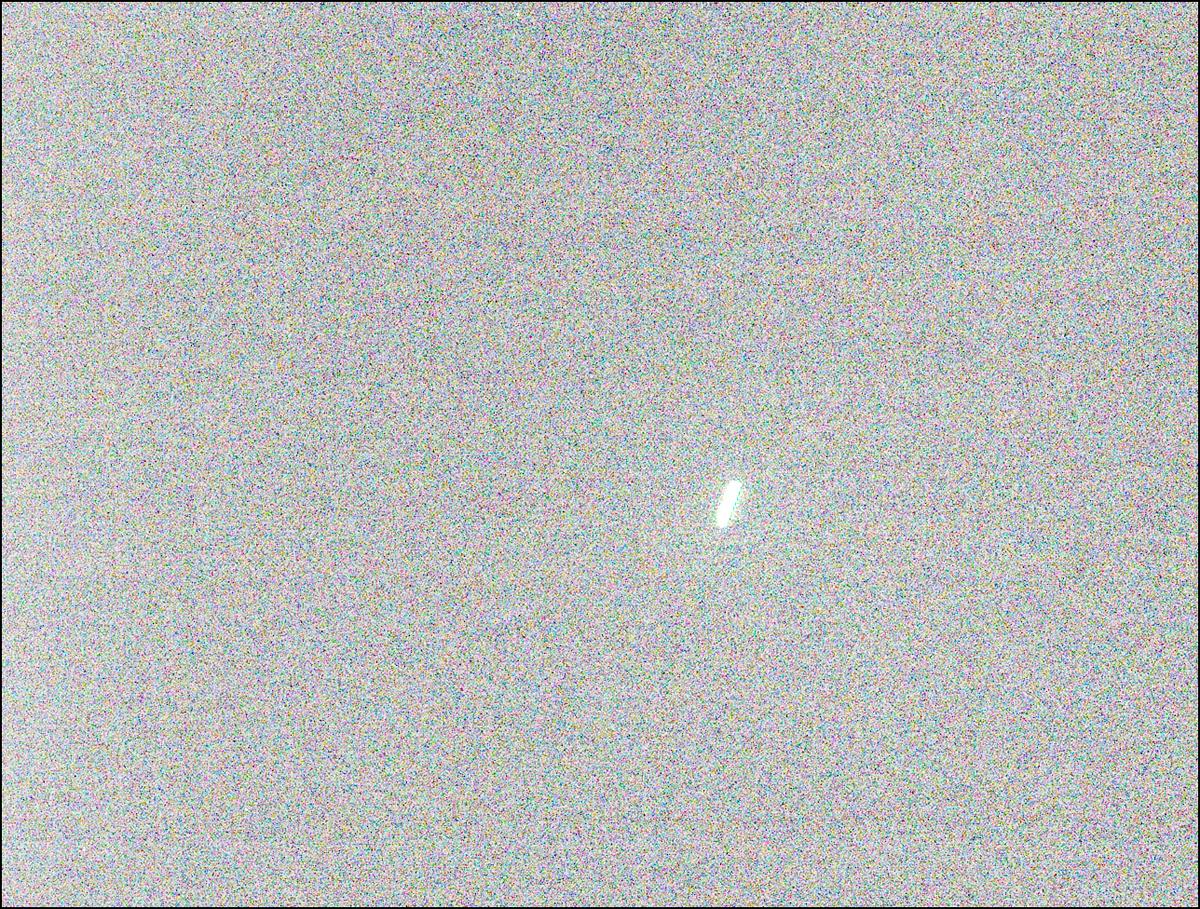
Operating significantly closer to 3I/ATLAS than terrestrial instruments, the TGO's unique perspective made for effective triangulation with Earth-based observations. Whereas modest gains from the resulting data had been expected, they actually reduced the uncertainty of the comet's location by an impressive factor of ten. The successful use of the CaSSIS instrument, which was developed for high-resolution imaging of the Martian surface by TGO, required intense collaboration among many ESA teams.
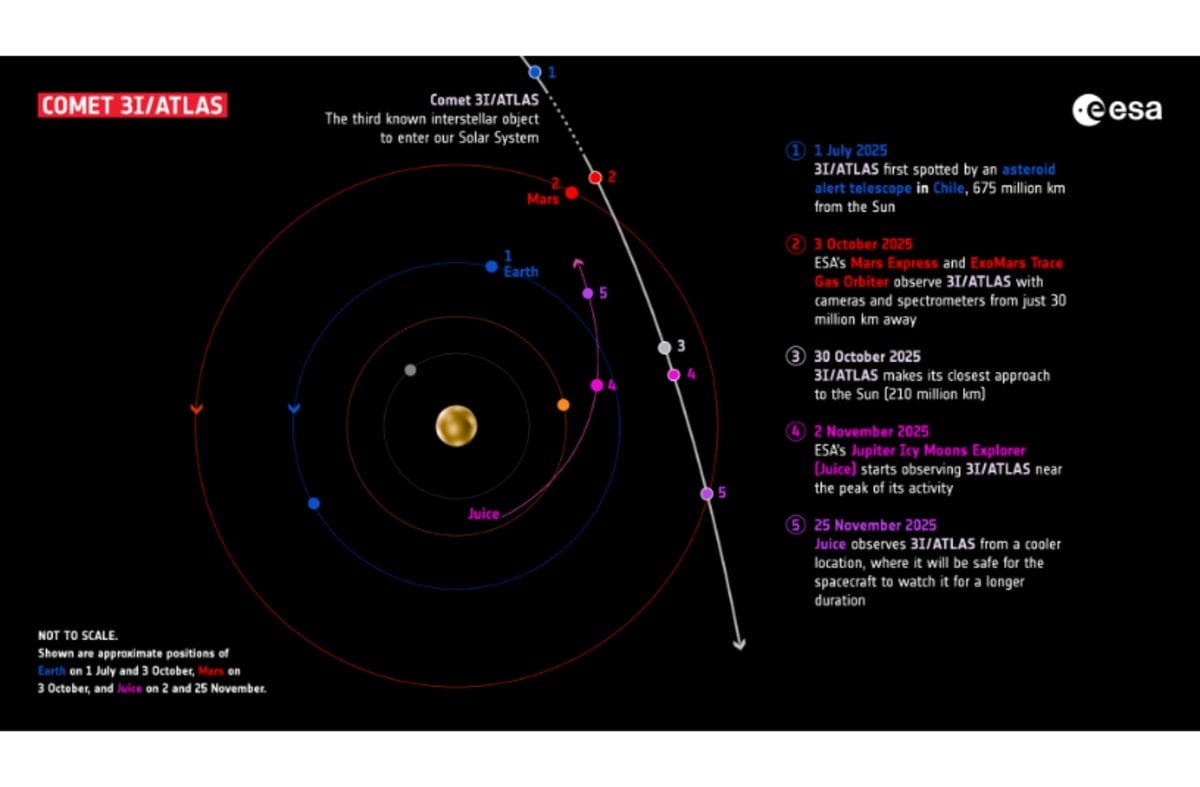
Planetary defense experts at ESA had to very accurately take into account the position of the orbiter around Mars, a complication that does not exist in standard observations from fixed observatories on Earth or near-Earth space telescopes. Because of this effort, astronomers can now confidently point their instruments for further detailed science of the transient object, which is traveling at speeds up to 250,000 km/h, before it disappears back into interstellar space.
Though 3I/ATLAS poses no threat, ESA describes the exercise as a very useful test case to validate its readiness against threats from space. After all, it showed how data from a second location in space can be useful in tracking near-Earth objects. This demonstration proved the utility of leveraging assets not primarily designed for asteroid detection, boosting the agency's capability to respond quickly in the case of a genuine threat.
ESA's Jupiter Icy Moons Explorer (Juice) mission is currently observing the comet. While much farther away than TGO was at its closest, Juice is seeing the object in its post-perihelion, more active state. Data from Juice is expected to arrive in February 2026. ESA is also working on future missions to cover blind spots in current detection capabilities. The Neomir mission is being readied for an unprecedented position between the Sun and Earth to detect near-Earth objects approaching from the direction of the Sun, giving up to three weeks of warning time ahead of a potential impact. Meanwhile, the Comet Interceptor mission—the first to facilitate a visit to a comet—is under development in collaboration with JAXA. The spacecraft will be 'parked' in space following its launch and will release two probes upon the detection of a suitable pristine comet.
More on Starlust
New telescope image confirms interstellar comet 3I/ATLAS is growing a bright ion tail