Scientist says heliostats could help detect asteroids at night: 'We can help find near-Earth objects'
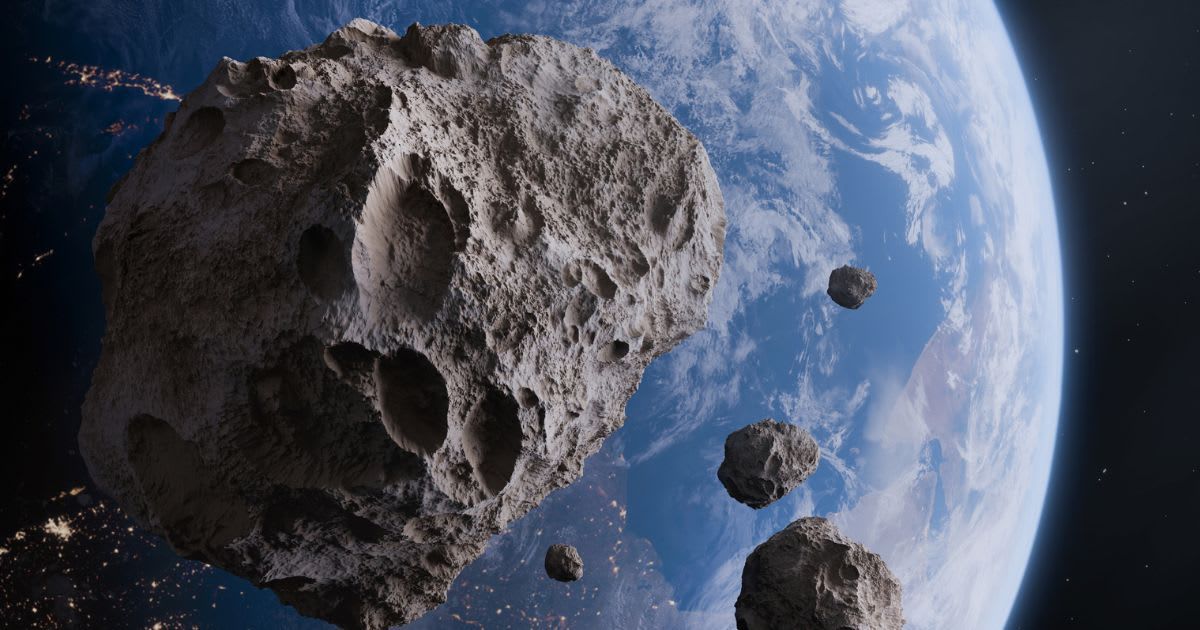
A novel concept emerging from Sandia National Laboratories suggests a new role for solar energy infrastructure in planetary defence. Scientist John Sandusky is spearheading research into utilizing heliostats, typically employed to harness sunlight for power, to identify near-Earth asteroids under the cover of darkness. This innovative method could significantly enhance efforts to detect celestial objects that pose potential impact threats, offering a cost-effective alternative to traditional astronomical observatories, as per Sandia LabNews.
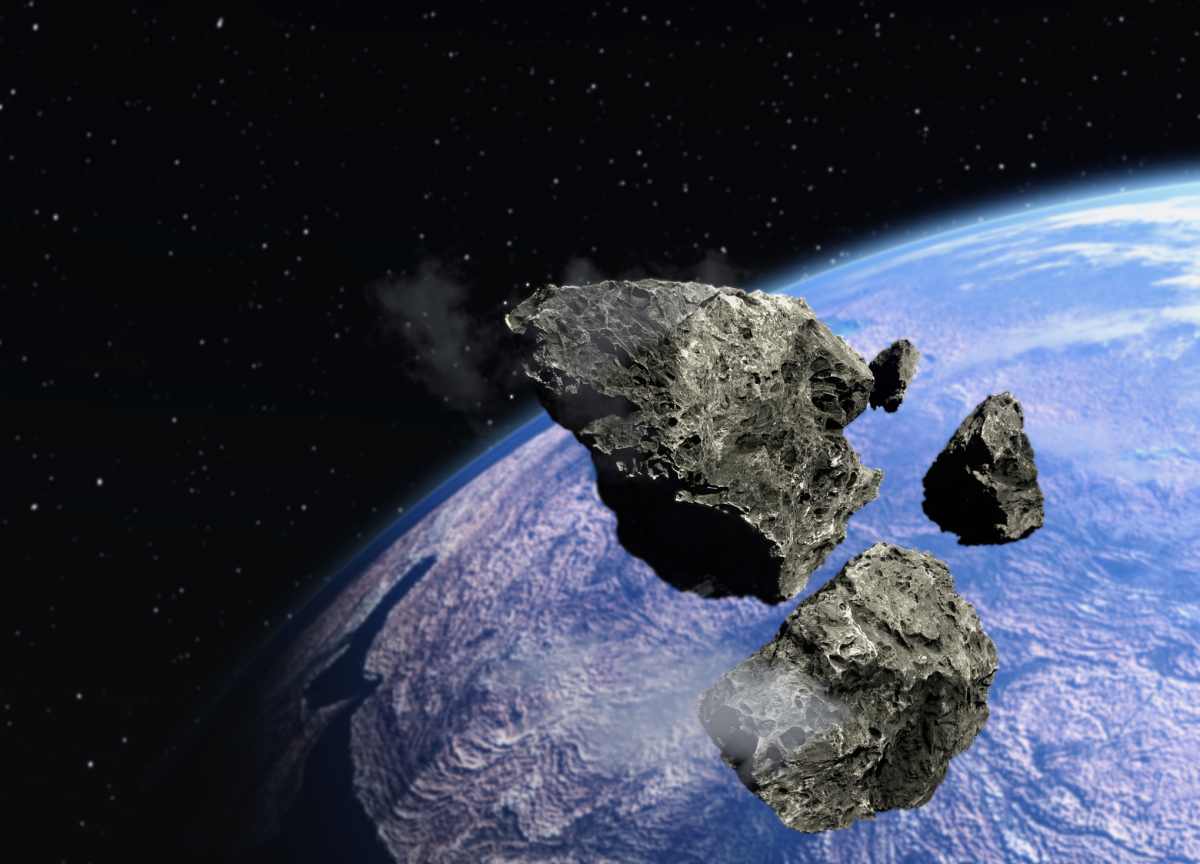
Sandusky's proposition leverages the existing, idle capacity of heliostat fields during nighttime hours. "The heliostat fields don’t have a night job," Sandusky stated. "The nation has an opportunity to give them a night job at a relatively low cost for finding near-Earth objects," and “If we knew ahead of time that an asteroid was coming and where it might hit, we’d have a better chance to prepare and reduce the potential damage.”
As part of a Laboratory Directed Research and Development initiative, Sandusky conducted nocturnal experiments at the National Solar Thermal Test Facility. He successfully demonstrated the feasibility of using a single heliostat from the facility's 212-mirror array for astronomical observation. Instead of collecting the immense power of sunlight, the experiment focused on detecting the minuscule light reflected off asteroids. “Solar towers collect a million watts of sunlight,” Sandusky explained. “At night, we want to collect a femtowatt, which is a millionth of a billionth of a watt of power of sunlight that’s scattered off of asteroids.”
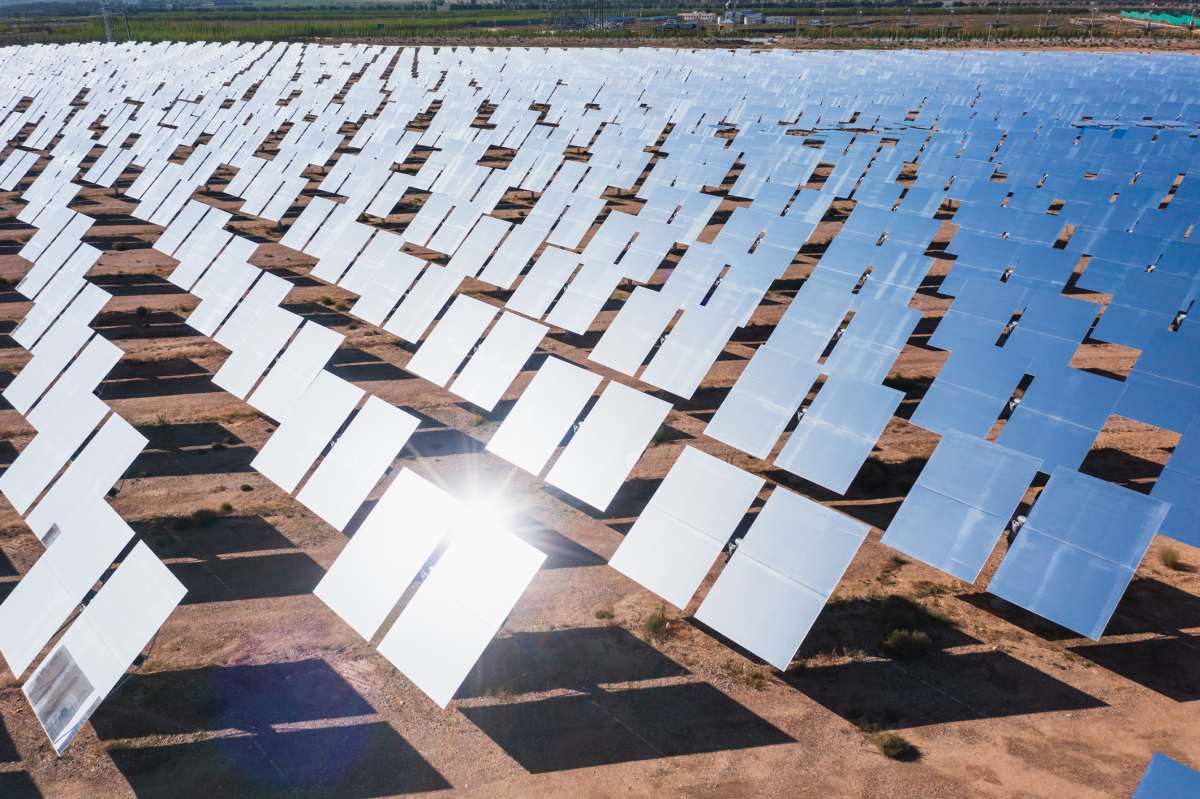
The core of his approach is to measure an asteroid's speed relative to background stars, deviating from conventional imaging techniques. Crucially, the experiment required no modification to the existing heliostat hardware. Sandusky utilized standard software to subtly oscillate the heliostat's orientation, sweeping its gaze across the night sky approximately once per minute. From atop the 200-foot solar tower, he employed standard optical instruments to detect the faint, concentrated starlight. “You spend a lot of time waiting. There were about 20 minutes between the collection of data points. I would collect data until dawn,” Sandusky confirmed. “We did not set out to find asteroids. We demonstrated the heliostat can be swept back and forth and that it can see stars.”
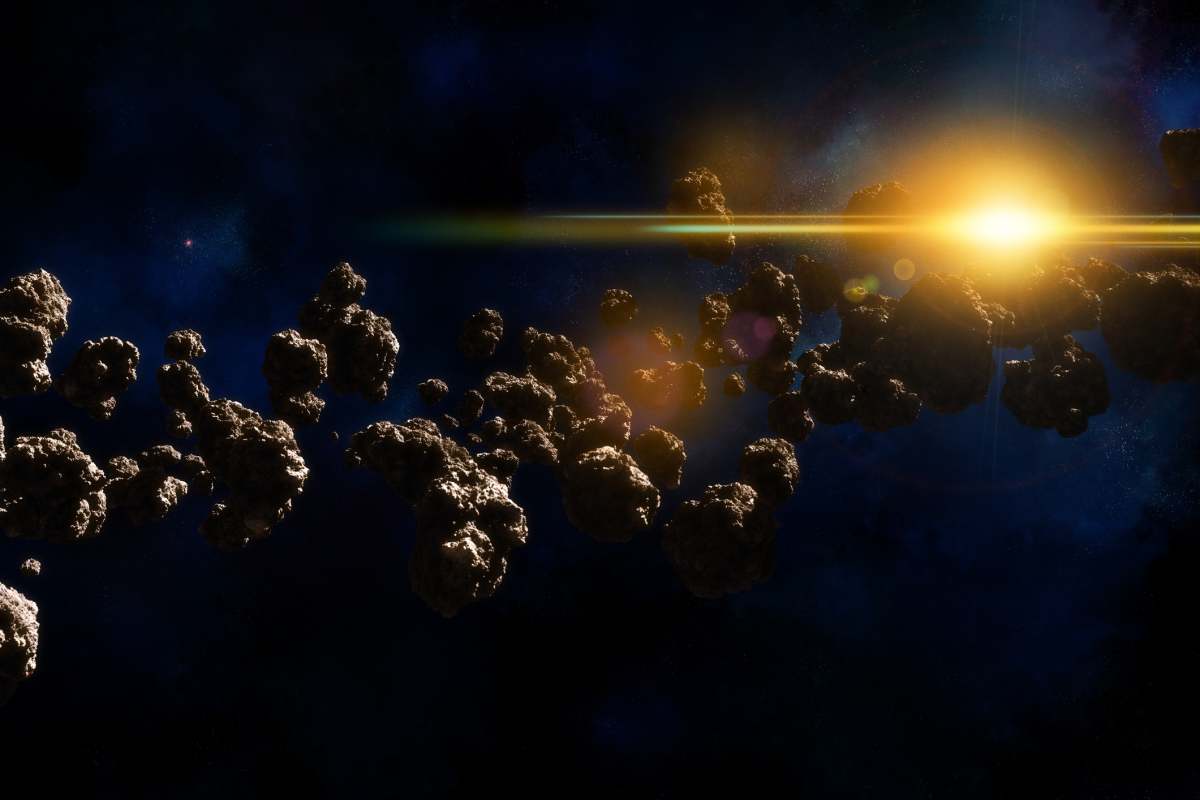
This early-stage technology presents several compelling advantages beyond its cost-effectiveness. Sandusky highlighted its potential utility for the US Space Force, particularly in tracking spacecraft within the challenging cislunar region near the Moon. Sandusky has presented his initial findings and published a paper at a conference for the International Society for Optics and Photonics, actively seeking feedback from the optics and asteroid detection communities. “Getting peer feedback provides an opportunity to understand what the concerns are about how this technology will work,” he noted. The next phase of research may involve using heliostats to track known planets, which would aid in understanding the technology's inherent limitations. The ultimate goal is to scale up operations from a single heliostat to an entire field, significantly enhancing the capability to detect a broader range of near-Earth objects, including smaller asteroids.
The specter of an asteroid impact often fueled global anxiety, with past reports, such as an initial 2023 projection by NASA, raising concerns about potential catastrophic damage. While such immediate threats are frequently re-evaluated and often downgraded to negligible probabilities, as seen with the 2023 asteroid's impact chances dropping to a mere 0.0017%, the devastating repercussions of a significant strike, from widespread destruction to the potential for widespread loss of life and massive energy release, underscore the critical need for advanced detection capabilities. Sandusky's work could play a pivotal role in providing earlier warnings and more comprehensive monitoring of these celestial wanderers.