How does 3I/ATLAS differ dynamically and physically from earlier interstellar visitors 1I/‘Oumuamua and 2I/Borisov
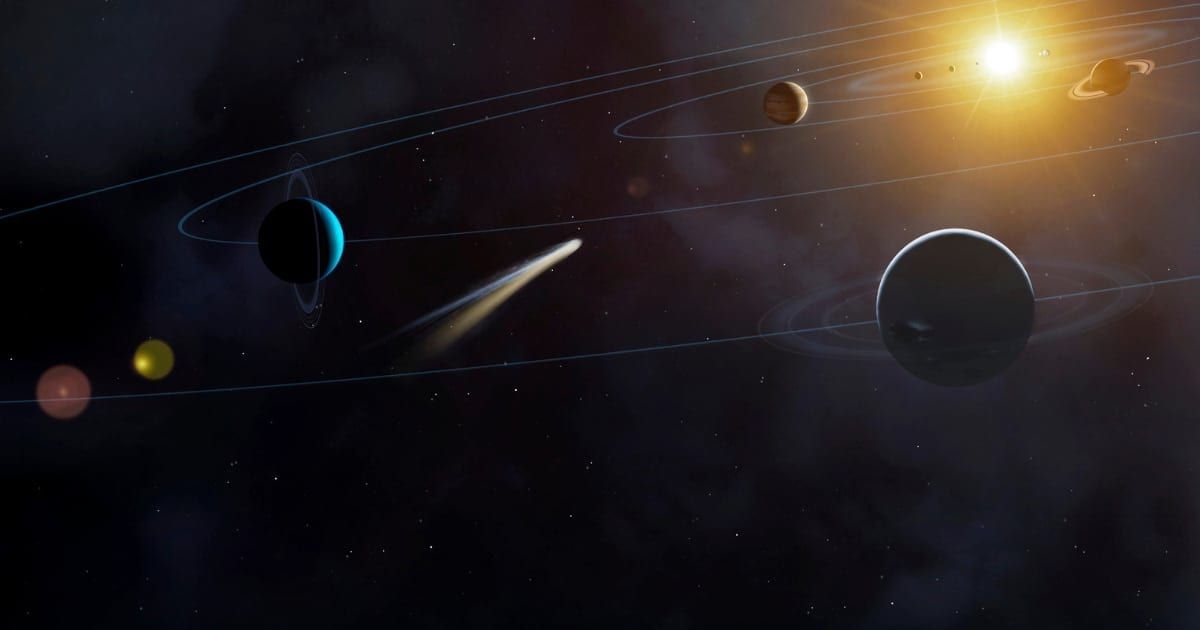
In July 2025, when the third confirmed interstellar object, 3I/ATLAS, made its close approach, it really changed our understanding of extrasolar material in astronomy. While this comet joined the ranks of 1I/'Oumuamua from 2017 and 2I/Borisov from 2019, it also showed just how varied these visitors from other star systems can be.

The interstellar objects 1I/‘Oumuamua, 2I/Borisov, and 3I/ATLAS aren’t just random dots in the sky; they’re like frozen time capsules and pieces of debris from unseen worlds, each with its billion-year journey, per Universe Today. The recent appearance of 3I/ATLAS has made astronomers ponder just how varied material from outside our solar system can be. Here is the breakdown of how 3I/ATLAS fundamentally contrasts with its two predecessors.
Physical scale and mass
In terms of mass, ATLAS is an outlier in statistics. It's estimated to be over five kilometers in diameter and has a minimum mass of 33 billion tons, making it the largest interstellar object (ISO) we've ever spotted, as discussed on Harvard astronomer Avi Loeb's Medium blog. To put that in perspective, it's significantly larger than previous objects by as much as 3 to 6 orders of magnitude. ATLAS is a true giant.

Chemical composition:
As far as its chemical fingerprint is concerned, the 3I/ATLAS has a higher abundance of nickel than iron—a feature inconsistent with chondritic patterns typical of Solar System objects. It also demonstrated a dominance of CO₂ over H₂O, whereas 2I/Borisov was remarkable for its high amounts of carbon monoxide (CO). Meanwhile, 1I/'Oumuamua showed no detectable outgassing or dust activity at all.
Arrival velocity and trajectory alignments
ATLAS has set a new speed record, zooming in as the fastest interstellar visitor yet, clocking in at 60 km/s relative to the Sun. This is a stark difference from 1I/'Oumuamua, which entered our Solar System at an unusually slow pace, near the Local Standard of Rest. Plus, ATLAS has some statistically odd orbital characteristics, like a retrograde trajectory that's aligned with the ecliptic plane within 5 degrees, and its arrival direction is in alignment within 9 degrees of the famous 1977 "Wow! Signal."
Appearance
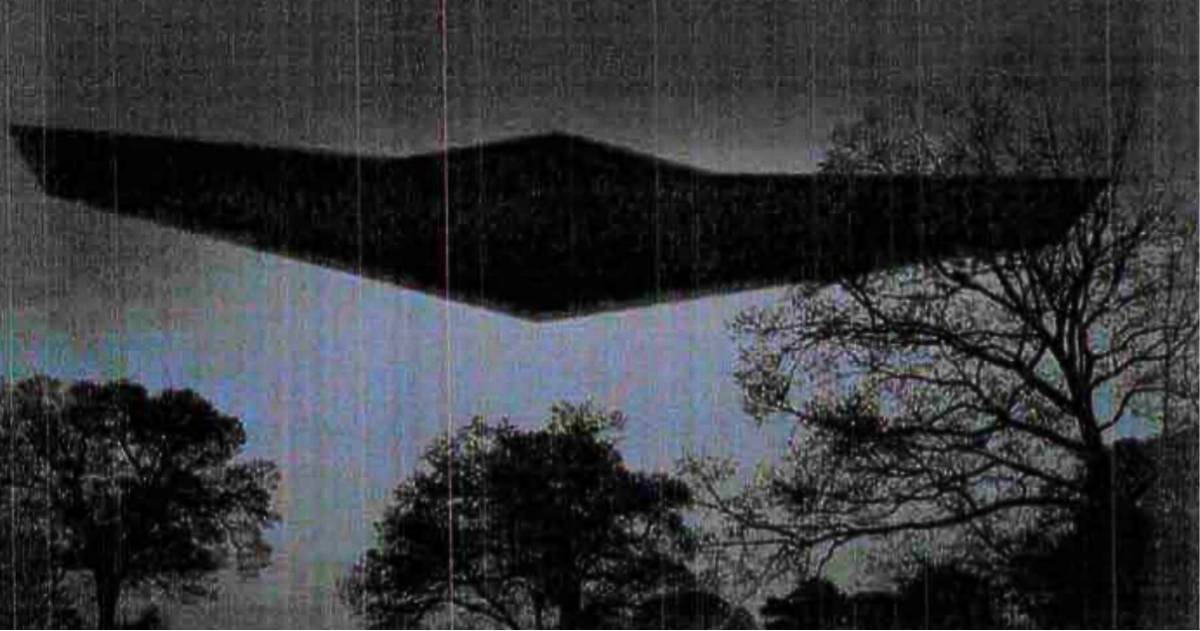
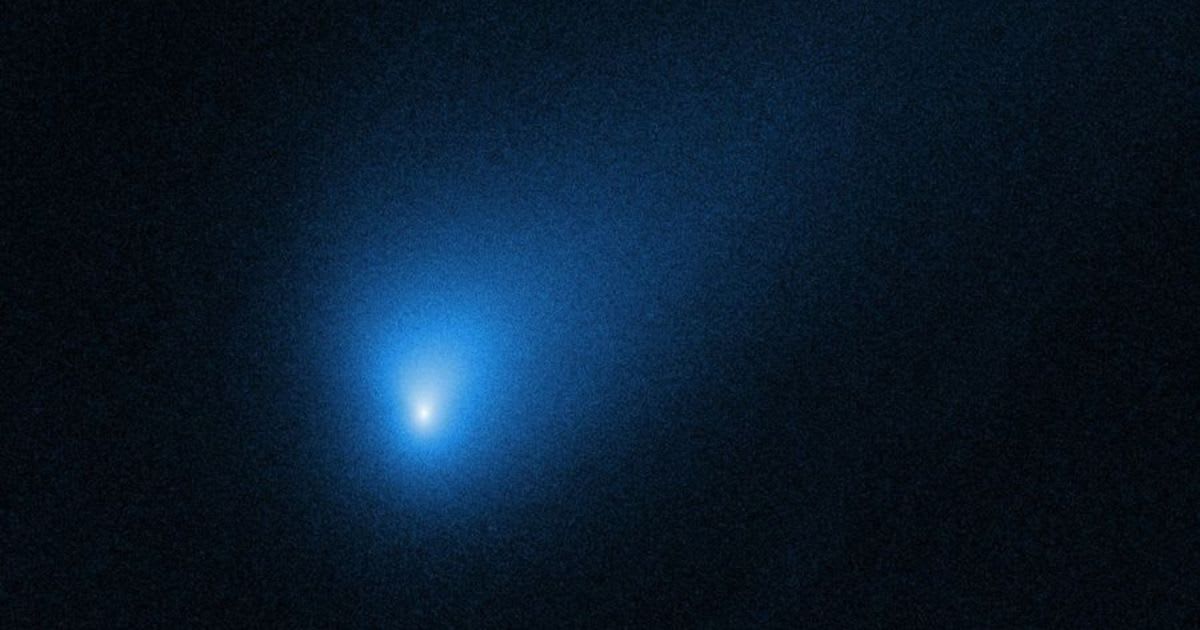
The three interstellar objects we've spotted look really different from one another. 1I/'Oumuamua stands out as with a possible cigar or pancake-like shape and a slightly red color, which is inconsistent with both typical comets and asteroids. Then there's 3I/ATLAS. While its initial anti-tail became a conventional one by October 2025, the object has a pretty rare blue color and has even been seen shining brighter than the Sun at times. Finally, 2I/Borisov has a more typical comet shape. What sets it apart is its high level of light polarization, and it broke apart not long after getting close to the Sun.
More on Starlust
Astronomers stunned as interstellar comet 3I/ATLAS unexpectedly turns blue and bright near the Sun