Moon may have formed in 5 hours after a Mars-sized object smashed Earth, says new study
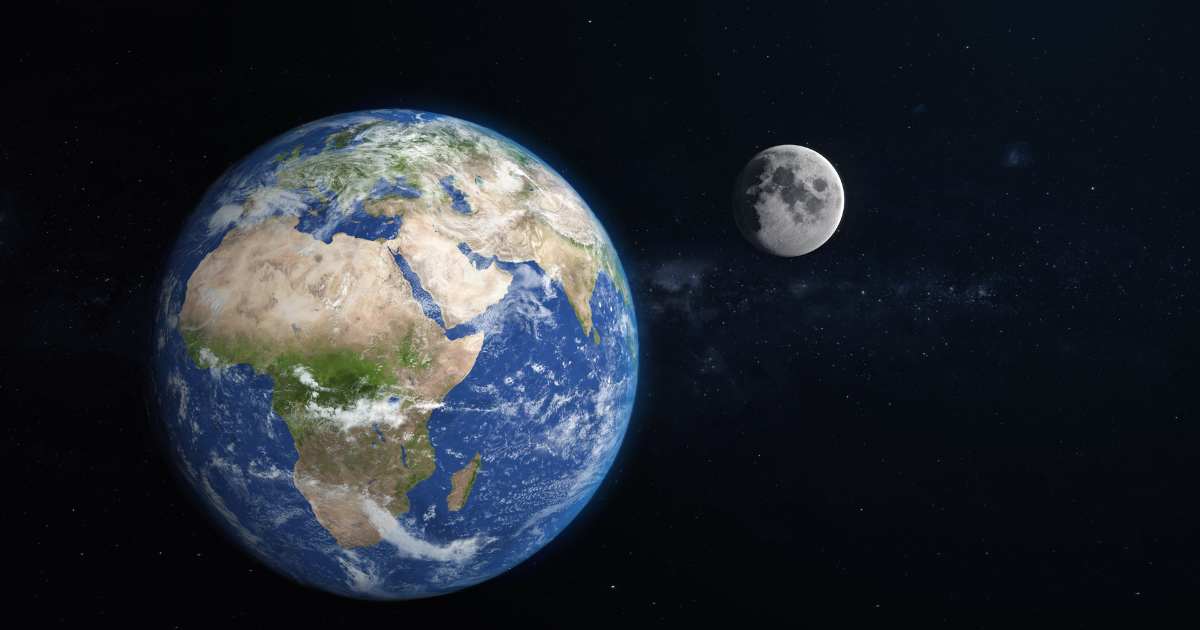
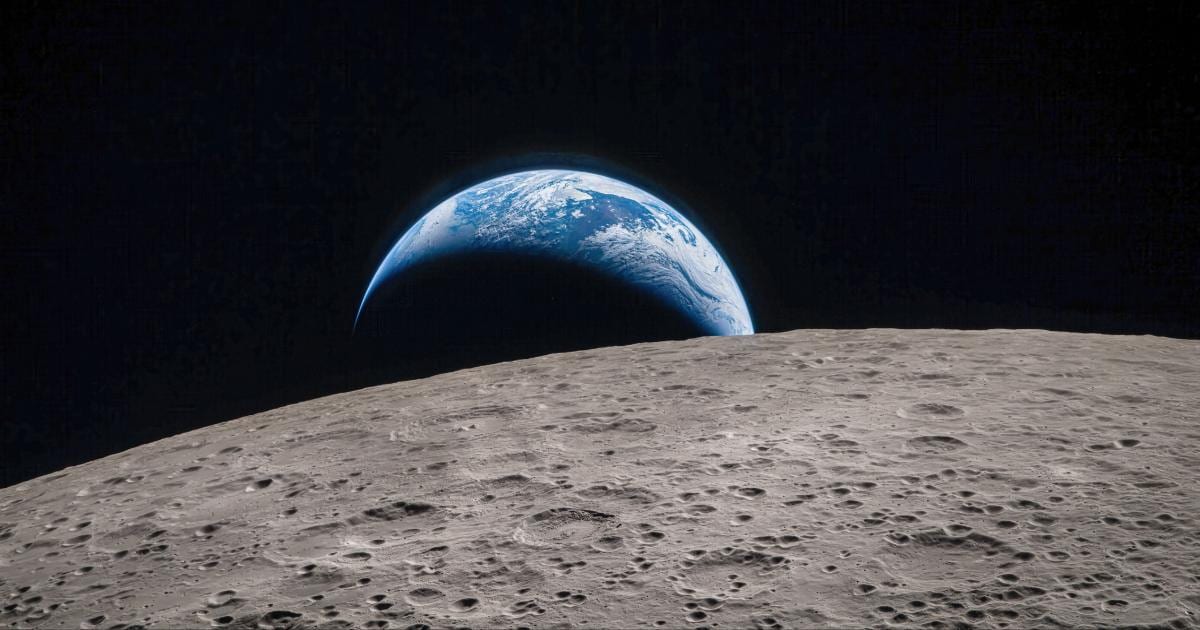
A recent study has shed new light on the formation of the Moon, an event that has been quite a mystery for decades. Scientists from the Southwest Research Institute (SwRI) and the University of Arizona have come up with a fresh explanation thanks to novel simulations that take into account factors previously ignored. Scientists generally believe a Mars-sized object named Theia collided with a young Earth billions of years ago, an impact that generated the material to form the Moon directly in our planet's orbit. Traditional models suggest that the collision may have either produced the Moon intact or created a disk of debris that later coalesced into the Moon, but what they failed to consider is the structural strength and temperature of the two colliding bodies.
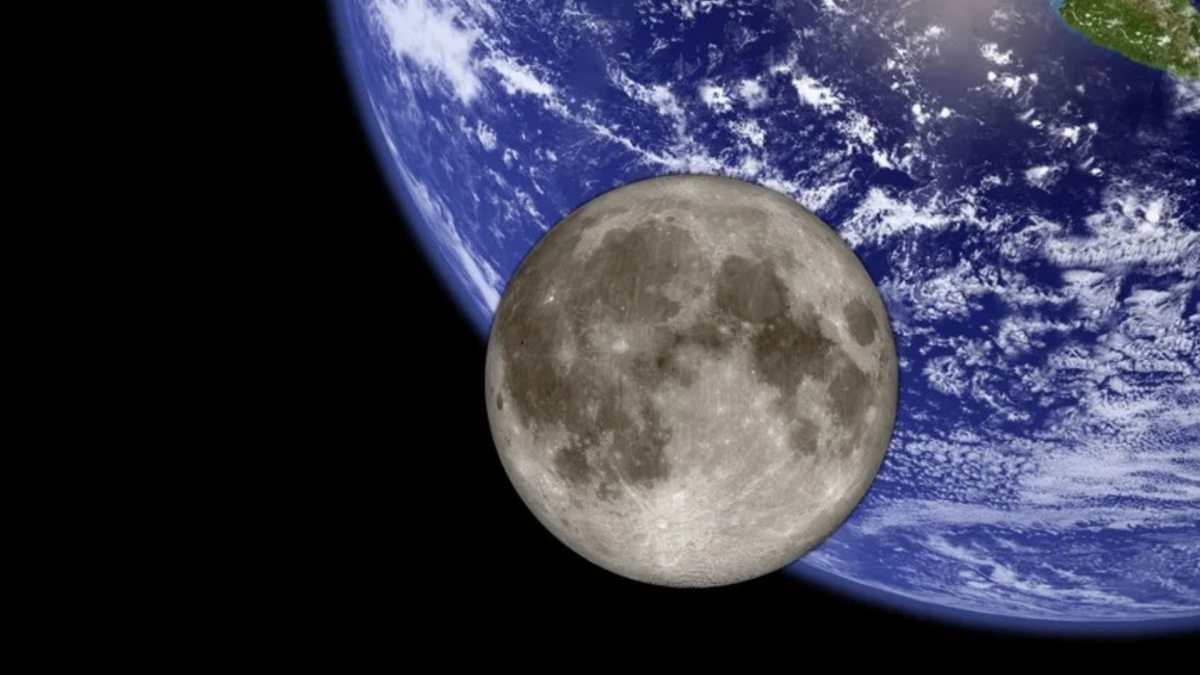
“We discovered that the preexisting geology of the Mars-sized proto-Moon matters,” Dr. Adeene Denton, a postdoctoral researcher in SwRI’s Solar System Science and Exploration Division, said in a statement. “When you simulate the Earth and the [impactor] as colliding bodies with geologic properties, it changes how the Moon forms out of that impact—that’s something we considered unnecessary before.”
The researchers emphasized that this is the first study to consider material strength—how mechanically strong the bodies were—and what their temperatures were at the time of impact. Colder bodies are stronger than hotter ones, and protoplanets generally start off hot and cool with age. This is important because the research team found that how the Moon forms is highly sensitive to the temperatures of the colliding bodies.
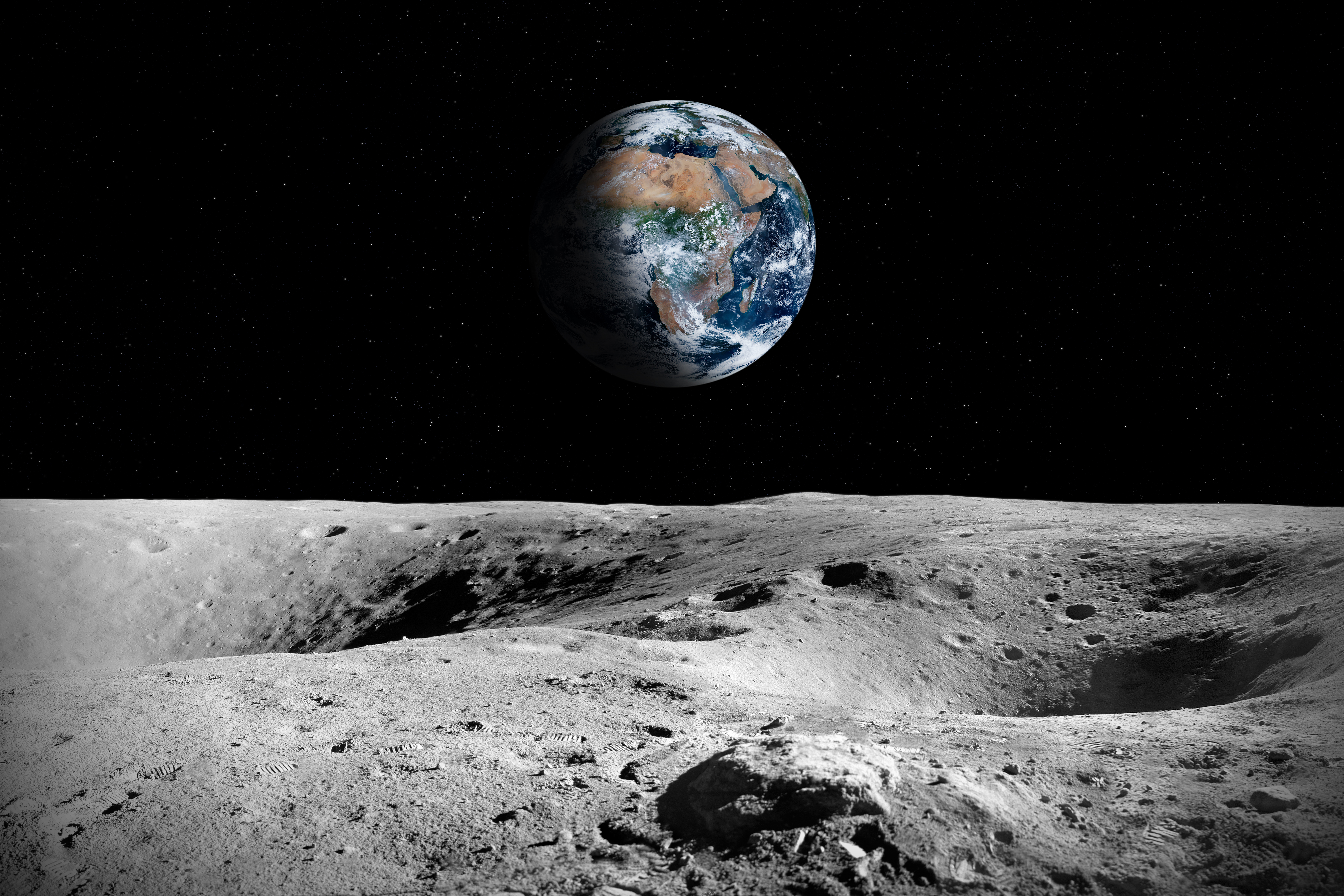
“Depending on how hot the Earth and Theia are prior to the collision, the impact can destroy Theia and produce this massive disk of debris that eventually forms the Moon,” Denton said. “But when I used the same parameters as original impact modeling—down to the equal temperature structures inside both bodies—within around five hours, an intact Moon emerged.”
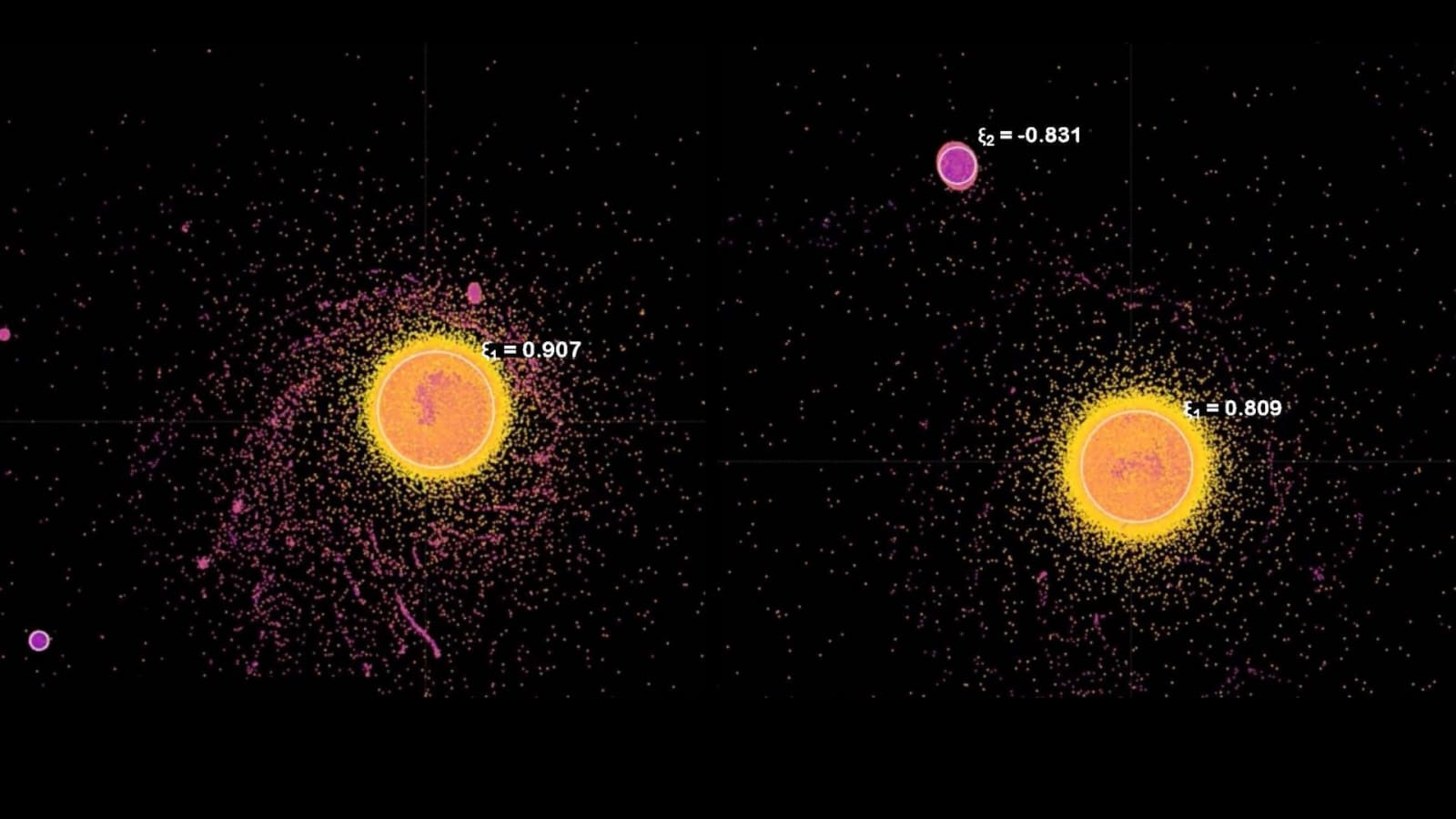
The study found that in some scenarios, the simulations using certain temperature conditions produced an intact Moon within hours of the collision, whereas others created a protolunar disk around the Earth. In a foundational 2001 simulation study, scientists had ignored material strength, thinking it was insignificant for such high-energy events. “Models have evolved to include material strength, something that’s really important when you’re studying collisions between smaller bodies like asteroids…We weren’t sure if it would matter for the Moon or not. When we did the simulations, we found it actually matters quite a bit,” said Denton, who calls Earth and the Moon "fraternal twins."
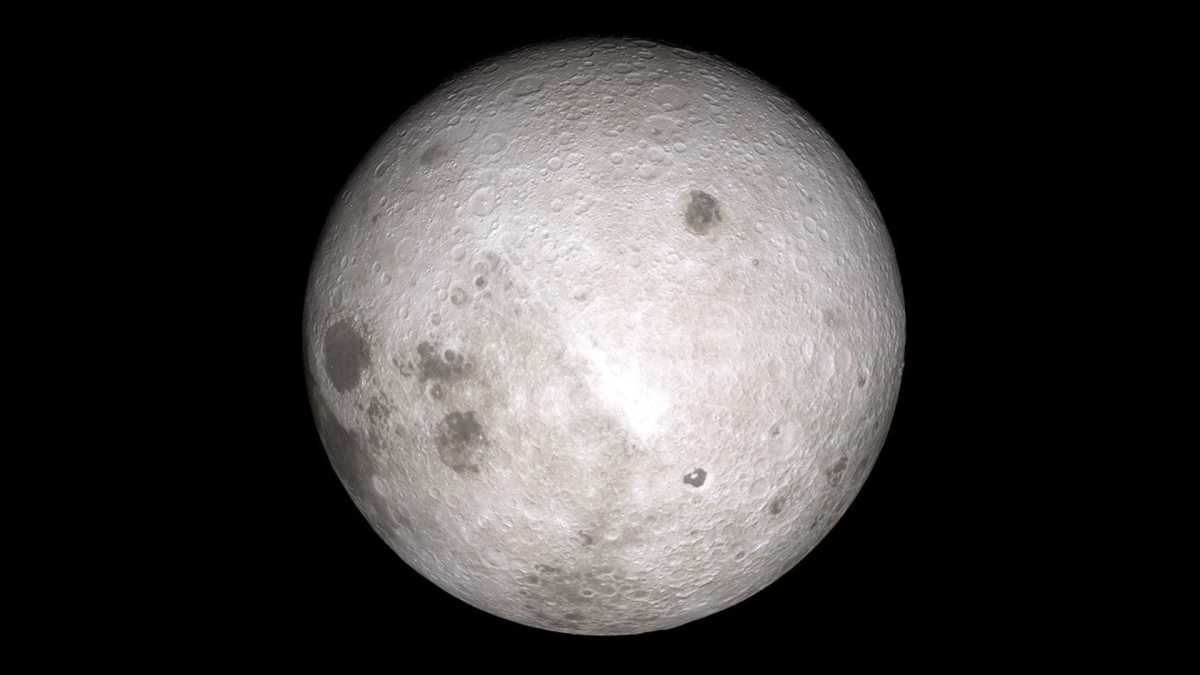
Models that incorporate temperature-dependent geologic strength could be a great help in understanding the lunar formation process and better constraining when the event took place. However, one mystery that still remains is the almost identical compositional makeup of the Earth and the Moon. Scientists believe that this may be because Earth and Theia emerged in the same neighbourhood of the protoplanetary disk that surrounded our young Sun. Mars, on the other hand, which has a different chemical composition from Earth, may have formed farther away. This research was published in The Astrophysical Journal Letters.
More on Starlust:
Can nuking an incoming asteroid on short notice save Earth? This new study has an answer