Twin satellites 'Blue and Gold' launching on November 9 will do a 3D scan of Martian space environment
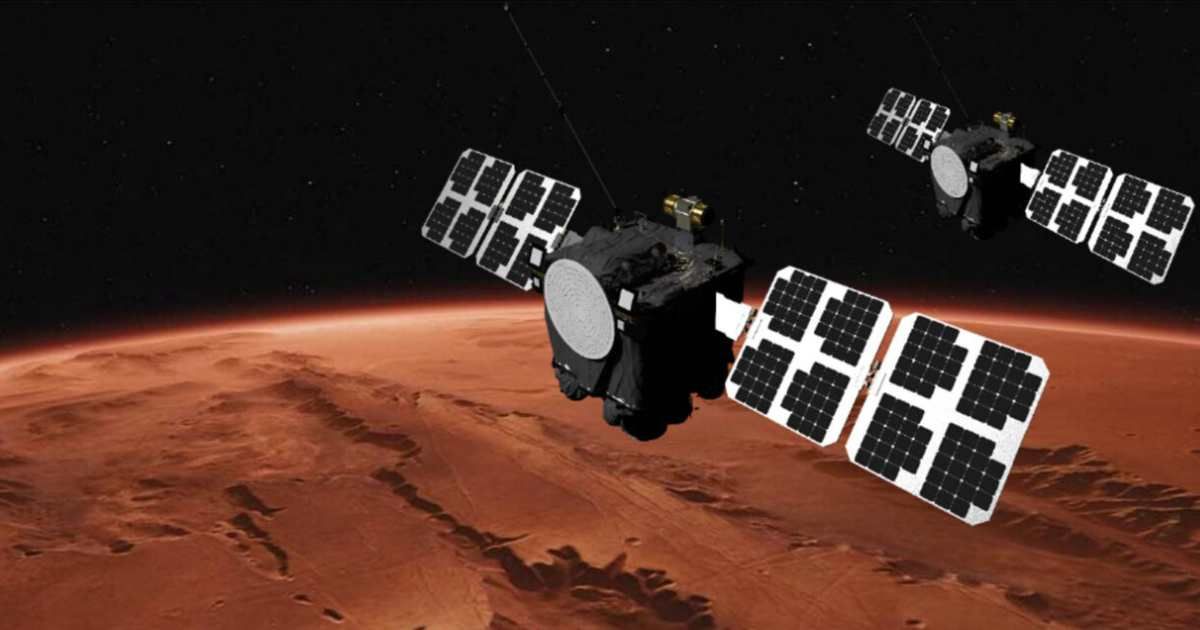
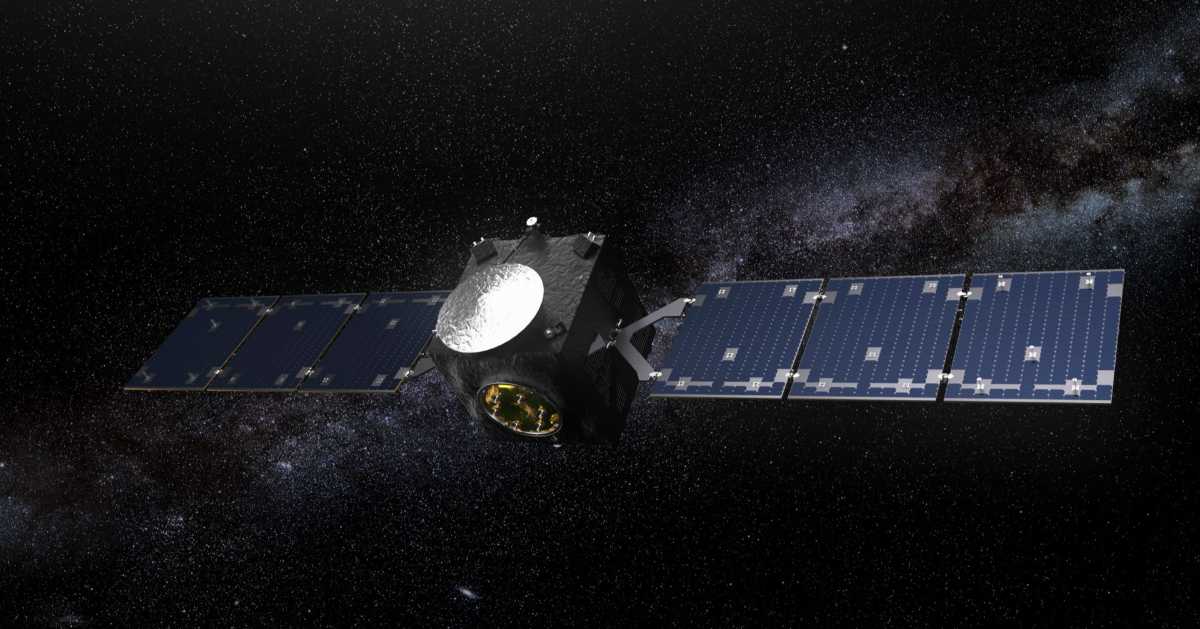
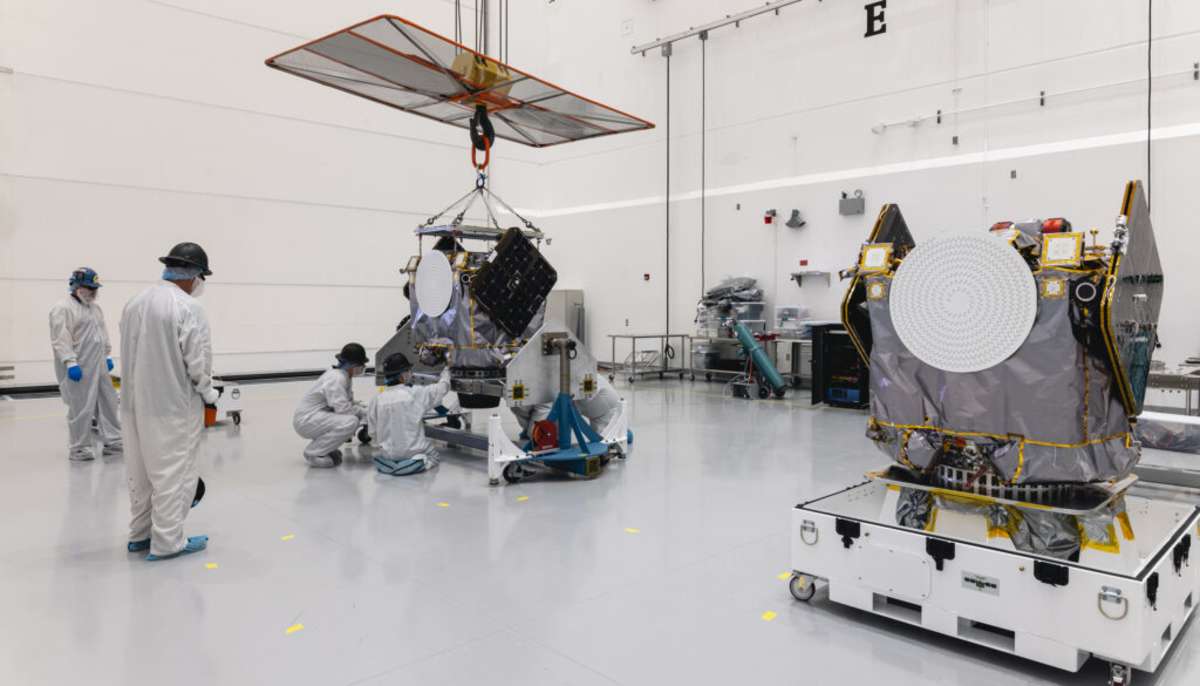
NASA is set to launch its ESCAPADE mission, the first dual-satellite endeavor aimed at another planet, from Cape Canaveral, Florida, no earlier than Sunday, November 9. The mission, featuring two identical spacecraft nicknamed Blue and Gold in homage to UC Berkeley's school colors, promises a striking stereo perspective of Mars' near-space environment, per UC Berkeley.
Mars, we're coming for you! 🔴 🛰️ 🛰️
— Rocket Lab (@RocketLab) November 3, 2025
Soon, our twin Explorer spacecraft built for @NASA & @ucbssl ESCAPADE mission will begin their journey to the Red Planet to study the history of its climate.
The mission will study how the solar wind interacts with Mars’ magnetic… pic.twitter.com/fGU51EaqYW
The twin probes, managed and operated by UC Berkeley, will fly in formation to generate a three-dimensional map of the planet's magnetic fields, ionosphere, and upper atmosphere. This data is critical for understanding the process by which Mars lost its once-thicker atmosphere and for informing the safety of future human missions. Principal Investigator Robert Lillis noted, “Understanding how the ionosphere varies will be a really important part of understanding how to correct the distortions in radio signals that we will need to communicate with each other and to navigate on Mars.”
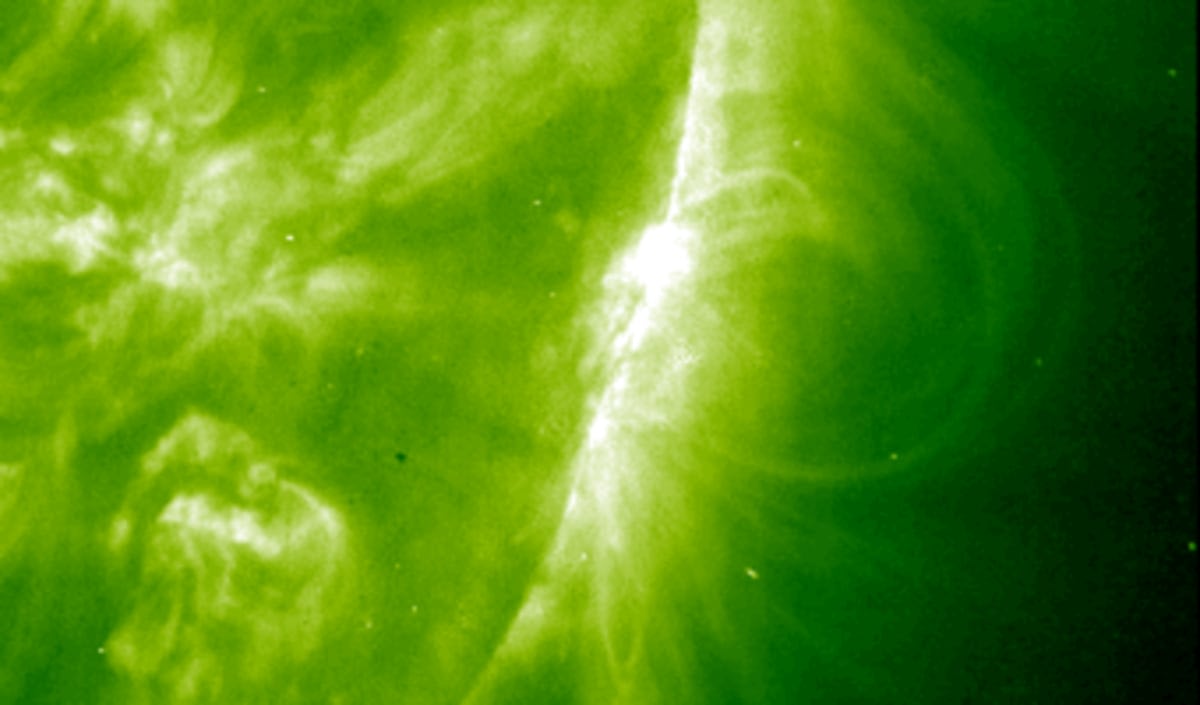
The probes will be used to observe how the Martian atmosphere, which is less than one percent the density of Earth's, interacts with the solar wind, a high-speed stream of charged particles from the Sun. The space weather measurements will help in forecasting solar storms whose radiation could pose huge risks to astronauts. Studying these interactions will also assist scientists in understanding how water and atmospheric gases escape into space over time.
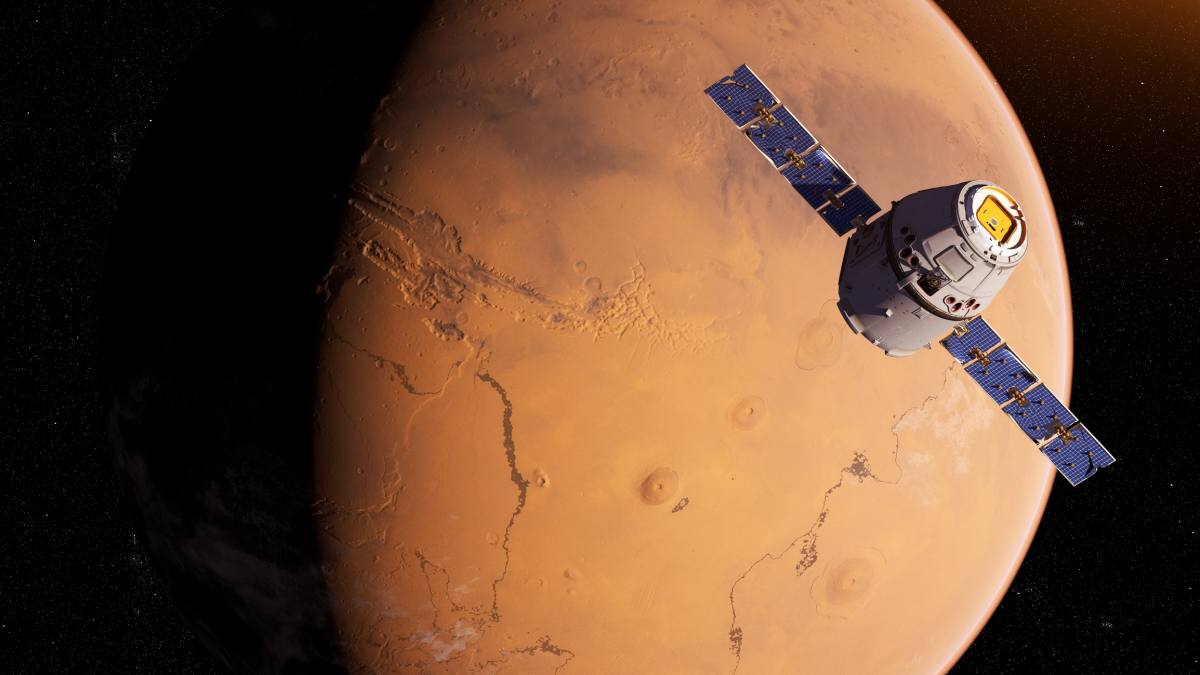
“To understand how the solar wind drives different kinds of atmospheric escape is a key piece of the puzzle of the climate evolution of Mars. ESCAPADE gives us what you might call a stereo perspective — two different vantage points simultaneously,” Lillis said. Set to arrive at Mars in 2027, the twin probes will provide data that could be crucial to figuring out what happened to the water that filled that lakes and rivers on the Red Planet until 2 billion years ago, and whether future colonists would be able to use it in case it is still available underground.
Beyond its core goals, ESCAPADE is testing a novel, more flexible route to the Red Planet. Instead of the standard, fuel-efficient Hohmann Transfer, which restricts launches to a narrow window of a few weeks every 26 months, the mission will first travel to an Earth-Sun Lagrange point. After orbiting this point for about a year, the craft will use an Earth flyby to slingshot toward Mars, during its biannual alignment with Earth.
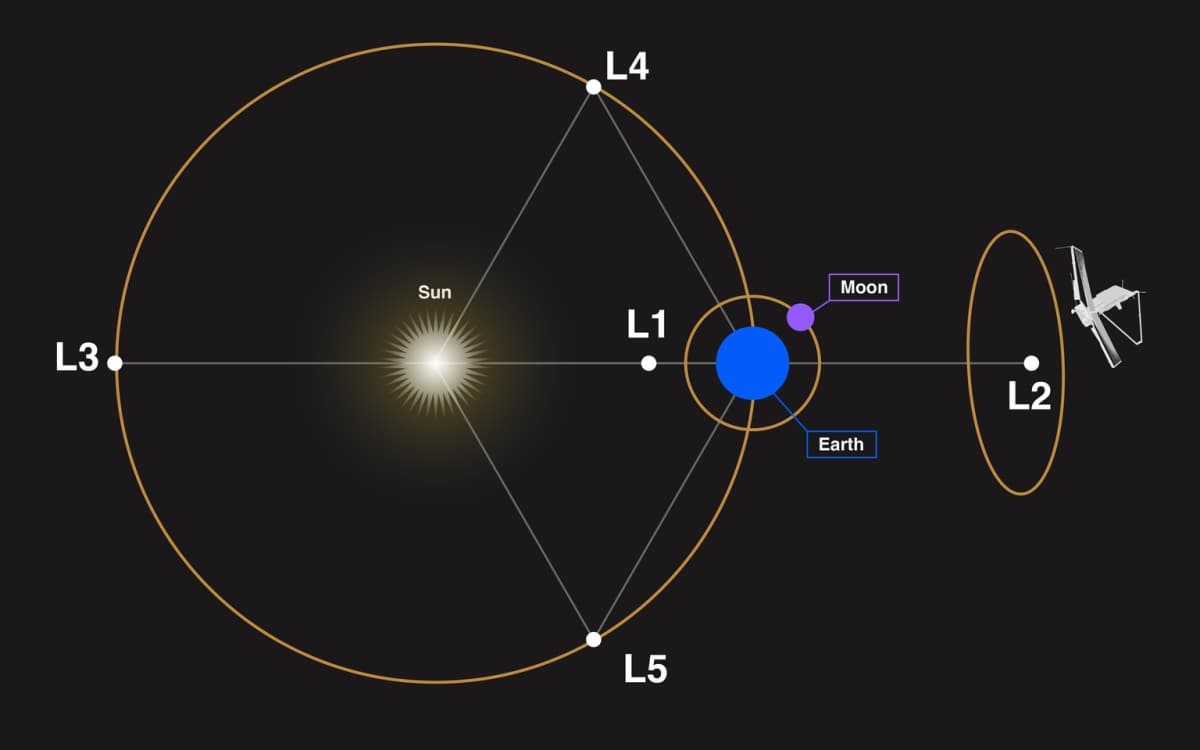
This pioneering trajectory could revolutionize future Mars logistics. If human settlement requires launching hundreds of ships during every planetary alignment, this flexible path allows spacecraft to launch over many months and queue up before making the final push, mitigating risks associated with tight launch windows. Jeffrey Parker of Advanced Space LLC noted the broader implication: “Can we launch to Mars when the planets are not aligned? ESCAPADE is paving the way for that.”
The mission underscores a shift towards more cost-effective space exploration, leveraging commercial partners like Rocket Lab USA for spacecraft construction and Blue Origin for launch services aboard the New Glenn rocket. Once at Mars, the probes will settle into synchronized lower orbits, following each other like what Lillis refers to as "a pair of pearls on a string." This will enable the monitoring of regions over timescales as short as 2 minutes and up to 30 minutes, a feat that has not been achieved before.
More on Starlust
ISS scheduled for dramatic end as NASA targets controlled Pacific ocean impact in 2030
NASA Chief suggests reconsideration of SpaceX lunar lander contract amid 'race against China'