Ultraviolet radiation from stellar flares might increase chances for life around small stars
Are we the only ones? With billions of planets present in space, the possibility that none of them holds life seems unlikely. Thus, in search for the same, space researchers have tried to come up with different methods to detect life. Likewise, in a recent study, a team of researchers from China worked on how ultraviolet radiation from stars might help in supporting life forms.

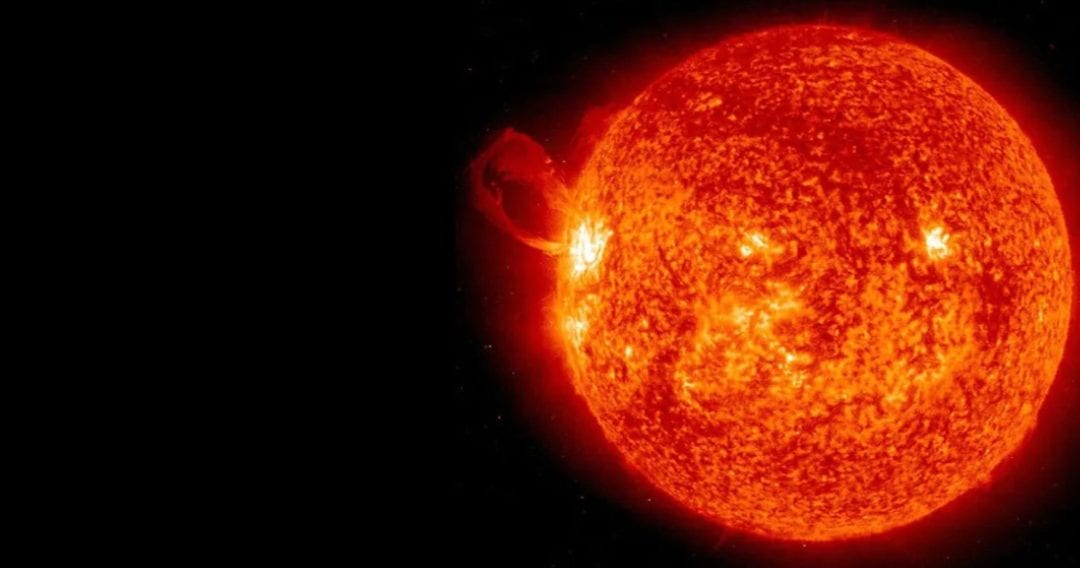
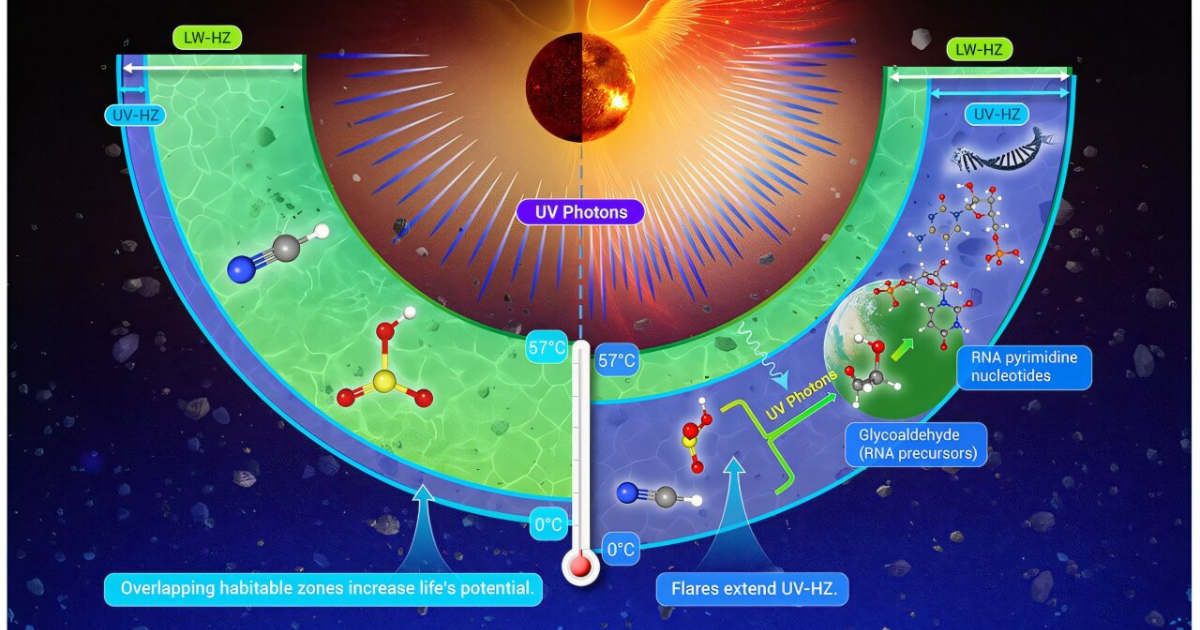
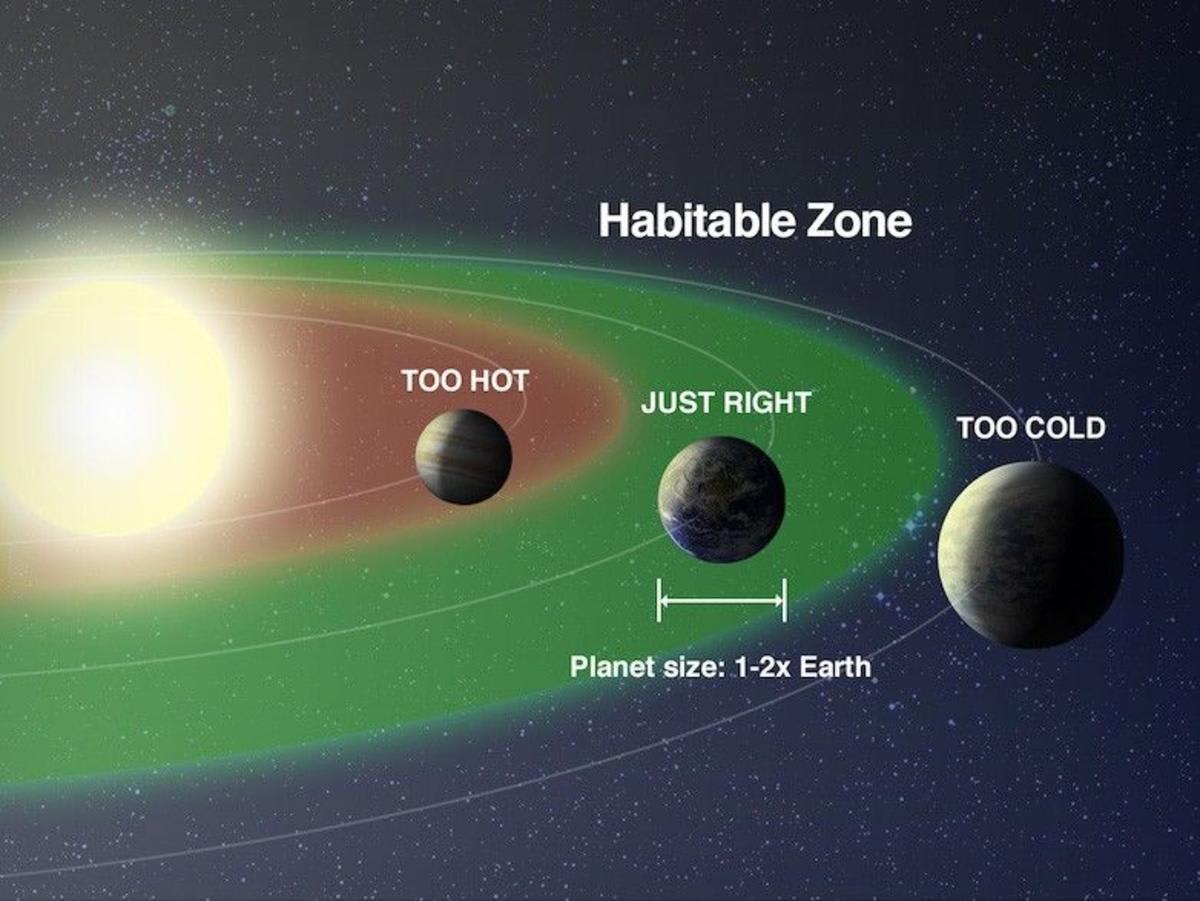
Historically, the search for alien life has been concentrated on exoplanets orbiting Sun-like G-type stars. But in recent times, astrobiologists have been increasingly exploring the possibilities of whether K-type and M-type low-mass stars can support life. Of course, this would require them to be located in the habitable zone (HZ), which is the distance from a star at which liquid water can exist. But the HZs for K-type and M-type stars are much smaller than the one in our solar system and are called liquid-water habitable zones (LW HZs). There is also another type of HZ, where life may potentially grow as a result of the host star's ultraviolet radiation (UV-HZ). It is this particular HZ that the study in question focused on.
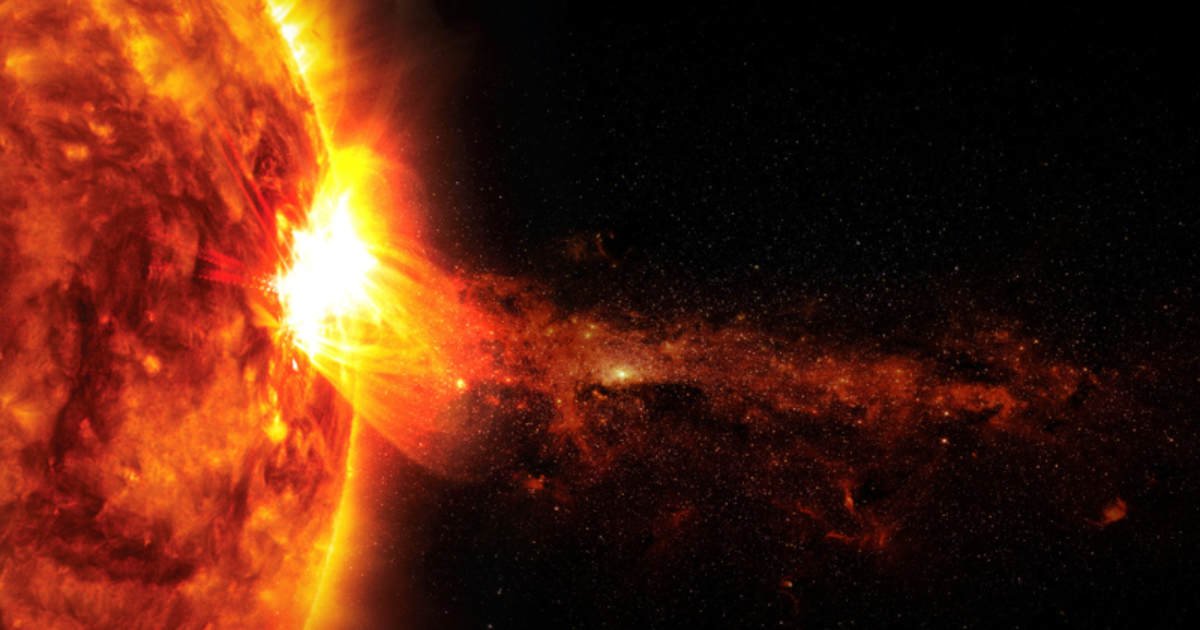
The team of scientists resorted to a series of models coupled with some complicated scientific calculations. They used the findings to determine whether heightened solar flare activity could affect or refine the distance parameters of a UV-HZ. Putting the models to the test, the scientists wanted to make sure how much of a possibility there was for the RNA precursor synthesis—chemical processes that create RNA—to take place. And that was not all. The team also dug deeper, trying to make out the impact a low-mass star's activity had on the UV-HZ. Comparing the results with the LW-HZ distance parameters, the team from China wanted to find out if the UV-HZ and LW-HZ overlapped.
For their research, the team chose nine confirmed exoplanets that orbit M and K-type stars to apply their models to. They chose KOI-8047.01 (M-type), Kepler-1540 b (K-type), KOI-7703.01 (K-type), KOI-5879.01 (M-type), Kepler-155 c (K-type), Kepler-1512 b (M-type), KOI-7706.01 (K-type), Kepler-438 b (M-type), and KOI-8012.01 (M-type). All of the test subjects, except for Kepler 1540 b, have been confirmed as rocky. On the contrary, Kepler-1540 b is said to have Neptune-like properties. Coming to the end result of the study, the scientists found that theoretically it was possible for the UV-HZ and LW-HZ to overlap around low-mass stars. However, the chances of the same happening in reality are pretty low. Only three exoplanets, namely, KOI-8012.01, KOI-8047.01, and KOI-7703.01, were found to be orbiting in the region. These planets need to be studied further to confirm the habitability of their surface temperatures.
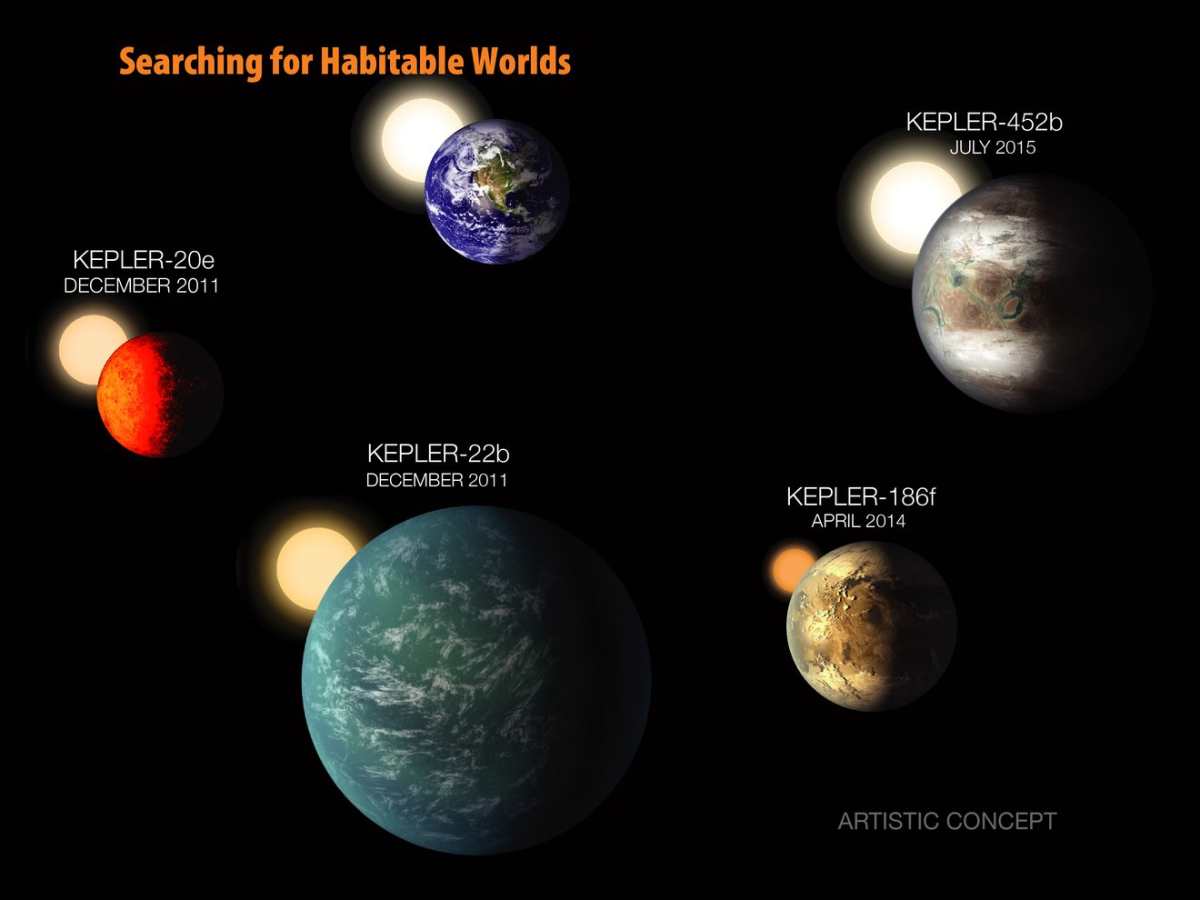
The researchers noted, “Although many exoplanets have been studied statistically, assessing the habitability of individual planets in the habitable zone is still challenging from both astrobiological and observational perspectives. Evaluating habitable zones around stars in various aspects helps us better understand exoplanet habitability. By re-evaluating the habitable zones and creating a comprehensive catalog of planets within them, we can infer that terrestrial planets in both liquid water and UV radiation habitable zones are more likely to support life."
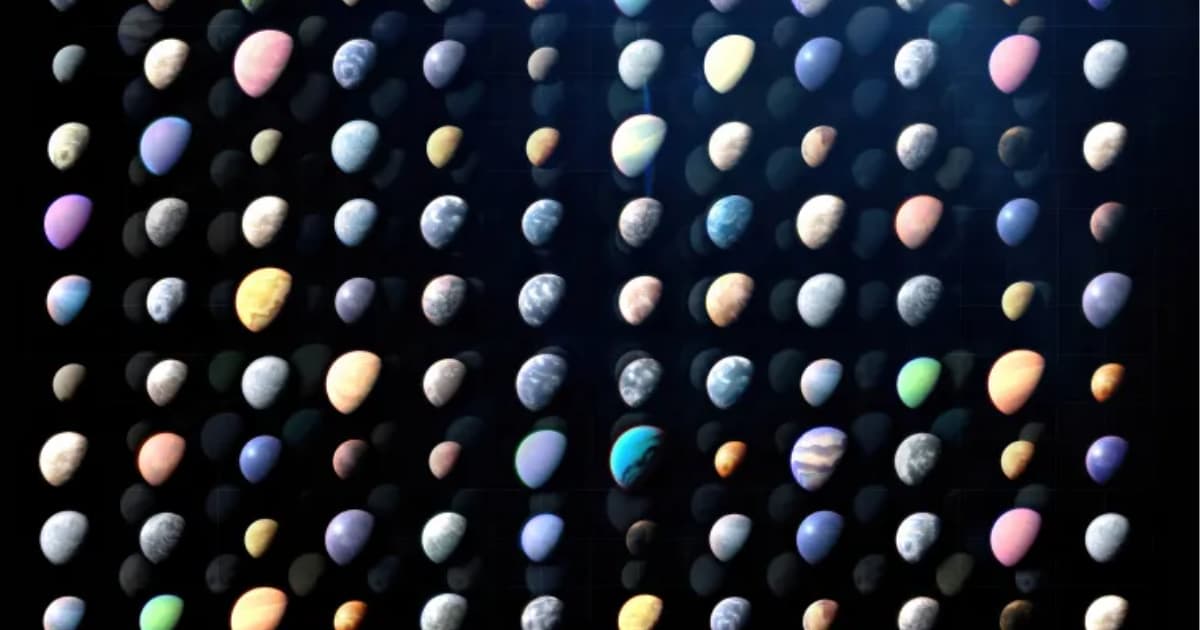
TRAPPIST-1, an M-type exoplanetary system, hosts seven rocky worlds, three of which orbit within the star's habitable zone. However, scientists think that they are tidally locked with the host star, which is also very active and emits huge amounts of solar radiation, thus putting a big question mark on the habitability of the planets.
More on Starlust
Earth's atmosphere hidden on the Moon may prove to be life-sustaining for future astronauts