China is reaching for the Moon: Inside its growing manned spaceflight capabilities
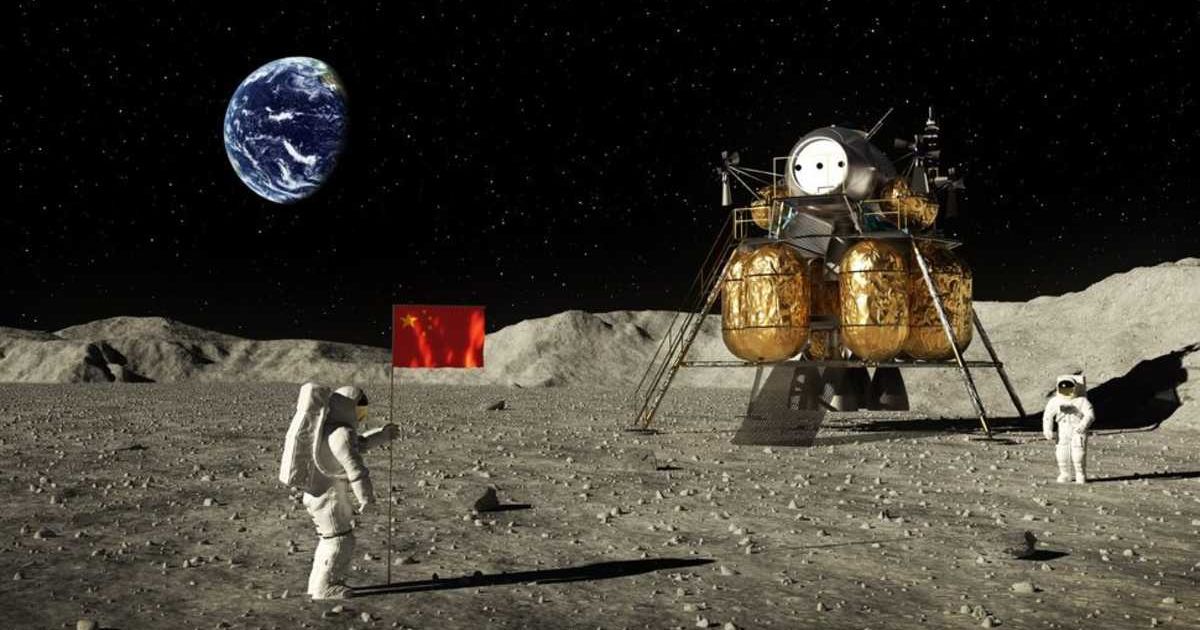
China’s rapid rise in crewed spaceflight has moved on from a series of independent milestones into a long-term presence in low Earth orbit. And now, the country is reaching for what lies beyond. This evolution comes at a time of renewed global interest in deep space exploration, which also led to the launch and the successful completion of NASA‘s Artemis II mission. The mission put four humans on a trajectory that took them further from Earth than any other crew and beyond the Moon. While the United States is doing its best to establish its leadership in space, the competition provided by China is palpable. Per CGTN, the upcoming Chang’e 7 lunar probe has been transported to the Wenchang Space Launch Site, from where it will lift off to demonstrate lunar landing hardware.
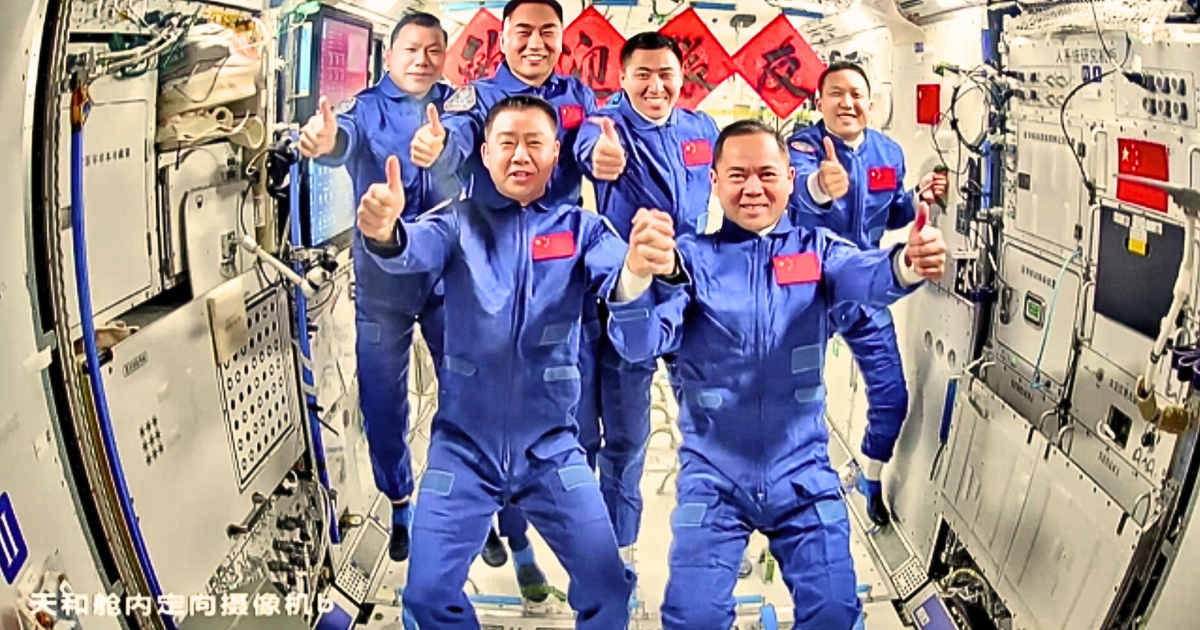
Meanwhile, the ongoing Shenzhou-21 mission shows this maturity of CNSA’s (China National Space Administration) operations, with three ‘taikonauts’ having spent over five months in orbit. During this time, they have conducted two spacewalks as well as multiple scientific experiments. China's manned space program is also diversifying its personnel by including payload specialists from Hong Kong and Macau, while also preparing for a year-long stay for a member of the Shenzhou-23 crew.

Logistically, the introduction of commercial launch vehicles like the Kinetica-2 Y1 rocket by the Chinese company CAS Space is also streamlining low-cost cargo transportation. This model has also been employed by NASA, taking advantage of the hardware built by companies like SpaceX and United Launch Alliance. The New March-01 technology demonstration satellite will conduct experiments in orbit using commercial off-the-shelf technologies. Furthermore, the New March-02 satellite, or the Qingzhou prototype test spacecraft, is designed for cargo resupply and has been built to operate for three years.
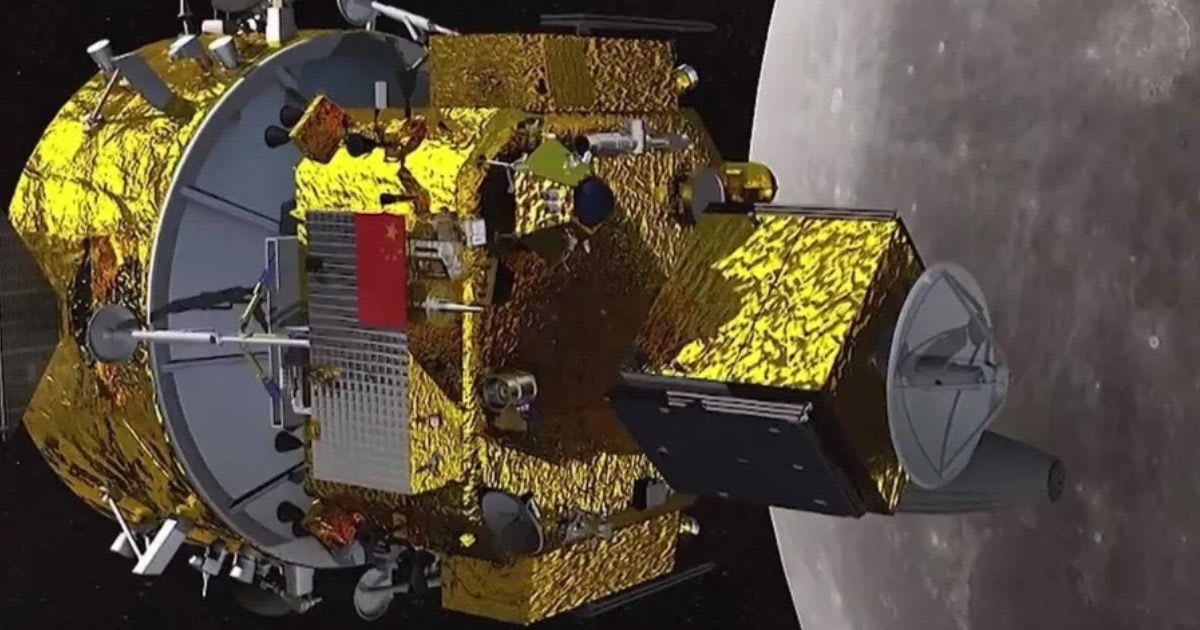
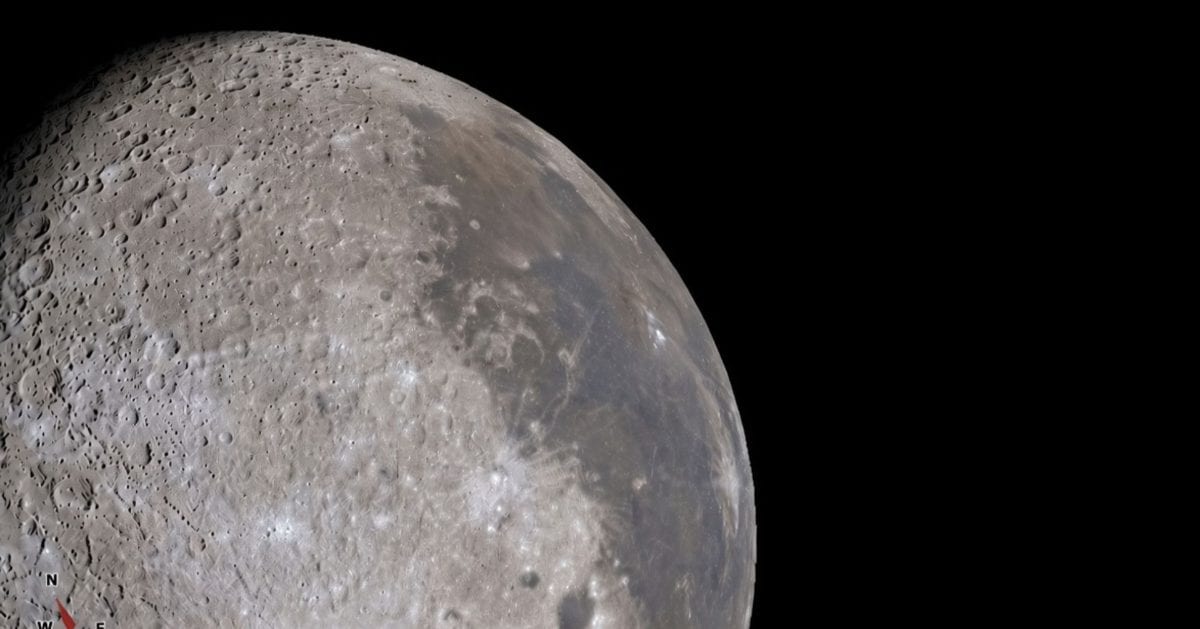
As for the Chang’e 7 probe, it is set to launch in late 2026 to explore the Moon’s south polar region, one that has been targeted by NASA as well for landings. It will consist of an orbiter, a lander, a rover, and a hopper, which together will carry 18 different science instruments to study the south polar environment and examine water ice. Central to China’s goal of landing a crew on the lunar surface by 2030 are the Long March-10 rocket and the Mengzhou spacecraft. Recent low-altitude verification of the rocket and escape flight test for the spacecraft have demonstrated the reliability of these systems, which are being designed specifically for the harsh environments of deep space.

CNSA’s development path is aimed towards the establishment of a long-term lunar presence with the construction of the International Lunar Research Station. When these developments are viewed alongside the United States’ space programs, especially with the faster cadence desired by NASA for its Artemis program, the global landscape resembles a sophisticated, technological 'race,' reminiscent of the space race between the US and the erstwhile Soviet Union, where the feat of being the first in space by the latter was eclipsed by NASA sending humans to the surface of the Moon for the first time ever.
More on Starlust
Chinese startup Sustain Space tests robotic arm for orbital re-fueling in space
China launches its mysterious reusable ‘space plane’ into orbit