Russian cargo spacecraft Progress 95 arrives at ISS with 3 tons of food, fuel and supplies
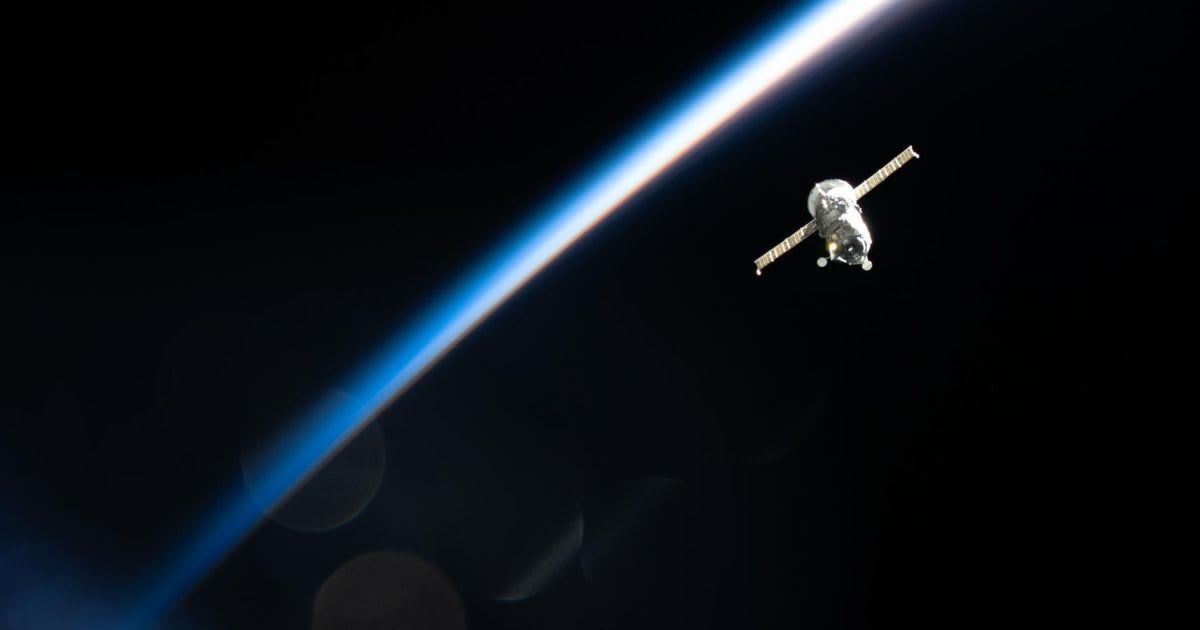
The Expedition 74 crew aboard the International Space Station (ISS) received a fresh delivery of food, fuel, and equipment from Russia’s Progress 95 cargo craft. The uncrewed spacecraft successfully docked with the ISS on Monday, April 27, carrying about three tons of cargo. Progress 95 attached to the aft port of the Zvezda service module at 8 p.m. EDT (12 a.m. UTC Tuesday). NASA streamed the entire event live via the agency’s official YouTube channel, NASA+, and Amazon Prime.
LIVE: Watch as the unpiloted Progress 95 resupply spacecraft docks to the @Space_Station after a successful liftoff on April 25. Docking is set for 8pm ET (0000 UTC April 28). https://t.co/imOH6YRXh6
— NASA (@NASA) April 27, 2026
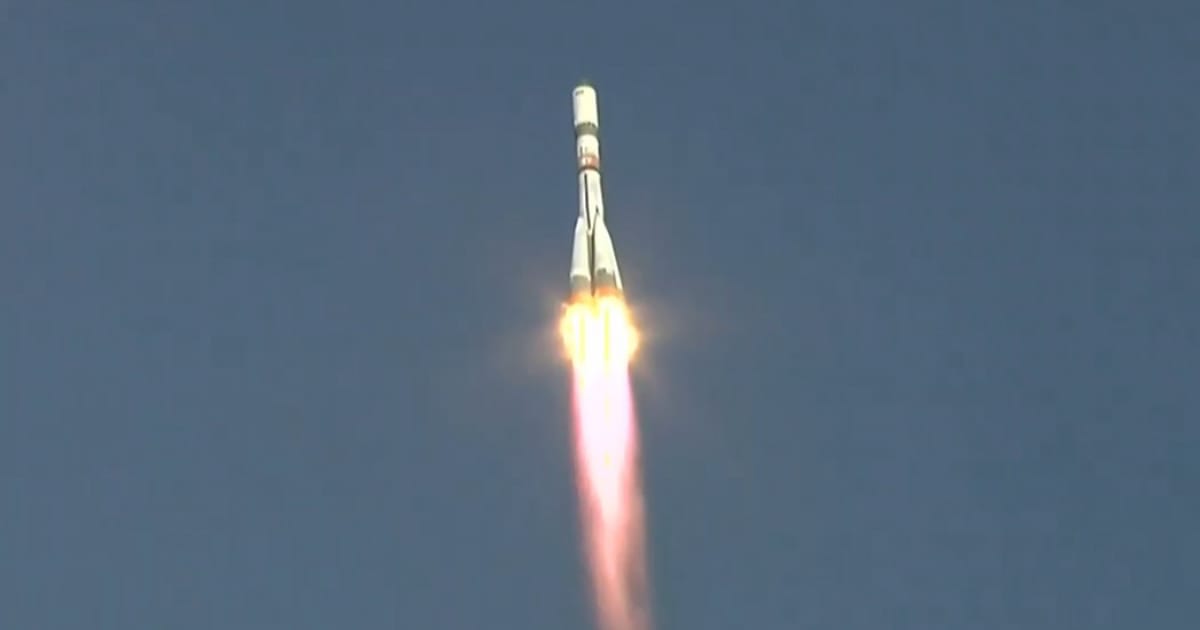
Progress 95 launched at 6:21 p.m. EDT on April 25 (local time 3:21 a.m., April 26) aboard a Soyuz rocket from Baikonur Cosmodrome, Kazakhstan. After reaching orbit, the Roscosmos cargo spacecraft spent about two days in orbit chasing the ISS before completing its rendezvous and docking. The docking sequence is automated, which allows the Progress spacecraft to approach the station and attach without any intervention from the crew under the right conditions.
A Progress 95 cargo spacecraft docked to the station's Zvezda service module at 8pm ET today delivering about three tons of food, fuel, and supplies to the Exp 74 crew. More... https://t.co/tttpNiAPT8 pic.twitter.com/FDodaQ2wAi
— International Space Station (@Space_Station) April 28, 2026
The port currently occupied by the newly arrived spacecraft had been previously occupied by Progress 93, which left the station on April 20. After undocking from the ISS, Progress 93 made a planned destructive re-entry over the Pacific Ocean. It burned up in the Earth’s atmosphere, disposing of the trash loaded into it by the crew. The same fate awaits Progress 95 as well after its approximately six-month stay at the ISS.
Earlier this year, on March 22, Progress 94 launched and reached the ISS despite a failed deployment of one docking antenna. It remains attached to the station, making Progress 95 the second such mission of 2026. Russia’s Progress is one of four active ISS cargo resupply missions alongside Japan’s HTV-X, Northrop Grumman’s Cygnus, and SpaceX’s Dragon. Among the four, Dragon remains the only reusable spacecraft, being able to return cargo intact to Earth using parachute-assisted splashdowns.
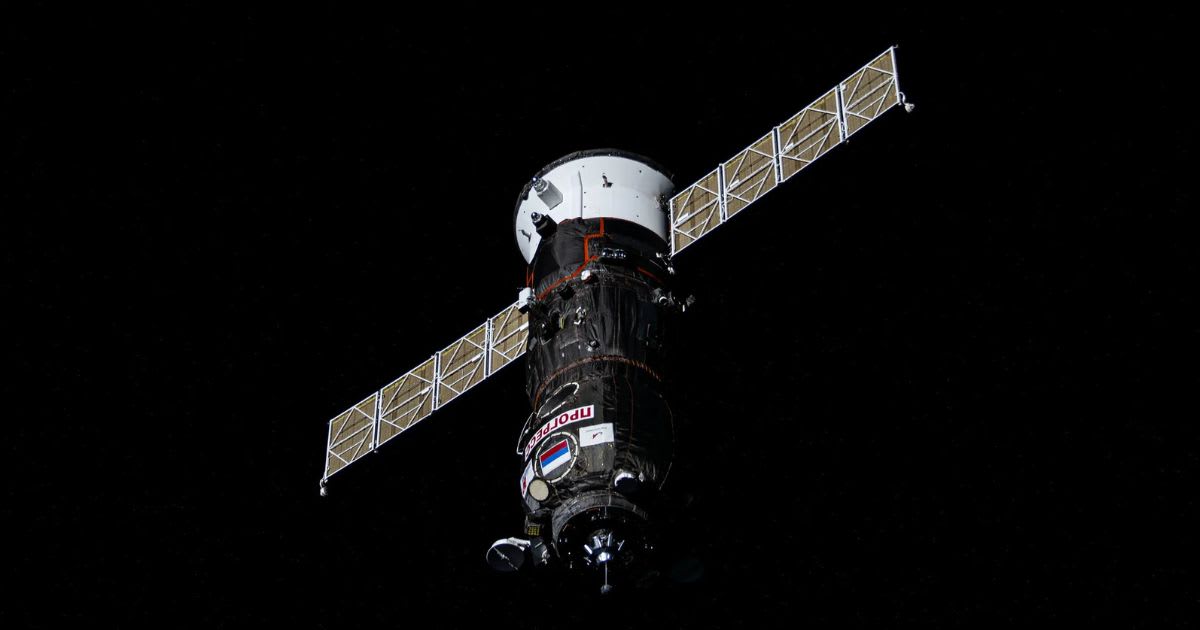
The new delivery of cargo ensures smooth long-duration operations, research, and maintenance work aboard the ISS. The Progress series of resupply vehicles is essentially automated, unpiloted versions of Russia’s Soyuz spacecraft. Apart from delivering cargo, they can also raise the altitude of the ISS and control its orientation with their thrusters. Soyuz rockets, which typically carry the Progress spacecraft, have completed more than 1,600 launches.
More on Starlust
ISS astronauts complete busy research week ahead of Saturday launch of Roscosmos’ Progress 95