SpaceX’s 34th Resupply Mission to launch to International Space Station soon—here's all you need to know
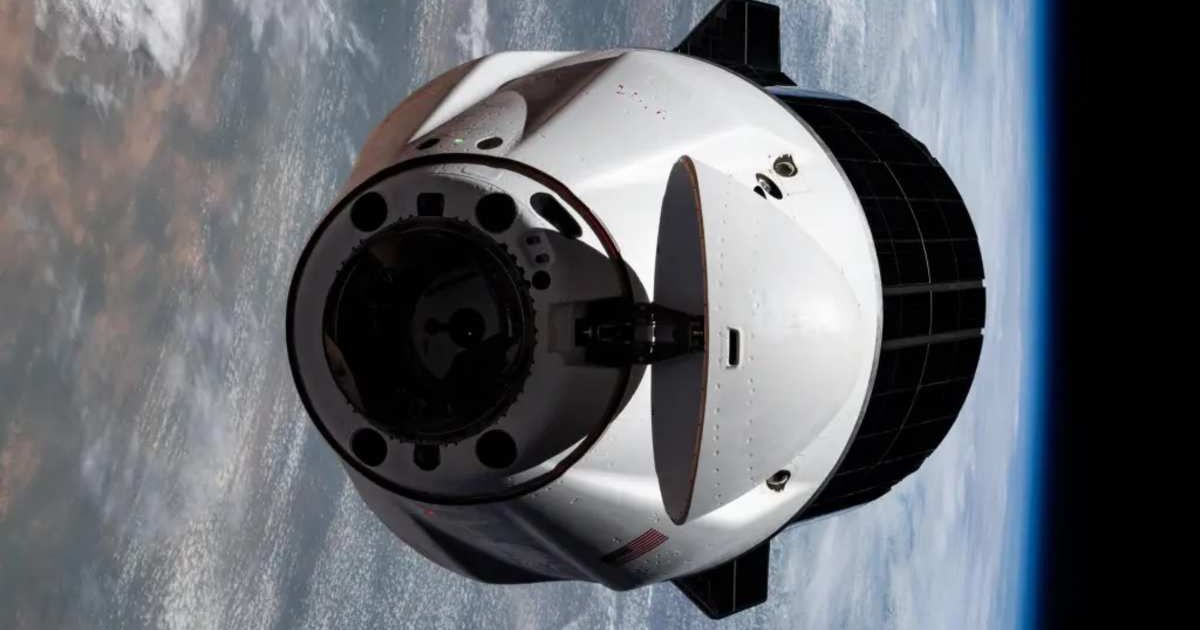
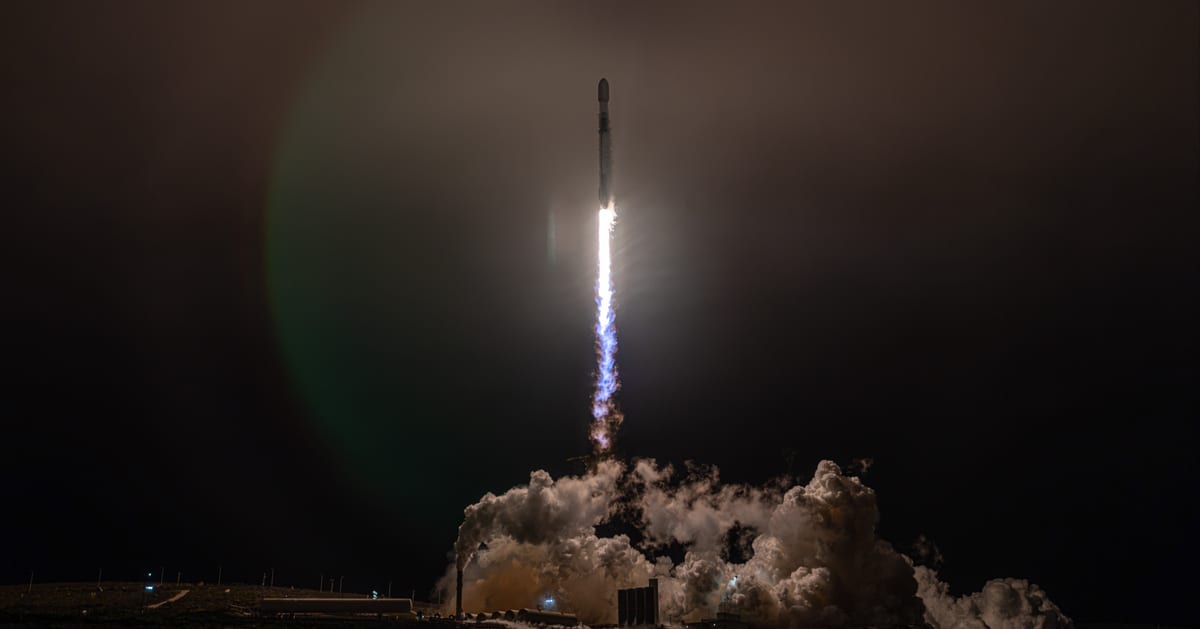
NASA has confirmed that the launch of the 34th SpaceX Commercial Resupply Services mission to the International Space Station will take place no earlier than May 12, 2026. A host of equipment and science experiments will be delivered by the California-based company’s Dragon capsule. Food and a few other supplies will also be carried onboard the cargo variant of the spacecraft. The particular Dragon capsule selected for this mission will be delivered into space on top of a Falcon 9 rocket, which will lift off from Space Launch Complex 40 at Cape Canaveral Space Force Station in Florida.
The next delivery of NASA science and equipment to the @Space_Station is set for no earlier than May 12. In addition to experiments, these resupply missions also bring supplies that allow the crew aboard to continue living and working in low Earth orbit: https://t.co/NN4FRwn7Ml pic.twitter.com/uD6ZlrP7ca
— NASA (@NASA) April 21, 2026
The science experiments being delivered by SpaceX’s CRS-34 mission will include the Laplace investigation, which studies the growth of dust aggregates in proto-planetary disks, as well as the fundamental aspects of gas and particle transport phenomena in dust clouds. These can provide researchers with detailed information on how planets form. Another instrument being carried by CRS-34 is the Space Test Program-Houston 11-Storm Time O+ Ring Current Imaging Evolution (STP-H11-STORIE), which will be vital for predictions of space weather events and taking measures to mitigate the hazards posed by them to infrastructure like power grids on Earth.
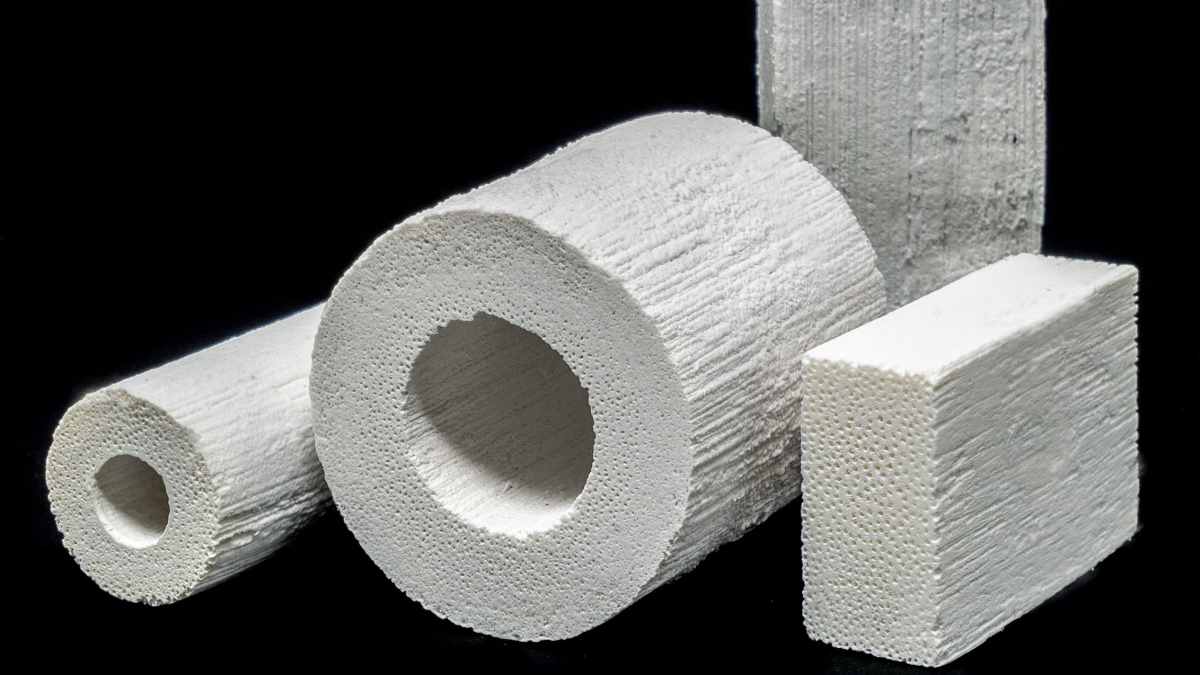
As far as biomedical science is concerned, the Green Bone experiment will test a new bone scaffold made from rattan wood, where human bone cells will be grown. Findings from the study may help in the development of new countermeasures against osteoporosis and provide scientists with better bone healing options for their patients. SPARK (Spleen Activity in Space Anemia and Red Cells Kinetics) is another experiment that will be sent to the ISS to help understand how conditions in space trigger spleen changes and the breakdown of red blood cells. The effectiveness of Earth-based space simulators for biomedical research will be studied by another investigation being brought on this mission called ODYSSEY (Outcomes of microbial Dynamics during Spaceflight and in SimulatEd microgravity).
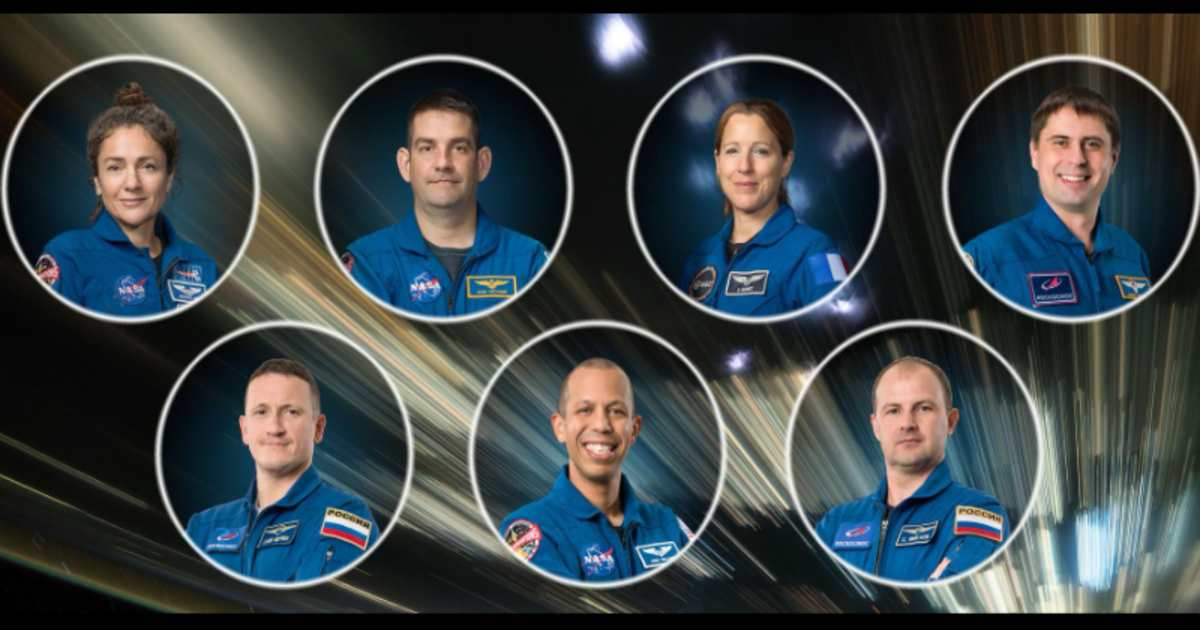
The International Space Station is currently inhabited by seven astronauts and cosmonauts who form the crew of Expedition 74. They are Jessica Meir, Chris Williams, and Jack Hathaway of NASA, Sophie Adenot of the European Space Agency, and Roscosmos’ Sergey Kud-Sverchkov, Sergey Mikaev, and Andrey Fedyaev. The trio of ISS Commander Kud-Sverchkov, Mikaev, and Williams will depart the station earlier than the rest, having been occupied to a larger degree with station upkeep prior to the rest of the crew’s arrival with the Crew-12 mission. The trio recently practiced emergency evacuation procedures inside the Soyuz MS-28 spacecraft, which is currently docked to the station, as mission controllers of the Russian space agency monitored the drill.
In addition to science, cargo vehicles also may deliver fresh fruit and vegetables to the @Space_Station. This is always a welcome change from our dehydrated and preserved food and is a huge morale boost, bringing smiles all around. Thank you to all those involved in this… pic.twitter.com/Xq5rnlsN0d
— Jessica Meir (@Astro_Jessica) April 21, 2026
CRS missions are meant to support life onboard the space station while making their stay there worthwhile with exploration into areas of biology and biotechnology, Earth and space science, and physical sciences. Thanks to these missions by the likes of SpaceX and Northrop Grumman, with the latter’s latest CRS-24 mission recently arriving at the station with important cargo, technology development and demonstrations have continued since the agency’s Space Shuttle program was brought to a halt. NASA currently does not operate a spacecraft of their own to ferry cargo and crews to and from the ISS.
More on Starlust
Scientists send microscopic worms to space to aid future Moon missions
SpaceX’s Dragon spacecraft assigned to NASA’s CRS-33 arrives home