Shenzhou-21 mission extended by one month, crew to stay aboard Chinese space station till May
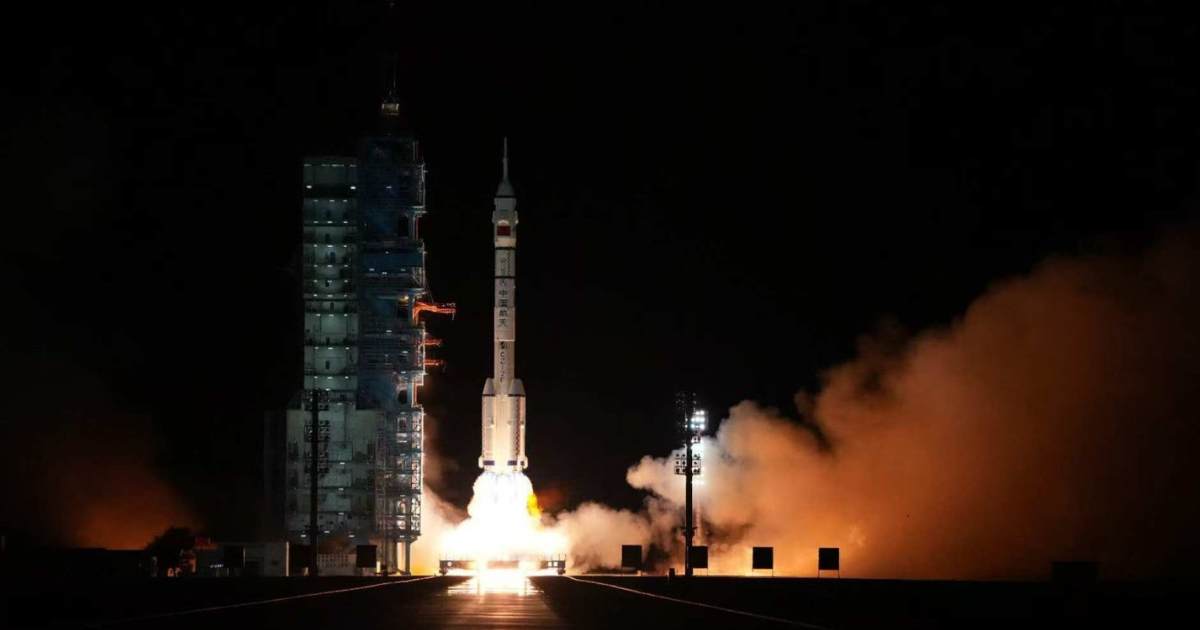
In a strategic move to further test the limits of human endurance and aerospace technology, China's Manned Space Engineering Office has officially extended the Shenzhou-21 mission. The trio of taikonauts currently inhabiting the Tiangong space station will remain in orbit for an additional month beyond their original six-month schedule, according to reports from state broadcaster CCTV on Friday. The mission, which commenced with a successful lift off atop a Long March 2F carrier rocket from the Jiuquan Satellite Launch Centre in northwest China on October 31, 2025, was initially slated to conclude in late April. Under the revised flight plan, the crew is now expected to return to Earth in late May. While an exact landing date has not been disclosed, the extension is a calculated decision aimed at gathering critical data for future space exploration.
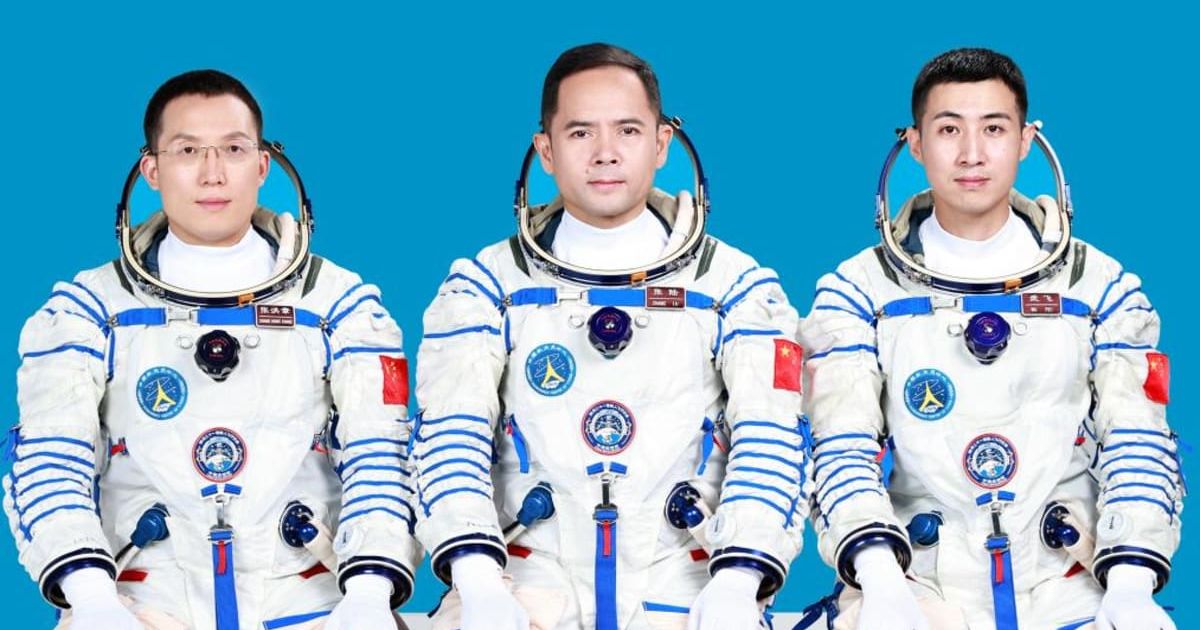
The Shenzhou-21 Mission is led by Commander Zhang Lu, a 48-year-old veteran who previously flew on the 2022 Shenzhou-15 mission. Joining him are Zhang Hongzhang, who is 39 years of age, and the 32-year-old Wu Fei. The latter holds the distinction of being the youngest Chinese taikonaut ever sent into space. State media reports that the crew remains in excellent physical and mental condition, despite having already spent over five months in the microgravity environment. Since their arrival at the Tiangong station, the three crew members have maintained a rigorous schedule of scientific research and technical maintenance via three spacewalks completed thus far. They have been utilizing the space station’s robotic arm while working closely with the teams on the ground that support the mission.
Some of the key achievements during the stay of the Shenzhou-21 crew have included the installation of advanced space debris protection devices and the comprehensive inspection of extra vehicle equipment and facilities. These tasks are vital for ensuring the long-term safety of the station as it faces the constant threat of high velocity, orbital fragments. Back in November, a crack was reported to have been discovered in a window of the Shenzhou-20 spacecraft, according to the South China Morning Post, prompting the return of its crew. For context, the International Space Station also sees early evacuations and extensions of astronaut stays, with SpaceX Crew-11 and Boeing Starliner mishaps being respective examples.
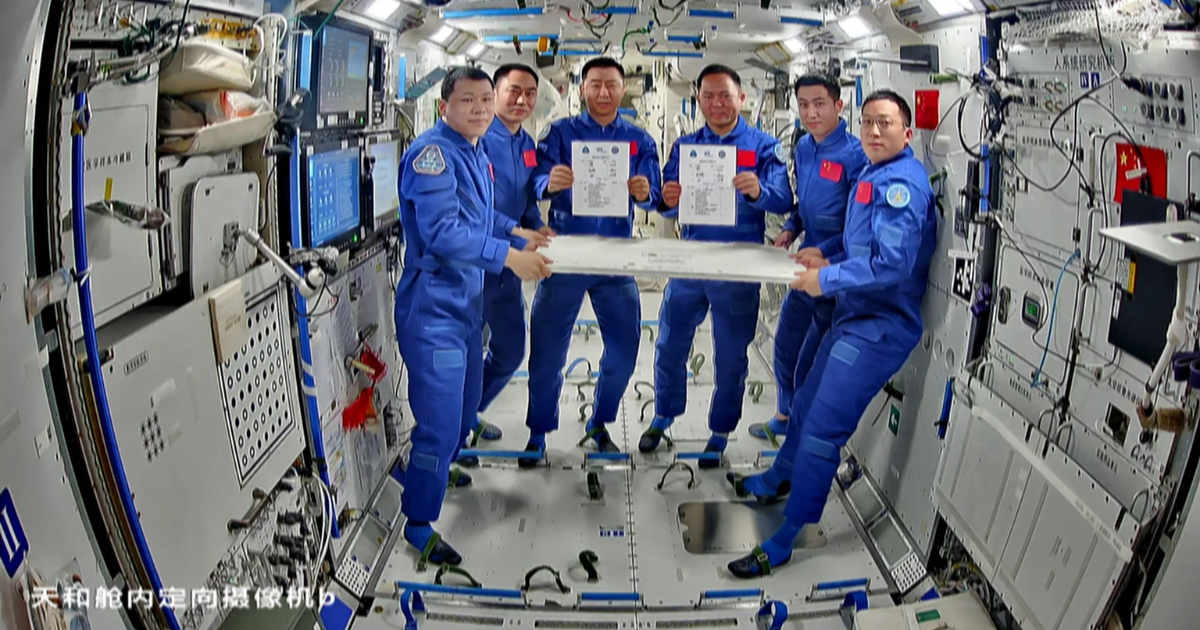
Beyond maintenance, the taikonauts have also completed various scientific and technological experiments that cover fluid dynamics, materials science, and life sciences. The decision to prolong the mission is specifically intended to verify technologies related to long-term astronauts by pushing the duration towards the seven-month mark. Researchers can better observe the physiological effects of prolonged weightlessness and the efficiency of the station's life support systems over an extended period.
This extension is set to introduce a shift in China’s upcoming launch plans for its orbiting lab. As with the aforementioned case of the Shenzhou-21 spacecraft being used as an emergency return vehicle for the crew of Shenzhou-20, this change of plans will also introduce a shuffling of the return capsule. Shenzhou-22 spacecraft will now be repurposed to maximize its utility as an emergency vehicle for space Station resupply. Consequently, the taikonauts originally slated to take off this month as part of the Shenzhou-22 mission are now expected to travel to the Tiangong station in May aboard the Shenzhou-23 vessel. Delaying the crew rotation and utilizing the Shenzhou-22 hardware for emergency logistics will allow the Manned Space Engineering Office to fulfill its aim of ensuring the station’s rapid-response resupply capabilities are in order for the event. This will also let the Chinese National Space Administration extract the maximum benefits of its current orbital assets. CNSA is currently working on various exploratory and engineering projects, such as the Chang’e 7 mission to the Moon in service of settlement plans in the future.
More on Starlust
Chinese startup Sustain Space tests robotic arm for orbital re-fueling in space
Oxidized iron on the Moon—China's Chang'e-6 mission reveals new surprising details