China becomes first to experiment with artificial human embryos in space
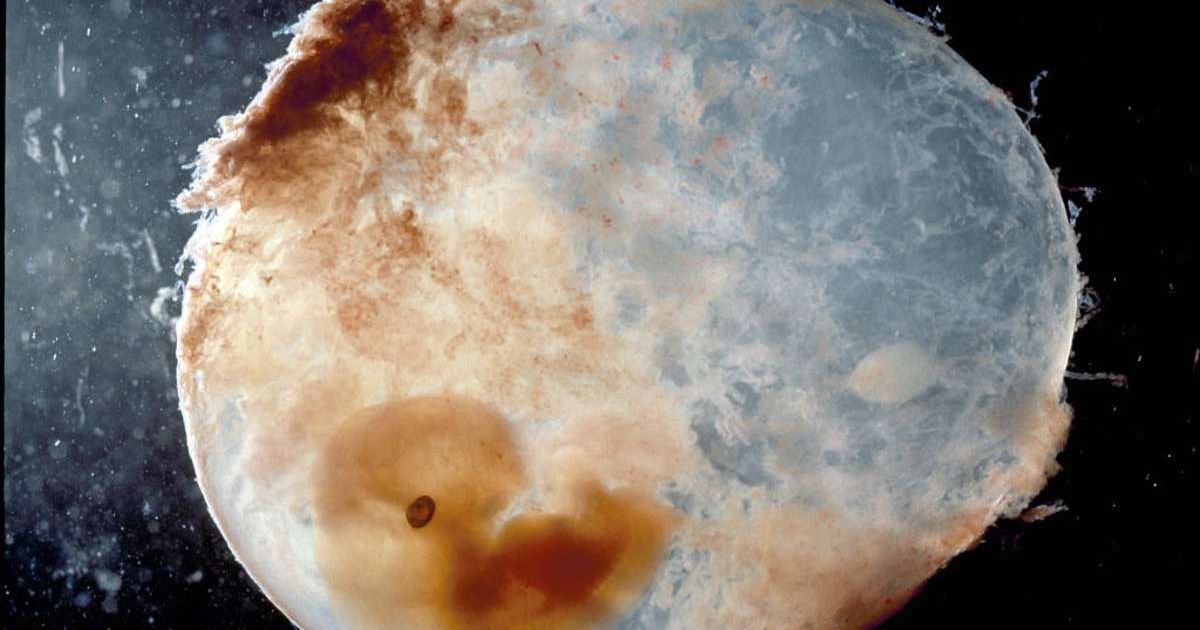
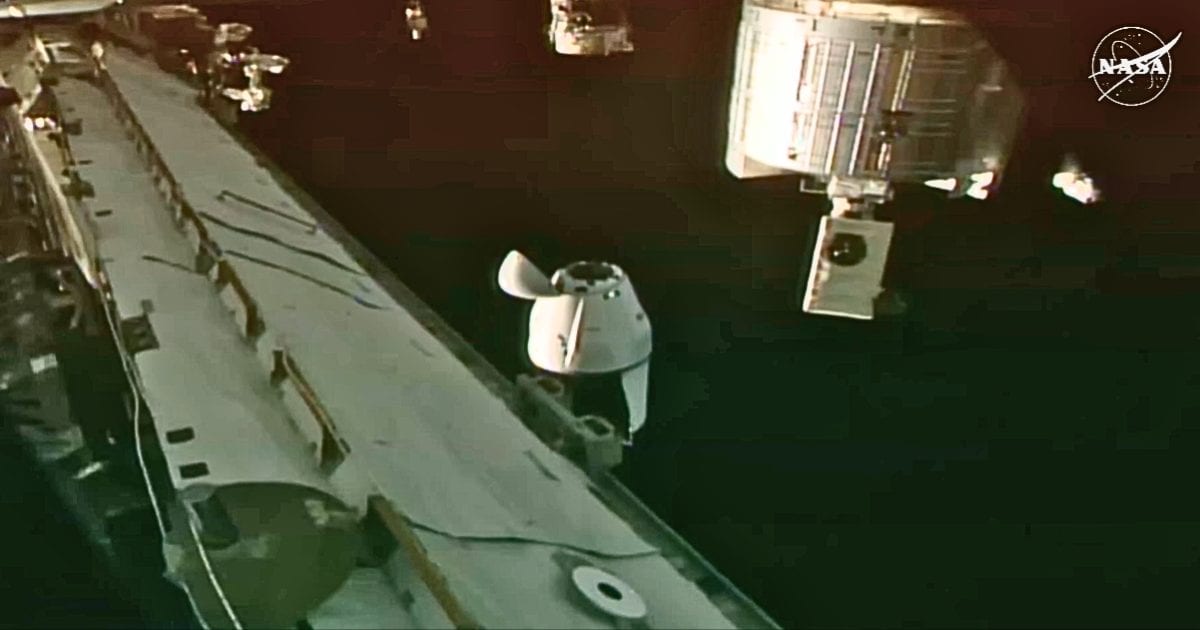
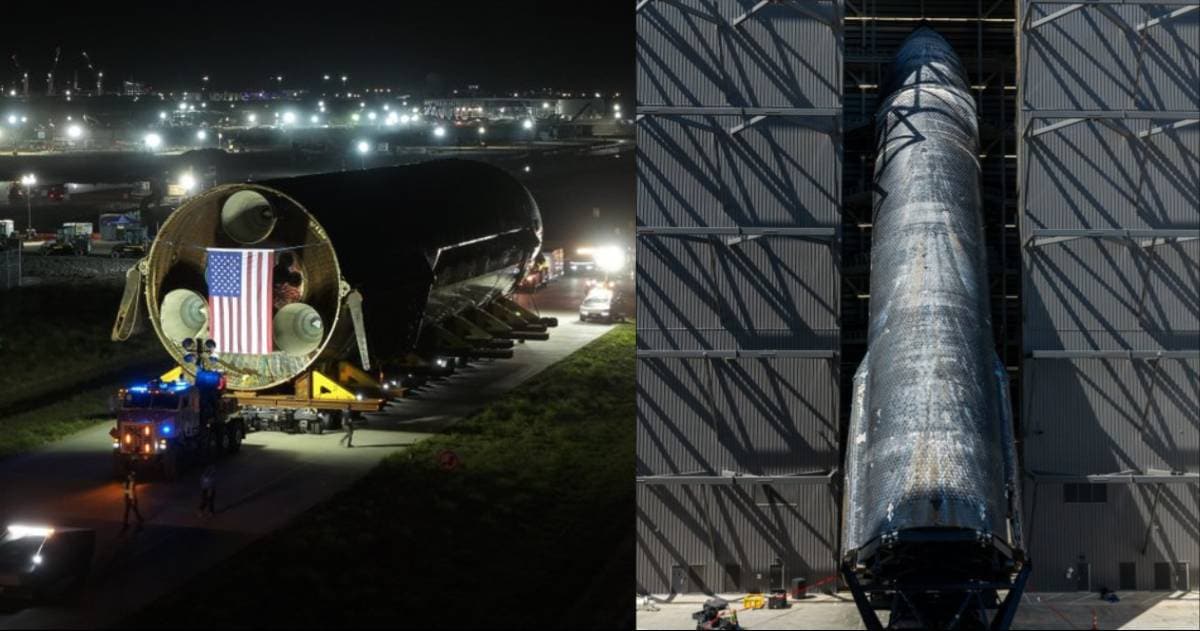
China is conducting the world's first experiment on human artificial embryos onboard the Tiangong space station, according to the Chinese Academy of Sciences (CAS). The said embryos were delivered on May 11, 2026, on board the Tianzhou-10 cargo spacecraft that delivered China's largest payload in its spaceflight history to the Chinese orbital outpost.
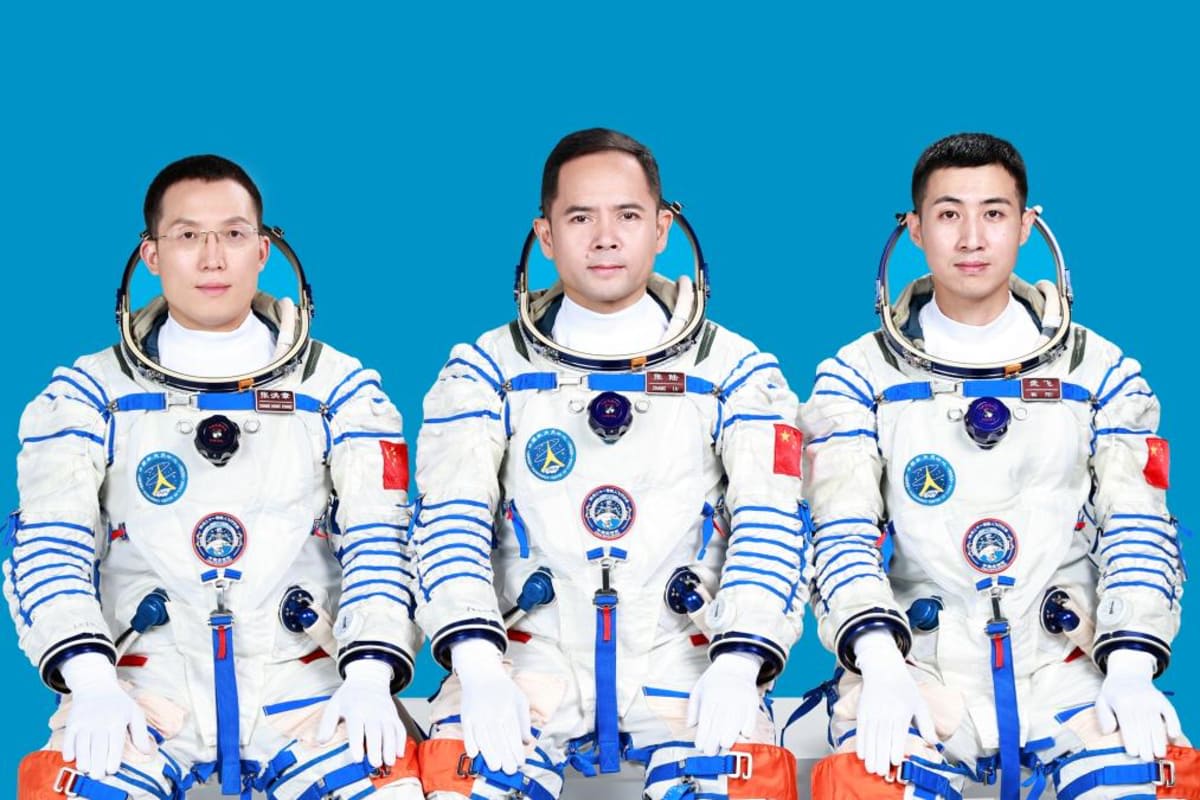
The Technology and Engineering Center for Space Utilization under the Chinese Academy of Sciences, which is in charge of the project, said that the samples were installed in the orbital laboratory's experimental module by the taikonauts part of the Shenzhou-21 crew. "The experiment is going very well," said Yu Leqian, the project leader for the artificial embryo space science experiment. "A pre-set automated system changes the culture medium for the samples every day." This study is aimed at conducting preliminary research on issues related to long-term human habitation, survival, and even reproduction in space. The artificial human embryos are created by using human stem cells as raw materials. "This is not a real human embryo and does not have the ability to develop into an individual. However, it can serve as a model for studying early human development," Yu explained.
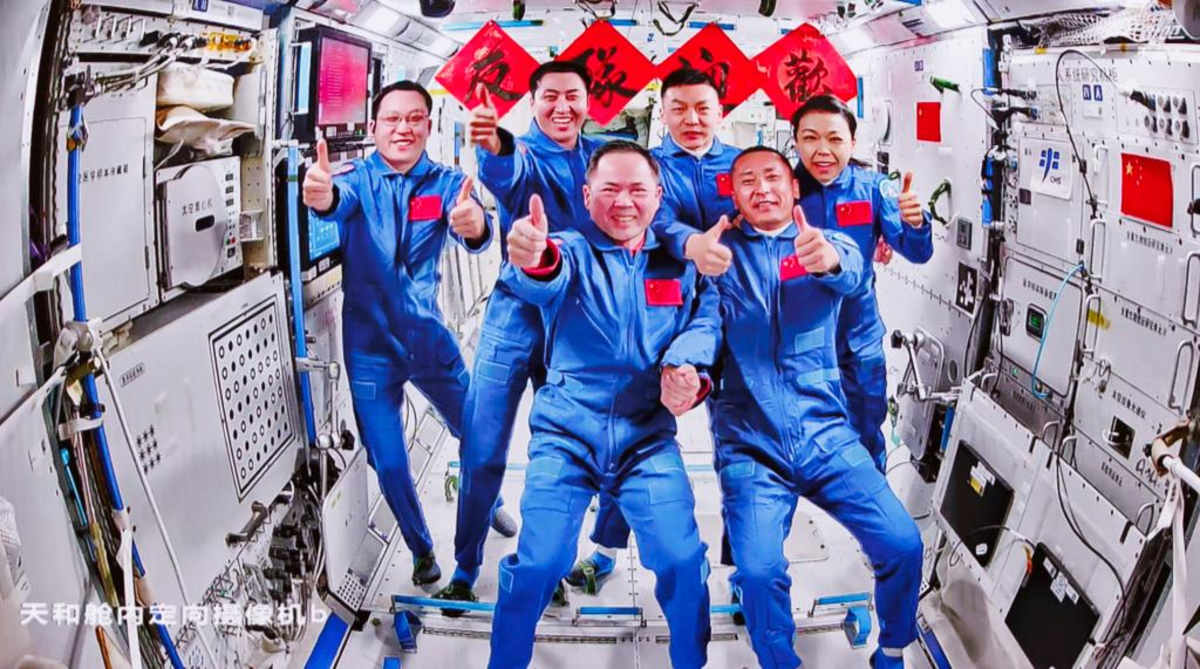
China's Shenzhou-23 crew, during their upcoming mission, will carry out experiments involving "artificial embryos," rare-earth alloys and novel batteries, while contributing data on long-duration space residency, the China Manned Space Agency (CMSA) announced on Saturday… pic.twitter.com/AKoN0eLVZR
— China Xinhua News (@XHNews) May 23, 2026
The experiment includes two types of artificial embryo samples. The first one is cultured on uterine cells, while the other is placed inside what is known as a microfluidic chip. Identical samples are also being studied simultaneously in laboratories on Earth. Both results of the experiment will be compared and further read into once they return from space, having been frozen after five days. With Chinese news outlet Xinhua reporting earlier that the newly arrived Shenzhou-23 crew will be conducting experiments of this description, the fact that the installation of the aforementioned experiment was done prior to their arrival may suggest multiple experiments of the same profile. Other than human embryos, the Tianzhou-10 spacecraft also carried zebrafish and mouse embryos.
The idea of human reproduction in space is getting traction given how both the US, with the help of commercial and industry partners, and China are aiming to set up camp on the Moon. For instance, not too long ago, a research team from Adelaide University found that sperm lost their way in a maze designed to mimic the female reproductive tract in microgravity.
More on Starlust
The space race then and now: From the erstwhile US-Soviet rivalry to the current China factor