China launches Pakistan satellite into orbit, expands international ties amid Moon race with U.S.
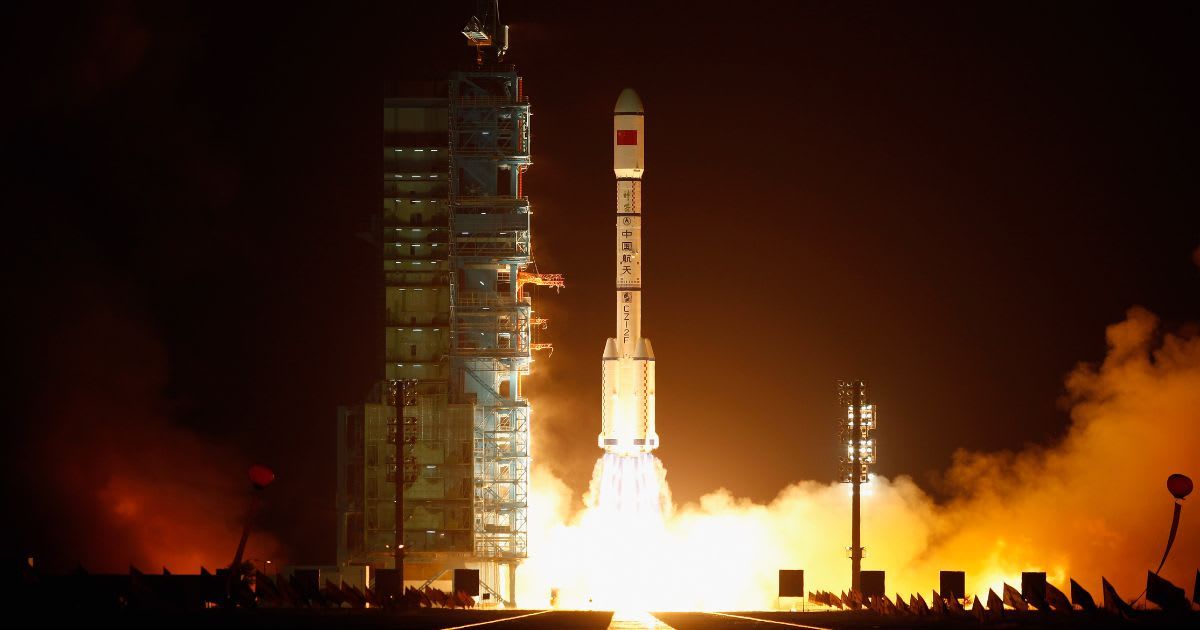
On Saturday, April 25, a Chinese Long March 6 rocket launched Pakistan’s new PRSC-EO3 Earth observation satellite successfully into its planned orbit. According to China’s official state news agency Xinhua, the rocket lifted off at 8:15 p.m. Beijing Time from the Taiyuan Satellite Launch Center in Shanxi Province. EO-3 is part of Pakistan’s growing Earth-observation fleet, being their third electro-optical satellite. The launch is another major step forward for China-Pakistan’s bilateral space cooperation.
Pakistan Launches Indigenous EO-3 Satellite , Marking Major Space Milestone pic.twitter.com/JBtYAfQhuj
— Ministry of Foreign Affairs - Pakistan (@ForeignOfficePk) April 25, 2026
Built by the Pakistan Space and Upper Atmosphere Research Commission (SUPARCO), EO-3 is primarily a high-resolution imaging satellite, but it also carries experimental payloads to test future technologies. The satellite aims to expand Pakistan’s remote-sensing capabilities for both civilian and strategic use. According to the nation’s Foreign Office, EO-3 has a multi-geometry imaging module for accuracy, an advanced energy storage system and more. An onboard AI-powered data processing system allows real-time analysis and supports the mission with quick and intelligent decision-making.
Pakistan’s third electro-optical satellite is a follow-up to EO-1 launched in January 2025 from Jiuquan, and EO-2 launched in February 2026 from Yangjiang Seashore Launch Centre — both in China. Pakistani President Asif Ali Zardari called the launch a “historic milestone” and praised China for its “consistent and trustworthy cooperation” in the space sector. China’s Long March family of rockets marked their 640th flight with this mission, which also demonstrates Beijing’s fast-increasing cadence of orbital missions.
Warmest congratulations to Mr. Muhammad Zeeshan Ali and Mr. Khurram Daud on their successful selection as the first batch of foreign astronauts for China's manned space program! Wish them successful training and a fruitful mission ahead. May they send out most resounding note of… pic.twitter.com/kW4CLN0GEX
— Chinese Emb Pakistan (@CathayPak) April 24, 2026
Recently, China had also announced its first-ever selection of foreign astronauts for its manned space program, both from Pakistan. Muhammad Zeeshan Ali and Khurram Daud arrived in China and entered the Astronaut Center of China in Beijing on Friday, April 24, as reported by Xinhua. Upon clearing training and assessment, one of them will become the first foreign astronaut to board China's Tiangong space station. In 2024, China’s Chang’e lunar mission carried the ICUBE-Q cubesat from Pakistan.
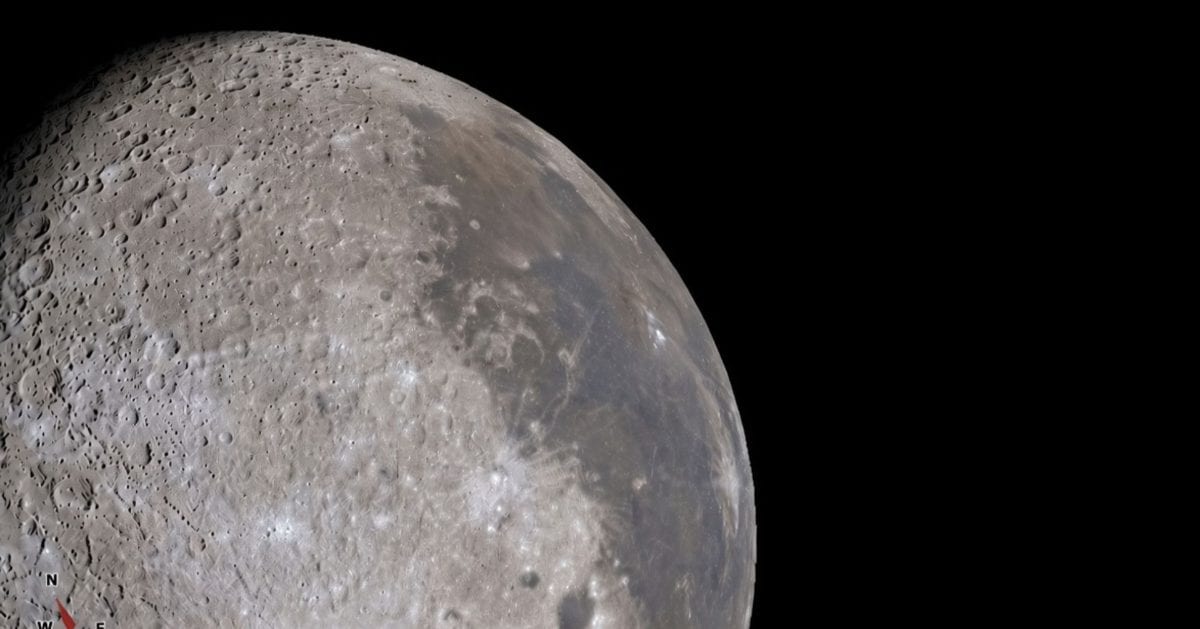
The launch comes as China continues expanding its role in a global space race, particularly with the United States, to reach the Moon. Earlier last week, NASA Administrator Jared Isaacman openly commented China’s lunar ambitions while appearing before Congress. “We want to be on the Moon — not above the Moon, looking down at the Chinese,” he remarked. China remains the only country to successfully land and operate on the far side of the Moon, through Chang'e 4 in 2019 and Chang'e 6 in 2024. Meanwhile, the United States aims to establish a permanent lunar presence through NASA’s Artemis program.
More on Starlust
China is reaching for the Moon: Inside its growing manned spaceflight capabilities
China and Russia sign agreement for lunar nuclear power station, aim to outpace U.S. moon efforts