Why is Starship made of stainless steel, not carbon fiber? Here's what Elon Musk had to say
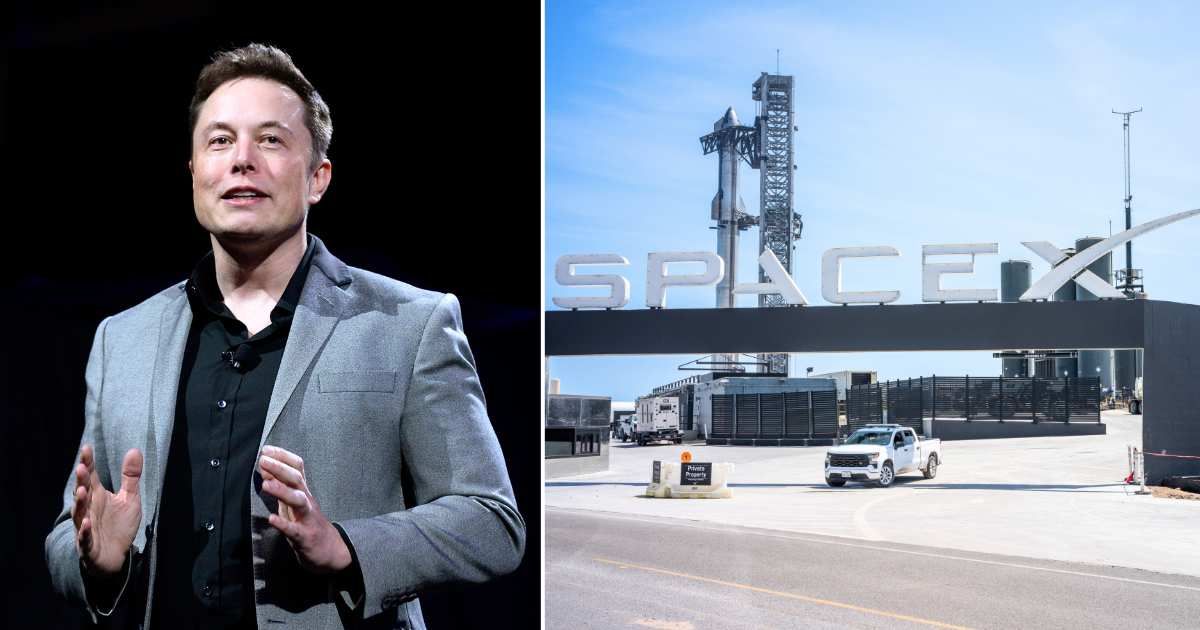
Elon Musk recently revisited one of SpaceX's most important engineering decisions made by reposting a 2021 interview on X. In this interview with Adam Burrows of Princeton University, he explained why his team made a call to scrap carbon fiber for Starship's body and build the whole thing out of stainless steel instead. While black carbon fiber composite is heavily used in advanced aircraft and a few modern rockets (though most traditional rockets rely on aluminum alloys), the reason for the switch is not just that "steel is cheaper."
If you’re interested in learning why I switched Starship from carbon fiber to stainless steel https://t.co/lp0r5ni24L
— Elon Musk (@elonmusk) July 25, 2026
What made Elon Musk change his mind about carbon fiber?
Early versions of Starship were designed around carbon fiber composites. This is because its lightweight, high-strength material means the rocket can carry more cargo or crew. "A lot of people intuitively would think of steel as being heavy and rockets need to be light. So, that seems a pretty odd choice, picking a heavy-sounding thing for rockets, especially orbital rockets that need to be very light. If you ask people who understand materials, they'll probably say you want to use state-of-the-art carbon fiber composite. That's what we started out with, which was a very advanced carbon fiber," he had explained. But then the company pressure-tested the assumption against what Starship would actually need to survive. The vehicle needed a structure that could handle the deep cold of cryogenic rocket fuel on one end, and the extreme heat of atmospheric re-entry on the other, and carbon fiber struggled at both extremes.
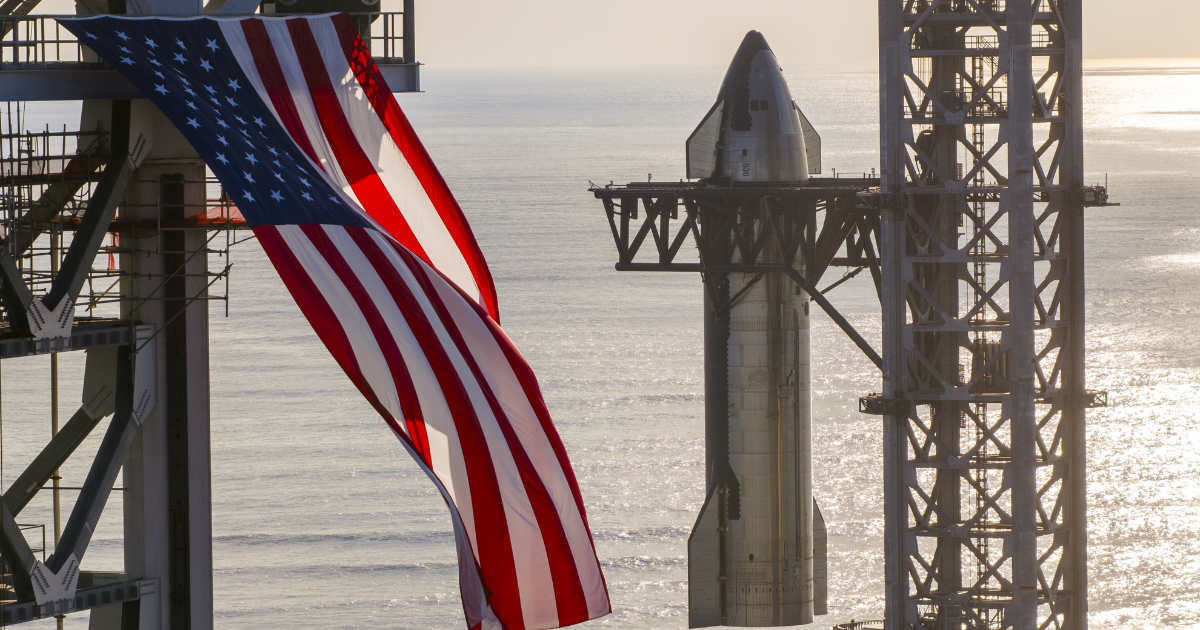
During a 2019 interview with Popular Mechanics, the SpaceX CEO had explained this in detail: “So, typically aluminum or carbon fiber, for a steady-state operating temperature, you're really limited to about 300 degrees Fahrenheit [150 degrees Celsius]. It's not that high. You can take little, brief excursions above that, maybe 350 [degrees F, or 180 degrees C]. Four-hundred [degrees F, or 200 degrees C], you're really pushing it. It weakens. And there are some carbon fibers that can take 400 degrees Fahrenheit, but then you have strength knockdowns. But steel, you can do 1,500, [or] 1,600 degrees Fahrenheit [820 to 870 degrees C].”

In addition to enduring extreme heat during reentry, Starship must also be able to endure very cold temperatures. When it comes to stainless steel, the material actually gets stronger (by approximately 50%) at the cryogenic temperatures required for its propellants—around -165°C to -200°C (-265°F to -328°F). But carbon fiber turns brittle right in the cold when the tanks need it to hold firm.
Cost is another factor to consider
Musk further explained that carbon fiber costs $135 per kilogram before you even account for waste. "We were pursuing an advanced carbon-fiber structure, but it was very slow progress, and the cost per kilogram of $135. And then there’s about a 35 percent scrap rate—you cut the fabric, and some of it you can’t use," he had said. Meanwhile, stainless steel costs about $3 per kilogram, which is a big difference when you're trying to build rockets by the dozen. Steel is heavier and roughly four times denser than composites. It also holds its strength across such a wide temperature range that SpaceX can use thinner steel than the carbon fiber equivalent would require. This closes much of that weight gap in practice.
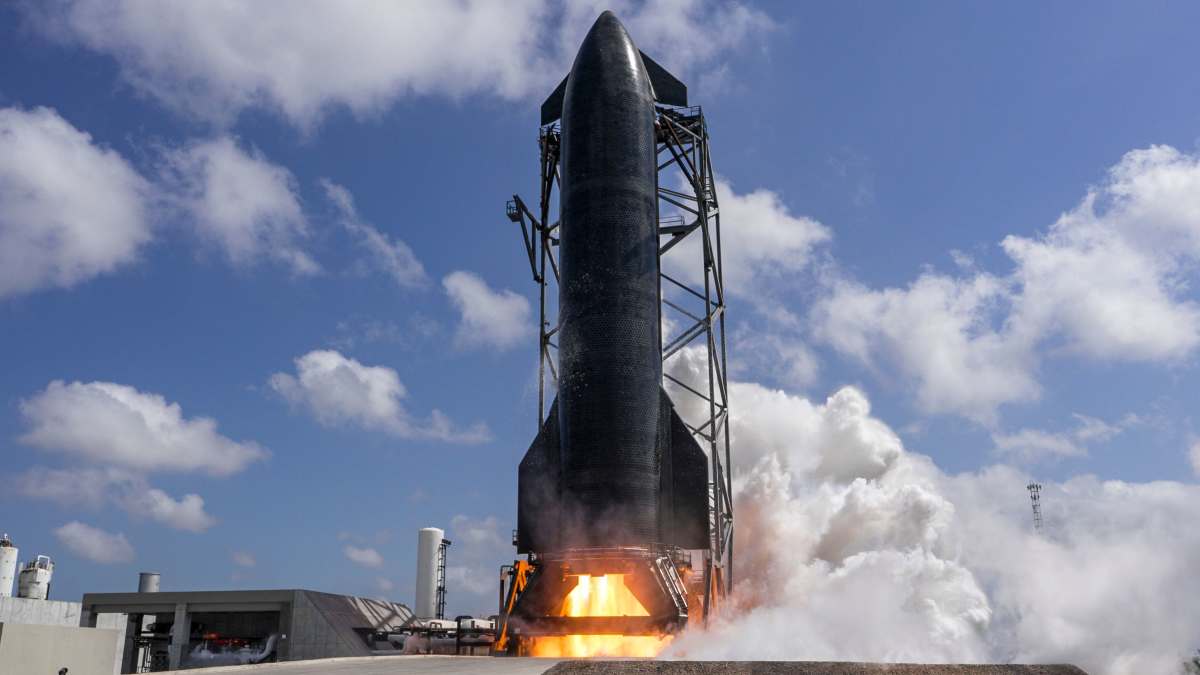
"You just need, essentially, two [stainless-steel] layers that are joined with stringers. You flow either fuel or water in between the sandwich layer, and then you have micro-perforations on the outside, very tiny perforations, and you essentially bleed water, or you could bleed fuel, through the micro-perforations on the outside," he had explained during the 2019 interview. "To the best of my knowledge, this has never been proposed before."
More on Starlust:
SpaceX will attempt to catch Starship with its tower during the next flight, says CEO Elon Musk
The milestones that turned SpaceX into a private space giant