Blue Origin unveils giant ‘Power Tower’ to generate solar energy for NASA's Moon Base
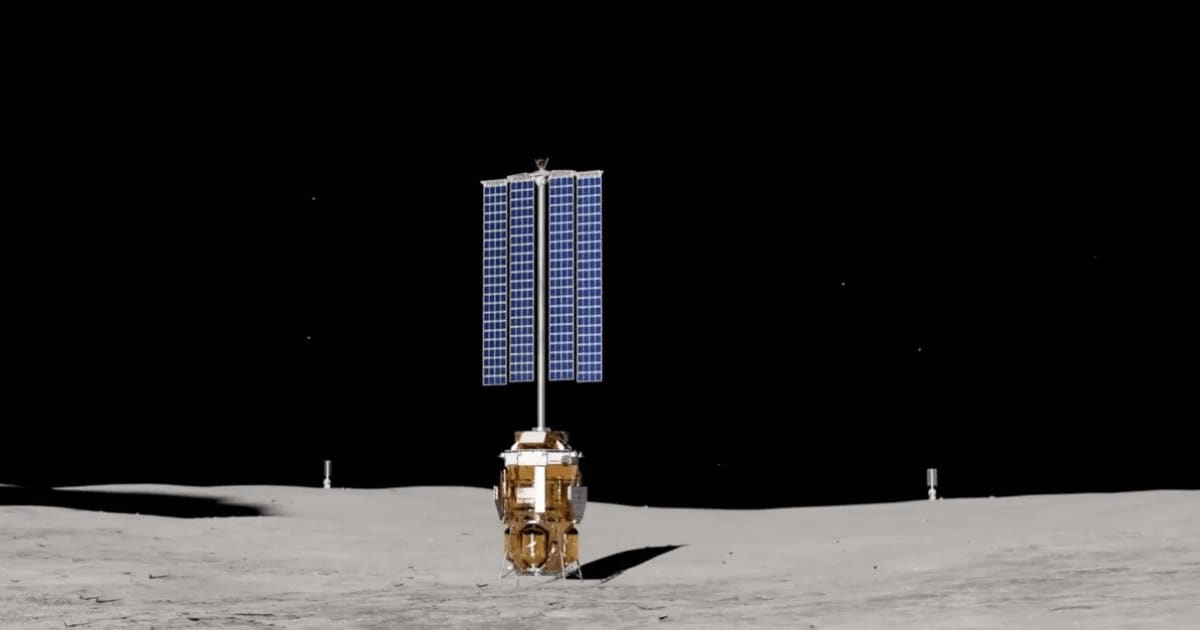
A major hurdle in establishing a sustained human presence on the Moon is the generation of reliable electricity on the lunar surface. Blue Origin's "Power Tower" intends to address this challenge. The space company recently unveiled this solar electricity system, showcasing the concept in an animation shared on X on September 25.
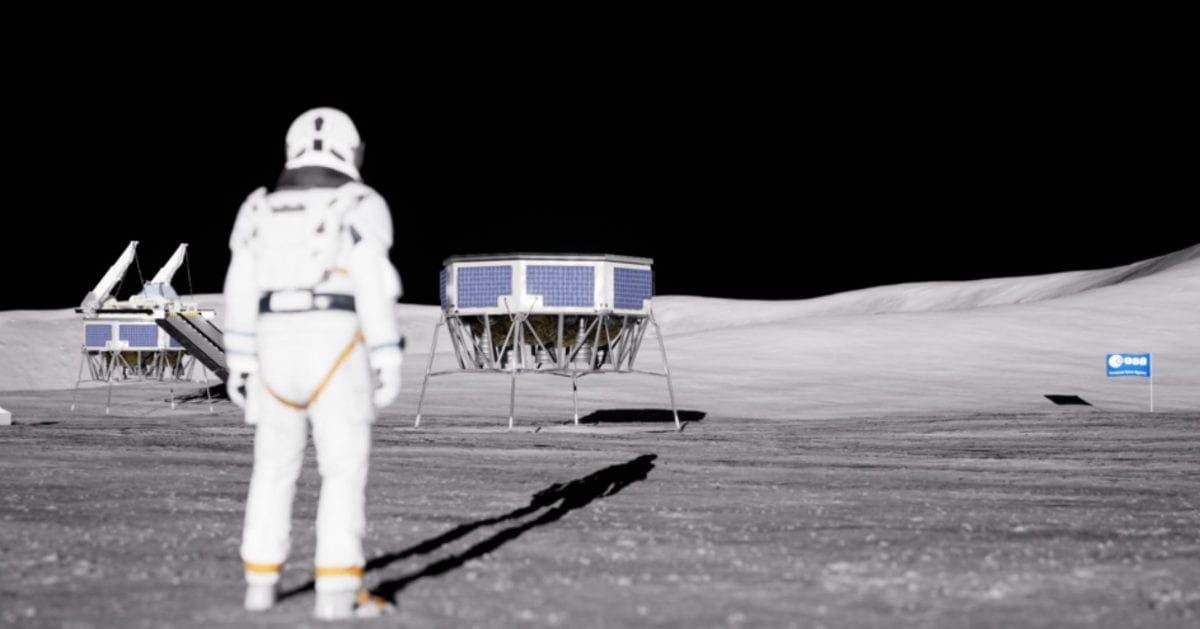
Power changes what’s possible on the lunar surface. Our Power Tower is a 20-meter-tall, vertically deployed solar array system designed to provide more than 10 kilowatts of power for Moon Base operations at the lunar South Pole. Its modular architecture will support future surface networks, extending power beyond the lander to the assets that need it most. Explore the concept in our animation below, then watch a successful real-world deployment: https://t.co/Ff5cuAWguB
— Blue Origin (@blueorigin) September 25, 2026
Power Tower is a 20-meter-tall vertically deployed solar array that can produce more than 10 kilowatts of power for future Moon Base operations at the Moon's South Pole. The company says its modular architecture could eventually enable multiple towers to form a broader power network, delivering electricity to equipment located beyond the lander, such as rovers and scientific instruments. Blue Origin also released footage of a deployment test conducted on Earth on July 22, 2026, where the solar panels are seen unfolding in a lunar analog environment.
The Power Tower concept: Why are solar towers needed on the Moon?
Obtaining continuous sunlight on the lunar surface is difficult. Particularly, the Moon's South Pole has unusual lighting conditions, with the Sun remaining low on the horizon and the mountains, crater rims, and other terrain casting long shadows. However, elevated locations in this region are illuminated by sunlight for extensive periods. This makes them valuable targets for the generation of solar power.
Continuous sunlight is scarce on the Moon unless you know where to look. 🌑 The lunar poles contain "peaks of eternal light," areas bathed in near-continuous sunlight. Power Tower mounts on Blue Moon MK1's top deck and extends solar arrays to 26 meters total height to capture that energy and deliver sustained power for Moon Base operations. Check out this video of Power Tower during a successful deployment in an analog lunar environment. The infrastructure era of lunar exploration starts now.
— Blue Origin (@blueorigin) June 22, 2026
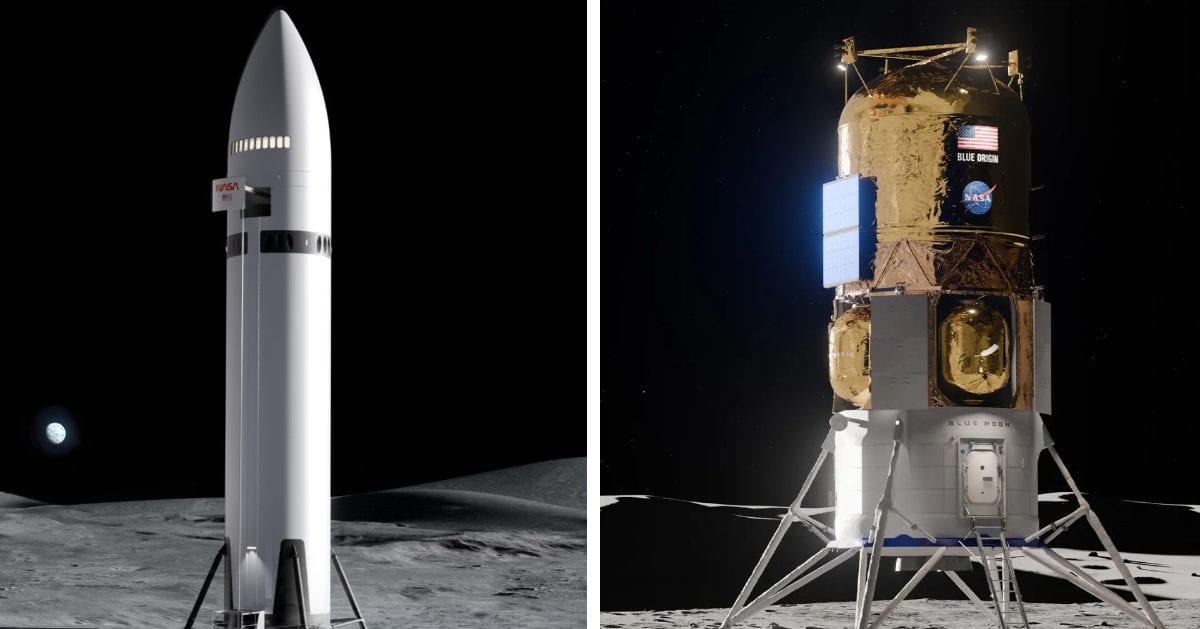
Blue Origin’s concept uses height to take advantage of these conditions. After landing, the Power Tower will deploy vertically and unfold its solar arrays to a total height of 26 meters. Therefore, the system will be able to reach sunlight that may be blocked at ground level by surrounding terrain, taking advantage of locations that receive extended or near-continuous sunlight. Blue Origin says that the tower will be delivered to the lunar surface aboard the top deck of the Blue Moon MK1 lander, which is also being developed by the company to support NASA's Moon Base ambitions.
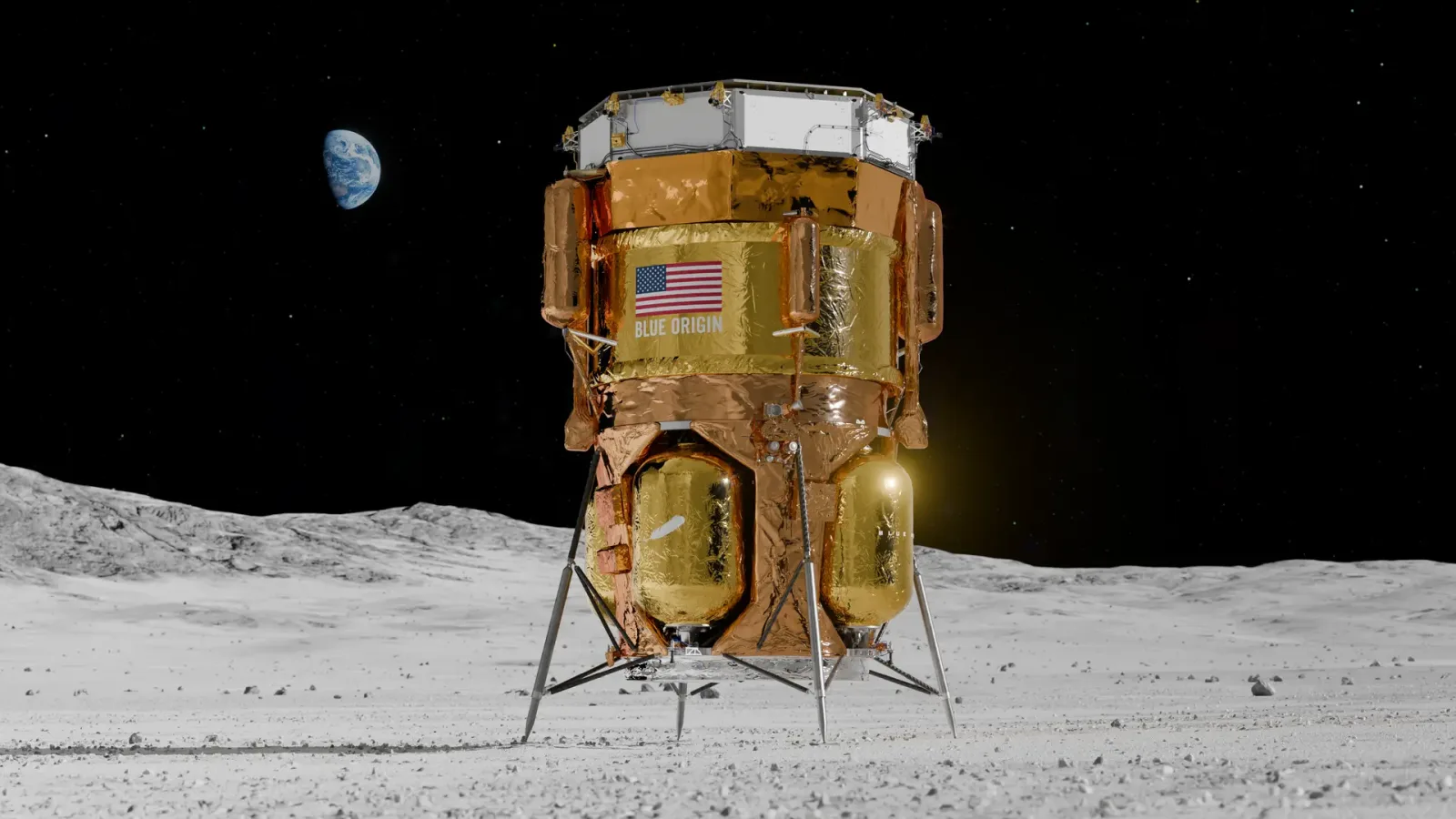
The Power Tower technology seems to build on earlier work done by Honeybee Robotics, a Blue Origin subsidiary, under NASA's broader Vertical Solar Array Technology (VSAT) program. Like the Power Tower, Honeybee Robotics' concept, called the Lunar Array Mast and Power System (LAMPS), which was tested at NASA’s Johnson Space Center in 2024, is a vertically deployable energy-harvesting solution that can produce up to 10 kW of continuous power on the lunar surface.
Honeybee Robotics successfully completed thermal vacuum testing of its Lunar Array Mast and Power System (LAMPS) for NASA's Vertical Solar Array Technology program. Read more on how LAMPS is advancing the prospect of a lunar power grid: https://t.co/kvFvvAacc6
— Honeybee Robotics, a Blue Origin Company (@HB_Robotics) September 16, 2024
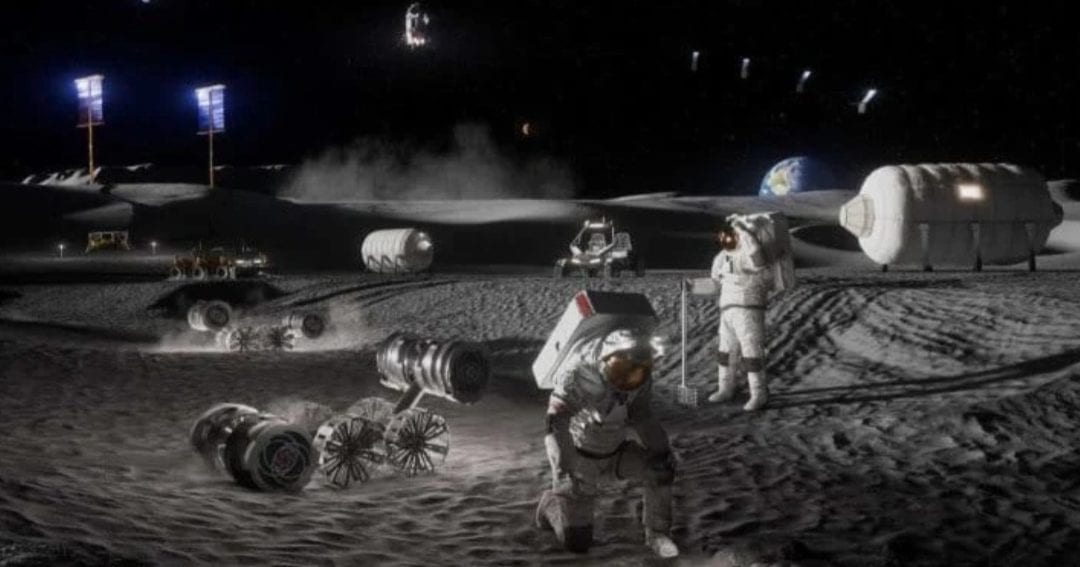
NASA is currently in the first phase of its Moon Base project. This phase includes several robotic missions that will explore the lunar South Pole, test new technologies, and identify locations for future infrastructure. If things go according to plan, this phase will also see at least two crewed landings on the Moon via the Artemis IV and V missions currently planned for 2028. Phase two, which will begin in 2029 and continue till 2032, will involve the establishment of the first infrastructure designed to support sustained operations on the Moon, while the third phase will see NASA beginning to assemble a permanent outpost.
More on Starlust
The Moon may not be able to support a city of a million people—even with a billion tons of water
Moon Base: Blue Origin reaches launch pad and lunar lander milestones