The Moon may not be able to support a city of a million people—even with a billion tons of water
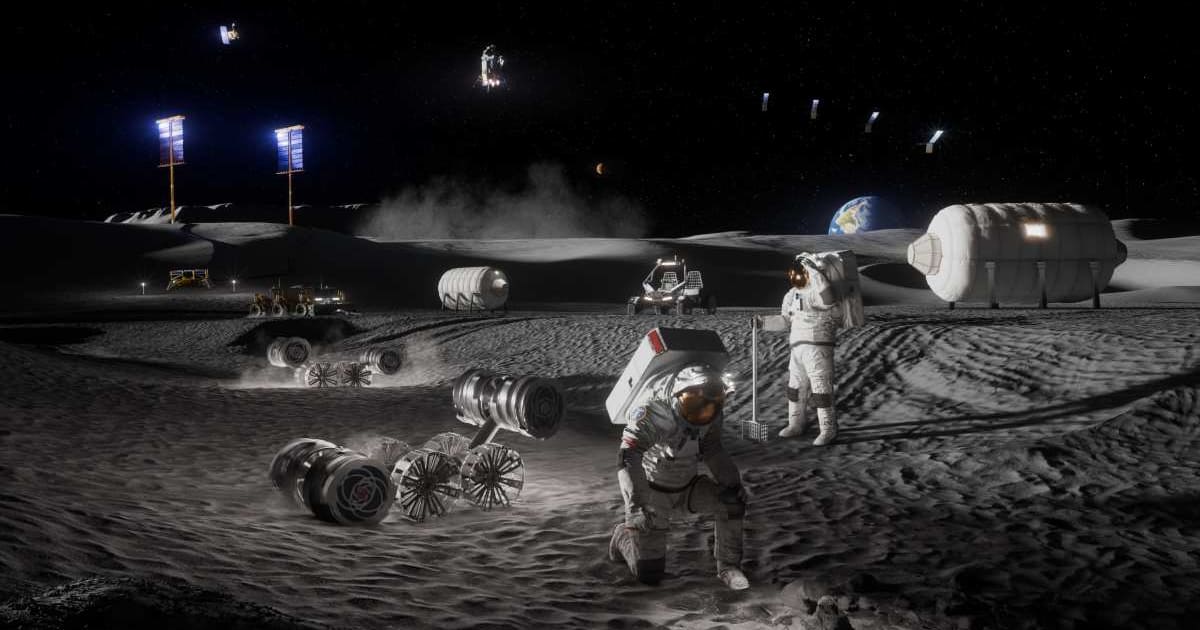
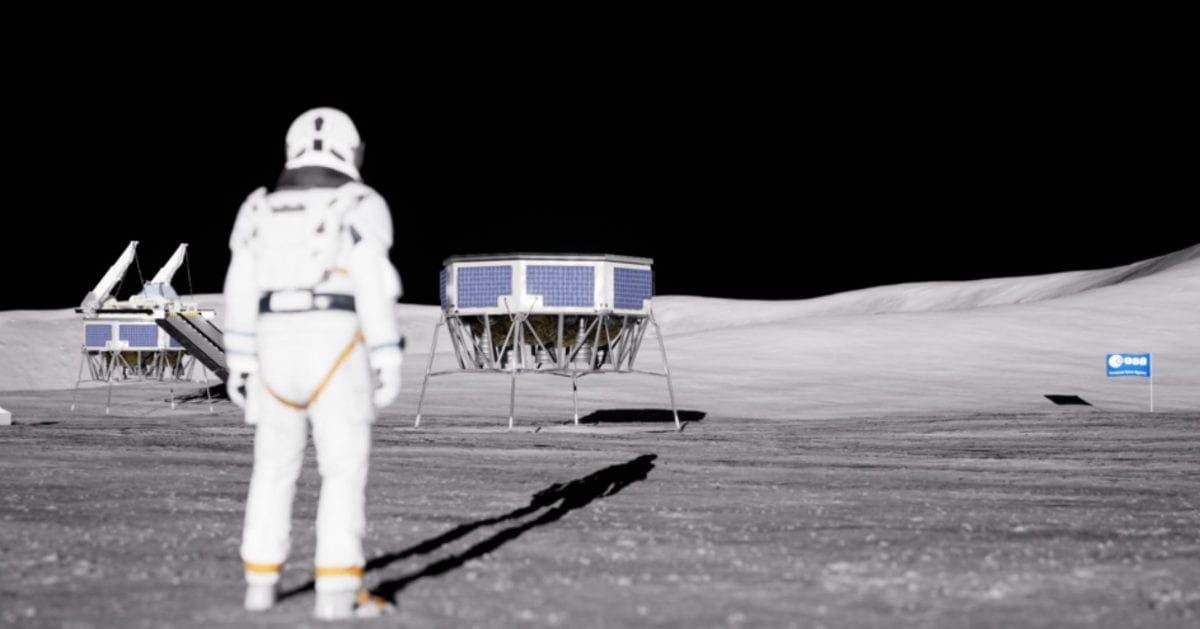
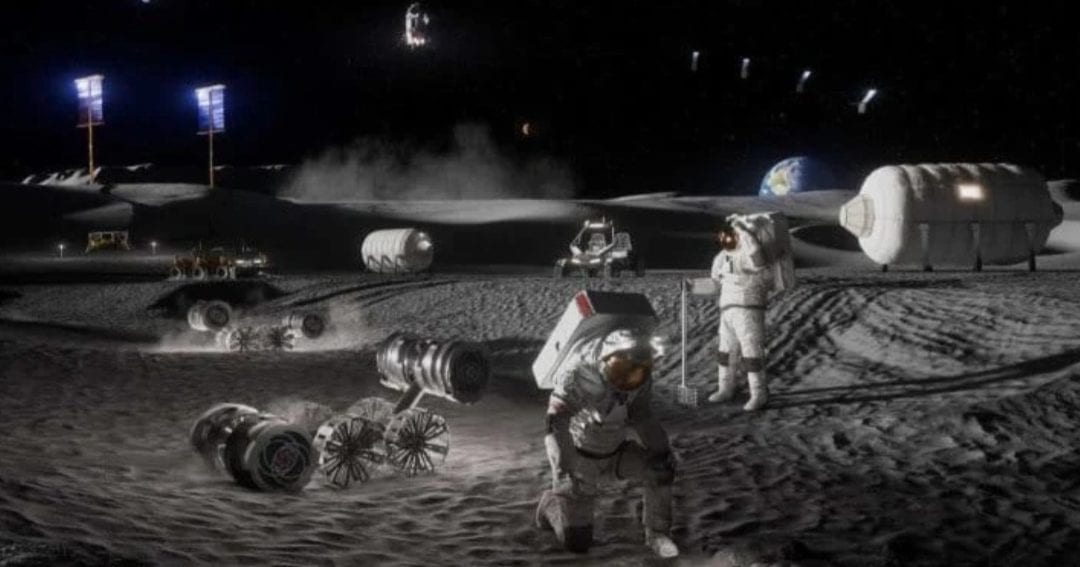
There’s a growing rush among private aerospace companies and space agencies to colonize the Moon’s poles, which are believed to be rich in water-ice deposits. While the U.S. and China are building missions to harness resources in the Moon’s South Pole for permanent lunar bases, SpaceX’s CEO Elon Musk wants to establish a self-growing city on the Moon. But a new study published in Frontiers says the Moon may not have enough water to sustain large-scale human settlement. Not for a very long time, at least.
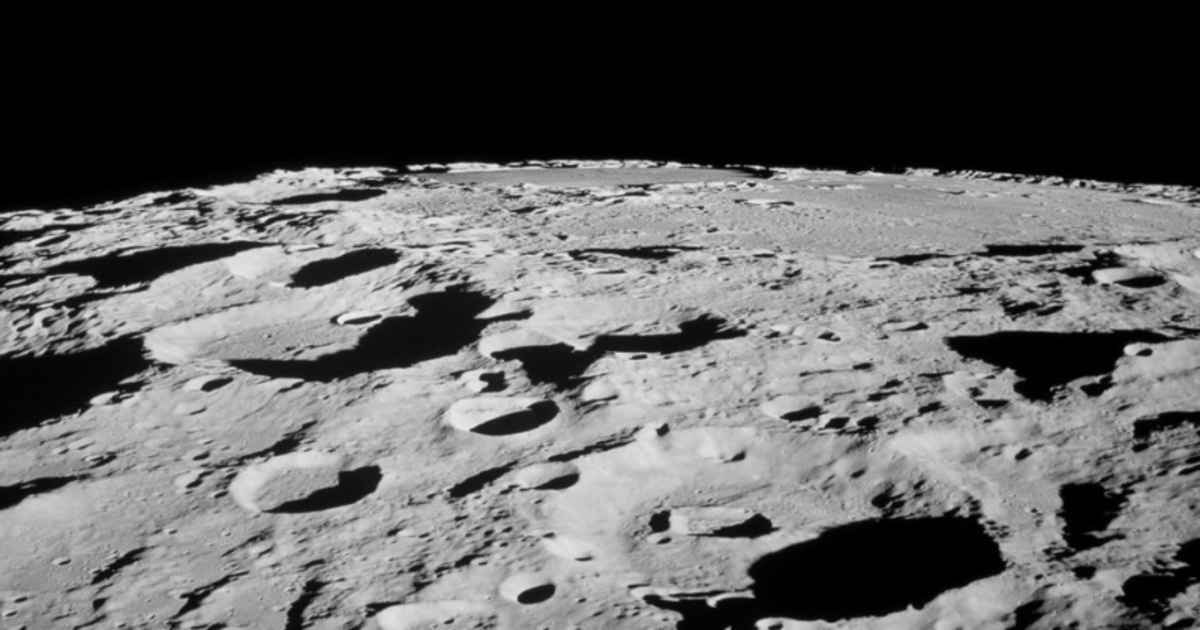
The researchers based their calculations on the generous estimate that there are a billion tons of water on the Moon. “A billion tons of water sounds like a large amount. It is one cubic kilometer. To put that volume on a familiar scale, that is enough to fill the area of Central Park in Manhattan to a depth of 120 m, 30% taller than the Statue of Liberty. It is enormously more water than was known on the Moon before 2013,” the authors wrote. They also looked at how much power a colony would require to survive. Even without nuclear reactors, they say it is possible to generate 3 gigawatts of electricity using kilometer-tall towers covered with photovoltaic arrays that would be installed at rims of craters that are almost permanently lit. So power is not really a concern.
If indeed there are a billion tons available, the researchers believe that a city of one million people will run out of water in 100 years even with 98 percent efficient recycling like on the International Space Station (ISS). If the recycling is 94 percent, the water would last just 40 years. “For such a large investment, a lifetime of about a century seems to fall short of the sustainable, long-term settlement beyond Earth that some advocate. A small city of 100,000 people will instead take 1,000 years use up all the water,” the authors further wrote, adding that “water seems to impose a limit of a few hundred thousand on the long-term lunar population.”
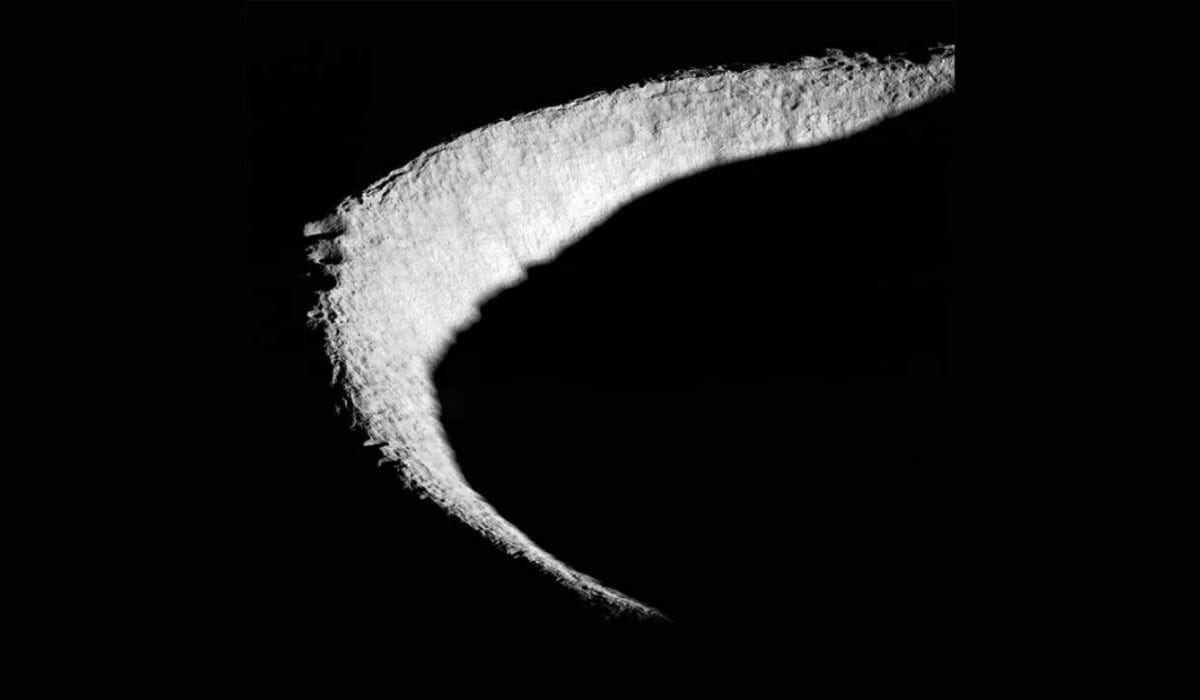
The researchers have put forth some solutions that could make a large-scale lunar colony more sustainable. These solutions include improving the efficiency of water recycling, reducing water usage, importing water from accessible asteroids, or finding more ice deposits in less explored regions. Presently, craters in the lunar South Pole are the primary target for water hunting because some of them are in perpetual darkness and haven’t received sunlight in billions of years.
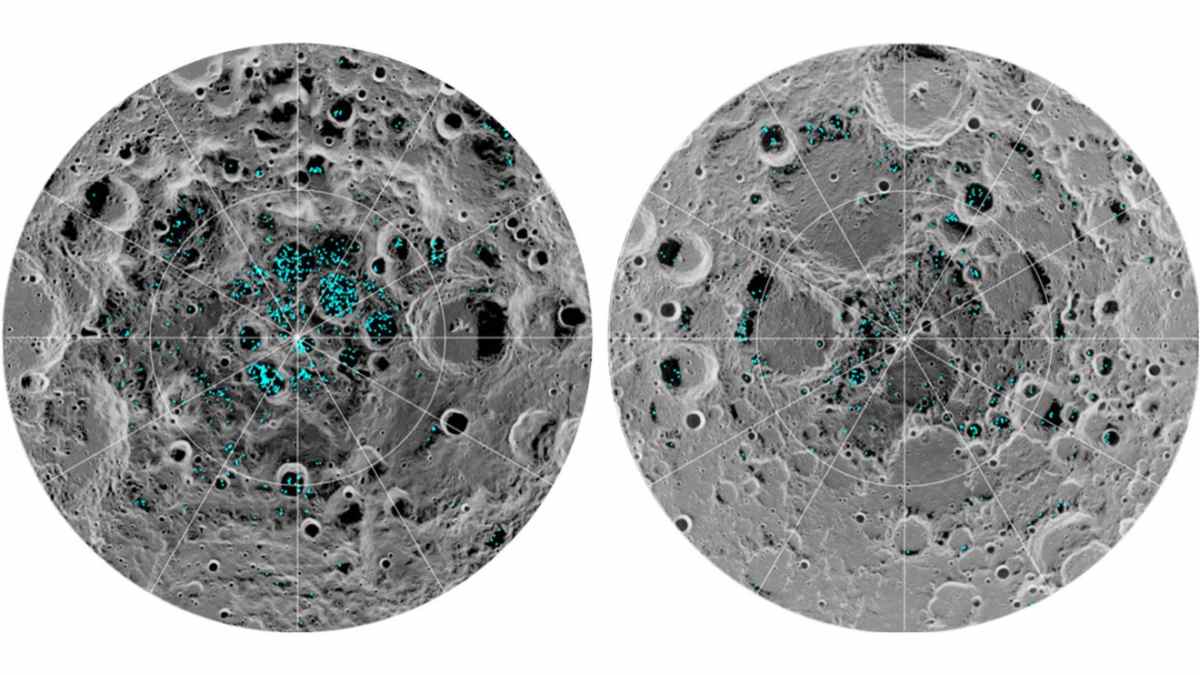
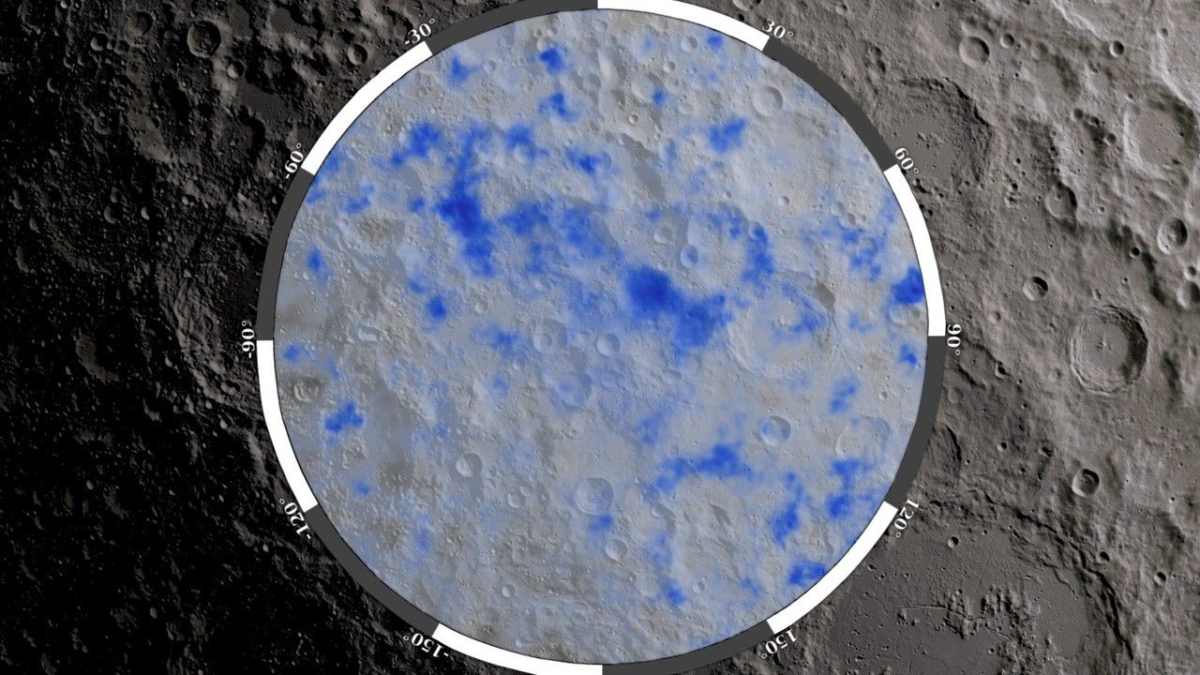
Finding more water, however, won’t be an easy task. After all, the researchers themselves concede that "a billion tons of water is over 10 times the known water content of the lunar PSRs (permanently shadowed regions)." Moreover, another study published in Science Advances in March says that water ice in the Moon’s permanently shadowed regions may be less abundant than previously thought. The study, which was based on data from NASA’s ShadowCam instrument on the Korea Pathfinder Lunar Orbiter (KPLO), could find no evidence of water-ice above 20-30% concentration by weight. However, it is worth noting that the research team could not rule out widespread low-content water-ice in PSRs and expects to find more deposits until 2028 that could increase the overall amount known to date. 2028 is also the year NASA plans to start sending astronauts to the Moon with the intention of eventually creating a permanent base there.
More on Starlust
This is what living on NASA's future moon base could actually look like
Robot dogs on the Moon? China could use them to build and guard permanent lunar bases, says report