Blue Origin CEO confirms New Glenn progress as company tests new concept of operations
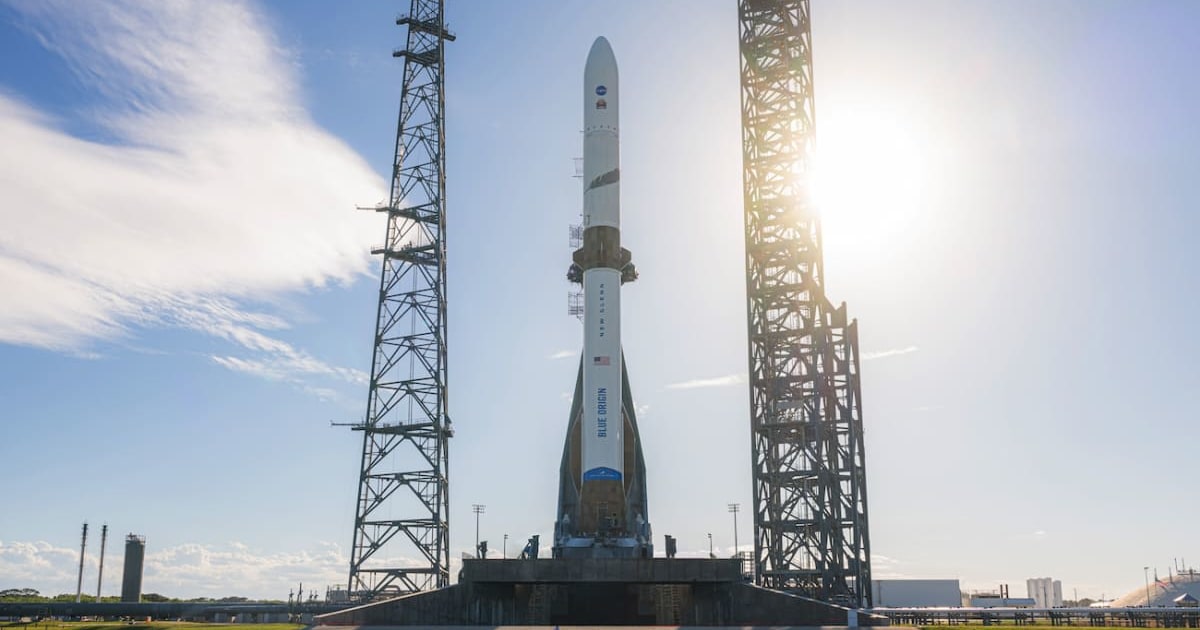
Dave Limp, the CEO of the Jeff Bezos-owned aerospace giant Blue Origin, has confirmed that the company successfully tested its latest ConOps last week. Standing for 'concept of operations,' the term describes the methodology for integrating a rocket and preparing it for flight. The tests were held at Launch Complex 11 at the Cape Canaveral Space Force Station in Florida. There, a structural simulator was assembled to test how the 88-foot-tall GS2 upper stage of the company's New Glenn rocket—along with the massive cranes that will stack it—handles the physical challenges associated with this task.
This week, our second stage and payload teams successfully ran our first vertical CONOPS test at LC-11. Using a GS2 simulator, a forward dome we built in-house, and the full-sized payload fairing, the team conducted vertical stacking lifts and matings, gathered wind-damping data… pic.twitter.com/tHftYgvsyP
— Dave Limp (@davill) August 13, 2026
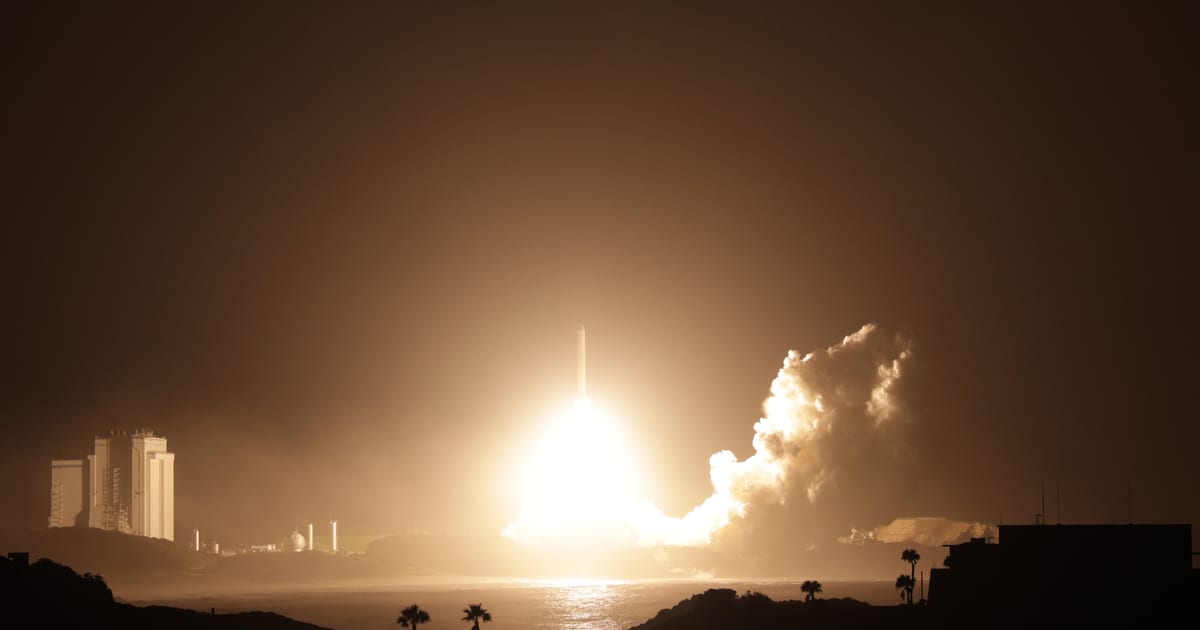
This update, shared by Limp via an X post on August 13, is of particular importance to Blue Origin's road to recovery after suffering a catastrophic explosion during a static fire test of its New Glenn rocket in May. The explosion not only resulted in the grounding of its heavy-lift rocket by the Federal Aviation Administration, but also destroyed critical infrastructure at its primary launchpad, LC-36A, at the Florida spaceport. These setbacks created significant hurdles for Blue Origin in getting its flagship rocket fully operational.

As part of the testing, an in-house-built forward dome was combined with a full-sized payload fairing and attached to the top of the GS2 simulator. The new concept of operations, proposed by the company in July, is referred to as a horizontal/vertical hybrid ConOps. It involves assembling the majority of the rocket horizontally at the Integration Facility, driving it to the launch pad, and using enormous cranes to hoist it into a vertical position. This method is expected to increase New Glenn's launch cadence, as the payload and its fairing will be the only components mated to the rocket vertically at the launch pad. While Blue Origin had already been developing this hybrid crane method for its future, larger 9x4 New Glenn variant, the company decided to implement it early for LC-36A after the pad's massive transporter-erector was destroyed in the May explosion.
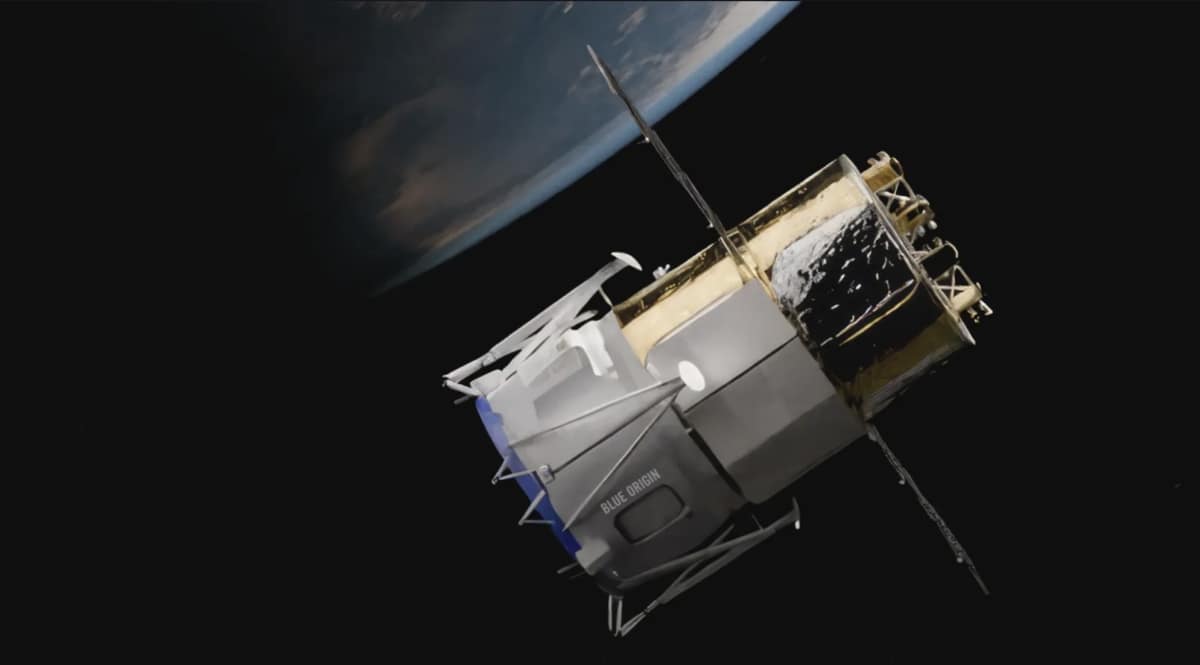
The recent tests at LC-11 provided Blue Origin engineers with crucial data on how the massive structures handled wind-damping effects, and how seamlessly the mating joints guided the hardware into place during the crane lifts. Limp had previously announced that LC-36A was being rebuilt specifically to accommodate this new ConOps, rather than reverting to its original design. Reiterating Blue Origin's commitment to get the partially reusable rocket back into flight, Limp stated, "The ingenuity it took to stand up this test quickly is exactly what gets us to flight soonest." The company is currently in a race to achieve orbital flight, as it needs New Glenn—with its massive 7-meter fairing—to launch a prototype Blue Moon lunar lander into Earth orbit next year for NASA's Artemis III mission.
More on Starlust:
Artemis III: Blue Origin's test lander can launch on another rocket if New Glenn isn't ready on time
Blue Origin’s CEO reveals what went wrong during hotfire test that caused New Glenn explosion in May