Scientists scan interstellar comet 3I/ATLAS for alien signals again, confirm it's not a spacecraft
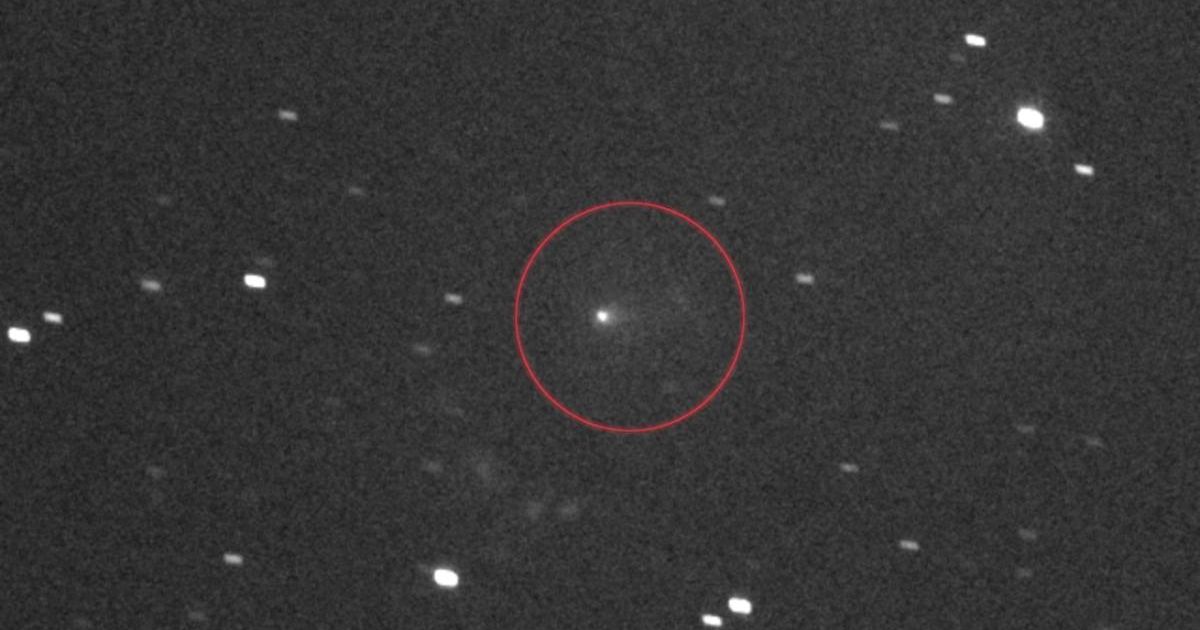
Interstellar comet 3I/ATLAS was first spotted in our solar system in July 2025. Since its arrival, scientists have been confident it is a natural comet, but its rare interstellar origin made it an ideal target to scan for signs of extraterrestrial technology, especially amid some claims that it could be an alien probe. To investigate further, researchers studied the comet for more than seven hours, hunting for "narrowband" radio signals—narrow-frequency transmissions that no known natural process in space can produce on its own. These signals, if found, would have been considered technosignatures. However, no such signals were found this lack of evidence simply served to reinforce what scientists already knew: that 3I/ATLAS is a natural object. Despite the study yielding no evidence of technosignatures, the researchers involved say the analysis is still highly useful.
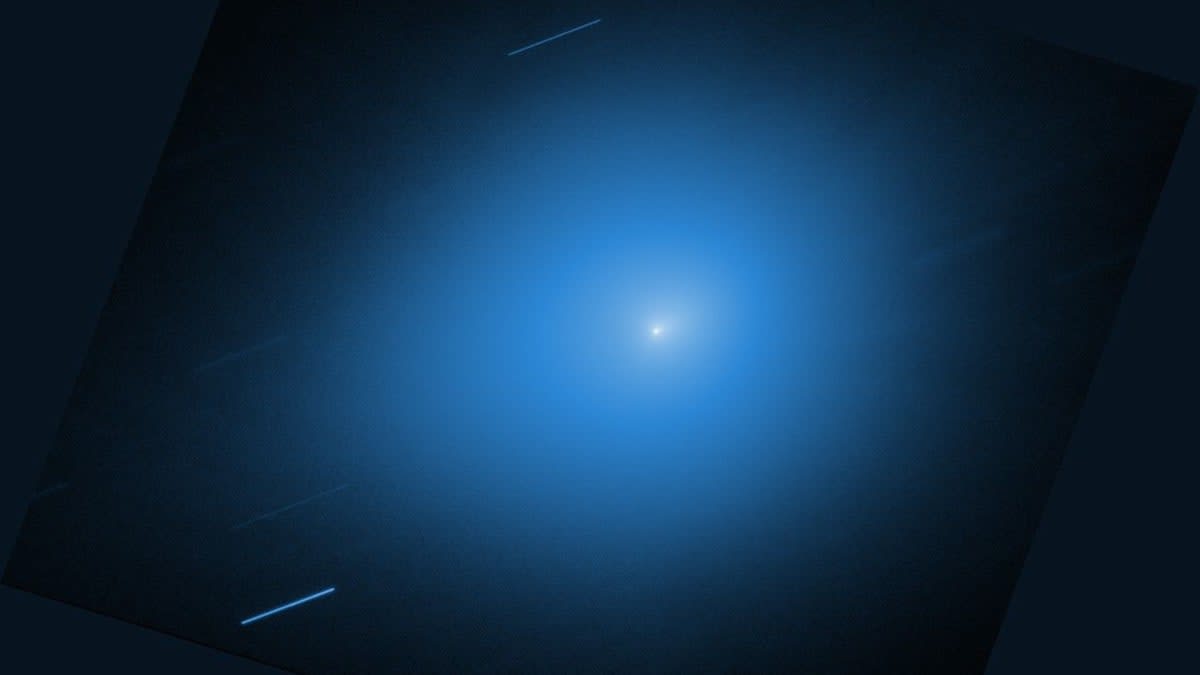
During their seven-hour observation, the telescope picked up nearly 74 million signals. Out of all the data, the majority were disqualified because they originated from human technology on Earth or from satellites orbiting our planet. Other signals, meanwhile, were filtered out because they didn't match 3I/ATLAS's trajectory and Doppler drift. After this, the researchers were left with about 200 signals that needed a closer look, but those 200 were then traced back to Earth-based sources as well, leaving nothing that pointed to 3I/ATLAS. An earlier analysis from 2025 had also found no artificial signals from 3I/ATLAS.
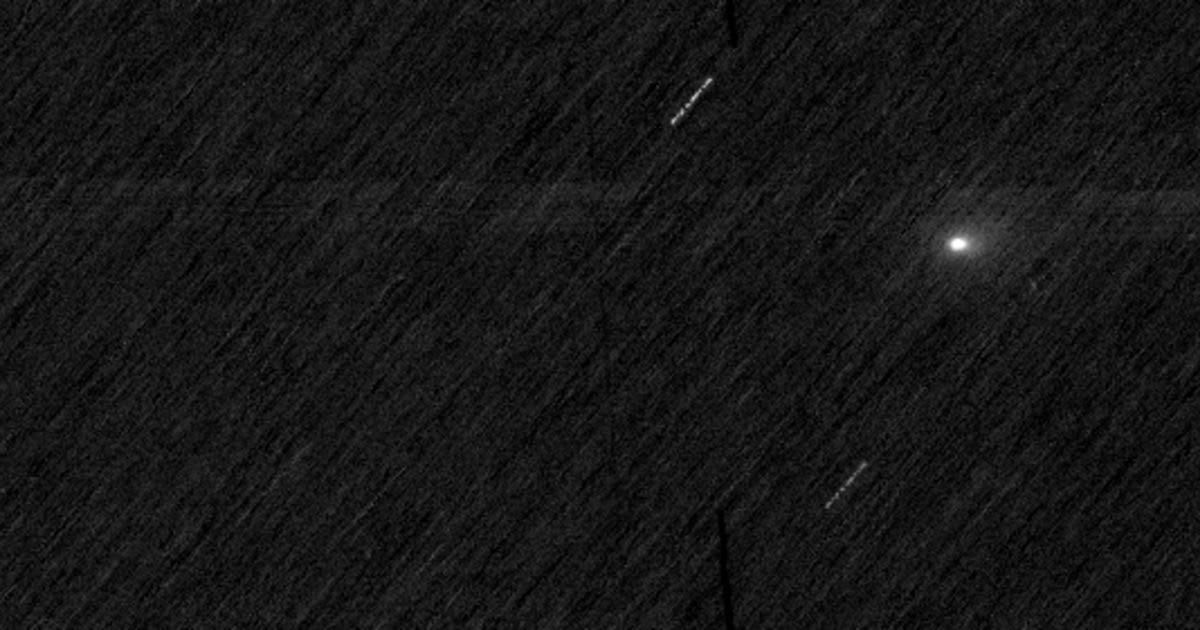
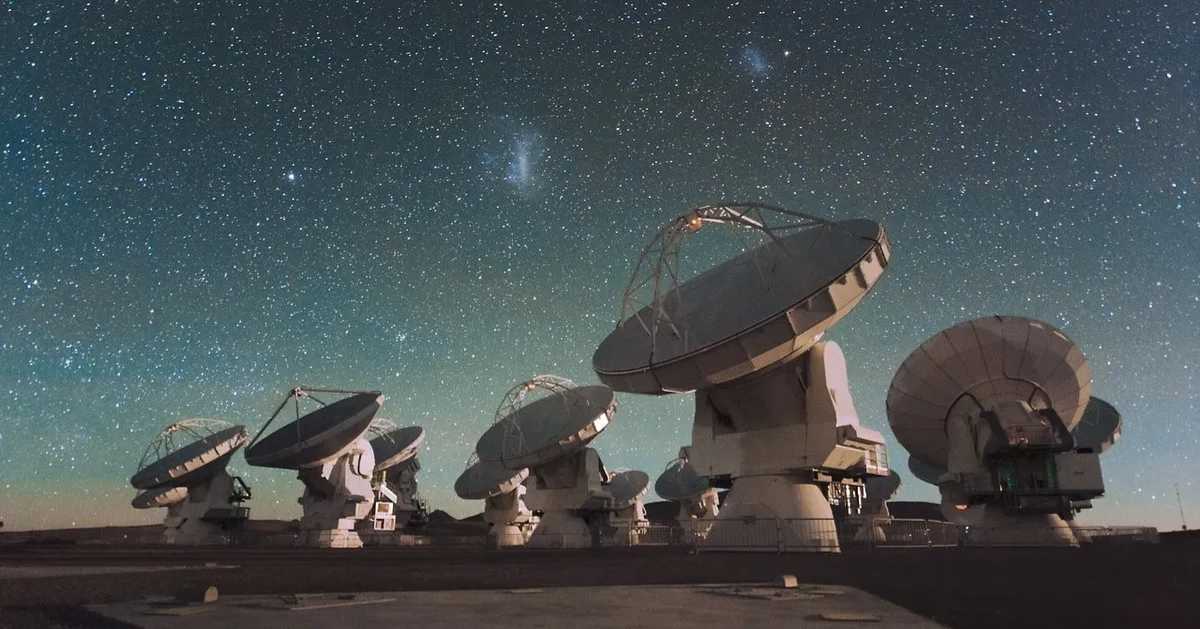
Study co-author Valeria Garcia Lopez of Furman University in South Carolina explained in the official press release: "The results from 3I/ATLAS show how realistic it is to detect a signal with the technology we have today. That is why it is important to keep searching for technosignatures, even from objects we might not expect to have signals." The search was led by Sofia Sheikh at the SETI (Search for Extraterrestrial Intelligence) Institute. Her team used the Allen Telescope Array, a network of radio dishes at the Hat Creek Radio Observatory in Northern California, to listen to 3I/ATLAS for over seven hours. The detailed findings of the study was published in The Astronomical Journal on June 3, 2026.

3I/ATLAS is only the third object ever confirmed to have entered our solar system from interstellar space, meaning it originated in another star system entirely. The first such observed object was 1I/'Oumuamua, spotted in 2017. It behaved oddly enough that some researchers, including prominent Harvard astronomer Avi Loeb, suggested 'Oumuamua might not be a natural object at all. Notably, Loeb also made similar claims about 3I/ATLAS, sparking massive public interest and speculation. The second was 2I/Borisov in 2019. Commenting on the study, lead author Sofia Sheikh said, "Eventually, our own Voyager spacecraft will be extraterrestrial artifacts in other stellar systems. Given that, it is important that we understand the natural distribution of interstellar objects so that we will be able to identify any anomalies that could one day be signs of an artificial interstellar object." The seven-hour observation covered a narrow window of the comet's journey, and the study itself notes the search was limited to radio frequencies between 1 and 9 gigahertz.
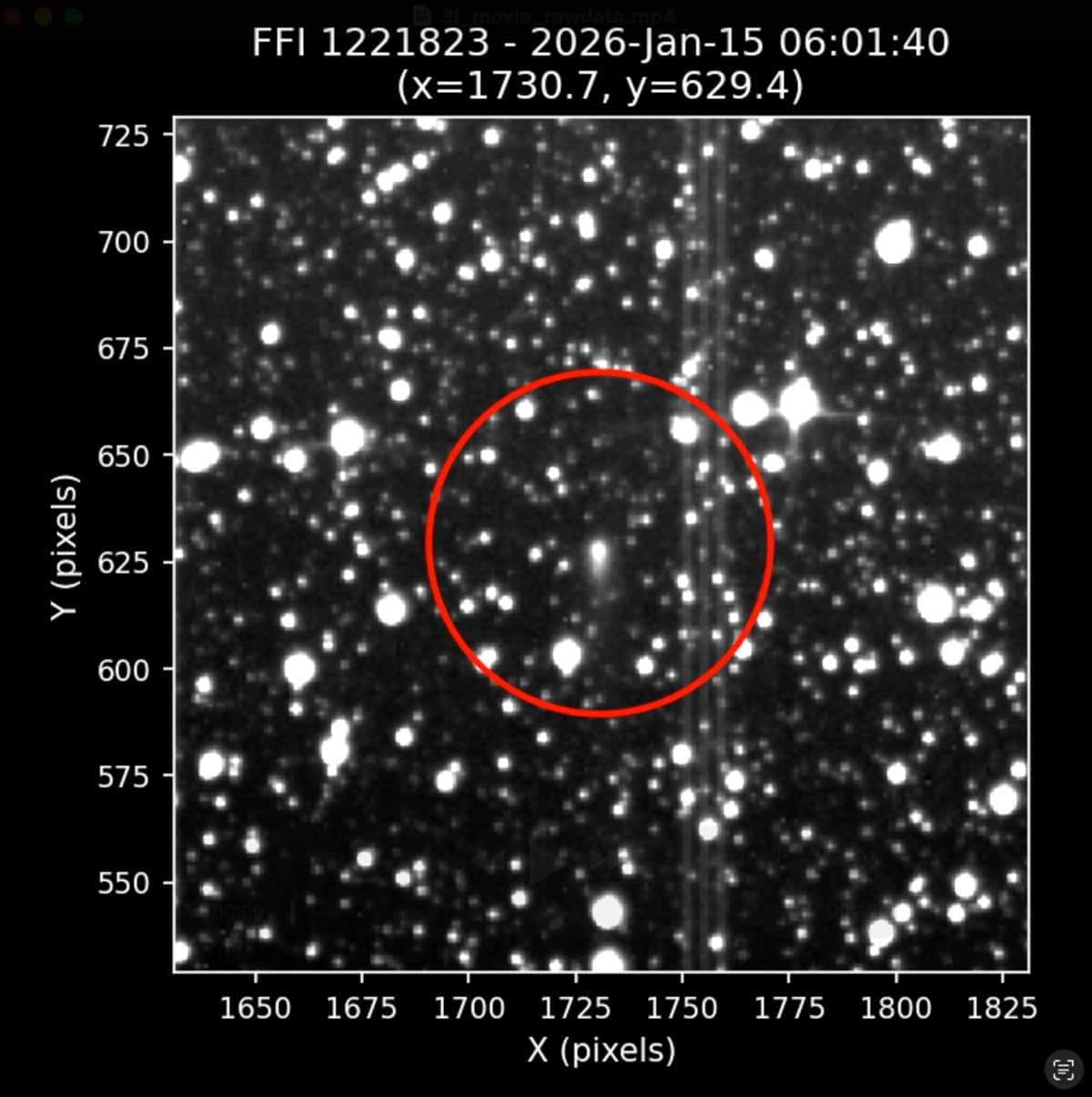
3I/ATLAS has already passed its closest point to Earth and is now heading back out of the solar system. This search proves that our current technology is sensitive enough to catch a signal from an interstellar object if one were transmitting. The official press release states that "As more interstellar objects are discovered, each offers a new opportunity to probe the cosmos for technosignatures, advancing our understanding of both natural and possible technological phenomena beyond our Solar System."
More on Starlust:
3I/ATLAS isn't just older than our solar system—it may be almost as old as the universe itself
Could we possibly catch up with 3I/ATLAS? A daring new plan says 'yes'