Jupiter's gravity may have directed ingredients needed for life towards Earth
Scientists at Rice University in Houston, Texas, with support from NASA, have deduced a new mechanism through which some of the elements necessary for the emergence of life on Earth may have arrived here. Published recently in the journal Science Advances, the study reconstructs the distribution of phosphorus and nitrogen across the solar system, which are two vital elements required for the evolution of life as we know it. The models employed by the researchers also show how the formation of Jupiter played a key role in helping create conditions that would eventually foster life.
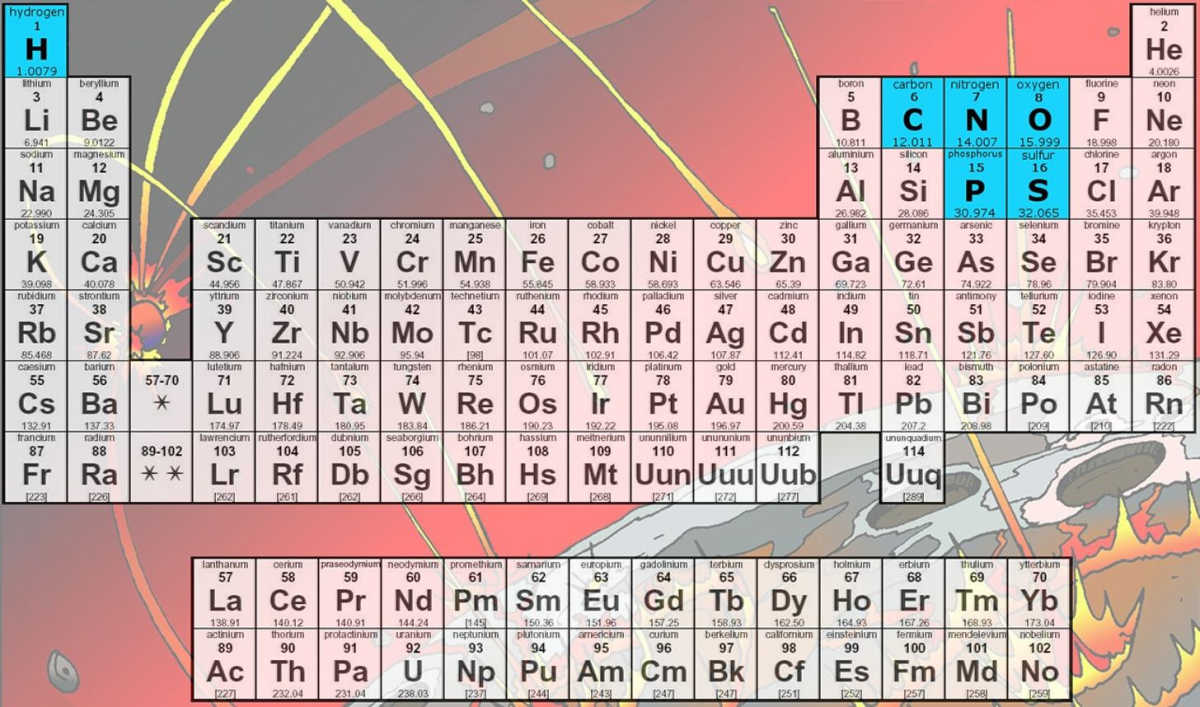
Scientists explain that for a rocky planet to be habitable, there is a dependency on the presence of elements such as carbon, hydrogen, nitrogen, oxygen, phosphorus, and sulfur (CHNOPS). These elements are known as life-essential elements (LEEs). Of these, scientists specifically observed the ratio of phosphorus to nitrogen (P/N ratio). Because nitrogen is chemically more volatile—meaning its abundance fluctuates much more easily under varying conditions compared to the hardier, less volatile phosphorus—scientists used this P/N ratio as a geochemical fingerprint to map where the ingredients of life on Earth came from.
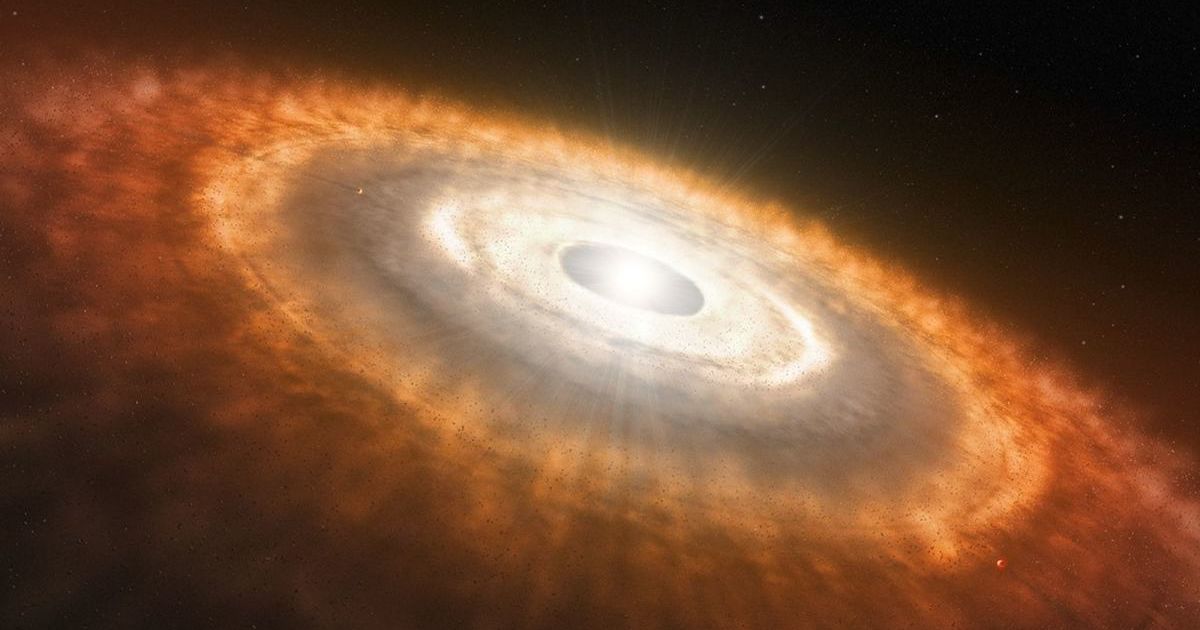
The study describes a time when the solar system was composed largely of gas and dust, revolving around the Sun in the form of an accretion disk. Because this disk was not uniform in its composition, within a million years of its formation, the matter in it coalesced via gravity to form primitive masses called planetesimals. These early bodies underwent intense heating and melted, allowing heavier metals to sink and form dense cores. It is from the shattered remains of these specific cores that iron meteorites originate, giving their parent structures the designation of iron meteorite parent bodies (IMPBs). The understanding is that the P/N ratio was higher in IMPBs that were orbiting the Sun further out, while those forming closer to the Sun had lower ratios. This spatial difference was driven by the localized chemical environments of the early solar nebula.
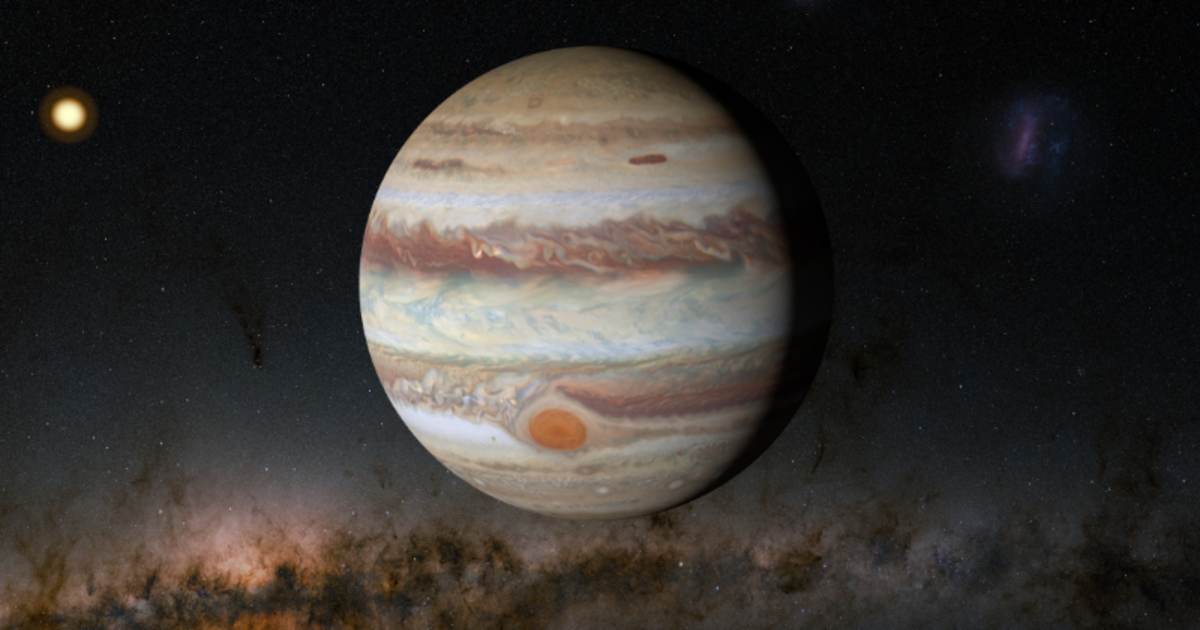
Later, the remaining matter in the solar nebula eventually came together and resulted in the formation of a new generation of bodies some 2 to 3 million years later. These types of planetesimals are the parent bodies of chondrites (primitive, undifferentiated meteorites). When they came about, geochemical accretion modeling displayed an opposite trend in these newer bodies, with those in the inner solar system possessing higher P/N ratios. When Jupiter grew into existence, its large mass acted as a gravitational barrier, restricting the movement of dust and pebbles between the outer and inner regions. This meant that the inner solar system was left isolated with planetesimals that retained higher P/N ratios. To this day, we are still learning much about this process, with many iron-rich meteorites found on Earth and chondrites still arriving as meteorites.

That said, scientists have now established that the P/N signature of our planet today is reflected by the IMPBs and chondrites of the inner solar system. This strongly implies Earth gathered its vital ingredients locally, rather than relying on deep-space deliveries. As for Jupiter's role in this process, several other studies have attributed other mechanisms that shaped the solar system as we know it. "For our own solar system, Jupiter's presence and growth history, indeed, seem to have played a critical role in determining the distribution of the basic chemical ingredients necessary for habitable worlds," stated Rajdeep Dasgupta, senior author of the research paper.
More on Starlust
Our solar system may have looked very different had it not been for a third ice giant, study finds
Which celestial bodies in our solar system stand out as the strongest candidates to harbor life?