Astronomers find potential 'Avatar' planet just 4.3 light-years away using Webb Telescope
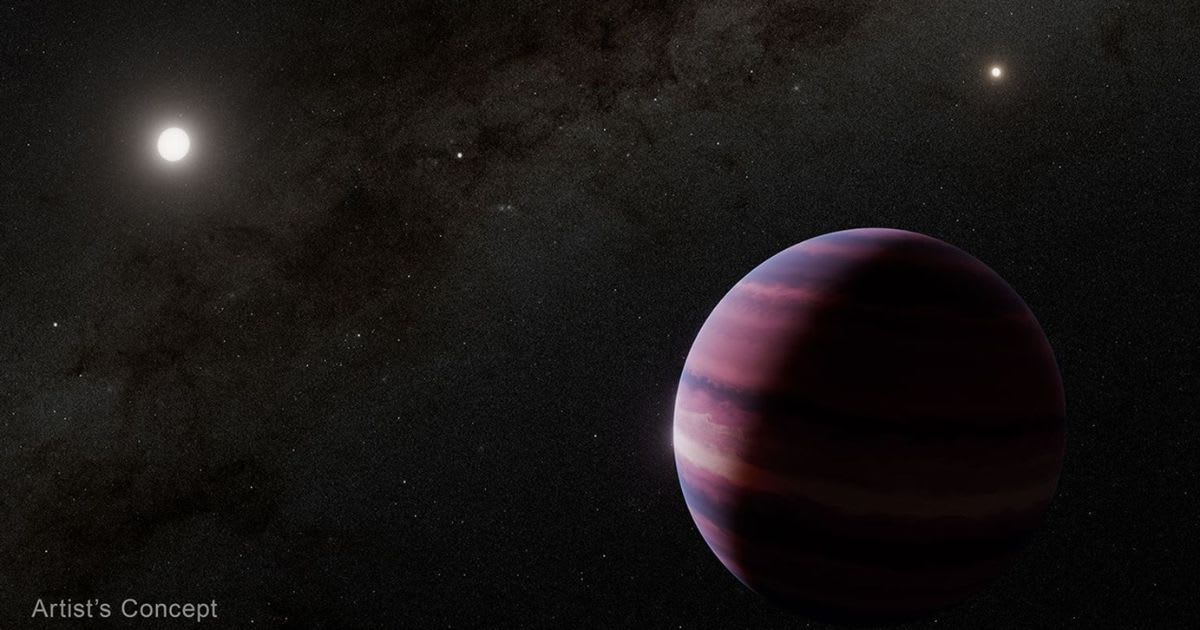
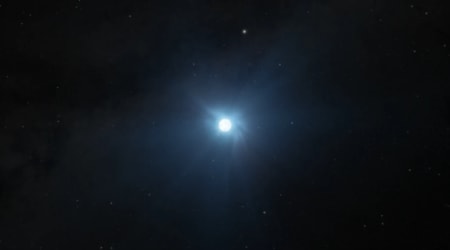
A fixture of science fiction and the setting for the popular "Avatar" movies, a real-life "Pandora" may exist in the star system closest to our own. Astronomers using the James Webb Space Telescope have found compelling evidence of a giant planet orbiting Alpha Centauri A, a star that's just 4.3 light-years away and a near-twin of our Sun, as per NPR Illinois.
We give this system 3 stars! ⭐⭐⭐
— NASA Webb Telescope (@NASAWebb) August 7, 2025
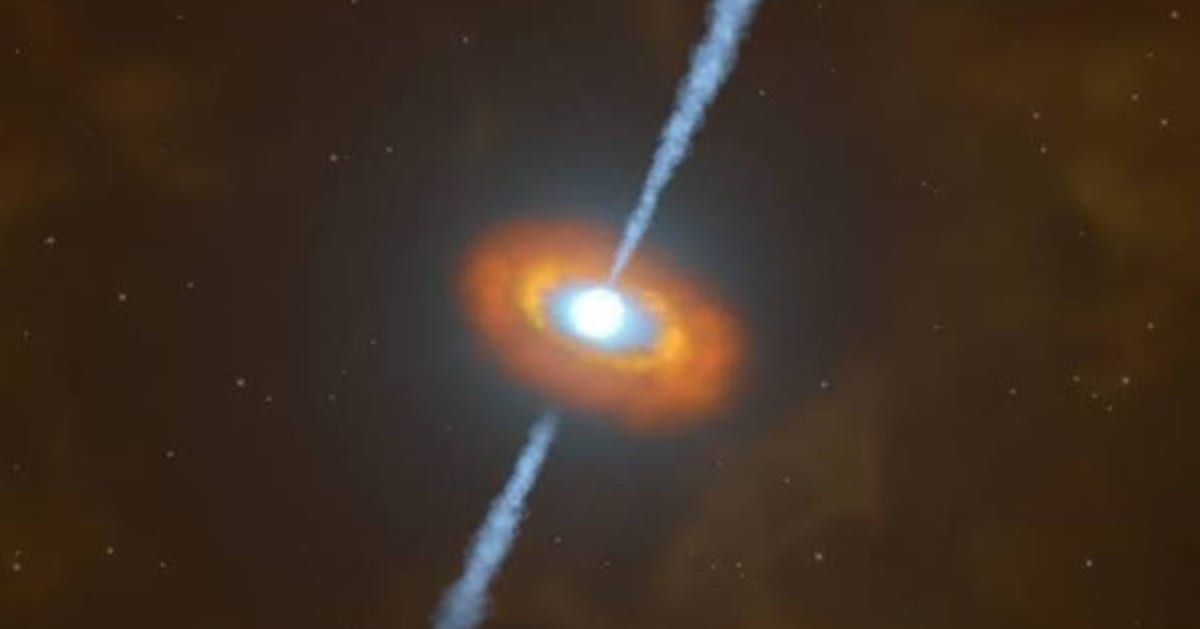
Webb revealed strong evidence of a giant gas planet orbiting one of the three stars (as shown in this artist illustration) in the Alpha Centauri system, located four light years away. https://t.co/yVbyauT3nJ pic.twitter.com/tFpacJMpLc
The discovery, detailed in a series of new papers accepted by the Astrophysical Journal Letters, marks the strongest evidence yet for a planet in the Alpha Centauri system. While the "Avatar" movies depict Pandora as a moon of a Jupiter-like planet, the newly discovered candidate is a gas giant itself, according to NASA. Scientists caution that while it may reside in the star's habitable zone, it is unlikely to support life as we know it. This is due to freezing temperatures at the borders of its habitable zone, along with a dearth of data on its climate. “With this system being so close to us, any exoplanets found would offer our best opportunity to collect data on planetary systems other than our own," stated Charles Beichman of NASA’s Jet Propulsion Laboratory.
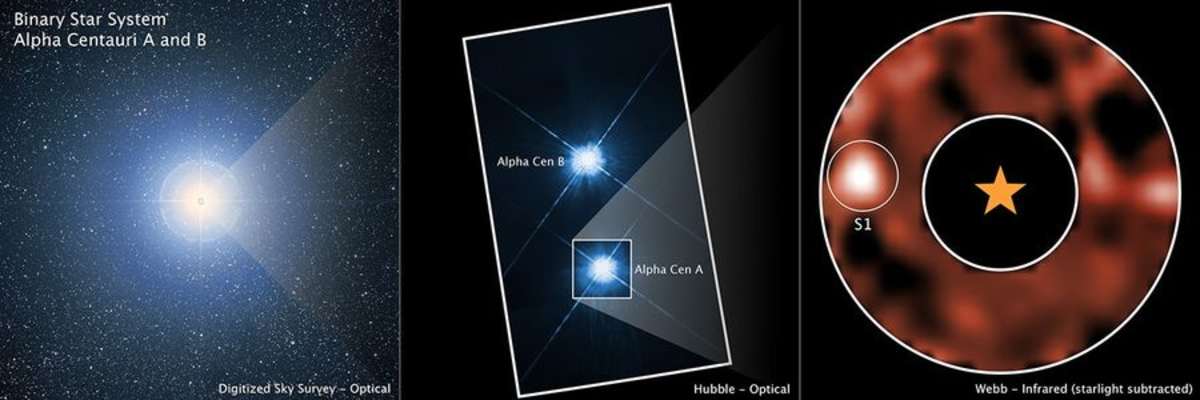
This would be the closest exoplanet to Earth found to orbit a Sun-like star. The Alpha Centauri system is a triple-star system, consisting of Alpha Centauri A and B (both Sun-like) and the red dwarf Proxima Centauri, which is already known to host three planets. However, planets around the brighter Alpha Centauri A and B have been notoriously difficult to confirm due to the gravitational pull exerted on their host stars. The discovery wasn't straightforward since they had to circumvent the blinding light emitted by the star, preventing any clear data gathering. Using Webb's Mid-Infrared Instrument (MIRI), researchers were able to block out the overwhelming light from Alpha Centauri A and its companion star, Alpha Centauri B. This revealed a faint object roughly 10,000 times dimmer than Alpha Centauri A itself. This initial detection took place in August 2024.
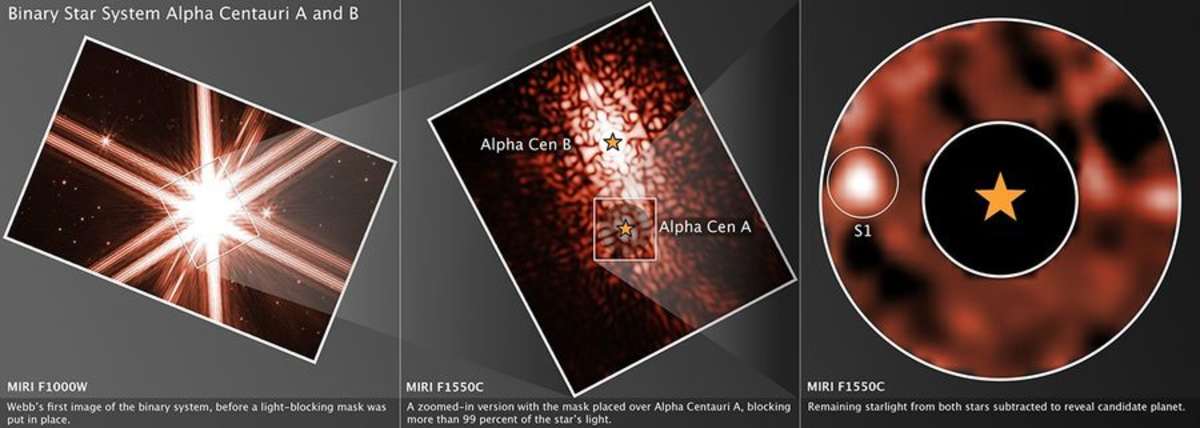
However, subsequent observations in February and April 2025 failed to spot the object. This "disappearing planet" led the team to create computer simulations modeling millions of possible orbits. Aniket Sanghi, a PhD student at Caltech and a co-author on the papers, noted, “We are faced with the case of a disappearing planet!" He added that in half of the possible orbits simulated, the planet moved too close to the star and wouldn't have been visible to Webb during those later observations.
Based on the data and simulations, the planet is believed to be a gas giant with a mass similar to Saturn, following an elliptical path around its star. Its radius mirrors that of Jupiter, too. If confirmed, its existence would challenge current theories of how planets form and survive in such a chaotic stellar environment.
"If confirmed, the potential planet seen in the Webb image of Alpha Centauri A would mark a new milestone for exoplanet imaging efforts," Sanghi says. "This would be the closest to its star seen so far. It's also the most similar in temperature and age to the giant planets in our solar system, and nearest to our home, Earth."
He further notes, "Its very existence in a system of two closely separated stars would challenge our understanding of how planets form, survive, and evolve in chaotic environments." Future observations from telescopes like NASA's upcoming Roman Space Telescope would provide additional data on the planet's size and reflectivity, helping transform the understanding of planetary systems beyond our own.