Scientists listened to the Sun's 'biorhythm' and made a previously unknown discovery
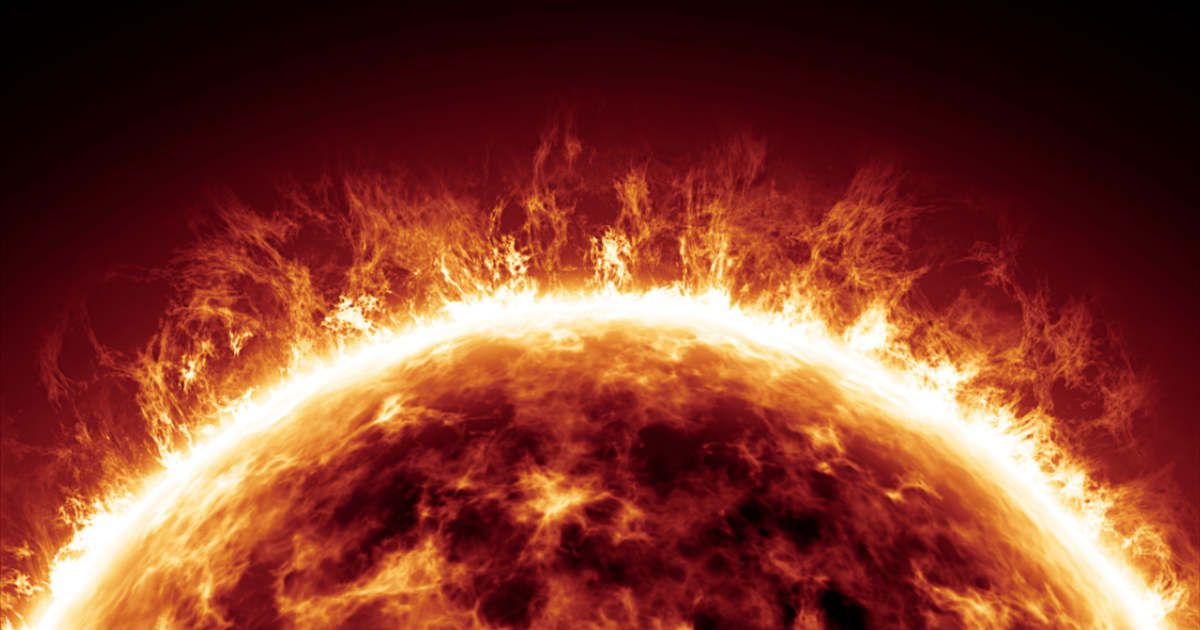
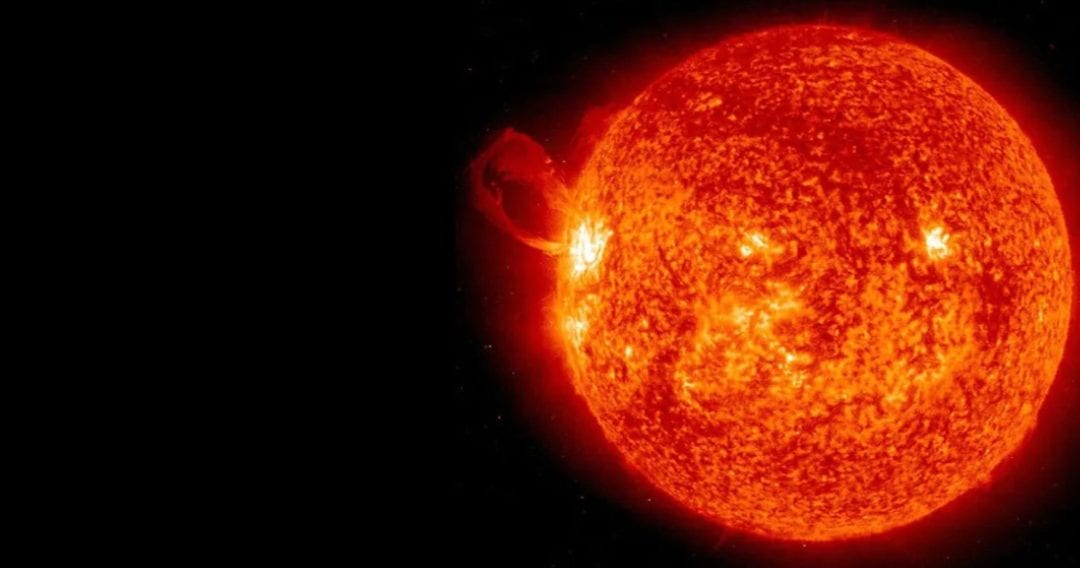
For decades, astronomers watched the blazing Sun, monitoring its spots, flares and the spectacular auroras that they trigger on Earth. Now, an international team of researchers has peered into our star’s interior and observed its internal biorhythm, reporting that the Sun's behavior has changed over the past four decades. The findings, published in the Monthly Notices of the Royal Astronomical Society, are significant since changes in the Sun’s interior conditions are directly linked to the severity of disruptive space weather that we experience on Earth.
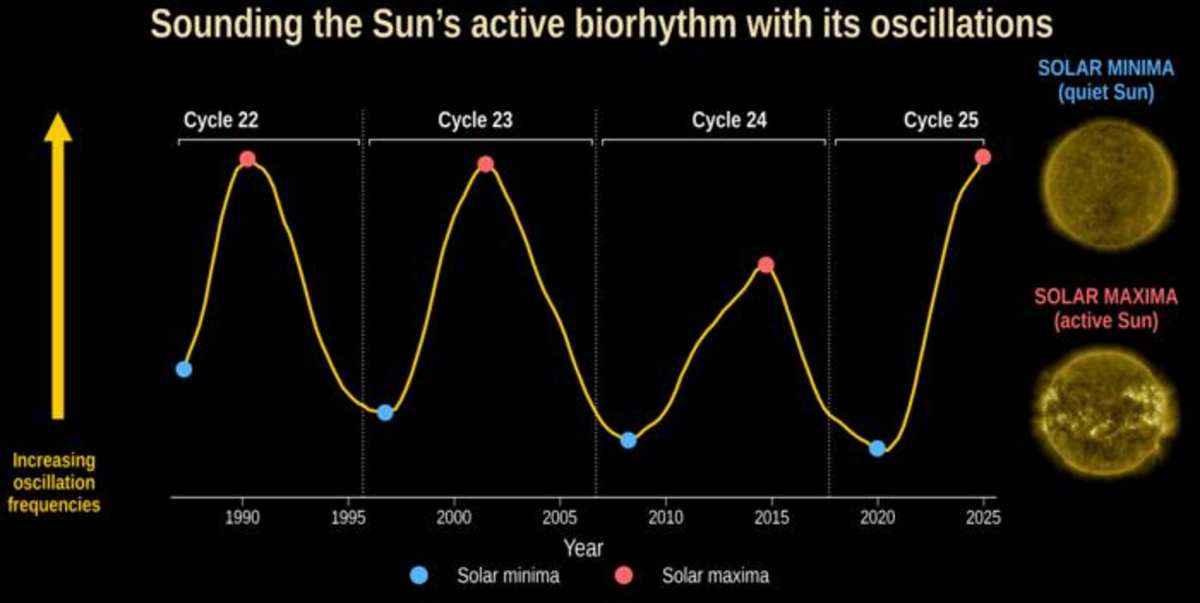
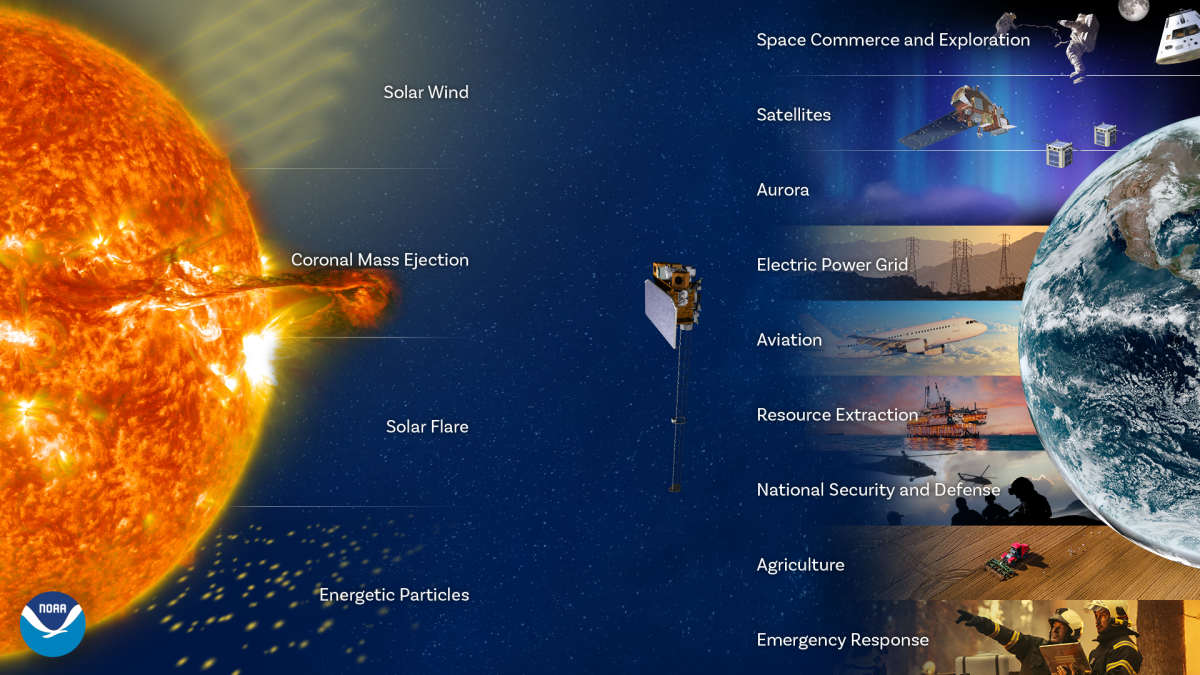
"The Sun has its own 'active biorhythm' creating rising and falling magnetic activity that shapes space weather,” said lead author Professor Bill Chaplin, from the University of Birmingham, in a statement. Solar activity waxes and wanes in 11‑year cycles, producing solar flares and emitting highly charged streams of plasma into space, known as coronal mass ejections (CMEs). Despite being more than 150 million kilometers away from Earth, solar activity can trigger auroras and unleash geomagnetic storms that wreak havoc on infrastructure. Originating deep in the Sun's interior, this cyclic activity evolves and eventually shapes the star's magnetic field. Tracking the solar cycle, therefore, is crucial for forecasting space weather because violent outbursts can disrupt satellite-based communications, GPS systems, and power grids on Earth. However, traditional surface measures don't reveal how the Sun’s changing behavior has been unfolding over decades.
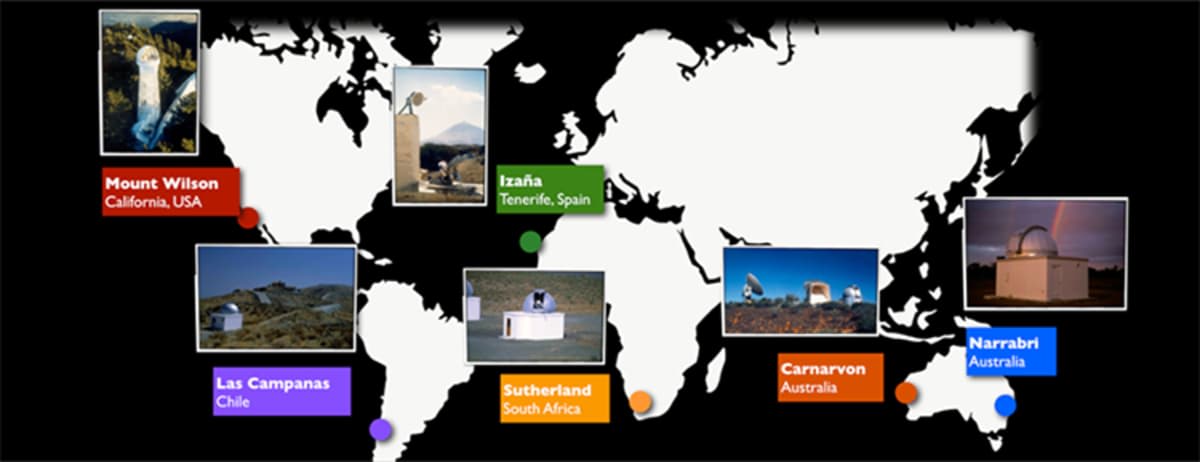
Although astronomers have been studying the Sun for decades now, traditional measures only monitor emissions and surface phenomena like sunspots, often missing the phenomena occurring deep inside the Sun. To study our star's internal workings, the research team used a technique known as helioseismology, which allowed them to listen to the resonant "heartbeat" of sound waves trapped inside the Sun. For the study, they analyzed 40 years of helioseismic data from the Birmingham Solar Oscillations Network (BiSON)—a network of six telescopes around the world that employ helioseismology to study the Sun—and uncovered a hitherto hidden picture. Upon reviewing the data, researchers found a gradual change in the Sun's subsurface structure, with strong signatures of changes in the current, ongoing Solar Cycle 25. “We have uncovered evidence of systematic changes in the solar activity cycle. Crucially, magnetic activity is becoming more tightly confined near the surface with each cycle,” said Chaplin. “This is the first such discovery and would have been impossible without the long BiSON observations," he added.
The researchers compared nearly 40 years of solar vibrations (p-mode oscillations formed by sound waves travelling through the Sun) across Solar Cycles 22 through the current cycle, 25, and analyzed what was going on in different depths beneath the Sun’s surface by breaking the oscillations into low-, mid-, and high-frequency bands. What they found was surprising. While traditional monitoring of surface indicators like sunspots suggested that the ongoing solar cycle is relatively weak, the data analyzed by the team revealed that Solar Cycle 25 is just as strong as cycles 22 and 23. The new data indicate that these magnetic changes are becoming increasingly compressed into a remarkably shallow layer—within roughly 1,000 kilometers of the surface. On a star nearly 1.4 million kilometers wide, that is an astonishingly thin margin, the researchers noted.
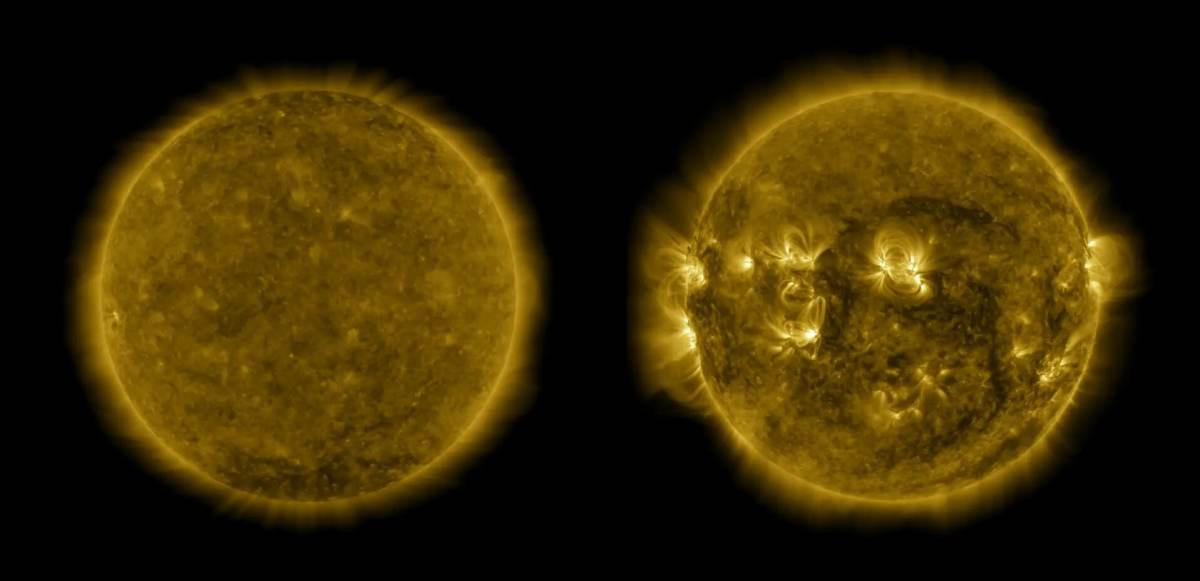
"We discovered that the relationship between internal solar oscillations and surface activity has evolved over the past few cycles,” said co-author and Professor Sarbani Basu, from Yale University. "This trend cannot be explained simply by weaker magnetic fields. Instead, it indicates a structural reorganization of how the Sun's magnetic activity is stored beneath the surface," she explained. The researchers think that continued analysis of BiSON solar data for the remainder of Cycle 25 and into Cycle 26 may reveal whether these observed changes point to a sustained, systematic change in solar magnetic behavior.
More on Starlust
Scientists finally know whether the Sun's activity alters its oxygen levels